
 EN
How Automation Improves Garden Machinery Production Efficiency?
For a garden machinery manufacturer, automation is not simply a question of replacing manual work with machines. It is a way to make the production line easier to control when product variants, seasonal demand, component supply, and quality expectations all move at once. Lawn mowers, ride-on mowers, tillers, shredders, mulchers, and water pumps combine metal parts, power systems, safety components, and packaging steps. A missed fastening operation or an unrecorded inspection can create rework well after the unit has left the station where the issue began.
When sourcing garden equipment at scale, buyers usually look beyond unit price. They want to understand whether a factory can build consistently, manage changes, document inspections, and support an orderly flow from components to shipment. A well-planned automation system helps a garden machinery manufacturer make those controls visible. The practical aim is not to automate every task; it is to automate repetitive, safety-critical, and data-sensitive tasks while keeping skilled people focused on judgement, setup, troubleshooting, and improvement.
What Does Automation Mean on a Garden Machinery Production Line?
Factory automation can cover several linked activities: material identification, parts feeding, fastening, pressing, torque verification, functional testing, inspection, packing, and production-data collection. The right mix depends on the product family. A compact mower, for example, may need repeatable deck and handle assembly, while a ride-on machine may add more complex routing, electrical checks, and end-of-line functional testing.
The common assumption is that a faster machine automatically creates a faster factory. In reality, a production line improves only when the upstream supply, work instructions, changeover process, and quality checks can keep pace. If an automated station waits for the wrong component or sends failures back into the main flow without a clear route, the bottleneck simply changes location. That is why production efficiency starts with process mapping before equipment selection.
1. Standardized Work Reduces Variation Before It Reaches Final Assembly
Automation is most useful when the task has a defined sequence and a measurable result. At a fastening station, for example, a programmed tool can confirm that the right operation occurred within the intended setting range. At a press-fit station, a controller can compare force and travel against an approved window. These checks do not remove the need for operators; they give operators a clearer signal when a unit needs attention.
For a garden machinery manufacturer handling different models, standardized work also supports cleaner model changeovers. Digital work instructions, barcode or serial-number identification, and station-specific recipes can help the line present the right sequence for the unit being built. This is particularly useful where an OEM or private-label order changes a component, label, package, or configuration. The production line becomes easier to audit because the process is defined rather than remembered differently from shift to shift.
2. Automated Material Handling Supports a Steadier Flow
Garden machinery assembly involves bulky frames, decks, engines or motors, wheels, controls, fasteners, and packaging materials. Moving these items by hand can remain appropriate in flexible, low-volume work cells. However, repeated movement between fixed stations can consume time and create handling variation. Conveyors, carts, lift assists, guided fixtures, and simple pick-to-light systems can reduce unnecessary travel and help parts arrive in the right order.
Right, so the important question is not whether every movement should be automated. It is whether a movement repeatedly interrupts work, causes ergonomic strain, or makes it difficult to maintain sequence. A staged approach often begins with the most constrained handoffs, then expands only after the team can measure the effect on waiting time, work-in-process, and rework.
3. In-Process Quality Checks Find Issues Earlier
Manual inspection at the end of assembly can identify a problem, but it may not reveal where the variation entered the build. An automation system can capture process information at the moment a task is performed. Vision checks may confirm the presence or orientation of a component. Sensor-based stations may confirm a completed action. Functional test equipment can record whether a finished unit responds as intended before it advances to packing.
This matters in garden machinery manufacturing because defects can be introduced across several steps. If a unit fails an end-of-line test, the repair team needs a practical route back to the likely cause rather than a broad search across the entire build. The goal is containment and learning, not merely a pass/fail result. A pre-shipment inspection process remains valuable, yet earlier checks may reduce the amount of late-stage sorting required.
4. Traceability Makes Production Data Useful
Traceability connects a machine or batch to its component lot, assembly stations, process settings, and inspection results. In a connected factory technology workflow, a serial number or production label can become the link between the physical unit and its record. If an issue appears during final inspection or after shipment, the quality team can review the affected build history and decide whether a contained review is needed.
For buyers evaluating a garden machinery manufacturer, traceability is also a sign that a supplier can discuss quality with evidence. It can support clearer conversations about corrective action, component changes, and inspection status. The value comes from using the data: define who reviews exceptions, how rework is identified, and how recurring signals lead to process changes. Collecting more data than the team can act on only adds administrative noise.
5. End-of-Line Testing Protects the Final Handoff
End-of-line testing is where the production line checks that the assembled product is ready for the next stage. The test content differs by model and power source, but the principle is consistent: use an agreed test plan, identify the unit, record the outcome, and direct failed units to a controlled rework path. Automation can make these routines repeatable and can help a factory manage multiple models when fixtures and test recipes are organized carefully.
However, final testing should not be treated as a substitute for upstream process control. A unit that reaches the test stand with a repeated assembly error has already consumed materials and labour. The more durable approach is to combine final verification with earlier controls at the steps that create the highest risk of variation.
How Should a Manufacturer Prioritize Automation?
- Map the current process. Record cycle times, waiting points, rework loops, safety concerns, and the information that is currently missing.
- Choose one measurable constraint. Start with a repeated quality escape, awkward transfer, bottleneck station, or weak traceability point rather than a broad technology purchase.
- Define the control plan. Specify what the station must verify, how it handles a failure, who owns the response, and which records must be retained.
- Run a controlled pilot. Compare the pilot with the previous process using the same product mix and review operator feedback alongside production data.
- Scale with maintainability in mind. Train technicians, document recovery steps, keep changeover instructions current, and confirm spare-part and service arrangements for the equipment.
Automation Needs Skilled People and Clear Ownership
A factory technology project succeeds when it makes daily decisions simpler for operators, quality personnel, and supervisors. People still decide how to respond to abnormal results, improve fixtures, approve process changes, and balance a changing order mix. Automation gives those teams more reliable signals and removes some of the repetitive work that makes signals harder to see.
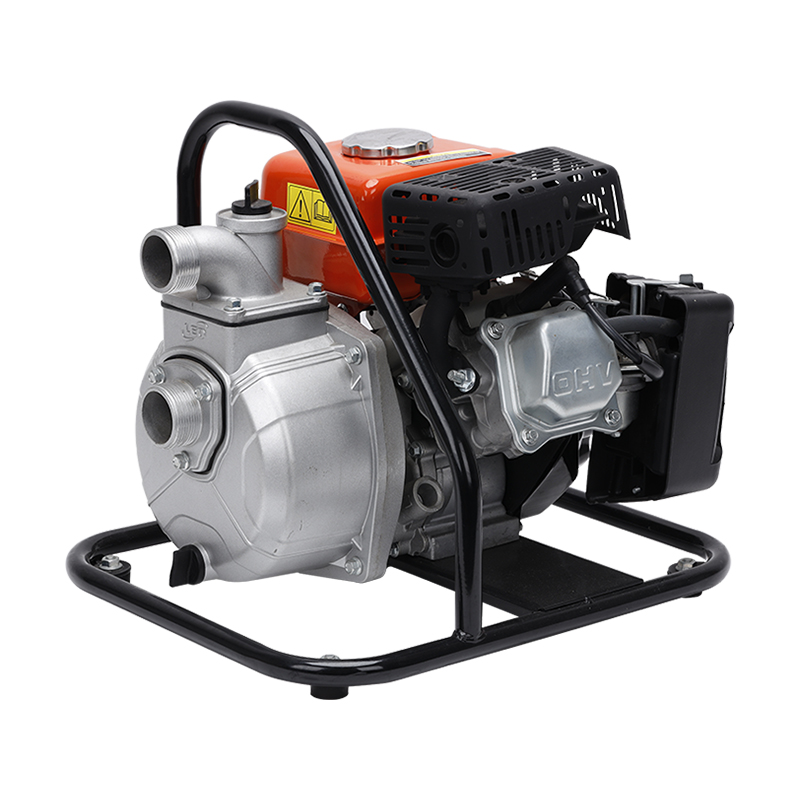
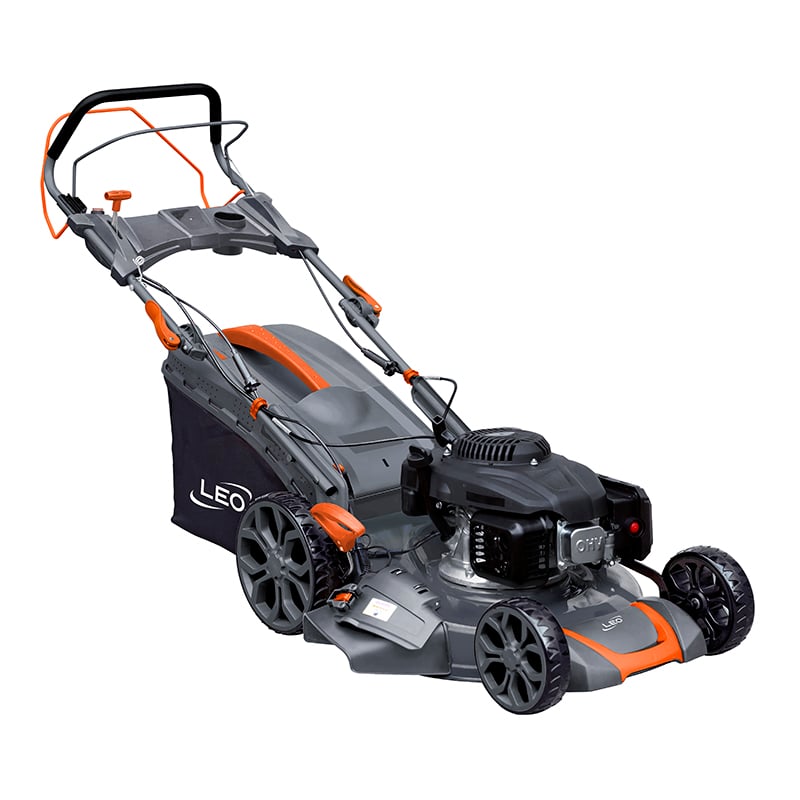
Zhejiang Leo Garden Machinery Co., Ltd. focuses on garden machinery for garden, courtyard, and road-maintenance applications, with product categories that include mowers, ride-on mowers, shredders, mulchers, tillers, and water pumps. For manufacturers and sourcing teams alike, the useful next question is specific: which part of the current production line would gain the most from clearer work standards, earlier verification, or better traceability? Starting there keeps automation tied to production discipline rather than technology for its own sake.
 Hot News