
 EN
How to Reduce Fuel Consumption When Using Gasoline Lawn Mowers?
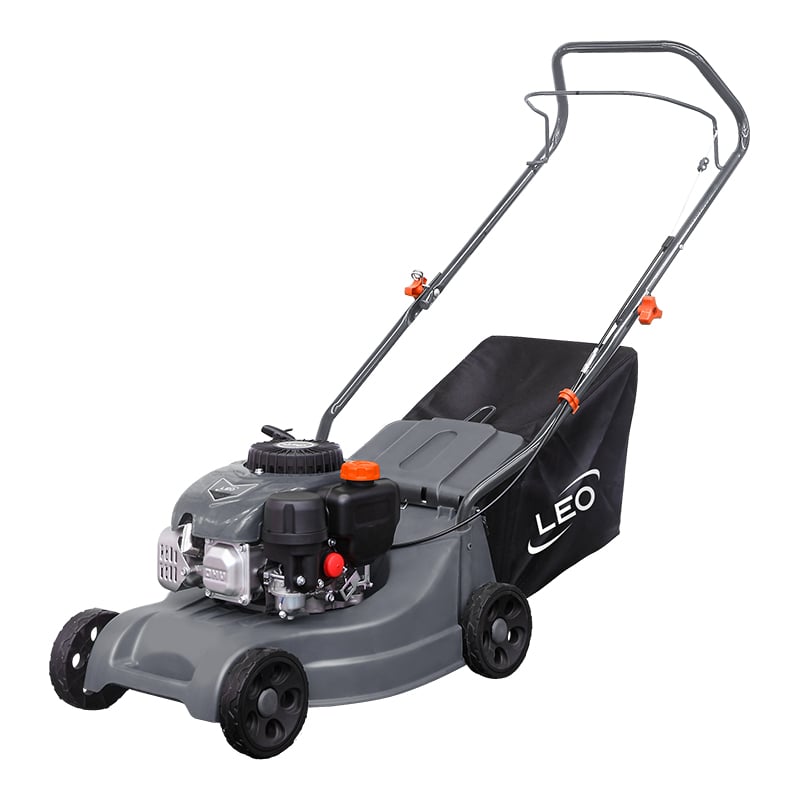
A gasoline lawn mower is often chosen for larger lawns, uneven ground, or periods of heavy turf growth because it can keep working without a cord or charging break. Its fuel use, however, is not fixed. Turf height, blade condition, fuel age, engine care, and the way you travel across the lawn all affect how hard the engine has to work. The practical aim is not to chase a single consumption number; it is to make each pass productive and keep the engine running cleanly.
As a garden-machinery technical consultant, I start with the workload rather than the engine label. A gasoline lawn mower that bogs down in tall, wet turf is being asked to do more work per metre than one cutting dry turf at a sensible height. Small changes in preparation and mower operation can therefore support better fuel efficiency while also making the cut more even.
Start by separating fuel-use symptoms from normal workload
It is normal for a gasoline lawn mower to use more fuel on a large, sloped, or overgrown lawn. It is less normal if fuel use rises at the same time as rough running, repeated starting, smoke, a loss of cutting speed, or an uneven finish. Those clues point to a maintenance or setup issue that is worth checking before changing your mowing route.
The number many owners keep checking is engine displacement. It was only after working with mowers on dense spring turf growth that the more useful question became: how much resistance is the cutting system creating? A dull blade, a packed deck, or an overly aggressive cutting height can load a gasoline lawn mower far more than a modest difference in engine size.
Use this quick first check:
- Compare the current lawn condition with your usual turf conditions.
- Look under the deck only after the engine is off and the spark-plug lead is disconnected according to the manual.
- Notice whether the engine speed changes mainly in thick patches or throughout the whole session.
- Check for stale fuel, a dirty air filter, or a service interval that has been missed.
Reduce cutting load before asking for more throttle
A gasoline lawn mower consumes fuel to turn the blade and move itself, so avoid making both jobs harder than necessary. Cut when the turf is dry where practical. Wet clippings stick together, coat the underside of the deck, and make discharge less efficient. If the lawn has grown well beyond its usual height, take a higher first cut and return later for the final height rather than trying to remove everything in one pass.
Set the cutting height for conditions, not just appearance. A very low setting on uneven turf makes the blade meet more material and can scalp high spots. If your lawn is under moderate control and fairly level, a regular cutting schedule may allow a higher, cleaner pass. If it is regularly dense or uneven, a staged cut is usually the more sensible choice. That is not a shortcut; it is a way to keep the gasoline lawn mower within a reasonable working load.
Blade condition matters too. A well-maintained, undamaged blade cuts rather than tears. Torn turf tips may signal a blade that needs attention, while a bent or damaged blade requires the inspection process specified by the mower maker. Clean the deck after use when it is safe to do so. Built-up clippings narrow the discharge path and can make the engine work harder during later mower operation.
Make engine maintenance part of fuel efficiency
Good engine maintenance is not merely about getting a gasoline lawn mower to start. Restricted airflow, poor ignition, or degraded oil can affect how smoothly the engine carries a cutting load. Follow the maintenance schedule for your specific engine; manuals differ by design and use conditions. As a general reference, a major small-engine manufacturer advises changing oil at least once per season or every 25 hours, and it advises checking the air filter and spark plug during a tune-up.
Begin with the air filter. A clogged element limits the air reaching the engine, which can contribute to sluggish response. Clean or replace it only by the procedure and interval stated in the manual; some foam, paper, and dual-element filters have different service requirements. Next, inspect the spark plug when hard starts, uneven running, or increased fuel use appear. A dirty or worn plug can weaken ignition, and manufacturer guidance identifies it as one possible contributor to excessive fuel consumption.
Check the oil level on level ground and use the grade specified for the engine and expected temperatures. Too little oil is an engine-protection concern, while overfilling can create other operating issues. Do not guess at adjustment settings or disassemble fuel-system components unless you have the relevant instructions and experience.
 A routine engine check can help a gasoline lawn mower run smoothly through the mowing season.
Use fresh fuel and a simple storage routine
Fuel quality has a direct effect on reliable mower operation. Buy an amount of gasoline you can use within a practical period, keep it in an approved container, and keep water and debris out of the fuel system. One small-engine maintenance guide notes that gasoline can become stale in as little as 30 days. If fuel will sit, use a stabilizer only as directed for the fuel and engine, and follow the storage steps in your mower manual.
For a gasoline lawn mower, fresh fuel will not compensate for a clogged filter or poor cutting technique, but it removes a common source of starting and running trouble. At season end, decide whether the manual calls for stabilized storage fuel or a drained system. Label containers by purchase date so older fuel is not accidentally used first.
Plan mower operation to avoid wasted passes
Efficient mower operation is mostly about reducing overlap and avoiding repeated work. Before starting, walk the lawn and remove branches, stones, and hoses. Choose a path that lets you turn at the edge rather than weaving around obstacles. On open rectangular areas, straight parallel passes make it easier to see where the blade has already cut. Around trees and beds, mow the perimeter first, then fill the centre with a consistent pattern.
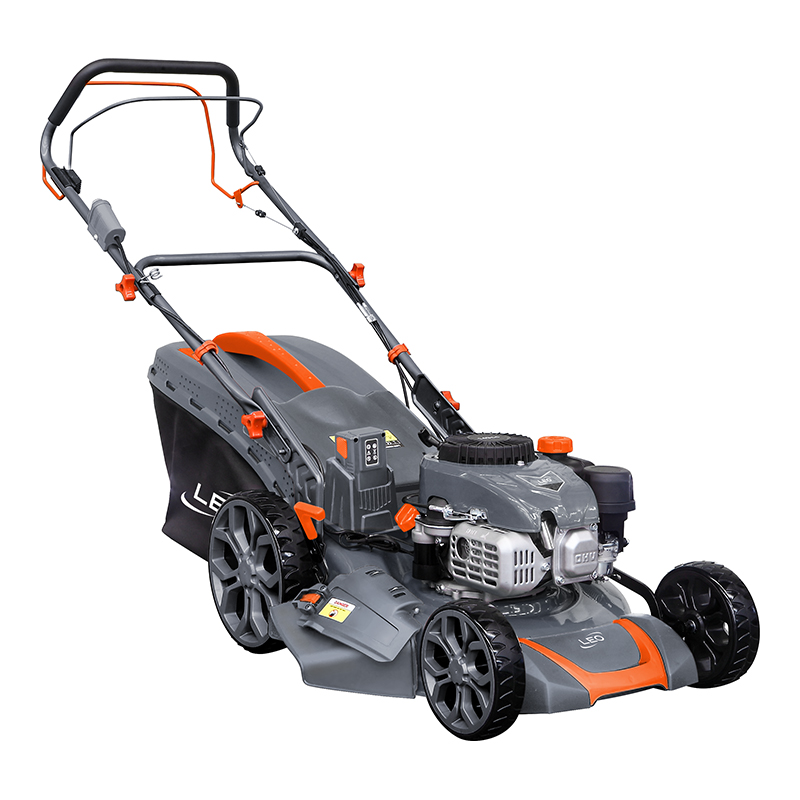
Travel speed should match the turf, not your impatience. If clippings are clumping or the engine note drops, slow down or raise the deck for that section. Pushing quickly through heavy turf can leave an uneven finish that requires a second pass, which undermines cost saving. A self-propelled gasoline lawn mower also needs a pace that lets the blade finish the cut; use the drive setting that matches the conditions rather than treating top travel speed as the default.
Keep turns deliberate and avoid idling for extended periods while deciding what to do next. Batch adjacent areas into one session where that makes sense, but allow the engine to cool and inspect the deck if material is accumulating. The goal is a consistent workload, not maximum speed.
A practical fuel-saving checklist
- Use clean, fresh fuel and follow the storage guidance in the manual.
- Check the oil level, air filter, and spark plug at the stated service intervals.
- Keep the blade properly maintained and the deck clear of packed clippings.
- Cut dry turf when practical and raise the deck for unusually tall growth.
- Use a steady route with limited overlap and a travel speed suited to the turf.
- Stop and diagnose persistent power loss instead of compensating with repeated passes.
When a fuel-use change needs closer attention
If a gasoline lawn mower suddenly needs far more fuel than usual, or if the change comes with smoke, vibration, fuel leaks, surging, or starting difficulty, pause the routine checks and consult the service information. Continuing to mow through a mechanical fault may increase the repair bill and create a safety concern. For ordinary lawns, consistent engine maintenance, a clean cutting deck, sensible cutting height, and measured mower operation are the dependable foundations of fuel efficiency and cost saving.
In short, a gasoline lawn mower works most economically when the engine, blade, deck, and mowing plan all suit the turf in front of it. Build a short pre-mow check into your routine, and fuel use becomes one more useful signal about the condition of the machine and the workload you are asking it to handle.


 Hot News