
 EN
Why Quality Control Matters When Purchasing Garden Machinery?
Choosing a garden machinery supplier is not simply a buying exercise. For an importer, distributor, or retailer, it is a decision about whether the machines arriving before the season will be consistent enough to sell, service, and stand behind. A low quotation can look attractive until uneven assembly, missing parts, or inconsistent finish creates returns and difficult conversations with dealers. That is why a disciplined garden machinery supplier review should begin before an order is placed.
When sourcing at scale, the practical question is not only price per unit. It is whether a garden machinery supplier can document how components, assembly, testing, packaging, and corrective actions are managed. Quality differences often become clearer after a full season of use, when vibration, blade wear, starting behavior, fasteners, and spare-parts needs begin to affect customer experience.
Why quality control changes the cost of an order
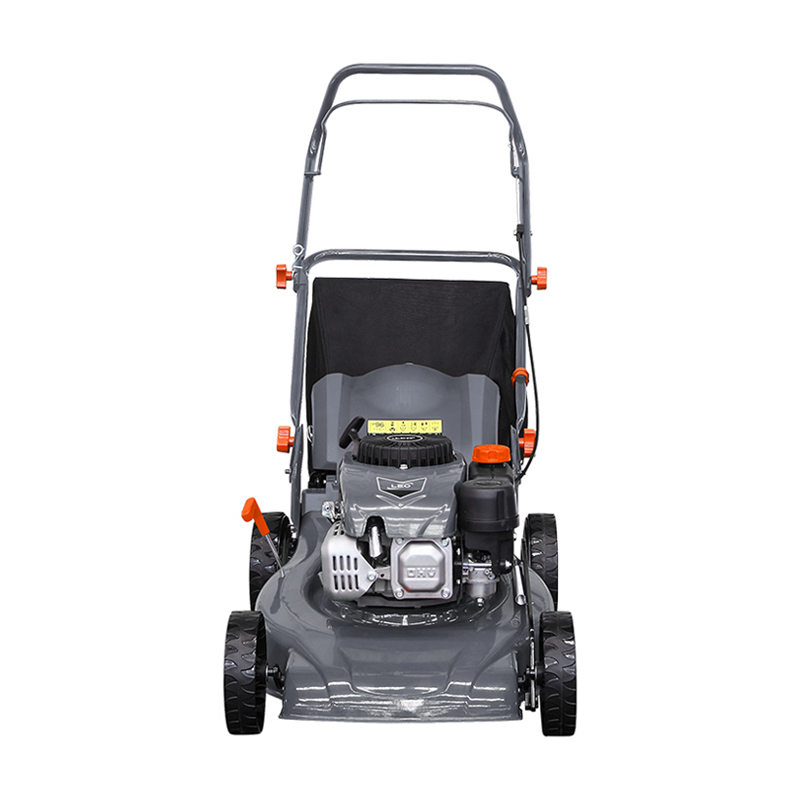
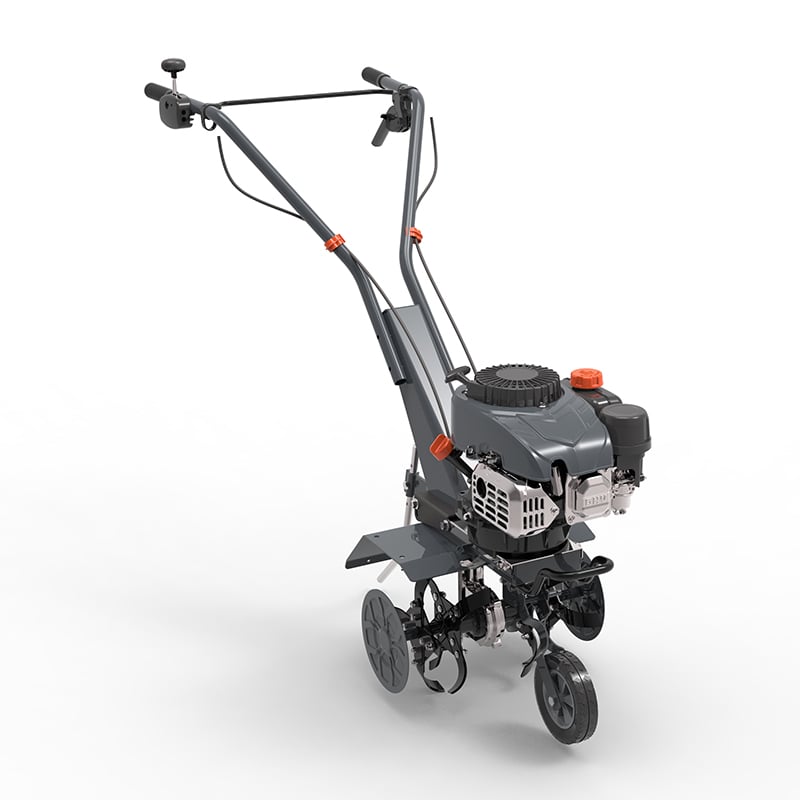
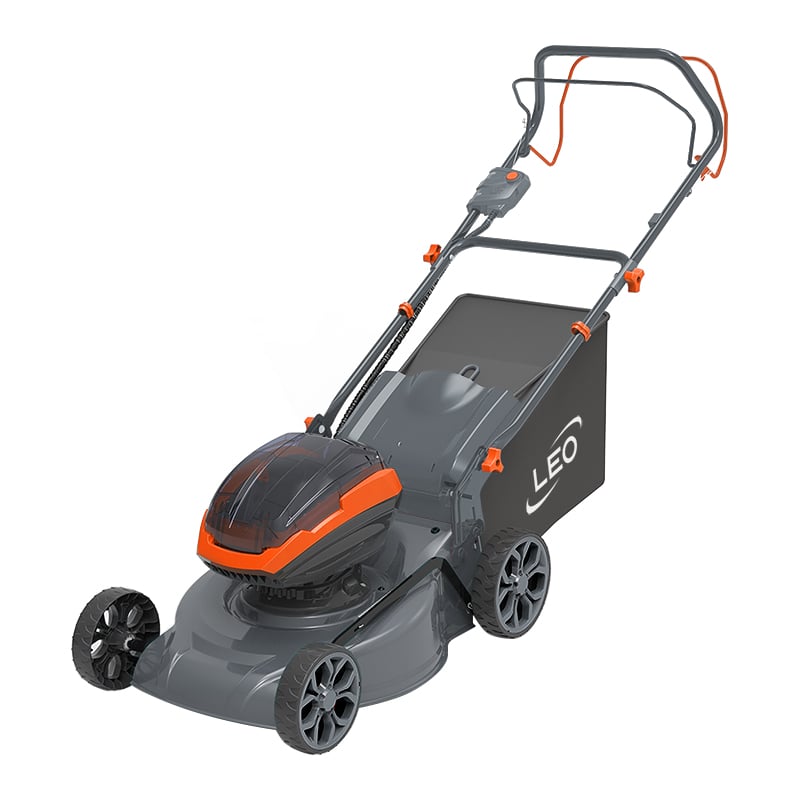
A garden machinery supplier may quote the same broad product category as another factory, yet the two offers can carry very different downstream costs. A mower that starts in a sample review but has inconsistent cable routing or fastener torque across a production run can generate warranty workload long after the container has landed. Similar issues arise with shredders, tillers, trimmers, and ride-on equipment: the visible product may be similar, while the repeatability of manufacturing is not.
Garden equipment is also seasonal. Distributors often need stock before peak lawn-care or garden-clearing periods, so a late replacement shipment can be more disruptive than the purchase price suggests. In supplier evaluation, ask how the factory isolates nonconforming material, records rework, and communicates a change that could affect an approved sample. These questions reveal whether quality control is a routine process or a last-minute check.
ISO explains that the ISO 9000 family is intended to help organizations improve products and services and consistently meet customer expectations. Evidence of an ISO 9001-based system can be useful in a garden machinery supplier review, but it should be treated as one signal. It does not replace product-specific evidence, inspection records, or the buyer’s own acceptance criteria.
Move from a sample check to supplier evaluation
A sample is valuable, but it represents one moment. Strong supplier evaluation looks at the route from incoming components to packed units. Ask a prospective garden machinery supplier to show how it checks purchased motors, batteries, blades, wheels, guards, switches, and fasteners before assembly. Then ask who owns the decision when a batch does not meet the drawing, approved sample, or agreed specification.
Useful questions include:
- What is checked on incoming parts, and how are records linked to a batch or production date?
- Which assembly steps have defined work instructions, tools, and checkpoints?
- What functional tests are carried out before packing, and how often are they recorded?
- How are defects classified, contained, investigated, and verified after correction?
- How are packaging, accessories, manuals, and spare parts checked against the purchase order?
This type of supplier evaluation is more informative than a factory tour that focuses only on clean aisles or large machinery. A capable garden machinery supplier should be able to explain the control point, the acceptance rule, the record, and the action taken when the rule is missed. If those answers remain vague, the buyer has a reason to narrow the scope of the order or request more evidence.
Build a quality inspection plan around the actual product
Quality inspection works well when it is specific. “Check quality” gives a factory little direction; an agreed inspection plan gives both sides a common reference. For a mower, the plan might cover assembly condition, controls, blade-related safety guards, starting and running checks, packaging contents, labeling, and cosmetic condition. For a shredder or tiller, it may add feeding, vibration, guard fit, and operating checks appropriate to the specification.
A practical quality inspection plan usually has three layers. First, confirm the approved specification, drawings, finish standard, accessories, packaging, and labeling before mass manufacturing begins. Second, review selected checkpoints during production, especially after a new component, process change, or OEM configuration is introduced. Third, complete a pre-shipment quality inspection against an agreed sampling method and an itemized defect list.
Finished-unit checks still matter, of course, but they cannot show every condition that occurred during assembly. For that reason, a garden machinery supplier should be asked for traceable evidence where it is proportionate to the order: inspection records, photos of checkpoints, test logs, packing records, and corrective-action summaries. The goal is not paperwork for its own sake; it is a clearer basis for release decisions.

Use OEM requirements to remove ambiguity
An OEM order adds another layer of responsibility because the buyer’s name, manuals, graphics, accessories, or configuration may differ from the supplier’s standard version. The garden machinery supplier needs a controlled way to distinguish approved OEM requirements from informal requests sent by email. Otherwise, a revised carton, handlebar, plug, color, or accessory can be applied inconsistently across a run.
Before approving an OEM purchase, document the revision level of each buyer-controlled item, identify the sample that represents the agreed condition, and define who approves a proposed substitution. The same discipline should apply to manuals and labels. A missing warning label or incorrect accessory is not necessarily a mechanical failure, but it can still create a delivery problem and a costly rework task.
Evaluate manufacturing capacity and service together
Capacity is not just a question of how many units a garden machinery supplier says it can assemble each month. It also involves the stability of component supply, the availability of trained inspectors, the ability to hold spare parts, and the time needed to close a recurring defect. During supplier evaluation, ask for a realistic production plan, quality staffing by shift, and the escalation path for a field issue.
It depends on the category and market, but distributors should consider a small pilot order when a relationship is new or an OEM specification has changed. The pilot can be used to test reporting, packaging accuracy, delivery communication, and the response to a documented issue. That is often more revealing than a polished presentation because it shows how the garden machinery supplier handles a real decision under time pressure.
A buyer’s release checklist
- Define the product specification, critical functions, accessories, packaging, and acceptance criteria.
- Review the garden machinery supplier’s incoming, in-process, and final inspection controls.
- Agree on the quality inspection plan, sampling approach, defect categories, and reporting format.
- Control OEM revisions with dated approvals rather than informal messages.
- Request traceable records for the order and a corrective-action response for material issues.
- Check the spare-parts and warranty-support process before committing to a larger seasonal purchase.
Quality control is a commercial safeguard
Quality control is not a separate factory topic that ends when the goods leave the line. For a buyer, it affects delivery confidence, dealer trust, warranty workload, and repeat purchasing. A careful garden machinery supplier assessment turns broad claims into evidence: what is controlled, how it is checked, who records it, and what happens when something is outside the agreed standard.
That approach does not promise a trouble-free order. It gives the buyer a more practical way to identify uncertainty early, set expectations with an OEM partner, and make a sourcing decision that accounts for the full cost of ownership rather than the unit price alone.


 Hot News