EN
What Types of Garden Waste Can Be Processed by Branch Chippers?
A garden branch chipper is primarily a tool for reducing suitable woody prunings into smaller pieces. It may also accept some softer garden material, but that depends on the machine’s feed system and the manufacturer’s instructions. Before switching it on, sort the pile: branches, leaves, and soft stems do not behave the same way in a cutting chamber.
For homeowners, grounds teams, and equipment buyers, the useful question is not simply whether material is organic waste. Ask whether it is clean, within the machine’s rated capacity, and explicitly permitted for that model. This guide helps you decide what goes into the garden branch chipper and what needs another route.
Woody branches and twigs
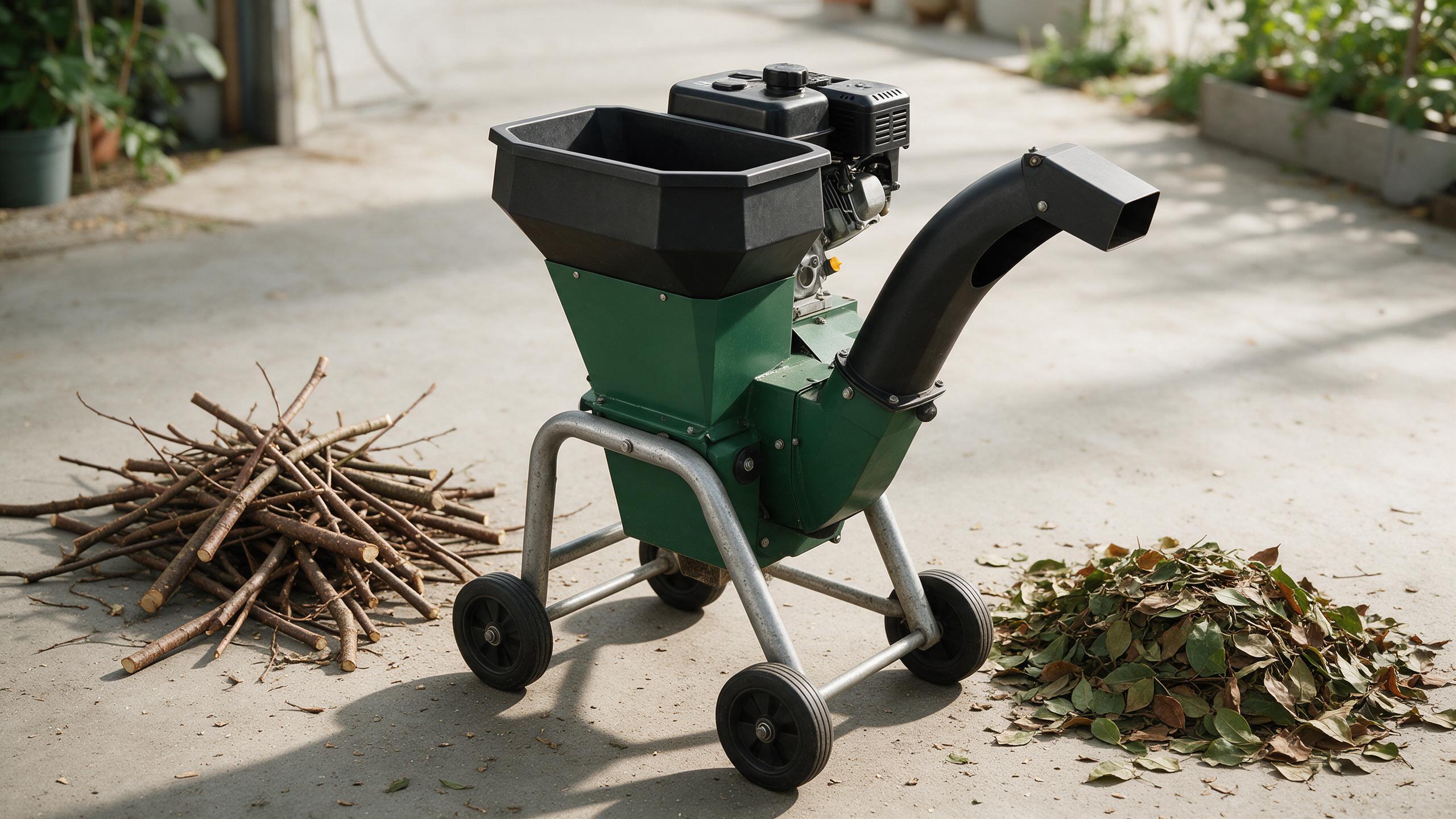
Freshly pruned branches and small twigs are the most obvious feed for a garden branch chipper. If the model is designed for woody material, clean pieces within its stated diameter rating can be reduced to chips. Check the thickest part of each branch, including forks, rather than measuring only the narrow end. A published maximum is a limit for that specific machine, not a promise that every hardwood branch will feed easily at that size.
Wood species, moisture, shape, and blade condition all affect feeding. Separate twisted branches and trim awkward forks as directed in the manual. Feed individual pieces using the manufacturer’s procedure; do not force a tight bundle into the inlet. If a branch is oversized or its shape makes safe feeding uncertain, leave it out and arrange suitable collection or processing.
Fresh versus dry wood
Fresh and dry branches can behave differently. A dry, hard piece may place a different load on the cutter from a recently pruned branch of the same diameter. The manual is the authority on both material and capacity; there is no reliable universal diameter for every garden branch chipper. Stop if the machine labours or the feed does not move as described in the instructions.
Hedge trimmings and mixed prunings
Woody hedge trimmings can be suitable where the machine allows them, especially when the load consists mostly of thin stems and branches. Inspect the pile for wire, clips, stones, and other foreign objects first. Small twigs tangled in a dense mat can feed unpredictably, so use the feed method and quantities specified by the manufacturer.
Some hedge material is leafy or fibrous rather than woody. That distinction matters: a model intended only for branches may not handle soft trimmings, even if they fit through the opening. A combination chipper and shredder may have separate instructions or inlets for different materials. A hopper designed for one category should not be assumed to accept another.
Leaves, soft stems, and garden clippings
Leaves are not automatically suitable feed. Loose, dry leaves may be accepted by a machine with a dedicated shredding function, while wet leaves can mat together and obstruct some cutters. Consult the model’s accepted-material list before feeding leaves alone or mixed with branches. If leaves are excluded, use a dedicated leaf shredder, compost them as appropriate, or use a local garden-waste collection service.
Soft plant stems and non-woody clippings also need model-specific confirmation. Long, stringy material can wrap around moving parts, and damp material may accumulate inside the machine. Avoid pushing through a blockage. Stop the machine, disconnect its power source, wait for all moving parts to stop, and follow the manual’s clearing procedure before approaching the chamber.
Some garden branch chipper manuals permit mixed material; others do not. Do not add woody pieces to wet clippings as a workaround unless the manufacturer explicitly permits the mixture. Keeping the piles separate also makes it easier to choose a useful destination for each kind of organic waste.
Material to keep out
A garden branch chipper is not a general-purpose bin. Set aside anything the manufacturer does not list as acceptable, and be especially cautious with the following:
- Stones, soil, metal, and plastic: remove contaminants from roots and prunings. These materials can damage the cutting system or be thrown from the machine.
- Treated or painted wood: keep construction timber and material of uncertain treatment out of garden recycling streams. Use the disposal route recommended locally.
- Thick logs and stumps: a wide feed opening does not mean that an oversized piece is within the rated cutting capacity. Arrange another method for large wood.
- Food scraps and unfamiliar plant material: a branch chipper should not be assumed to accept kitchen waste. Check local composting rules and the equipment manual instead.
- Diseased plants, invasive species, or seed-bearing weeds: processing them does not necessarily make the output suitable for a garden. Ask the local waste authority how to handle these materials.
How to sort a pile before processing
Start with three groups: clean woody branches within the rated size; leaves and softer organic waste; and material that is contaminated, oversized, or uncertain. Check each group against the instructions for the exact garden branch chipper. Then make the decision: feed only accepted material, use a different tool for a permitted alternative, or send the material to an appropriate collection route.
Choose a stable work area and keep other people clear. Wear the eye and hearing protection and other protective equipment specified in the manual. Keep hands and feet out of the feed hopper, stand as the manufacturer directs, and use only the supplied or approved feeding aid. Switch off, disconnect power, and wait for the cutter to stop before clearing a jam or servicing the machine. Do not bypass guards or interlocks.
Put clean output to use
Clean, untreated chips may be useful as surface mulch, subject to plant needs and local guidance. Leave space around stems and trunks rather than piling material against them. For composting, the US Environmental Protection Agency lists untreated wood chips among carbon-rich materials; they are one part of a balanced mix, not a substitute for managing moisture and aeration.
Coarse wood breaks down differently from leaves and other softer ingredients. Keep questionable output separate, and do not assume a single pass through a garden branch chipper produces finished compost. For recycling at another site, check what the receiving facility accepts before mixing the loads.
Choose by the waste you actually have
If most of the pile is clean woody pruning, compare each garden branch chipper against the size and shape of those branches. If leaves, damp clippings, or fibrous stems make up much of the work, look for explicit manufacturer guidance for those materials or plan a separate collection method. Ask a supplier for the current manual and accepted-feed details before selecting a model; the right answer depends on the machine as well as the pile.
 Hot News