EN
Why Are Branch Chippers Useful for Professional Landscaping Companies?
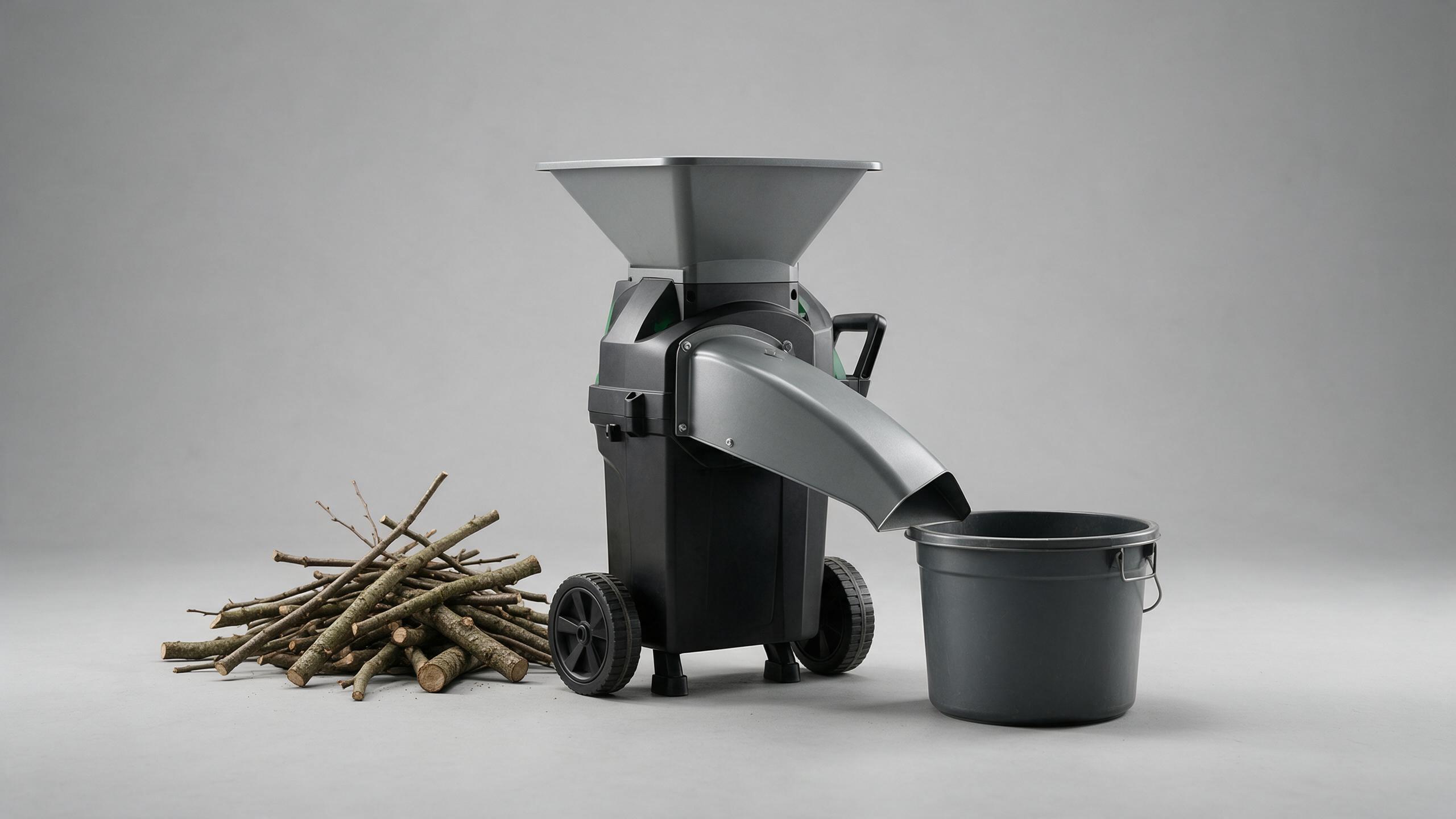
For a landscaping business, pruning is only half the job. The crew must also move a loose pile of branches through a property, load it, and decide where it will go. A garden branch chipper can change that sequence by turning suitable woody material into smaller pieces near the work area. The benefit depends on the job: the machine, site access and destination for the chips all have to fit the job.
Think of the decision from a crew leader's perspective. The right question is not simply whether a garden branch chipper can cut a branch. It is whether the whole crew can finish the assignment safely, leave the site tidy and move to the next appointment without adding more work than the machine removes.
From loose branches to a manageable load
After a hedge reduction or small tree pruning, an open trailer may fill with irregular branches long before its payload capacity is reached. Crews may spend time trimming branches to fit, stacking them and making disposal trips. Chipping suitable material can make the load easier to handle and transport, depending on the material and vehicle arrangement. It does not remove weight, and wet material can still make a load heavy. Check the trailer or vehicle's rated limits before loading.
On a site with restricted access, a garden branch chipper may be positioned close enough to the pruning area to shorten the distance that branches are carried. This helps only if there is a stable working position, a safe feed area and a clear discharge zone. If the unit cannot reach the work area or there is no room to manage its output, manual removal may be the more practical choice.
How does a chipper affect crew productivity?
Productivity depends on the complete sequence, not the cutting action alone. A crew might collect and sort branches while a trained operator feeds the chipper, then move the chips to a vehicle or an agreed location. With a garden branch chipper, fewer pauses for rearranging loose branches may free time for cleanup, but setup, refuelling or charging, maintenance and transport still count as working time.
Compare a typical job with and without the machine. Record setup time, cutting time, the number of trips, disposal charges and the hours spent returning the site to order. Include time spent moving the machine between properties. This gives a landscaping business a useful picture of actual labour and waste management costs rather than a promise based on a machine's advertised capacity.
A small, scattered pruning job may not justify unloading commercial tools and setting up a processing area. A larger pile at one accessible property may make on-site processing more attractive. Seasonal workload matters too: a machine used for a short autumn peak has a different cost profile from one scheduled across a regular route.
More options for waste management
A garden branch chipper can produce material that is easier to collect for a permitted disposal or processing facility. In some cases, a customer may want suitable chips retained on site for paths or as surface mulch around established trees and shrubs. Oregon State University Extension advises maintaining clear space between wood chips and trunks or stems. Ask the property owner before placing material, and consider local plant-health guidance when the source material is diseased or suspect.
Not every pile belongs in the machine. Stones, soil, metal, treated timber and other contamination can damage equipment or make the output unsuitable for reuse. Separate foreign objects and check the machine manual for accepted material. A garden branch chipper designed for woody branches should not be assumed to handle every wet, fibrous or leafy mixture. When in doubt, use the designated collection route instead of forcing it through.
Choose capacity around the work, not the largest branch
Start with the material the crew encounters most often. Note typical branch diameter, whether material is fresh or dry, and how much arrives at one time. Then compare those observations with the manufacturer's published limits for the specific garden branch chipper. A maximum diameter is a boundary, not a promise that every branch of that size will feed smoothly. Shape, wood condition and operator technique affect the job.
Consider the full working environment. Can the machine be moved safely through the entrance? Is the surface firm enough? Is the discharge direction suitable for a collection container? A larger unit may accept more material, yet its weight and transport needs can make it awkward at smaller properties. A compact unit may fit a narrow site, but a heavy workload can exceed its intended duty. Check the duty guidance and power requirements in the manufacturer's documentation.
For commercial tools, serviceability is part of selection. Ask about the maintenance schedule, access to wear parts, transport arrangements and support available in the local market. A garden branch chipper that sits idle while a component is sourced can disrupt several jobs, so availability and repair planning deserve the same attention as purchase price.
Build safe operation into the schedule
A quicker cleanup is no reason to rush feeding. OSHA's chipper guidance calls for trained operators, suitable protective equipment, avoidance of loose clothing and following the manufacturer's instructions. No one should reach into a running chipper. Check the work area, guards and controls before use, keep bystanders clear, and use the machine only within its documented limits.
If material jams, stop the machine, isolate its power source and wait for all moving parts to stop before following the manufacturer's clearing procedure. Do not attempt to clear a jam while the mechanism is running. Set aside time for inspection and cleaning after the work, and report unusual vibration or damage for service rather than carrying on.
When does ownership make sense?
Ownership may suit a landscaping business with recurring branch-heavy work and trained staff available to use the equipment. Hire or outsourced removal may be more practical when suitable material appears only occasionally, storage is limited or the work needs a substantially different machine. Compare the expected jobs against purchase or rental, transport, energy, consumables, training, insurance and disposal costs. Keep the estimate specific to your own route and rates.
A garden branch chipper is useful when it fits the material, the property and the crew's operating routine. Measure the complete job, arrange a destination for the output and plan safe use first. That approach turns a potential equipment purchase into a clear operational decision rather than another item to carry between sites.
 Hot News