EN
How to Choose a Garden Branch Chipper Based on Cutting Capacity?
A garden branch chipper should suit the material you actually prune, not just the largest number on a brochure. Start with the diameter and condition of your branches, then compare that workload with the manufacturer's stated cutting capacity. A wide hopper is not proof that a thick limb is within the machine's limit.
The useful question is not simply “How big a branch fits?” It is also “How much material can I process, of which kind, and how often?” This guide explains how to turn those answers into a practical equipment shortlist.
What does cutting capacity mean?
Cutting capacity usually refers to the maximum branch diameter specified for a particular machine. Check the manual or the model's technical sheet to see exactly how that figure is defined. A limit may assume a particular kind or condition of wood, and it does not necessarily describe how quickly a full pile can be processed.
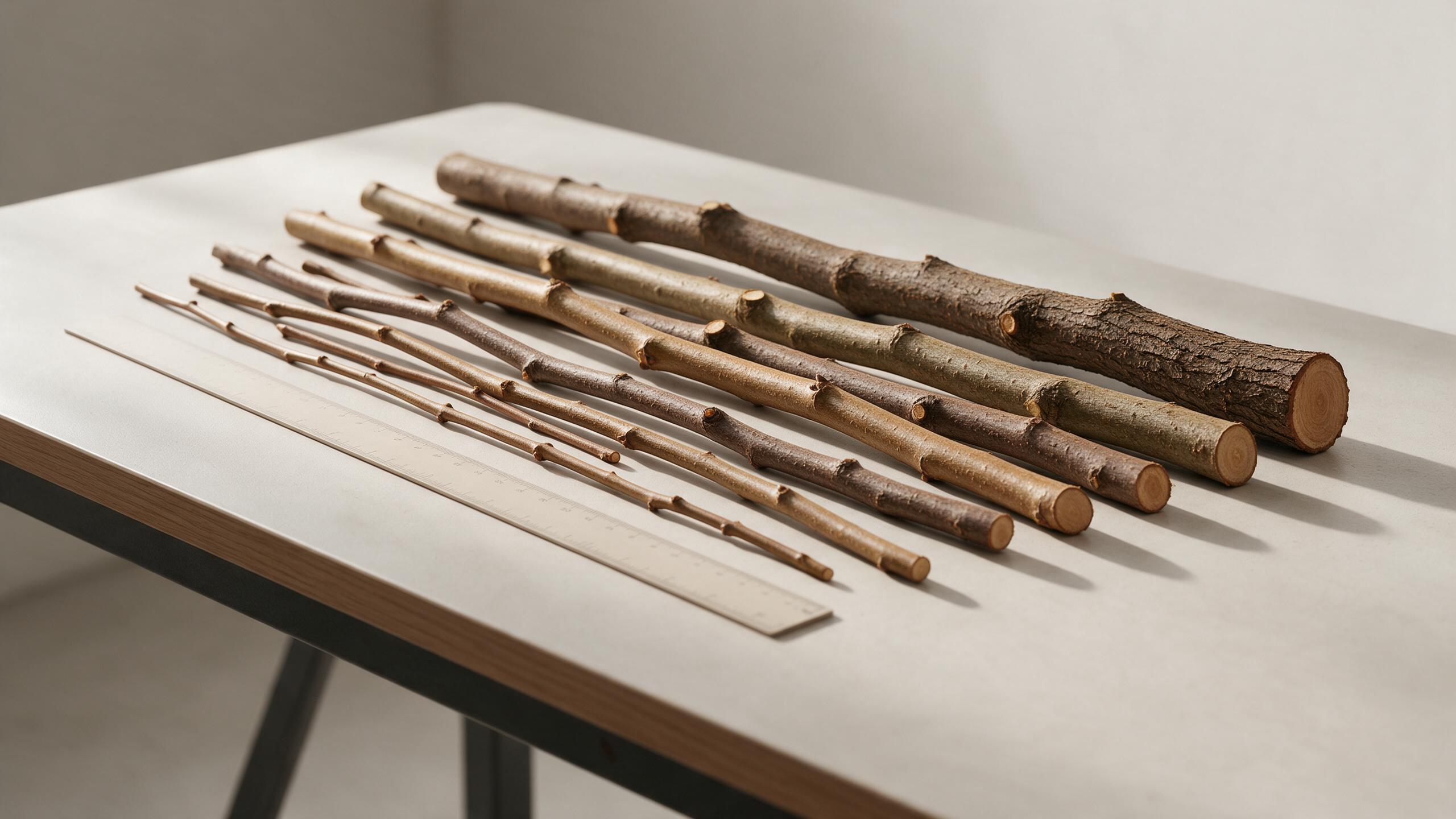
Measure the thickest part of each branch you expect to feed, including any knots or forks that cannot be trimmed off. Use a ruler or caliper across the section rather than estimating from a distance. Compare that measurement with the stated limit for the garden branch chipper you are considering. Do not treat the hopper opening as a substitute for a rated diameter.
For illustration, if your common prunings measure 25 mm and a candidate is rated at 40 mm for the relevant material, the rated figure exceeds that sample size. This is arithmetic, not a recommendation to feed every 40 mm branch: confirm the manual's material conditions, and leave out material the manufacturer does not accept. Both figures here are hypothetical, not specifications for a named machine.
Take a short inventory of your garden waste
Sort a representative pile before making a purchase. Note the common diameter, the largest recurring diameter, and the material mix. Record whether stems are fresh or dry, straight or forked, and mostly woody or soft. A garden branch chipper that suits a small pile of freshly cut twigs may be less convenient for a regular stream of dense, dry branches.
- Occasional hedge and shrub trimmings: check the accepted material list as well as diameter; leaves and fibrous stems are not automatically suitable for every feed system.
- Routine tree pruning: measure several recurring branch sizes and allow for manageable preparation, such as trimming side shoots as instructed by the manual.
- Frequent property maintenance: ask how feed rate, collection arrangements and servicing fit repeated sessions, not just the occasional maximum-size piece.
Separate unusually large limbs from your normal workload. If they occur rarely, a different disposal method or a hired professional may be more sensible than choosing all of your garden equipment around a single exceptional branch. Do not feed oversized wood into a smaller machine.
Compare the rating with real working conditions
Diameter is a limit, not a throughput promise
Two machines with the same stated cutting capacity can feel different in use. The condition of the material, the cutting mechanism, feed design and blade condition all affect the work. Ask the supplier how the rating was established and whether the manual gives separate limits for different materials. A branch within the listed diameter may still be unsuitable if it is too forked, contaminated or outside the approved material list.
Volume matters too. A garden branch chipper used once after seasonal pruning has different demands from one expected to support several jobs in a day. If throughput is important, request a demonstration with material representative of your own work and ask what pauses or maintenance the maker recommends. A peak number alone cannot tell you the duration of a typical cleanup.
Cutting systems and material mix
Some machines use blades to cut woody branches; others use a roller or a different mechanism. Designs and accepted materials vary by model. Ask which system the candidate uses and whether it is intended for your mixture of wood and softer garden waste. Neither the motor type nor a single power figure establishes the permitted branch diameter by itself.
Wet, leafy or fibrous material can make handling more awkward and may contribute to blockages in some designs. Follow the actual operating instructions rather than assuming that all shredders handle the same mixture. For more context on matching material sizes to a machine, read our guide to garden shredder branch sizes.
Make machine selection a whole-workload decision
After excluding any model whose documented limit is below your recurring material size, compare the practical details. Can the machine be positioned on a stable surface? Can you move it between the storage area and the working area? Does the power source suit the site? Confirm the electrical supply or fuel requirements from the maker rather than inferring them from the size of the cutting chamber.
Also ask about access to replacement cutting parts, adjustment and service instructions. A neglected cutting system can affect performance even when the garden branch chipper was initially sized well. For business buyers, ask the supplier for the model-specific manual, spare-part information and any documentation needed in the destination market before placing an order. Do not assume that a feature or document applies to every model.
Noise, collection space and storage matter too. A machine with a larger rating may take more space or require different handling. Compare those trade-offs with the material you routinely process, not with a hypothetical maximum that you may encounter only once.
Plan for safe feeding and blockage handling
Wood chippers can draw in material and eject debris. Read the model's instructions before use, keep bystanders at a safe distance, and wear the protective equipment specified by the manufacturer. Keep hands and loose clothing clear of the infeed. Use only the feeding method and any push tool prescribed for that machine; do not reach into the chute.
If material jams, stop the machine, isolate its power source and wait for all moving parts to stop before clearing it, following the manufacturer's procedure. Do not open guards or bypass interlocks while equipment is running. If the manual directs you to a service professional, use one. These precautions remain important regardless of cutting capacity.
A simple buying checklist
- Measure recurring branch diameters and identify the largest material you expect to process regularly.
- Check the model's documented limit and the conditions attached to that figure.
- Confirm that your wood and other material types are accepted; keep oversized or unsuitable material out.
- Compare likely workload, feed handling, power access, storage and replacement-part support.
- Ask for the current manual and, when practical, a demonstration using representative material.
The right garden branch chipper is the one whose documented capacity and operating conditions match your usual work. Start with those measurements, check the manual, and only then weigh convenience and cost. For information on the company's garden machinery, visit Zhejiang Leo Garden Machinery and ask about the specifications relevant to your application.
 Hot News