
 EN
How to Maintain a Gasoline Lawn Mower Engine for Longer Service Life?
A gasoline lawn mower can give years of dependable cutting power, but its engine needs more than a quick pull on the starter cord each spring. The habits that matter are uncomplicated: clean air in, clean oil around moving parts, fresh fuel in the tank, and a brief inspection before small faults become inconvenient repairs. As someone who has sold and serviced outdoor equipment, I have found that most avoidable engine complaints begin with a skipped seasonal routine rather than a mysterious mechanical failure.
This guide gives a practical engine maintenance routine for a homeowner or equipment manager. Treat the engine manual as the final authority for oil type, capacity, service intervals, spark-plug gap, and safety procedures for your specific gasoline lawn mower.
Start safely before any mower repair work
Park the gasoline lawn mower on level ground, let a hot engine cool, and remove the spark-plug lead before cleaning near the blade or working around moving parts. Close the fuel valve if the model has one. Keep ignition sources away from petrol, use a suitable container for drained oil or fuel, and follow local disposal requirements. If you notice a damaged fuel line, a persistent fuel smell, a cracked flywheel cover, or an unfamiliar knock, stop the job and arrange qualified mower repair.
Use a simple pre-use inspection
A two-minute inspection protects the gasoline lawn mower before each cutting session. Look for loose fasteners, grass packed around cooling fins, oil leaks, damaged guards, and loose controls. Check the engine-oil level on level ground exactly as the manual describes. Inspect the fuel cap, tank, line, and connections for seepage. A clean exterior also helps you spot a new problem instead of hiding it under dried clippings.
Do not tip a gasoline lawn mower in a direction that can send oil or fuel where it does not belong. The correct tilt direction varies by engine design, so the owner’s manual is not a formality here—it prevents a routine cleaning task from becoming a starting or smoke problem.
Change oil on the schedule, not when the engine sounds tired
Oil is the working fluid that protects internal engine parts from heat and wear. Check its level regularly and change it at the interval in the engine manual, including any early first-service change. A published small-engine maintenance example calls for an initial oil change after five hours, but that is an illustration, not a universal rule. Your gasoline lawn mower may have a different schedule, oil grade, drain method, or fill quantity.
- Warm the engine briefly if the manual allows, then shut it down and disconnect the spark plug.
- Drain the old oil into an approved container without spilling it on the deck or soil.
- Refill with the specified oil, pause, then recheck the level rather than overfilling.
- Run the engine only as directed to confirm there are no leaks, then recheck the level after it settles.
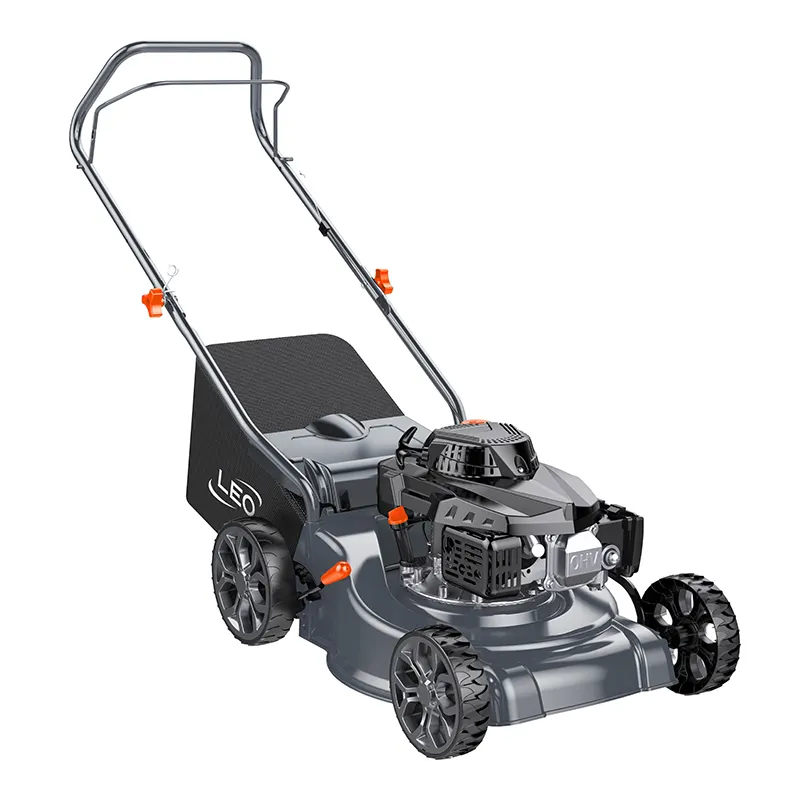 Routine oil and air-filter checks help support reliable seasonal operation.
For long-term engine maintenance, record the date and hours if your mower has an hour meter. This small note removes guesswork when several people use the same outdoor equipment.
Keep the air filter clean and correctly fitted
An air filter protects the carburetor or intake system from dust and grass debris. A clogged filter can make a gasoline lawn mower run rich, lose responsiveness, smoke, or become harder to start. Inspect it more often when mowing dusty ground or dry clippings. Foam and paper filters require different care: some foam elements can be cleaned and re-oiled as specified, while a paper element is usually replaced if it is dirty or damaged. Do not operate the engine without its filter and cover fitted.
Give the fuel system deliberate attention
The fuel system is especially vulnerable when a mower sits unused. Petrol can age, and residues can affect passages in a carburetor. Buy fuel in sensible quantities, use the fuel type specified by the engine maker, and keep the fuel container clean and tightly closed. If your manual permits a stabilizer for storage, add it according to the product directions before fuel sits for an extended period.
At season’s end, follow the manufacturer’s storage procedure for the fuel system. Depending on the engine, that may mean stabilized fuel handled in a prescribed way or a controlled run-down process. Do not guess. Incorrectly storing a gasoline lawn mower with untreated fuel is a common reason a machine needs spring mower repair.
Inspect the spark plug and cooling area
The spark plug is a useful condition indicator and a normal service item. With the lead disconnected, inspect the plug according to the manual for wear, deposits, or damage; replace it at the stated interval with the specified type and gap. Do not force threads or improvise a gap. At the same time, brush loose debris from the recoil housing, screen, and cooling areas while avoiding water where the manual prohibits it. Good airflow helps a gasoline lawn mower control heat during long cuts.
Do not overlook the blade, deck, and controls
Engine health and cutting health are connected. A dull or damaged blade makes the engine work harder, while a deck packed with damp grass restricts performance. Disconnect the spark plug before cleaning under the deck. Inspect the blade and its mounting hardware, but leave sharpening, balancing, or replacement to the manual or a qualified technician if you are unsure. Check throttle, drive, and safety controls for free movement. This is practical outdoor equipment care, not cosmetic tidying.
Build a seasonal maintenance calendar
- Before each use: check oil, fuel leaks, guards, controls, and obvious debris.
- During the season: follow the manual for oil, air-filter, spark-plug, and blade service intervals.
- After muddy or heavy mowing: clean the deck and cooling area once the machine is safe to handle.
- Before storage: complete the manual’s fuel-system procedure, clean the gasoline lawn mower, and store it in a dry, ventilated location away from ignition sources.
Know when to call a service professional
Routine care prevents many issues, but it does not replace diagnosis. Seek professional mower repair for repeated hard starting after correct basic service, fuel leaks, excessive vibration, blue or heavy smoke, loss of compression, damaged safety systems, or metal-on-metal sounds. A technician can determine whether the cause is ignition, carburetion, valve train, governor, or another internal issue without turning a minor fault into a larger one.
Make maintenance part of every mowing season
The longest-lived gasoline lawn mower is rarely the one with the most complicated routine. It is the one whose owner checks oil, keeps the air path clean, manages the fuel system carefully, and acts on small changes early. Put the manual’s service dates on your calendar, keep a short record of work completed, and treat maintenance as part of using your gasoline lawn mower, not a chore reserved for breakdowns.


 Hot News