
 EN
How Do Garden Machinery Manufacturers Ensure Product Reliability?
For an importer or distributor, a machine that looks sound at sampling can still create trouble after a container arrives: a loose fastener, an inconsistent switch, a part that wears early, or a manual that does not match the delivered version. That is why evaluating a garden machinery manufacturer is not simply a matter of comparing a quotation and a product sample. Reliable products come from a connected control system that starts with suppliers and continues through design review, production, testing, and field feedback.
There is no single inspection that proves reliability. A useful supplier review asks whether the factory can show how it controls variation at each stage. This matters especially for seasonal garden-equipment programmes, where a distributor may have limited time to correct a batch issue before the selling season begins.
Reliability Begins Before Assembly
A capable garden machinery manufacturer first defines the parts and materials that are critical to a model’s intended use. For a mower, shredder, tiller, or water pump, those items may include safety-related switches, fasteners, blades, housings, motors or engines, wiring, bearings, and packaging components. The point is not to assume that every supplied part is identical from one delivery to the next. The point is to identify what must stay consistent and set an acceptance method before production starts.
Supplier management therefore has two layers. The commercial layer checks capacity, lead time, communication, and traceability. The technical layer checks drawings, material requirements, samples, change control, and incoming inspection. If a component supplier proposes a substitute, a disciplined factory should assess the effect before it reaches the line. A substitution may be harmless, but it may also change fit, vibration behaviour, heat resistance, or service life. Asking how a factory records and approves such changes is often more revealing than asking whether it has “strict quality control.”
Manufacturing Standards Make Work Repeatable
Clear manufacturing standards turn a design into repeatable work. They normally include approved bills of materials, assembly instructions, torque requirements where relevant, inspection points, test criteria, labelling rules, and records that link a batch to its components. At this level, product quality is built into the process rather than inspected in only at the end.
ISO 9001:2015 provides a widely used quality-management framework centred on monitoring, measurement, performance evaluation, and evidence-based improvement. It does not make a particular machine reliable by itself. Instead, its logic helps a manufacturer establish whether procedures are followed, whether results are recorded, and whether recurring problems lead to corrective action. When reviewing a garden machinery manufacturer, buyers can ask to see the actual process evidence that applies to the proposed product, not merely a broad statement about a management system.
Good line controls also make it easier to contain a problem. For example, an operator or inspector who finds an out-of-tolerance part should be able to identify affected units, separate them, investigate the cause, and document the decision. That discipline protects consistency between an approved sample and later production batches.
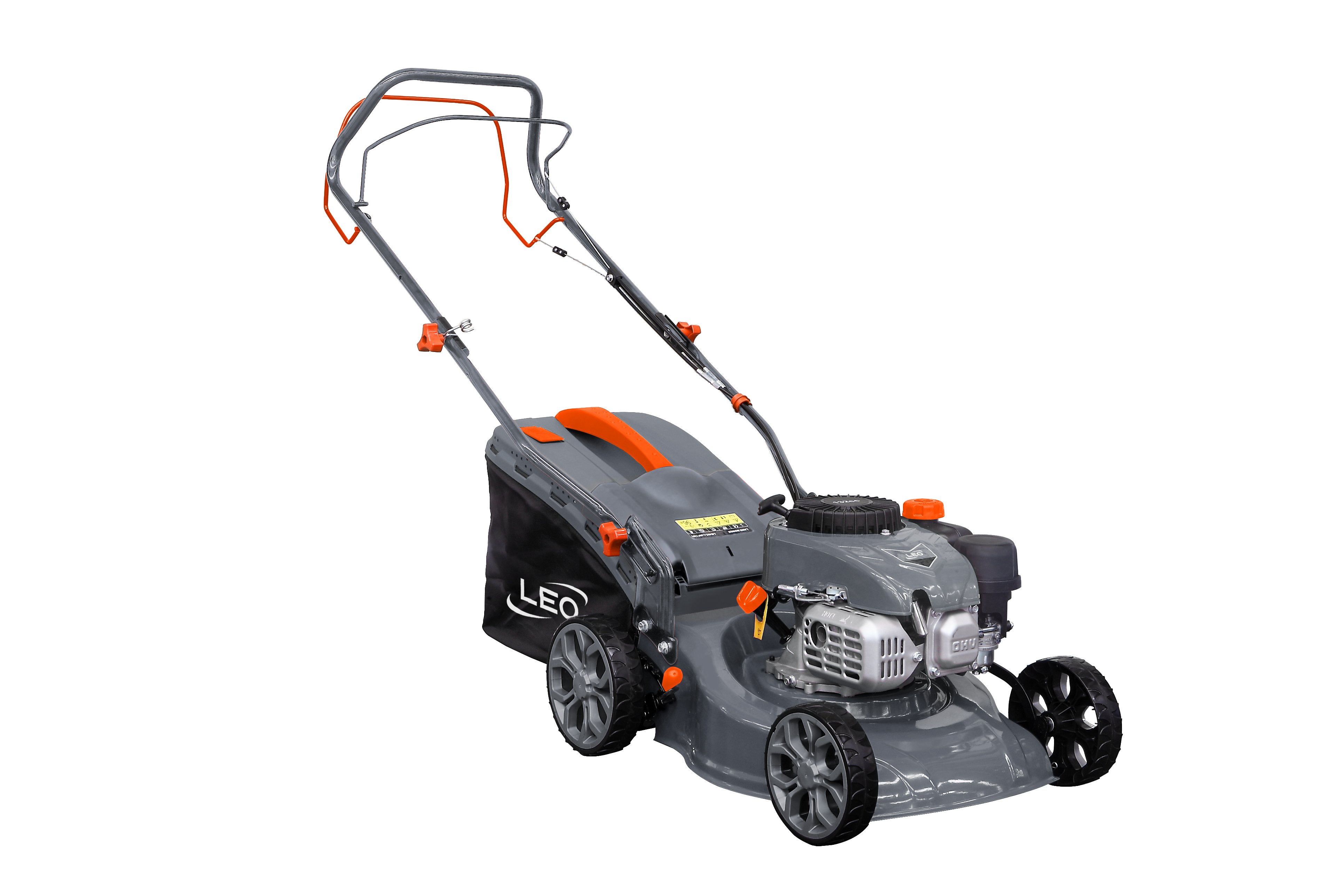 Inspection controls help connect documented assembly requirements with product quality.
Durability Testing Should Reflect Real Use Conditions
Durability testing is where a factory checks whether a machine can withstand the conditions it was designed to face. The exact test plan varies by product and market. It may include repeated operating cycles, vibration exposure, thermal loading, start-stop cycling, load testing, transport-packaging checks, or checks after assembly and final adjustment. A meaningful test is not just a long-running machine on a bench; it is a documented test with a stated condition, acceptance criteria, observations, and a response when something does not pass.
Buyers should be cautious about treating a single laboratory demonstration as a full reliability verdict. It depends on the use case. A residential mower, a ride-on model, and a garden shredder encounter different duty patterns, materials, terrain, and maintenance behaviour. The productive question for a supplier is: which foreseeable stresses does this test represent, and which does it not represent? That measured approach is more useful than unsupported claims about lifespan.
For equipment supplied into the European market, conformity responsibilities add another layer of discipline. Where CE marking applies, the manufacturer is responsible for carrying out the applicable conformity assessment, preparing technical documentation, issuing an EU declaration of conformity, and affixing the marking. CE marking is not a general product-quality certificate, but the documentation process can require a manufacturer to make design, safety, and compliance evidence easier to review.
Final Inspection Is a Gate, Not the Whole System
Final inspection remains important because it catches visible defects, functional faults, wrong labels, missing accessories, and packaging errors before shipment. A dependable garden machinery manufacturer will define what each inspector checks and how nonconforming units are identified. For a distributor, it is worth confirming whether final checks are recorded by batch, whether samples are retained when appropriate, and how rework is separated from released goods.
Still, final inspection cannot reliably compensate for a weak upstream process. It may catch a missing screw, but it may not reveal an unapproved material change or a fatigue issue that appears after extended use. The stronger model is layered: qualified suppliers, incoming checks, controlled assembly, in-process verification, functional testing, and a final release review.
Field Feedback Closes the Reliability Loop
Reliable manufacturing continues after dispatch. Warranty claims, dealer comments, service-part requests, and return reasons can reveal patterns that line testing did not expose. A garden machinery manufacturer should collect those signals in a form that engineers and production teams can act on: product version, batch, operating condition, failure description, and corrective action. Without that link, the same issue can recur under a new purchase order.
This is also where the relationship with the supplier matters. A factory that communicates clearly about containment, root-cause analysis, replacement parts, and preventive changes gives its distribution partner more control over the customer experience. Product quality is therefore not only the condition of a unit leaving the factory; it is the manufacturer’s ability to learn from the units already in service.
A Practical Reliability Review for Buyers
Before approving a programme, use a focused evidence request. Ask the garden machinery manufacturer to explain:
- which components are classified as critical and how each supplier is evaluated;
- how manufacturing standards, drawings, and approved materials are kept current on the production line;
- what durability testing is performed for the proposed model and what the acceptance criteria are;
- how incoming, in-process, and final inspections are recorded and linked to batches;
- how engineering changes, nonconforming units, and corrective actions are controlled; and
- how warranty and service feedback is analysed and fed into future production.
The answer should be supported by relevant records, product documentation, and a clear explanation of responsibilities. A garden machinery manufacturer that can show this chain of control is giving a buyer something more useful than a promise: a way to evaluate how reliability is managed over time.

 Hot News