
 EN
What Are the Differences Between Shredding and Mulching Garden Waste?
A garden shredder and mulch often appear in the same conversation, but they describe different parts of the job. A garden shredder reduces bulky material into smaller pieces. Mulching is the practice of placing suitable material on the soil surface to protect and improve a planting area. The output from a garden shredder may become mulch, but it can also become composting material or simply be easier to manage.
From a garden-machinery technical-consultant perspective, the useful question is not “Which word is right?” but “What do I need this material to do next?” That distinction helps a gardener choose a shredding machine, prepare garden waste safely, and avoid putting the wrong material in a bed or compost pile.
What does a garden shredder actually do?
A garden shredder is a size-reduction tool. Depending on its design and stated capacity, it cuts, crushes, or tears prunings, dry stems, leaves, and other garden waste into smaller pieces. This makes a pile less bulky and increases the surface area exposed to air and moisture. It does not automatically turn material into finished mulch or finished compost.
Different machines suit different feedstocks. Some garden shredder designs are intended mainly for smaller woody prunings; others are aimed at softer, leafy material. Check the manufacturer’s instructions for permitted materials and branch size rather than assuming any garden shredder can accept wet vines, thick branches, stones, soil-covered roots, or every type of hedge trimming.
What is the mulching process?
The mulching process happens after material has been gathered or processed. A mulch is spread over the soil around plants. Suitable organic mulch can help moderate soil moisture loss, reduce exposed soil, and gradually add organic matter as it breaks down. A garden shredder can create a more manageable mulch feedstock, particularly from dry leaves and small prunings, but the material still needs to be placed correctly.
Keep organic mulch clear of trunks and plant stems. Material held directly against them can retain excess moisture where it is not wanted. Also consider the texture: coarse wood chips may suit paths or established ornamental beds, while finer pieces may be more appropriate where a lighter surface layer is wanted. The right result depends on the planting area, material type, and local growing conditions.
Shredding versus mulching: the practical difference
| Question | Shredding | Mulching |
|---|---|---|
| What is it? | Mechanical size reduction, often using a garden shredder. | Using organic or other suitable material as a soil-surface layer. |
| Primary aim | Make bulky garden waste smaller and easier to handle. | Cover and support the soil around plants. |
| Typical inputs | Prunings, twigs, leaves, and plant debris that the machine is rated to accept. | Prepared chips, leaf mold, compost, or other appropriate mulch materials. |
| End point | Smaller particles. | A managed layer in a garden bed or around shrubs and trees. |
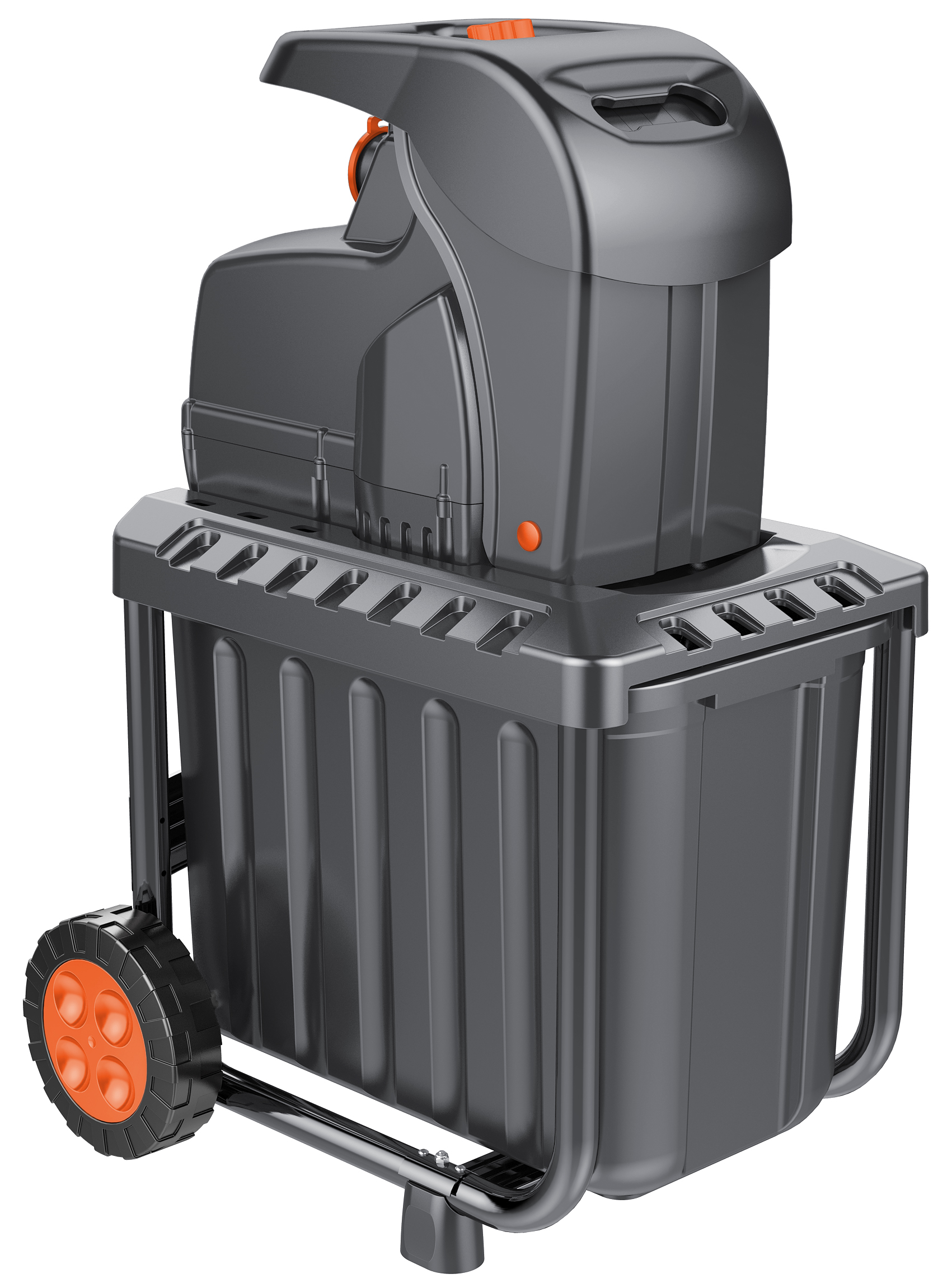 Shredding reduces suitable garden debris before it is sorted for composting or surface mulch.
So, shredding is an action; mulching is an application. A garden shredder may support the mulching process, but it is not the mulching process itself. This is why a product may be marketed with overlapping “shredder,” “chipper,” or “mulcher” language. Read the specification and focus on what it processes and where its output is meant to go.
Can shredded garden waste go into compost?
Often, yes. A garden shredder can help prepare composting material by making woody pieces smaller. Smaller pieces are easier to mix through a pile and tend to break down more evenly than large branches. Woody material is generally slower to decompose than soft green plant matter, however, so it is useful to mix it with appropriate nitrogen-rich materials and maintain air and moisture rather than expecting a pile of chips to become compost quickly.
A practical rule is to separate materials before using a shredding machine. Keep diseased plant material, invasive weeds carrying seed, plastic ties, wire, stones, and animal waste out unless a local authority or a trusted garden adviser says they are suitable for your chosen disposal route. A garden shredder is not a substitute for material sorting.
When should you shred, mulch, or do both?
Choose shredding first when storage and handling are the problem
Use a garden shredder when a pruning session leaves an awkward pile of twigs, stems, and leaves. The reduced volume can make collection, composting, or transport easier. If the material is very wet or fibrous, pause and check the machine guidance; forcing unsuitable feedstock through a garden shredder can cause blockage and make cleaning more difficult.
Choose mulching when the soil surface needs coverage
Use the mulching process when the goal is to cover bare soil around established plants. Select a material texture that fits the bed and spread it with space around stems. Freshly shredded material may be useful in some situations, but a gardener should consider how coarse it is, how quickly it is likely to settle, and whether a more mature compost is preferable for the intended bed.
Use both when you want to turn cleanup into a resource
For many gardens, the sequence is simple: sort the garden waste, process suitable dry material in a garden shredder, then choose the end use. Reserve some coarse pieces for a surface mulch, add suitable smaller material to the composting material mix, and dispose of unsuitable material through the correct local route. This approach is more useful than treating every output from a shredding machine as identical.
How to choose a garden shredder for your waste stream
- Start with material: list the branches, leaves, hedge clippings, and stems you produce most often.
- Check the stated feed capacity: do not size a garden shredder from a single large pruning day if routine waste is mostly light leaves.
- Consider output use: if the goal is composting material, manageable mixed particle sizes may matter more than a decorative-looking chip.
- Plan for safe workflow: use the supplied hopper or feed tool where required, wear suitable eye and hearing protection, and isolate power before clearing a blockage.
- Think about storage and cleanup: a garden shredder that fits your normal volume and can be maintained according to its manual is usually the more sensible choice.
Bottom line
A garden shredder reduces garden waste; mulching places appropriate material on the soil; composting turns suitable organic matter into a mature soil amendment over time. Use a garden shredder when size reduction will make your work easier, then choose the mulching process or composting route based on the material and the destination. That small change in sequence makes equipment selection and garden cleanup more deliberate.
 Hot News