
 EN
How to Choose Garden Machinery for Professional Landscaping Companies?
For a landscaping company, choosing garden machinery is not a retail-style decision about the lowest purchase price. A machine that saves a little at ordering can cost far more when a crew loses a morning to a breakdown, a missing part, or a tool that does not suit the site. What matters in practice is whether each machine can complete the workload, be maintained between jobs, and stay available through a demanding season.
Professional teams need a fleet that fits their contracts: open commercial lawns, tight residential gardens, wet turf, slopes, pruning waste, and repeated transport between sites. That is why the right garden machinery selection starts with work conditions, then narrows to durability, service access, operator comfort, and total cost of ownership.
Start with the work your crews actually perform
Before comparing models, map a typical week of garden maintenance. List the areas maintained, turf condition, terrain, access widths, travel time, seasonal peaks, and tasks that currently slow the crew. A team maintaining broad, open grounds has different needs from a team moving through small properties with access points, beds, and narrow paths.
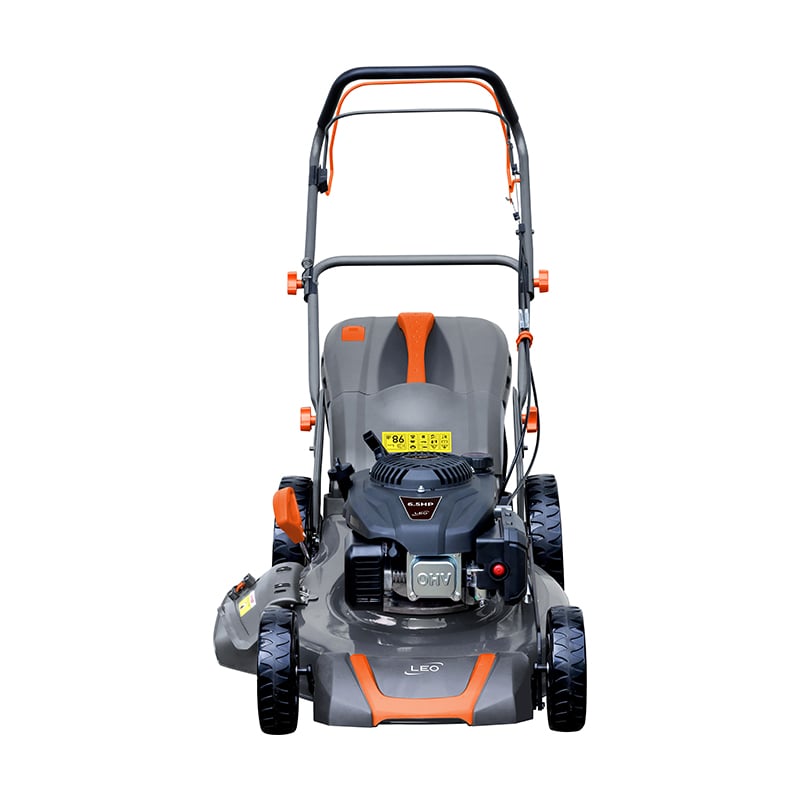
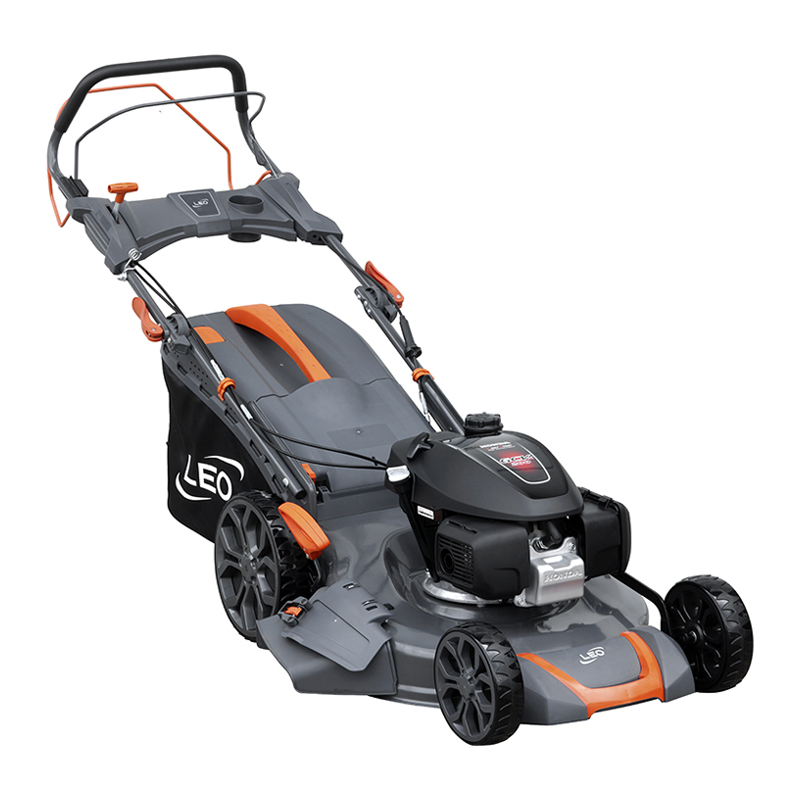
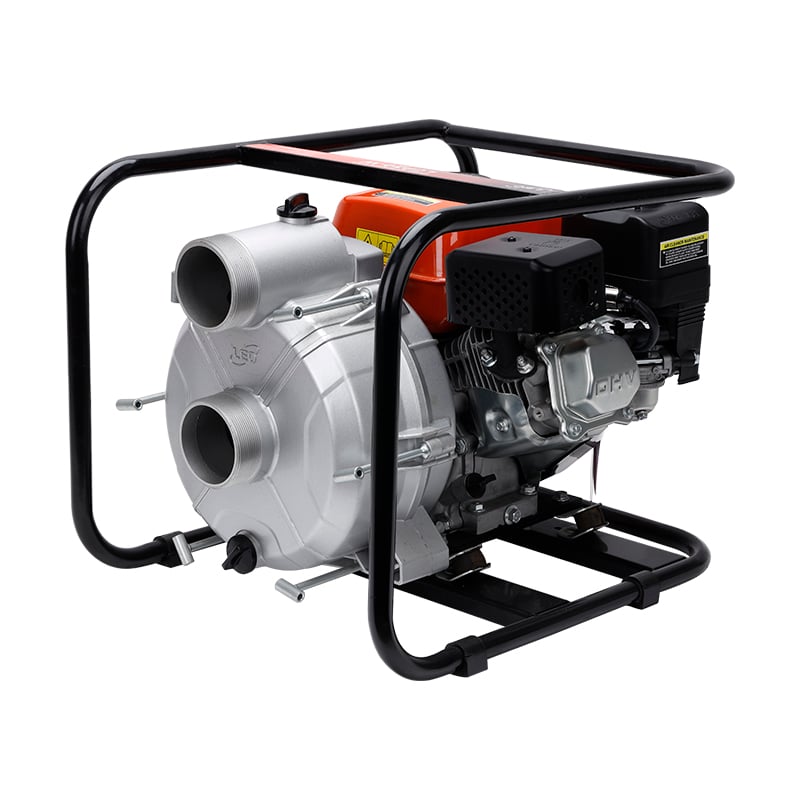
Separate the fleet by workload rather than trying to make one machine cover every task. Core landscaping tools may include walk-behind or ride-on mowing equipment, shredders for pruning waste, tillers for soil work, and water pumps where irrigation or drainage is part of the contract. The important point is capacity matching: a larger cutting width can reduce passes on open turf, but it can become a liability where turning room and access are limited.
Ask one direct question before choosing each item of garden machinery: what is the longest, hardest job it must complete without creating a bottleneck? The answer usually makes the deciding constraint clear: run time, traction, cutting width, collection capacity, branch handling, or transport weight.
 Match machinery capacity to the terrain, workload, and access conditions of each contract.
Choose power systems around daily utilisation
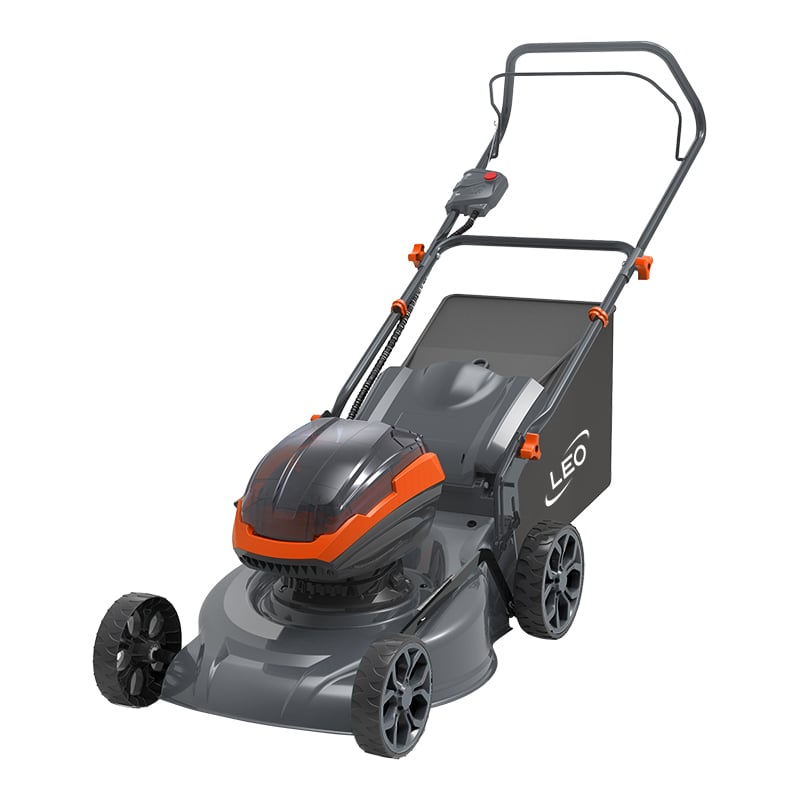
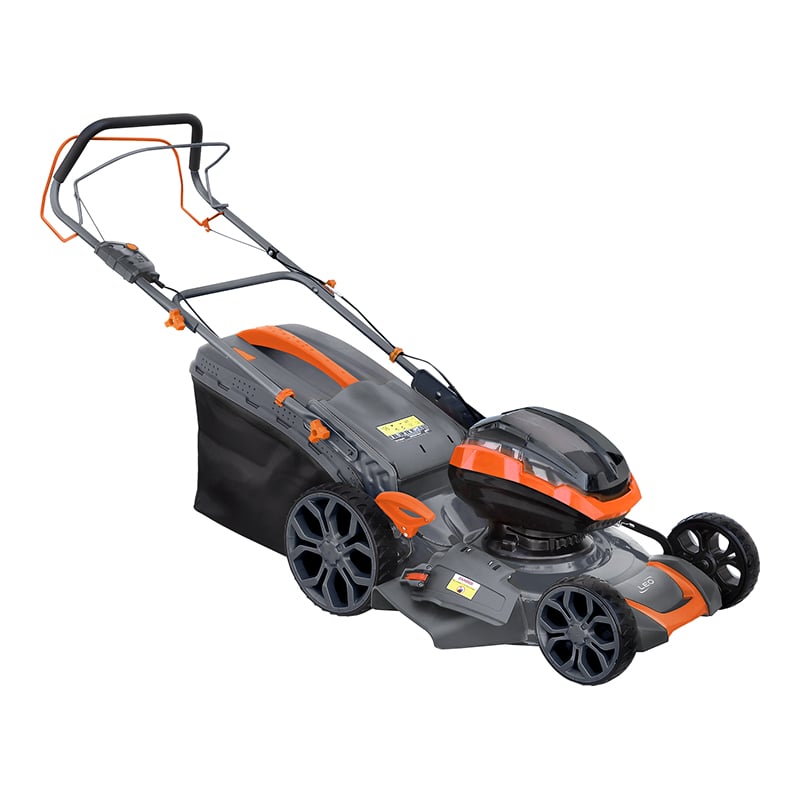
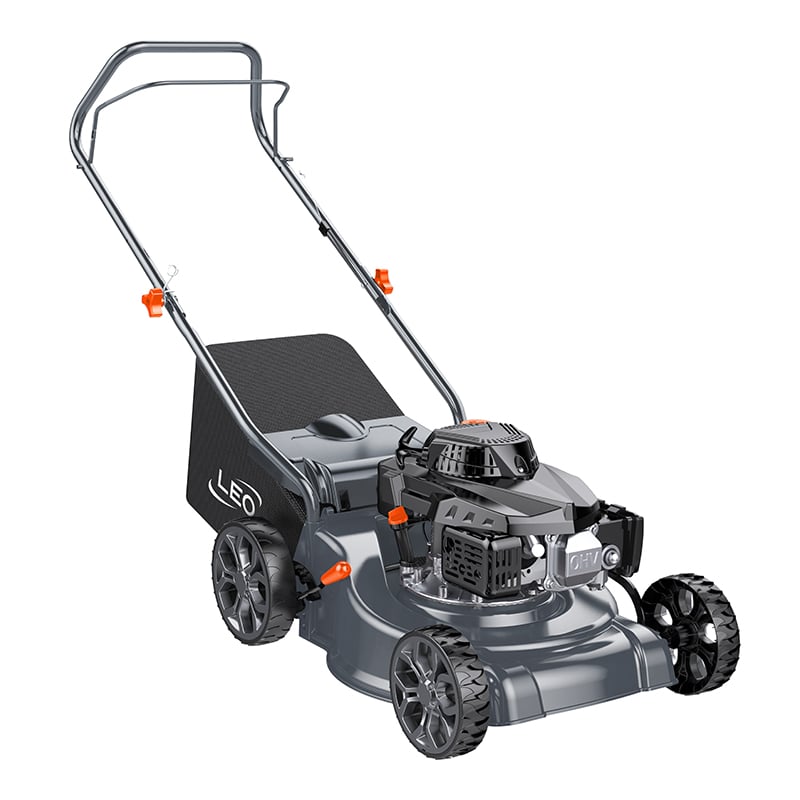
Petrol, cordless, and electric options can all have a place in professional equipment planning. Petrol-powered garden machinery may suit extended work cycles, remote sites, and workloads where continuous power matters. Cordless equipment can simplify work in noise-sensitive locations and removes cable management, but the fleet plan must include enough batteries, charging capacity, and a realistic rotation system for a full route.
It depends on the job mix. A cordless mower may be a sensible part of a residential crew’s equipment set, while a high-utilisation team working large areas may need a different power strategy. Do not compare battery capacity or engine size in isolation. Review the complete operating pattern: turf density, gradients, travel between sites, attachment use, charge or refuelling time, and the chance of backup equipment being available.
For professional equipment, downtime is often more damaging than a modest difference in purchase price. A practical fleet plan pairs high-use garden machinery with a service schedule, spare consumables, and a contingency for a machine that is temporarily out of service.
Prioritise build quality, serviceability, and operator comfort
After a full day of use, what begins as acceptable handle vibration can affect grip comfort and concentration. This may not appear prominently on a specification sheet, yet it matters when operators work across several client sites. Evaluate handle design, controls, balance, drive assistance, seat adjustment where relevant, vibration management, and how easily an operator can make routine adjustments.
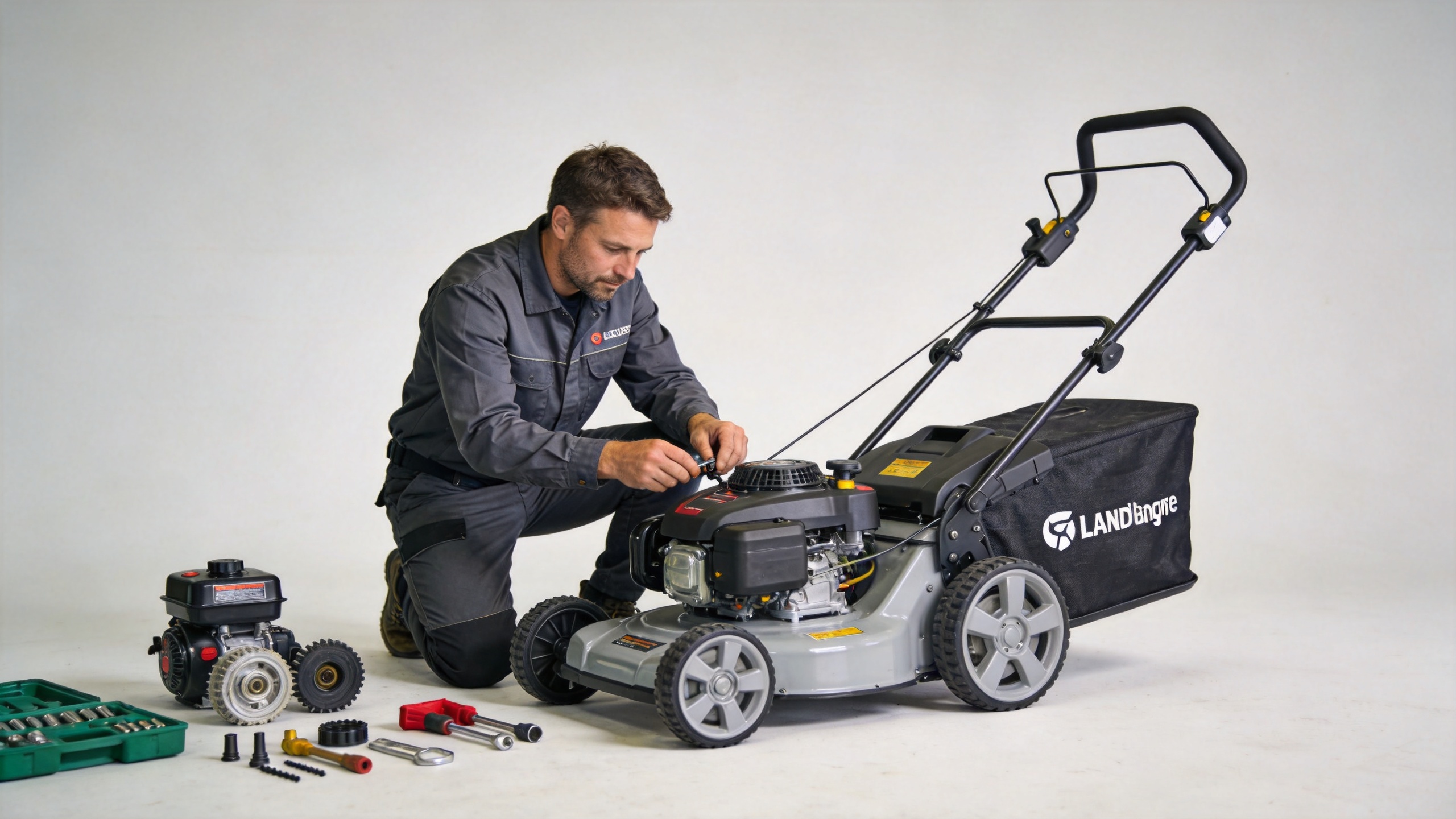
Then inspect the service side of the garden machinery. Can a technician reach filters, blades, belts, bearings, and wear parts without excessive disassembly? Is there a clear maintenance schedule? Can the supplier provide parts identification and technical documentation? Parts availability deserves as much attention as headline specifications because a machine that cannot be repaired promptly cannot contribute to productive garden maintenance.
For landscaping companies, it is useful to turn this into a supplier questionnaire. Ask a potential machinery supplier about recommended service intervals, common consumables, parts lead times, warranty process, training materials, and the route for technical support. Written answers make it easier to compare suppliers on operational readiness rather than brochure language.
Evaluate the total cost, not just the invoice
Commercial equipment guidance commonly frames the decision around total cost of ownership: durability, maintenance, fuel or battery costs, and the way a maintenance plan supports working life. Apply that logic to every major piece of garden machinery. Include purchase cost, routine maintenance, consumables, fuel or electricity, transport, training time, expected repair work, and the cost of a missed job when equipment fails.
The price tag is usually the first number people see. In a landscaping fleet, the more useful comparison is cost per productive operating hour. A lower-cost machine may be appropriate for occasional work, but a high-use role may justify stronger construction, easier servicing, and a parts plan. That is a selection judgment, not a universal rule; the duty cycle and the consequences of downtime decide it.
| Selection area | What to check | Why it matters |
|---|---|---|
| Workload fit | Site size, terrain, material type, daily hours | Helps match capacity to real jobs |
| Serviceability | Access to routine maintenance points and parts support | Reduces avoidable downtime |
| Operator factors | Controls, vibration, manoeuvrability, transport weight | Supports safe, consistent work |
| Supplier support | Documentation, parts process, warranty communication | Improves fleet continuity |
Check safety and market requirements early
For equipment intended for EU markets, documentation should be part of the selection process rather than an afterthought. Regulation (EU) 2023/1230 addresses machinery requirements and the CE-marking process. Buyers should confirm the current requirements that apply to the equipment and market, together with instructions, declarations, and any required technical documentation. A capable machinery supplier should be able to explain what documentation accompanies the product without making unsupported compliance claims.
Operational safety also affects selection. Guarding, emergency controls, safe feeding arrangements for shredders, clear operating instructions, and staff training are all part of making garden machinery workable in a commercial setting. Build these checks into procurement approval and crew induction.
Use a site trial and a fleet checklist before committing
A trial on representative terrain is more useful than a showroom comparison. Test the garden machinery on the turf, slope, obstacles, or green waste that crews handle regularly. Observe setup time, manoeuvrability, cut or processing consistency, operator fatigue, and the time required for routine checks. Record the result using the same checklist for each option.
- Define the primary workload and peak-day demand.
- Match capacity, power system, and attachments to that workload.
- Review comfort, safety controls, and routine maintenance access.
- Verify documentation, spare-parts support, and the warranty route.
- Compare total operating implications before selecting professional equipment.
Make the selection a repeatable business decision
The most useful garden machinery is not necessarily the one with the longest feature list. It is the equipment that matches a crew’s sites, survives its duty cycle, and can be kept in service with realistic maintenance and parts support. By treating landscaping tools as a planned fleet rather than isolated purchases, companies can make garden maintenance more predictable and give operators equipment suited to the work in front of them.
When reviewing a machinery supplier, bring the site checklist, expected use hours, and service questions to the conversation. It turns a general comparison into a decision that supports steadier work across the season.
 Hot News