
 EN
Why Is Mulching an Important Step in Professional Landscaping?
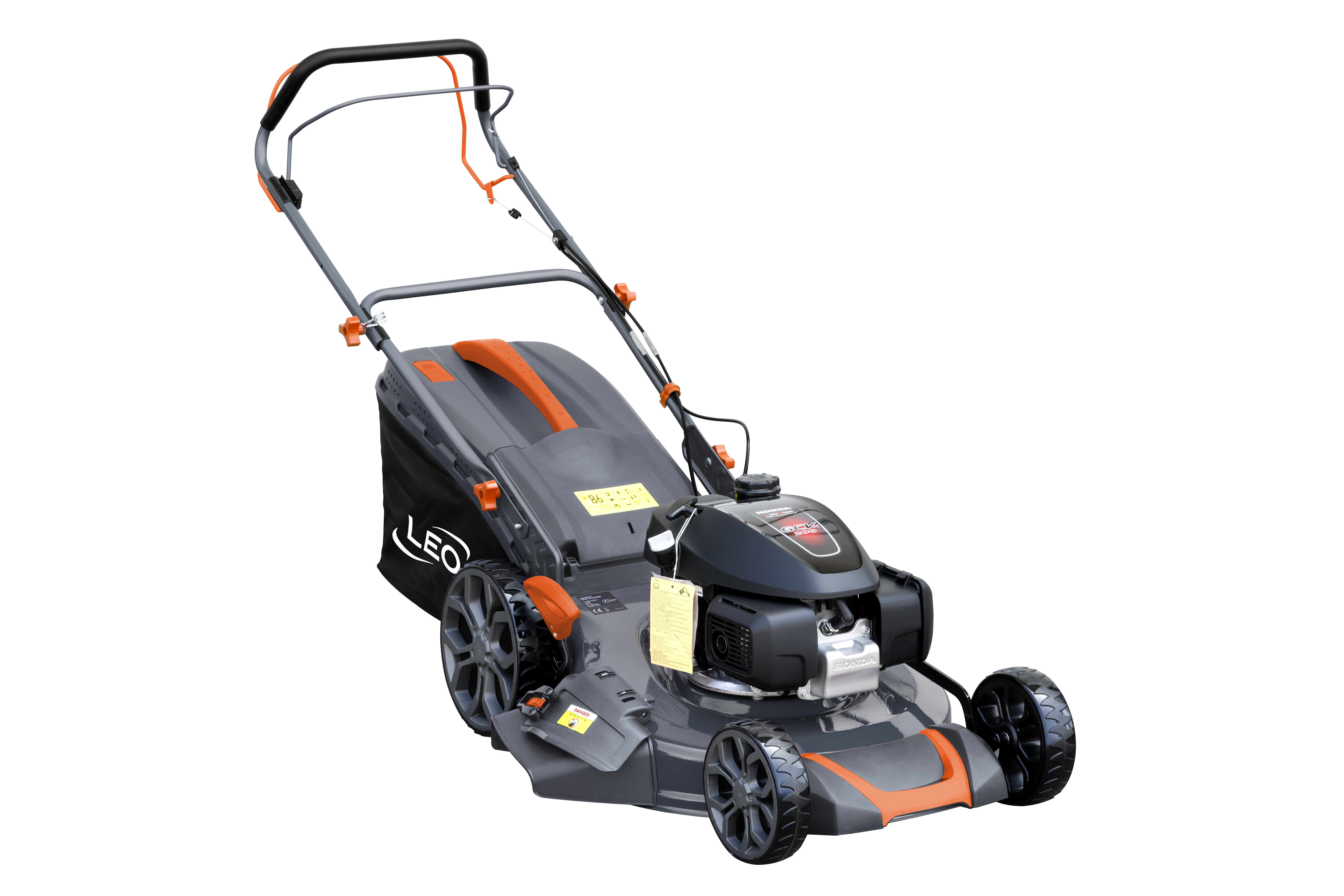
On a working landscaping site, mulching is not merely the last decorative task. It is a practical way to manage organic material, protect prepared soil, and give a site a finished appearance. A garden mulcher can turn suitable pruning residues and dry plant matter into a usable resource, while correctly placed organic mulch supports the planting work that follows. The value comes from the whole process: choosing clean material, producing an appropriate particle size, applying it thoughtfully, and returning to inspect the bed as it settles.
Mulching connects cleanup with long-term site care
Professional landscaping creates green waste during pruning, seasonal bed work, hedge trimming, and storm cleanup. Without a plan, branches and leaf litter become a transport and disposal issue. With sensible garden waste management, some suitable material can be processed close to where it will be used. A garden mulcher reduces bulky material into smaller pieces that are easier to handle, stage, and spread.
Not every piece of green waste belongs in a mulch bed, however. Diseased plant material, invasive weeds with viable seed, chemically contaminated debris, or material that is too wet for the intended machine needs a different route. The crew should separate inputs before using a garden mulcher. That simple decision protects planting areas and reduces avoidable blockages during landscape mulching.
Why a mulch layer matters after installation
A prepared planting bed loses water from its surface through evaporation. Research-based extension guidance explains that mulch reduces evaporation and helps the soil hold moisture. This is why soil moisture retention is a major operational reason for using organic mulch, especially around new shrubs, perennials, and trees that are establishing roots.
Mulch also moderates rapid surface temperature changes. In practical terms, it helps keep the soil surface from heating and drying as quickly in hot weather, while covering bare ground that would otherwise be exposed to rain impact. Over time, organic mulch breaks down, so crews should plan for periodic replenishment rather than assume one application will last indefinitely.
Mulch also helps a finished bed read clearly from a distance. A consistent mulch surface makes bed edges, plant groupings, and paths easier to read. Yet professional work should not treat appearance as the only goal. The garden mulcher supports a system in which material handling, planting health, irrigation access, and maintenance scheduling work together.
Use the right material and particle size
Different jobs call for different mulch textures. Fine material can settle tightly and may be useful in a composting stream, but it can mat when spread too thickly. Coarser chips may stay more open and are often useful around woody planting, provided they fit the design and maintenance plan. A garden mulcher should be selected for the type and volume of material the crew actually handles, not solely for an advertised capacity.
Before operation, inspect the feedstock for stones, wire, plastic labels, and other debris. Feed material at a controlled pace and follow the operating manual for the machine. The purpose of a garden mulcher is to prepare material efficiently; forcing oversized, wet, or mixed debris through it can create downtime and uneven output. For repeated commercial work, consistent screening and staging are often as important as the machine itself.
Apply mulch for plant health, not just coverage
Once the material is ready, crews need to place it carefully. A commonly cited extension guideline is a layer of organic mulch about 3 to 4 inches deep, but the suitable depth depends on the material, drainage, plant type, and local conditions. A very dense layer can restrict air exchange or shed water, while a sparse layer may leave much of the soil exposed. Inspect the bed rather than relying on a one-size instruction.
Keep mulch pulled back from stems, trunks, crowns, and building surfaces. Mulch piled against a trunk can hold moisture where it is not wanted and make routine inspection harder. A clean ring around the base makes the installation look deliberate and lets water reach the root zone. This attention to placement is what turns output from a garden mulcher into responsible landscape mulching.
 A level mulch layer is kept back from shrub stems for easier plant inspection.
Mulching improves workflow for professional crews
For contractors, the benefit extends beyond the mulch material itself. Using a garden mulcher on suitable material can reduce the volume that must be moved from the site, simplify cleanup sequencing, and create a useful material stream for beds or composting. The crew can schedule pruning, processing, bed preparation, and installation as linked tasks rather than separate visits.
That workflow still depends on practical planning. Estimate the waste volume, identify a clean staging area, confirm the intended use for the processed material, and brief operators on safe feed practices. For large branches, saturated green waste, or sites with uncertain plant health, another processing or disposal method may be more appropriate. A garden mulcher is most useful when it matches the job scope and is part of a clear materials plan.
A practical professional checklist
- Sort green waste before it reaches the garden mulcher; remove debris and isolate unsuitable material.
- Match the machine and feed method to the material type, volume, and working environment.
- Use the processed material only where its texture and cleanliness suit the planting design.
- Check the mulch depth as it is spread, and leave clearance around stems and trunks.
- Review irrigation performance and bed condition during follow-up maintenance visits.
- Plan replenishment because organic mulch changes as it decomposes.
Mulching is a landscape-management decision
The importance of mulching lies in the combined result: more orderly garden waste management, better soil moisture retention, moderated soil conditions, and a more complete visual finish. A garden mulcher helps teams convert suitable onsite material into a workable input, but careful sorting and application determine whether that input benefits the landscape. When crews treat landscape mulching as part of the maintenance plan rather than a final cosmetic step, they can make each visit more purposeful for the site and its planting.
 Hot News