EN
Common Questions About Lithium Ion Lawn Mower Maintenance and Storage.
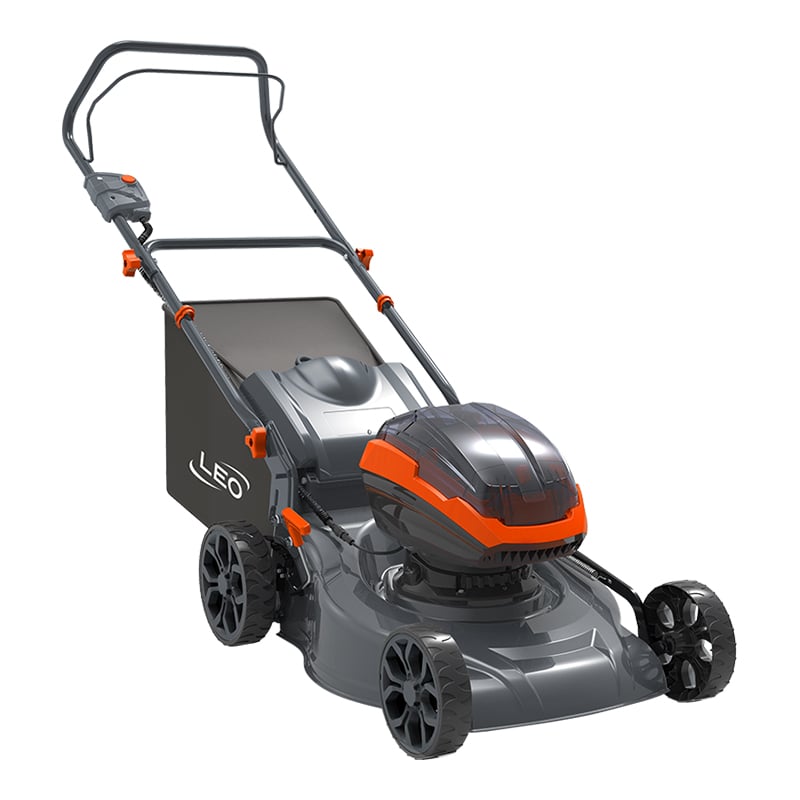
A lithium ion lawn mower does not need fuel or engine oil, but its battery, blade and deck still need attention. A few minutes after mowing can make the next start less troublesome, especially when the machine will sit unused for a season. This maintenance guide answers common questions about charging, cleaning, storage and the signs that call for professional help.
Start with the instructions supplied with your particular machine and battery. Storage temperatures, charge levels and cleaning methods differ across electric tools. If the manual conflicts with a general suggestion below, follow the manufacturer's model-specific instructions.
What should I do after each mowing session?
Switch off the lithium ion lawn mower, wait until the blade has stopped, and remove the battery and safety key if the machine has one. Give a warm pack time to cool before charging it. Brush loose clippings from the deck, wheels and collection area, following the cleaning instructions in the manual. Keep your hands clear of the blade, even with the power source removed.
Wipe the outside of the pack with a dry cloth and check that the battery compartment is free of debris. Do not spray water into vents, contacts or the battery housing. Let damp surfaces dry before storing the equipment. This mower care routine also gives you a chance to spot a cracked housing or loose fastener.
How should I charge the battery?
Use the charger specified for the pack and follow its instructions. Set it on a stable, dry surface with ventilation, clear of combustible materials. Charge within the temperature range stated in the manual; if the battery is hot from work or cold from storage, let it reach an acceptable temperature first. Do not charge a wet pack.
Different models manage charging and long-term storage differently. Rather than assuming that a full charge is appropriate for every model, look up the recommended charge level for your lithium ion lawn mower battery and check it at the interval in the manual. Disconnect the charger as directed. A charger that repeatedly shows a fault deserves attention: inspect the pack and charger without opening either, then contact the manufacturer or a qualified service provider.
Where should I keep the battery between seasons?
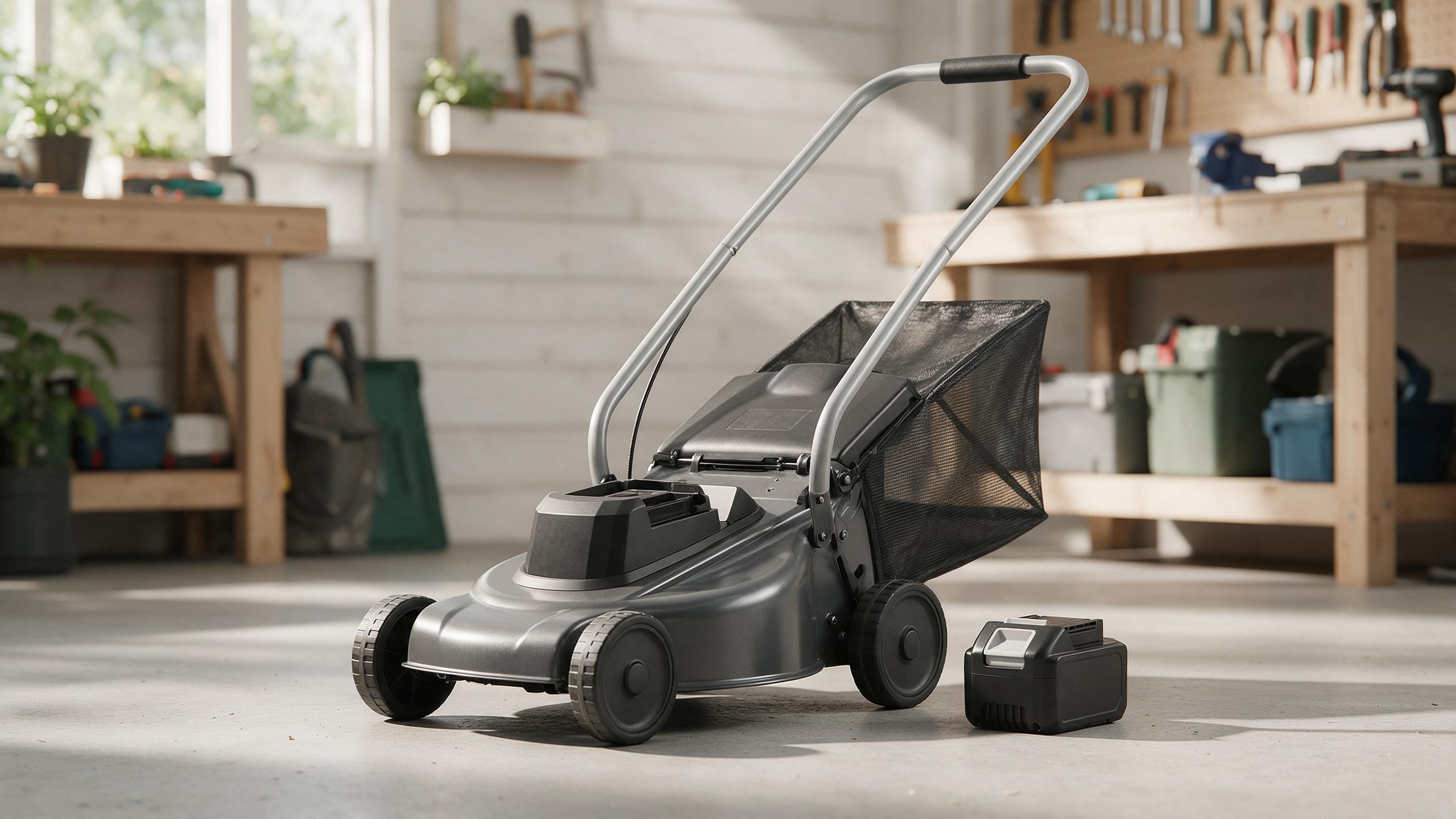
For lithium ion lawn mower battery storage, choose a dry location within the temperature range specified by the manufacturer, clear of direct sun, heaters and moisture. Remove the pack from the mower if the design allows and the manual directs you to do so. Keep it out of reach of children and clear of metal objects that could bridge exposed contacts. Use the supplied terminal cover if one is provided.
A garden shed can be convenient, but is it protected from temperature extremes and condensation? If not, choose another suitable place that meets the instructions for the pack. Store the charger separately in a dry location. Do not wrap a pack in insulating material to warm it, and do not leave it in a vehicle exposed to summer heat.
Before a long break, note the date and the battery's indicated charge. Check the manual for the recommended storage charge and whether it needs periodic inspection or charging. These instructions can differ between brands, so a percentage copied from another model is not a reliable substitute. A removable pack and an integrated battery may also have different storage procedures.
Can I clean the deck with a hose?
Only if the manufacturer's instructions explicitly allow that method for your model. A lithium ion lawn mower contains electrical components that can be damaged by water entering the housing. In many cases a soft brush and a slightly damp cloth used on suitable exterior surfaces are the safer starting point. Keep water clear of the battery, terminals, motor openings and controls, and use a pressure washer only if the manufacturer specifically permits it.
With the battery and safety key removed, follow the manual for safely tilting or positioning the machine. Wear suitable gloves and use a brush or a non-metallic scraper around the underside; do not reach into the blade area without taking the precautions in the manual. Allow the deck to dry before returning the mower to storage.
How often should the blade and other parts be checked?
Inspect the blade, fasteners, wheels, collection bag and controls at the intervals in your manual, and after striking a hard object. A ragged cut, new vibration or an unusual sound is a reason to stop and inspect the machine with power removed. A damaged or bent blade should be assessed by a qualified service provider rather than forced back into shape.
Blade work involves a cutting edge and a part that must be fitted correctly. If you are not equipped to handle it, arrange service. Use only replacement parts specified for the machine, and follow the stated fitting and tightening instructions. Check that safety switches work as described in the manual; do not bypass them to keep mowing.
Why does runtime seem shorter than it used to be?
A shorter session does not automatically mean that the battery needs replacement. Compare similar conditions: long or damp growth, a low cutting height, a clogged deck and a dull blade can increase the load on a lithium ion lawn mower. Cold conditions may also affect performance. Clean the machine safely, check the blade and allow the pack to reach the operating temperature specified by its maker before comparing results.
If the same pack still runs noticeably shorter under similar conditions, record the symptoms and ask an authorised service provider to assess it. Avoid opening the battery or attempting to replace individual cells yourself. When using more than one pack, label each one so that you can identify which pack is showing the problem.
What if the battery is damaged or will not charge?
Stop using and charging a pack that is swollen, leaking, unusually hot, damaged or producing an unusual odour. Do not open, crush or attempt to repair it. Keep people at a distance, avoid touching leaked material and contact the manufacturer or local fire service for situation-specific guidance. If there is smoke or fire, leave the area and call emergency services; do not move a burning pack.
For an ordinary lithium ion lawn mower charging fault without visible damage, check that the contacts are clean and dry and that the charger and pack are compatible. Follow the troubleshooting section of the maintenance guide. If the fault persists, have the equipment inspected rather than improvising with another charger.
How should an old battery be disposed of?
Do not place a lithium-ion pack in household rubbish or ordinary recycling. In the United States, the Environmental Protection Agency recommends a battery collection point or appropriate household hazardous waste facility. Requirements vary elsewhere, so contact your local collection service first. Protect exposed terminals according to the collector's instructions and ask separately how it accepts damaged packs; do not assume a damaged battery can go into a normal drop-off box.
What should I check before the first cut of the season?
Look over your lithium ion lawn mower for loose or damaged parts, make sure the collection attachment and guards are secure, and check the blade condition with the power removed. Inspect the pack and charger, then charge according to the manual. Refit the battery and safety key only when the machine is ready to use. Start in a clear area and stop if you notice abnormal vibration or sound.
For distributors and owners alike, a useful mower care record lists the model, battery type, service contact and storage instructions. Zhejiang Leo Garden Machinery supplies garden machinery for garden and outdoor applications; ask the supplier for the documentation specific to your machine before setting a service schedule.
 Hot News