
 EN
How to Compare Different Garden Machinery Suppliers?
Choosing a garden machinery supplier is not simply a catalogue exercise. For an importer, dealer, or private-label buyer, the real question is whether the supplier can repeatedly deliver the right machines, documentation, communication, and service support after the first container leaves the factory. A useful supplier comparison looks past unit price and turns the decision into a sequence of evidence checks.
From a B2B procurement perspective, start by defining the range you actually need: lawn mowers, ride-on models, shredders, tillers, water pumps, or a narrower launch assortment. Then decide which commercial risks matter most in your market: seasonal arrival dates, local compliance files, parts availability, private-label control, or consistent build quality. That framing gives each garden machinery supplier the same test.
Start with a comparable supplier brief
Send every candidate the same written brief before comparing quotations. It should identify target markets, intended customer segment, projected order mix, required power types, packaging needs, label languages, requested documents, and after-sales expectations. Without the same brief, a low quotation may reflect a thinner specification, a different warranty assumption, or omitted accessories rather than a more efficient garden machinery supplier.
Ask each candidate to separate what is standard from what is optional. This is particularly important when a buyer wants an OEM programme. A private-label project may involve artwork, carton changes, manuals, decals, component choices, inspection points, and spare-parts labelling. Treat every requested variation as a controlled item with an owner, timing, approval method, and cost implication.
Compare capability by category, not by brochure size
A broad brochure can be useful, but it does not prove that every category receives the same engineering attention. During a garden machinery supplier review, ask which models are actively produced, which markets they serve, and how the factory handles model changes. Request a clear model list with current specifications, revision dates, and the documents available for each item.
For a mower, the relevant questions may include cutting-system configuration, deck material, starting method, battery platform, and service parts. For a shredder, they may include the intended material types, safe operating guidance, noise documentation, and the process used to evaluate jams. The goal is not to prescribe a single design; it is to see whether the garden machinery supplier can explain limits, test conditions, and service implications plainly.
Make quality evaluation evidence-based
Certificates and audit summaries are useful starting points, not final proof. A robust quality evaluation asks for examples of how the supplier controls a production run: incoming-component checks, in-process inspection, final functional checks, nonconforming-product handling, and pre-shipment records. If a factory refers to an ISO 9001 quality system, ask how it actually connects a finished machine to its batch, inspection results, and corrective actions. A certificate alone does not demonstrate that level of traceability.
Use a sample order as a small validation project. Agree a sample specification, a checklist, acceptance criteria, and a written record of deviations. Then compare the approved sample with a pilot or first production batch. That exercise usually reveals more than a slide presentation because it tests how the garden machinery supplier handles change control when drawings, packaging, or components move.
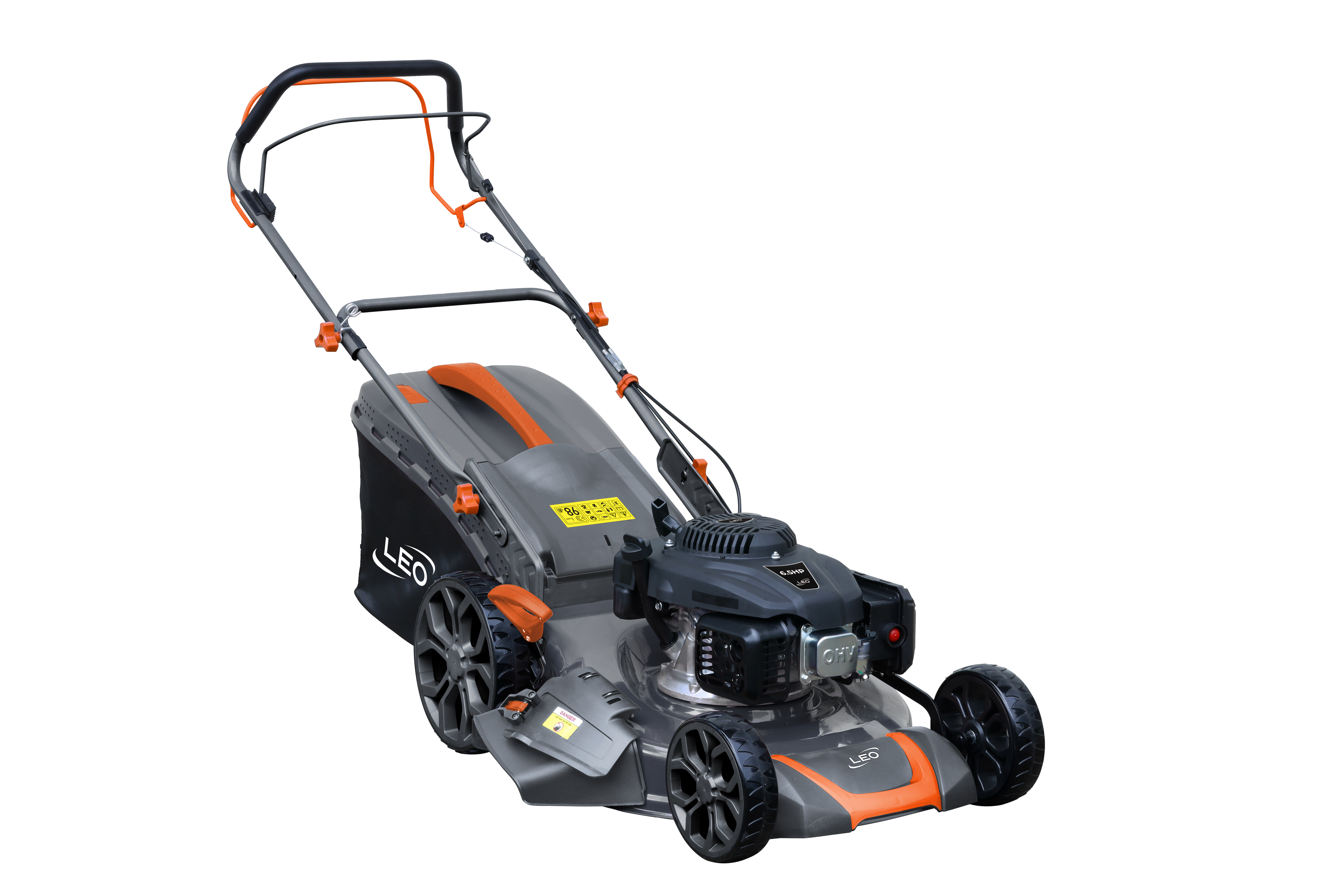 A quality evaluation should connect documented controls with the actual production process.
- Request inspection criteria and a sample final-inspection report.
- Ask how serial, lot, or batch information is retained and retrieved.
- Review how the factory records and closes corrective actions.
- Confirm who approves substitutions before production or shipment.
Verify compliance and documentation early
For machinery destined for the European market, documentation should be reviewed before a purchase order is released, not after cargo is booked. Regulation (EU) 2023/1230 addresses essential health and safety requirements, technical documentation, and conformity assessment for machinery placed on the European market. Your own compliance specialist should determine what applies to each model and destination; a garden machinery supplier should be able to provide model-specific material promptly for that review.
Create a document register covering the exact model, revision, destination, language requirements, marking details, instructions, declarations, test records where applicable, and packaging labels. This protects both sides from assuming that a file issued for one configuration covers another. It also makes a later supplier comparison more transparent: compare response quality, completeness, and revision control, not only whether a logo appears on a document.
Test communication, delivery planning, and service
Procurement friction tends to show up in ordinary tasks: clarifying a specification, approving artwork, reporting a defect, or asking for a replacement part. Give each garden machinery supplier a short, realistic technical question and note whether the response is clear, specific, and traceable. A fast answer that avoids the issue is less useful than a documented answer with the right limitations.
Also request a delivery plan that shows material lead time, production window, inspection timing, booking responsibilities, and contingency communication. For seasonal equipment, ask how the supplier reports slippage and how it manages changes in a container mix. The purchasing guide should include spare-parts planning as well: parts lists, ordering process, expected support period, and how an urgent service request is handled.
Score total value, not only unit price
A practical garden machinery supplier scorecard weights the factors that drive your cost of ownership. You might assign points for technical fit, quality evidence, documentation readiness, OEM control, delivery reliability, communication, spare parts, and commercial terms. Price belongs in the scorecard, but it should not erase the cost of rework, delayed launch, claims handling, or unserviceable stock.
| Evaluation area | Evidence to request | Decision question |
|---|---|---|
| Product fit | Current model specifications and use limits | Does the range match the target customer and market? |
| Quality system | Inspection records, batch identification, corrective-action example | Can the supplier show how consistency is controlled? |
| Compliance readiness | Model-specific documentation register | Can your reviewer validate the intended configuration? |
| OEM execution | Artwork workflow, approvals, change-control process | Are private-label responsibilities explicit? |
| After-sales support | Parts catalogue and service escalation path | Can you support customers after delivery? |
Use a staged decision rather than a single promise
Shortlist candidates from the evidence, validate the preferred option through samples or an audit, and write the first-order controls into the purchase agreement. The right garden machinery supplier is the one whose capabilities match your market, whose records can be checked, and whose team can manage exceptions constructively. That may mean choosing a supplier with a slightly higher initial price when the service, documentation, and production controls reduce downstream uncertainty.
Finally, revisit the scorecard after the first shipment. Compare the original commitments with actual documentation, inspection findings, delivery timing, communication, and early service demand. That closes the loop on the original supplier comparison and gives the next purchasing decision a firmer factual base.

 Hot News