
 EN
Why Is Self Propelled Technology Important for Modern Lawn Mowers?
A self-propelled lawn mower powers its own wheels, so the operator guides the machine rather than supplying all the forward force. That distinction matters when a lawn is large, uneven, or tiring to cross repeatedly. It can make routine cutting more manageable, but it does not turn a walk-behind mower into a machine that steers or works unattended.
Choosing a lawn mower is therefore more than comparing engine power or cutting width. Wheel traction, walking speed, handle controls and the route around obstacles all affect how the machine feels in use. Understanding the drive system helps a homeowner or equipment buyer decide whether the extra mechanism fits the work.
How does a self-propelled drive work?
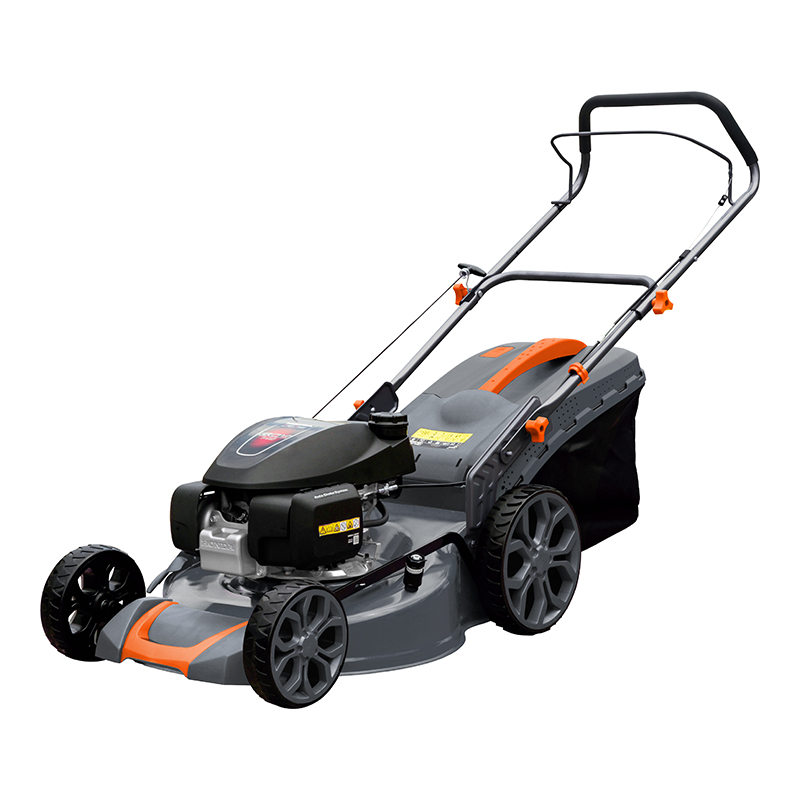
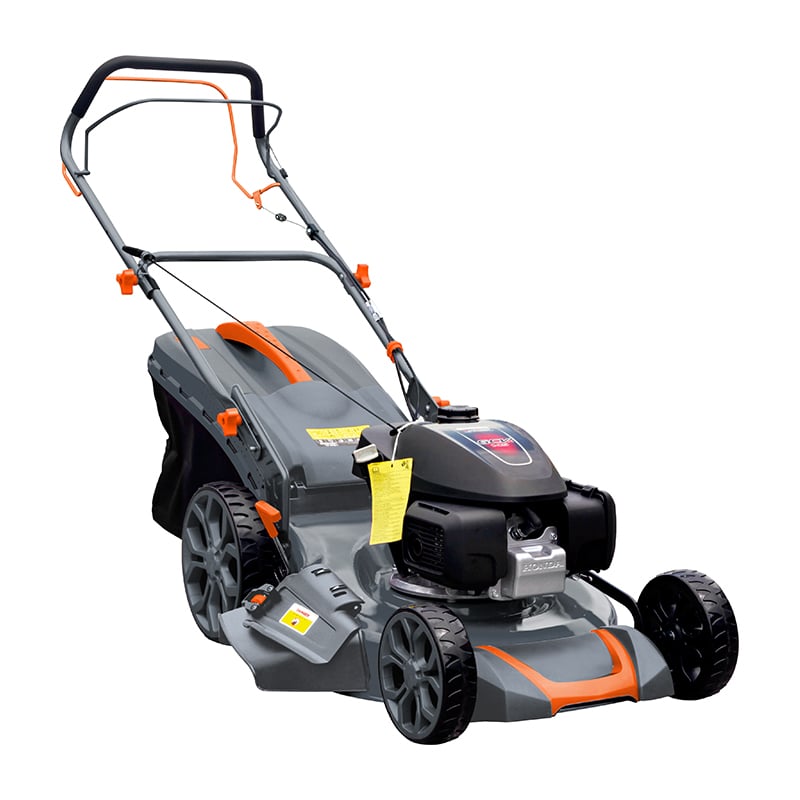
On a conventional push lawn mower, the operator provides the force that moves the wheels. On a self propelled mower, an engine or electric motor supplies power to one or more drive wheels through a transmission. Depending on the design, belts, gears, cables or electronic controls connect the power source to the wheels. The exact arrangement varies by model.
Typically, a handle-mounted lever or control engages forward drive. Releasing it disengages the drive according to the machine's design; the blade and its safety control may operate separately. Check the manual rather than assuming every control behaves alike. Some models offer a choice of speeds, while others use a fixed pace. The operator still steers, manages turns and watches the ground.
Why powered wheels change the mowing experience
Less pushing effort on suitable ground
A self propelled mower can reduce the effort needed to move its own weight, particularly over a long series of passes or on gently rising ground. The benefit is noticeable when a collection bag fills or the machine is heavy. It is not a promise of effortless work: the user must still guide the lawn mower, manage obstacles and retain firm footing.
Consider two otherwise similar lawns. On a small, flat patch, pushing a light machine may be straightforward. On a larger plot with a gradual incline, powered wheels can take more of the repetitive pushing load. Ask how much of the route requires sustained effort, not just how much ground there is.
A pace that fits the operator
Mowing comfort depends on whether the speed feels natural. A pace that is too quick can make the user hurry at the end of a pass; one that is too slow can make an open area feel tedious. Adjustable-speed controls, where available, let a user match forward movement to conditions. Check that the controls are easy to reach and operate while maintaining a relaxed grip.
When comparing garden equipment for several operators, try the handle height, drive engagement and turning action with each person in mind. If a dealer permits a demonstration, test how the lawn mower moves at low speed and how promptly the drive releases. No single control layout suits every hand size or walking style.
Traction where the wheels need it
A drive system can power the front wheels, rear wheels or all wheels, depending on the design. Front drive can be convenient for some turns because the operator may be able to lift the driven wheels slightly, following the manufacturer's instructions. Rear drive can help maintain traction when weight shifts toward the rear, such as with a filling collection bag. Actual grip depends on wheel design, weight distribution, ground conditions and the individual machine.
All-wheel drive can add traction on some uneven surfaces, but it is not a substitute for safe footing or an appropriate slope rating. Wet ground, loose soil and steep banks can challenge any lawn mower. More driven wheels can also add weight, cost or service needs, so compare the whole machine rather than the drive label alone.
Where self-propulsion may be less useful
A small flat lawn with narrow passages and many tight corners may favour a lighter push machine. In confined areas, frequent drive engagement and disengagement may be less convenient than simply pushing. A self propelled mower can still be suitable, but its turning behaviour and ability to move freely with the drive released deserve a close look.
For battery-powered garden equipment, wheel drive also draws energy from the battery. Runtime depends on the machine, terrain, turf conditions and settings; ask for relevant product information rather than assuming a fixed reduction. Petrol-powered machines have their own fuel and servicing requirements. Neither power source makes traction or blade maintenance irrelevant.
What should buyers check before choosing?
- Terrain and route: Walk the site first. Note slopes, narrow entrances, soft areas and the number of turns. Compare them with the lawn mower manufacturer's operating limits.
- Drive control: Check whether the speed is fixed or adjustable, how the drive engages and whether controls remain comfortable throughout a pass.
- Traction and manoeuvring: Ask which wheels are driven and try turning and moving the machine with the drive released, if a demonstration is available.
- Cutting conditions: A mower still needs suitable cutting power and a well-maintained blade. Powered wheels do not compensate for a clogged deck or cutting too much at once.
- Service access: Ask how belts, cables, wheels and replacement parts are inspected or serviced for the particular model. Factor routine maintenance into the purchase decision.
For distributors comparing a lawn mower range, the same checklist can become a set of questions for the supplier: which drive configurations are offered, how are controls adjusted, and what parts and service information accompany each model? Request current documentation for the exact machine; a general category description is not a specification.
Using and maintaining the drive safely
Read the operating instructions before use, clear the area of objects and keep people and pets at a safe distance. For walk-behind models, guidance commonly recommends mowing across a slope rather than up and down, but the specific manual and its slope limits take priority. Do not mow a slope if footing is insecure or the machine's instructions rule it out.
Release the drive before negotiating a tight obstacle, and check down and behind before moving backward as directed by the manual. Shut down the machine, wait for moving parts to stop and disconnect the power source as instructed before inspecting a blockage or performing maintenance. Do not reach under a running deck.
Clean the lawn mower according to its manual and inspect the wheels, drive controls and visible cable or belt condition at the recommended intervals. If drive response changes, arrange appropriate service rather than adjusting unfamiliar parts while the machine is running. These checks support consistent operation and help owners notice wear early.
The practical takeaway
Self-propulsion matters because it shifts some of the work of moving a lawn mower from the operator to the machine. Its value is greatest when the drive system, pace and traction suit the lawn and the person using it. Compare those factors alongside weight, cutting performance and service requirements, and choose the arrangement that makes regular mowing manageable.
 Hot News