
 EN
How Does Lawn Mower Design Influence Operator Comfort?
A lawn mower can cut neatly and still be tiring to use. A handle that forces raised shoulders, a drive speed that sets the wrong walking pace, or a heavy collection bag can turn a straightforward job into a succession of awkward movements. Operator comfort is not a single padded grip; it is the result of how the machine fits the person, the ground and the length of the task.
For a homeowner cutting a small, level lawn, light steering and compact storage may matter most. A grounds team covering several sites may value adjustable controls, service access and an appropriate working pace. A showroom impression tells only part of the story. Consider whether the design makes ordinary movements manageable throughout a typical job.
Handle height and grip shape set the working posture
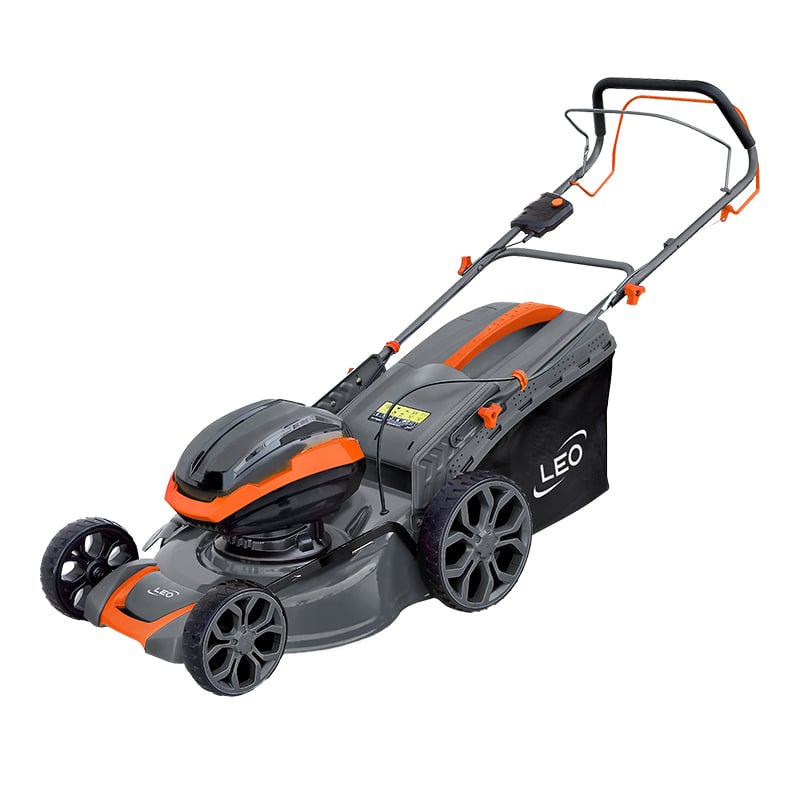
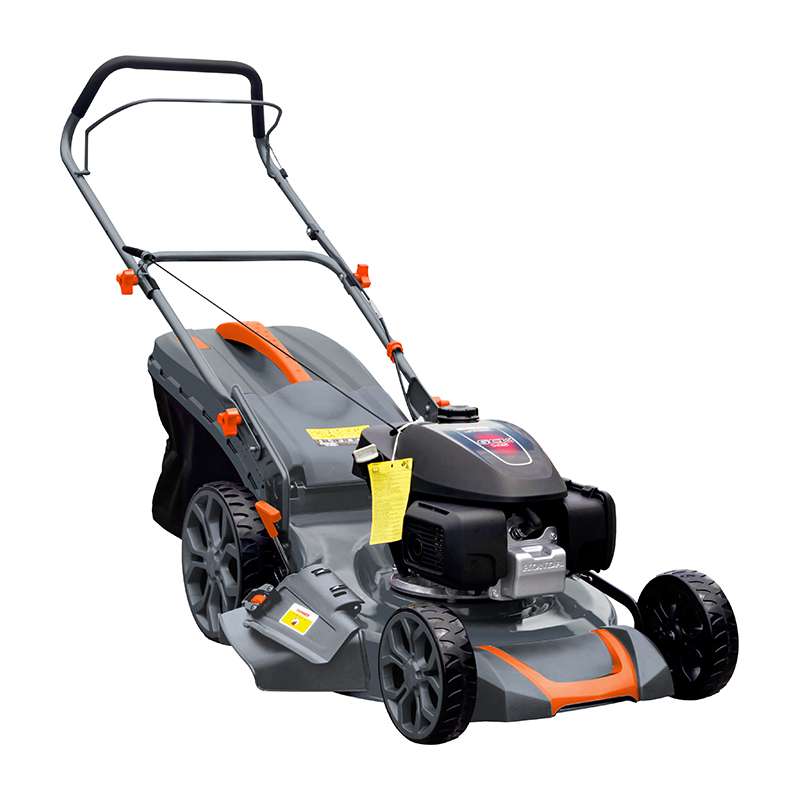
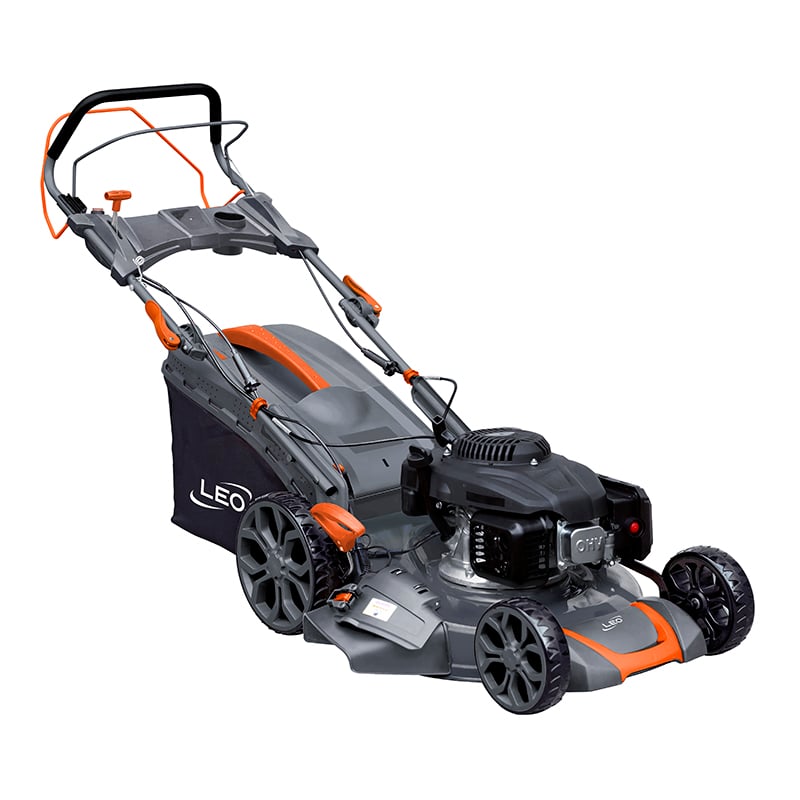
On a walk-behind lawn mower, the handle determines where hands, wrists and shoulders sit as the operator moves. A suitable height lets the user stand relatively upright, with elbows relaxed and enough room to walk without taking unusually short steps. An adjustable handle can help when people of different heights share the machine, provided the available positions actually fit those users.
Grip shape matters as well. A surface that is easy to hold without excessive pressure may feel more natural than a narrow bar that encourages bent wrists. Check whether the operating controls can be reached while holding the handle in a comfortable position. One ergonomic design may suit one person yet feel awkward to another, so try each adjustment rather than treating a label as proof of fit.
Foldable handles can make storage simpler, but the hinges and locking points should also be straightforward to operate. Before adjusting a lawn mower, switch it off and follow the instructions for that model. A comfortable working position should not depend on bypassing a guard or holding a control in an unintended way.
Weight, wheels and drive affect the effort of moving
A push lawn mower asks the operator to provide the force to move it. Weight is only part of that effort: wheel movement, ground conditions and the balance of the machine also affect how it feels when turning or backing into a storage space. A compact machine can be easier to guide around a narrow bed, while a wider deck may cover open ground with fewer passes but require more room to turn.
A self-propelled lawn mower adds drive to the wheels. That can reduce pushing effort, but it does not make steering or manoeuvring effortless. Look for a speed range that suits the person using it and check how smoothly the drive engages. A fast setting may be inconvenient in a confined garden; a very slow setting may frustrate an operator with a longer open route. Where possible, test both straight travel and turns under normal conditions.
Slopes require a separate safety assessment, not just a comfort comparison. Follow the manufacturer's instructions for the particular lawn mower and terrain, and avoid wet or unstable ground. The US Consumer Product Safety Commission advises extra caution on slopes with riding equipment. A seat or powered drive is not evidence that a machine is suitable for every incline.
Vibration, noise and the length of the job
A lawn mower transfers some vibration through its contact points. The amount an operator experiences depends on the machine, its condition, the surface and the duration of use. Loose parts, worn components or a damaged cutting assembly warrant inspection by a qualified service person; stop work if vibration suddenly changes. Do not assume a soft grip alone controls exposure.
For teams using powered equipment regularly, the UK Health and Safety Executive provides guidance on controlling hand-arm vibration in amenity horticulture. Ask suppliers for relevant declared vibration information and consider actual exposure time alongside maintenance and task rotation. Such figures are comparison aids, not a promise of the exposure a particular operator will experience.
Noise is another part of user comfort. Compare the information supplied for the lawn mower under a consistent measurement basis and use suitable hearing protection as directed by the manual and workplace requirements. Sound and vibration are different issues; a machine that appears quieter is not automatically the one with the lowest hand vibration.
Controls and collection change the rhythm of work
Controls should be identifiable and reachable without an awkward stretch. Check the starter, drive lever, cutting-height adjustment and any collection controls with the lawn mower stationary. A control that needs sustained force or requires repeated repositioning may become more noticeable over a longer shift. Keep every safety control enabled during use.
Collection capacity is a trade-off. A larger container can mean fewer stops, but a full container can also be heavier and harder to carry. Examine the lifting points, the path out from the deck and the clearance needed for emptying. If operators routinely work around tight corners, an easily removed container may matter more than maximum capacity. Empty and refit it only after stopping the machine according to its manual.
Deck height adjustment is another detail worth trying. An accessible lever can simplify a change between areas, although the force needed and the range of settings vary by model. Adjusting the mower structure to the task should be practical without placing hands near moving parts.
Ride-on fit is about reach as well as seating
On a ride-on lawn mower, the operator's contact points shift from a handle to the seat, steering and pedals or levers. An adjustable seat can help different users reach the controls while maintaining a stable seated position. Check visibility around the machine, the ease of getting on and off, and whether the controls remain reachable through turns.
Seat padding is only one factor. Surface conditions and the way the machine travels can affect whole-body vibration and comfort. A demonstration over representative ground can reveal issues that a stationary showroom check cannot. Use any restraint or protective structure exactly as specified by the manufacturer, and do not treat comfort features as a substitute for safe operation.
A practical evaluation before choosing
Compare each lawn mower against the actual route rather than a single headline feature. For a small property, try lifting or guiding the machine into its storage position. For a shared fleet, ask several operators to check the handle or seat settings and note where adjustments stop fitting. In either case, carry out any operating demonstration in a suitable area with the seller's guidance.
- Check posture and control reach for the people who will use the lawn mower.
- Try a straight run, a turn and the normal collection routine where a safe demonstration is available.
- Compare drive speed, storage dimensions and service access with the intended workload.
- Request declared noise and vibration information and check the model's operating instructions.
- Confirm the terrain limits and available local service support before purchase.
Zhejiang Leo Garden Machinery supplies garden machinery for garden, courtyard and road-maintenance applications. When discussing a lawn mower for a particular market, provide the expected users, site layout and working pattern, and ask for the current model documentation. A clear description of the job makes it easier to evaluate which features contribute to comfort without assuming that every model has the same equipment.
 Hot News