EN
How Garden Branch Chippers Support Sustainable Waste Recycling.
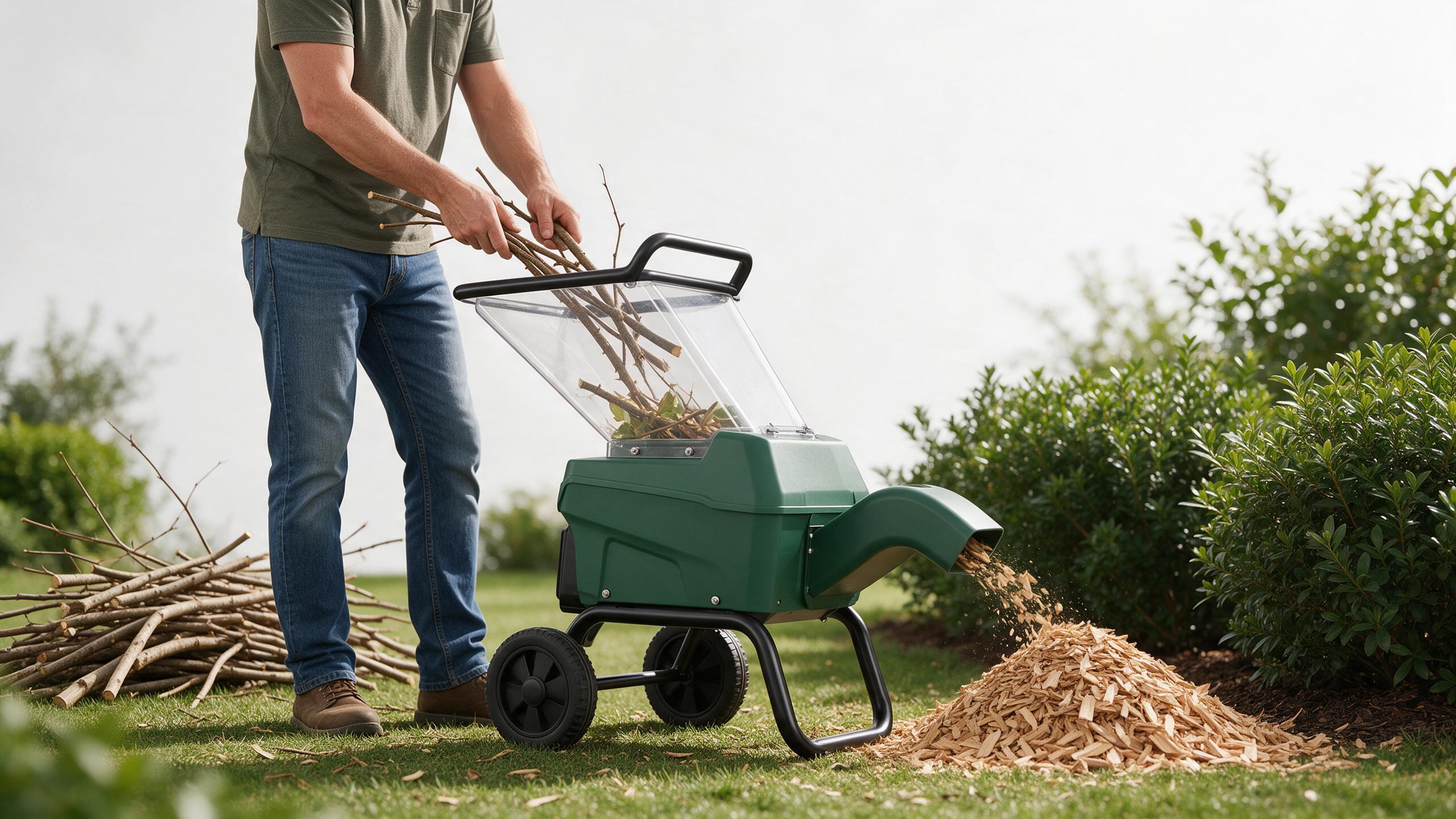
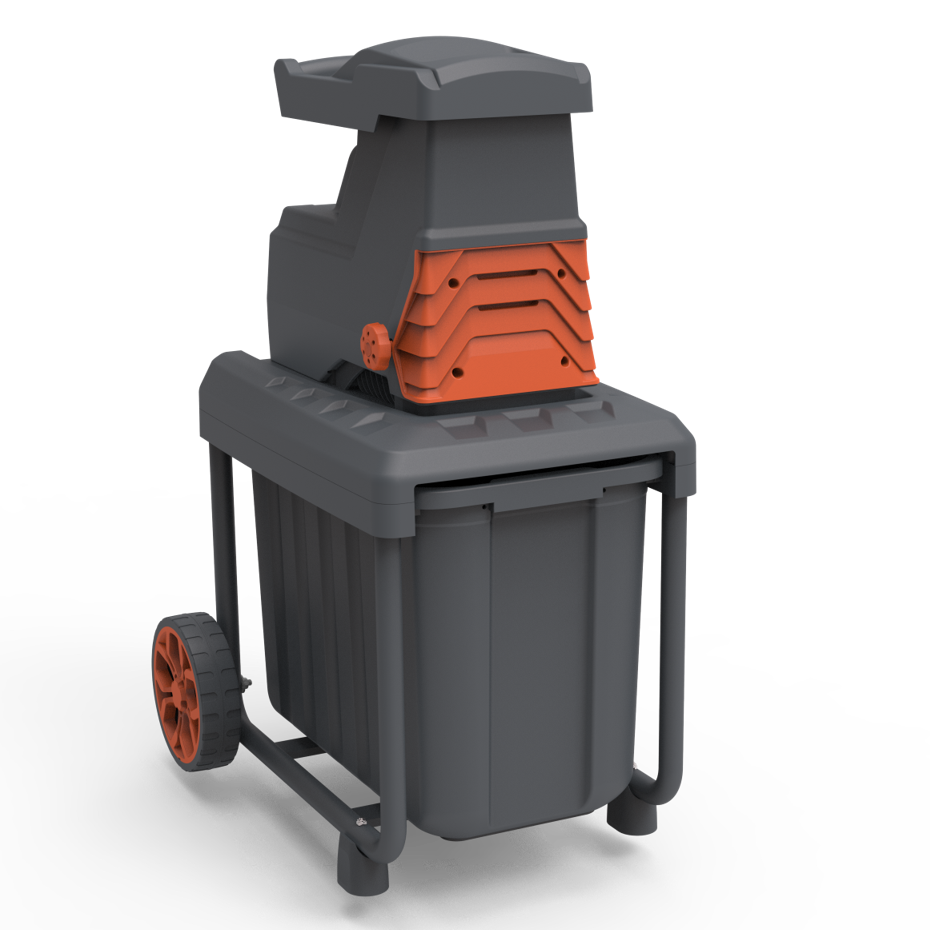
After pruning, a pile of branches can look like a disposal problem. A garden branch chipper changes that starting point: it reduces manageable woody material into chips that can stay in the landscape as surface mulch or enter a balanced composting routine. That is the practical side of eco gardening—not claiming that every chip is useful everywhere, but planning a sensible next use before the first branch reaches the feed chute.
For gardeners, grounds teams, and small-property managers, this approach turns seasonal pruning into a repeatable recycling solution. It can reduce bulky handling, make storage neater, and create a useful carbon-rich material close to where it will be used. The machine is only one part of the system, however. Material condition, chip size, soil contact, and safe operation all shape the result.
From bulky prunings to a usable garden resource
Loose branches are awkward to stack, carry, or load for collection. A garden branch chipper cuts and fractures suitable woody material into smaller pieces, reducing its volume and making it easier to move into a mulch bay, compost area, or designated storage pile. That physical reduction is why chipping can make green-waste handling more workable on site.
The wider context is significant. The U.S. Environmental Protection Agency estimated that 22.3 million tons of yard trimmings were composted or wood waste mulched in 2018, a 63 percent composting rate for that material stream. The figure does not mean every garden should copy the same method, but it illustrates a useful principle: yard material has more than one destination besides disposal.
A garden branch chipper supports that principle by shortening the path between pruning and reuse. Instead of mixing every cutting into one pile, separate woody branches from soft leaves, lawn clippings, diseased material, and invasive plants. The woody portion can be chipped when it is appropriate for the machine; the remaining material can follow its own handling route.
Where chipped branches fit in a recycling loop
The most useful route depends on the condition of the chips and the needs of the garden. A well-run mulch production plan usually has two destinations.
Use chips as a surface mulch
Coarser chips work well around established trees, shrubs, and paths when they are spread as a surface layer rather than mixed deeply into soil. They can help cover bare ground and give a pruning area a tidier finish. Leave space around trunks and stems so moisture is not held directly against plant tissue. Fresh chips are not a universal mulch for every bed, so reserve them for locations where a coarser woody layer makes sense.
Add chips carefully to composting
Untreated wood chips are a carbon-rich “brown” material in home composting. They can balance greener, wetter ingredients, although their coarse texture means they break down gradually. Smaller chips expose more surface area, but compost still needs a workable mix of moisture, airflow, and nitrogen-rich materials. If a pile becomes dry and woody, it may need more green inputs and turning rather than more chips.
Keep a separate holding pile
Not every batch has to be used immediately. A dry, contained chip pile lets a gardener match output to the planting calendar. This is often more sensible than spreading a thick layer in the wrong place simply because the machine has finished its work.
Choose the material before choosing the machine setting
A productive garden branch chipper workflow begins with sorting, not with the feed chute. Remove stones, wire, soil-packed roots, and any material the operating manual excludes. Check the stated branch-diameter limit for the machine and feed branches at a steady pace rather than forcing a tangled bundle through.
Moisture matters, too. Freshly cut, moisture-heavy branches can chip more slowly because wet fibres resist clean fracturing. A short drying period may make handling easier when the material and local conditions allow it. Mixed input can also create uneven output: alternating soft leaf litter with woody branches may produce chips that are less consistent for a planned mulch layer. Batching similar material takes a little preparation, but it usually makes the later use clearer.
The same context applies to power choice. Electric, battery, and petrol equipment each involve trade-offs around access to power, expected workload, noise, maintenance, and mobility. A green equipment decision should look beyond the label. Ask how often the chipper will run, what diameter and species of branch it will receive, whether repairs are practical, and how long the tool is likely to remain serviceable.
A simple on-site branch recycling routine
- Prune and sort. Set aside clean, suitable woody branches. Keep diseased or contaminated material out of the mulch and compost stream unless local guidance says otherwise.
- Prepare the work area. Position the chipper on stable ground, establish a clear feed zone, and wear the protective equipment specified by the manufacturer.
- Chip within the rated capacity. Feed one branch or a small, controlled bundle at a time. Stop to clear jams only according to the machine’s shutdown procedure.
- Separate output by intended use. Put coarse chips aside for paths or woody mulch, save finer output for composting where suitable, and avoid mixing everything without a plan.
- Apply with restraint. Spread mulch in a moderate, even layer and inspect it after rain or wind. Store surplus material until a suitable bed, border, or compost batch needs it.
Why this supports eco gardening without overclaiming
Chipping alone does not make a garden sustainable. The environmental value comes from a sequence of choices: using appropriate equipment safely, keeping clean biomass on site when practical, and applying the resulting material in a way that supports soil cover or composting. The EPA notes that compost can help soil absorb water and reduce runoff and erosion; that benefit belongs to mature compost and healthy soil management, not automatically to every fresh pile of chips.
That distinction makes the practice more credible. A garden branch chipper is a tool for handling a local material stream. It can support a recycling solution by reducing transport and by creating a feedstock for mulch production, but it should not be used to process unsuitable material or justify unnecessary pruning. The sustainable choice is often the smallest effective intervention: prune with a purpose, chip only what fits the plan, and return the material where it can do useful work.
Questions to ask before building a chip-and-mulch routine
- What type and diameter of branches do you generate most often?
- Will the output be used as coarse mulch, compost carbon, path material, or stored for later?
- Can you keep contaminated, diseased, or invasive material out of the useful stream?
- Does the available storage space keep chips tidy, accessible, and clear of trunks or building surfaces?
- Is the machine’s rated capacity, maintenance routine, and noise profile suitable for the site?
Make the output part of the plan
A garden branch chipper is most valuable when it is treated as part of a material cycle rather than a faster way to make waste disappear. With careful sorting, suitable operation, and a defined destination for the chips, garden prunings can become a useful resource for surface cover and compost management. That is a grounded form of eco gardening: less bulky waste to handle, more awareness of material quality, and a practical route from branches back into the garden.
 Hot News