
 EN
What Causes Uneven turf Cutting and How Can It Be Fixed?
A lawn mower that leaves stripes, tufts, or one side of the lawn visibly higher than the other is frustrating, but the pattern is useful evidence. In most cases, uneven mowing comes from a short list of causes: a blade that is dull or damaged, turf packed beneath the deck, an incorrect cutting-height setting, uneven tyre pressure, or a deck that needs adjustment. Start with the simple checks before changing parts.
This guide uses a practical order: first identify the pattern in the turf, then inspect the cutting system, and finally make one change at a time. That approach makes troubleshooting more reliable than adjusting several things at once and not knowing what changed the result.
Read the Pattern Before You Inspect the Lawn Mower
Look at the lawn immediately after a pass, preferably in good daylight. A repeating high strip can point to overlap or deck-level issues. Ragged, torn turf tips usually point toward blade problems. A lawn that looks patchy only in dense or damp areas can signal reduced airflow under the deck rather than a fault in the chassis.
- One side consistently cuts higher: check tyre pressure, height settings, and deck level.
- Single strips of standing turf: check overlap, blade condition, deck buildup, and ground speed.
- Frayed or pale turf tips: inspect the cutting edge for dullness, chips, or bends.
- A changing pattern from one pass to the next: inspect the lawn for ruts, long wet turf, and inconsistent mowing direction.
Do not assume the mower is the only variable. Long turf, soft soil, and undulating ground can make a sound machine appear to cut unevenly. Still, if the same pattern follows the machine across flatter areas, move on to the mechanical checks.
Make the Machine Safe Before Checking Blade Problems
Stop the engine, remove the key if fitted, and wait for all moving parts to stop. For a petrol lawn mower, disconnect the spark-plug lead before working near the deck. For a cordless model, remove the battery according to the manual. Wear sturdy gloves when handling blades, and use the manufacturer’s specified lifting or tipping method. A ride-on or zero-turn mower may require a supported lifting procedure rather than a simple tilt.
These precautions matter because a blade can move when the deck is handled. If you are not comfortable inspecting or removing a blade, a qualified service technician is the sensible next step.
Inspect the Blade and Cutting Path
Blade problems are among the most common reasons for a poor finish. A dull blade tends to tear turf instead of slicing it cleanly, leaving tips that look shredded and may turn brown after mowing. A bent blade can cut at a different height during each rotation. Damage is sometimes visible after a strike against a stone, root, edging, or other hard object, but it may not be obvious from above the deck.
With the mower safely isolated, inspect for rounded edges, nicks, cracks, missing metal, or a blade that does not look straight. Replace a cracked, badly bent, or heavily worn blade rather than trying to reshape it. When sharpening or replacing a serviceable blade, follow the mower manual for the approved part, tightening method, and balance requirements. An improperly balanced blade can create vibration and add wear to the cutting system.
Also check that the blade is installed in the correct orientation. On many machines, fitting it upside down reduces lift and leaves turf standing. The exact shape and marking vary by model, so the operator manual should settle any doubt.
 Inspect the blade and deck only after the mower is safely isolated.
Clear the Deck and Check for Blocked Airflow
turf clippings can collect beneath the deck, especially after mowing damp, tall, or fast-growing turf. This buildup narrows the discharge path and disrupts airflow, so the blade may not lift turf evenly before cutting it. The result can be clumps, missed blades, or an uneven mowing pattern that becomes worse as the job continues.
Use a plastic scraper or a suitable cleaning tool with the mower safely isolated. Remove compacted debris from the deck shell, around the discharge opening, and from areas identified in the manual. Do not spray sensitive electrical or engine components indiscriminately. Once clean, inspect the deck for visible dents, loose baffles, or damage after an impact; these conditions may need professional assessment.
Confirm Cutting Height and Mower Adjustment
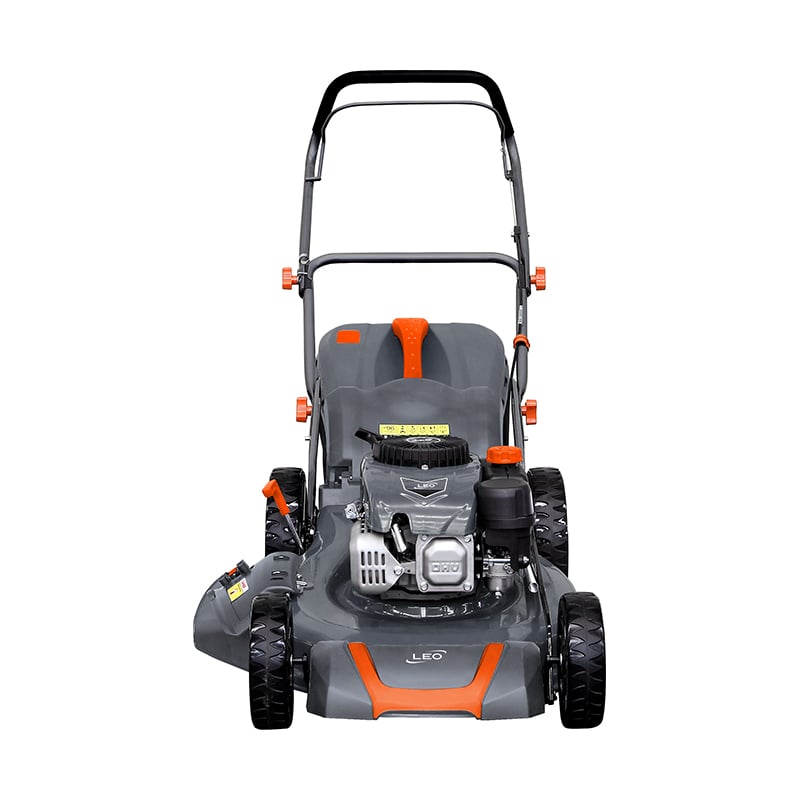
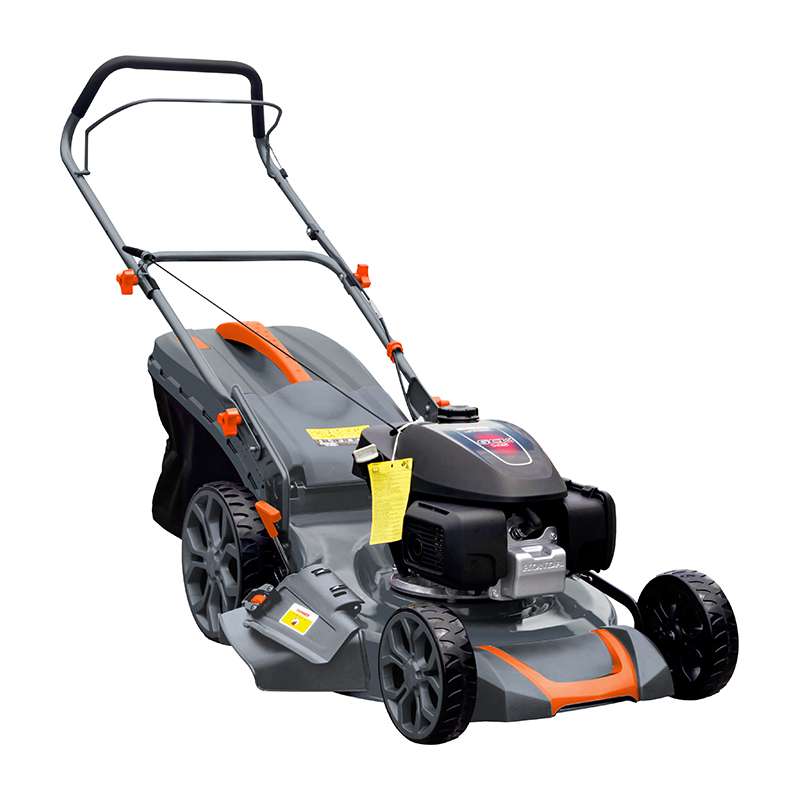
Incorrect mower adjustment is easy to overlook. On a walk-behind machine, make sure all height levers are set to the same notch. A lever that has slipped by one position can leave one side lower. On a ride-on mower, check the manual’s method for setting the deck height and measuring deck level. The intended front-to-rear relationship is model-specific, so do not apply a generic measurement to every machine.
For machines with pneumatic tyres, check their pressure against the value on the tyre or in the operator manual. A noticeably softer tyre changes deck angle and can create a cut that is lower on one side. Inspect for a puncture or slow leak if pressure repeatedly drops. On wheeled push mowers, look for damaged wheels, worn height-adjustment components, or loose hardware that allows one wheel to sit differently.
Match Your Mowing Method to turf Conditions
Even a well-maintained lawn mower can struggle when the turf is wet, very tall, or mown too quickly. If the mower bogs down, leaves clumps, or misses turf in a particular direction, slow the travel pace and reduce the amount removed in one pass. Raise the deck for the first pass through overgrown turf, then make a later pass at the intended height when conditions are dry enough.
Overlap each pass consistently, especially if the turf is leaning or the terrain is uneven. Change your mowing direction from time to time to avoid repeatedly pressing turf the same way. On slopes, follow the safety guidance in the machine manual; handling and traction needs differ between walk-behind and riding equipment.
A Simple Re-Check Routine
- Clean the deck and inspect the blade before changing settings.
- Set all cutting-height controls evenly and check wheel or tyre condition.
- Mow a short test strip on relatively level, dry turf at a moderate pace.
- Inspect the strip from both directions for high sides, uncut lines, and torn tips.
- Change only one factor at a time, then repeat the test strip.
This routine separates blade problems from mower adjustment and lawn-condition issues. If a level test area still shows the same uneven cut after the basic checks, stop using the machine if there is strong vibration, scraping, or suspected deck damage, and arrange a professional inspection.
Use This Lawn Mower Troubleshooting Matrix
Use the symptom below to keep each lawn mower check focused. This lawn mower troubleshooting matrix does not replace the operator manual, but it helps separate a quick cleaning task from a mower adjustment or service visit.
| What you see | First lawn mower check | What to do next |
|---|---|---|
| Uneven mowing on one side | Check tyre pressure and cutting-height positions before a mower adjustment. | Test the lawn mower on level turf after the mower adjustment. |
| Uneven mowing with torn tips | Inspect for blade problems, including a dull edge, nicks, or a bent blade. | Resolve blade problems safely, then repeat lawn mower troubleshooting on a short strip. |
| Uneven mowing after damp work | Look beneath the lawn mower for buildup that restricts airflow. | Clean the deck, then reassess before changing mower adjustment settings. |
| Uneven mowing after an impact | Check blade problems and inspect the deck for damage. | If vibration remains, stop lawn mower troubleshooting and arrange service. |
| Uneven mowing only on slopes | Review mowing direction, traction, and the mower adjustment procedure in the manual. | Use the lawn mower within its stated slope guidance. |
| Uneven mowing after settings changed | Return to one consistent height setting and verify the mower adjustment. | Make one lawn mower change at a time during troubleshooting. |
Keep Cut Quality Consistent Between Services
Regular cleaning, blade inspection, and height checks are small tasks that support a more consistent finish. For garden machinery buyers and service teams, it is also worth choosing equipment with accessible maintenance points, clear adjustment instructions, and a practical spare-parts plan. Zhejiang Leo Garden Machinery Co.,Ltd works across lawn mower and garden-machinery categories for global B2B customers; maintenance documentation and after-sales requirements should be discussed for the specific model and market.
The key is not to chase a complicated fix first. Start with the blade, deck, settings, and tyres, then test methodically. In many cases, that sequence reveals why the cut is uneven and gives you a safe, manageable path back to a cleaner lawn.


 Hot News