
 EN
How to Select the Correct Cutting Width for a Lawn Mower?
Choosing a lawn mower by cutting width sounds simple until the machine reaches a narrow access opening, a curved border, or a lawn split by trees. Cutting width is the strip of turf the deck cuts in one pass. It affects the number of passes you make, but it does not decide the job on its own. The right choice is the widest mower that can move, turn, and be stored comfortably on the property while still giving the finish and working pace you need.
For a homeowner, grounds team, or distributor comparing equipment for a customer, start with the site rather than a catalog measurement. Yard area matters, yet access, terrain, turf growth, obstacles, and mowing frequency often decide whether a wider deck delivers real efficiency or adds frustration.
Start with the actual mowing route
Before selecting a lawn mower, walk the route the machine will take from storage to the turf. Measure the narrowest access opening, path, doorway, and passage, then allow practical clearance for the whole machine. A deck may fit on paper while the wheel track, discharge area, handlebar, turning movement, or operator position does not. If the mower must pass a tight point on every use, that constraint comes before theoretical productivity.
- Measure the narrowest fixed opening and note protruding posts, latches, and steps.
- Check the storage entrance and the space needed to turn the machine inside.
- Mark trees, beds, walls, irrigation heads, and other features that require frequent changes of direction.
- Consider whether a slope, soft ground, or rough edge makes a broad deck harder to guide.
This short survey prevents a common mistake: buying a mower size for open turf while ignoring the places that control every trip to that turf.
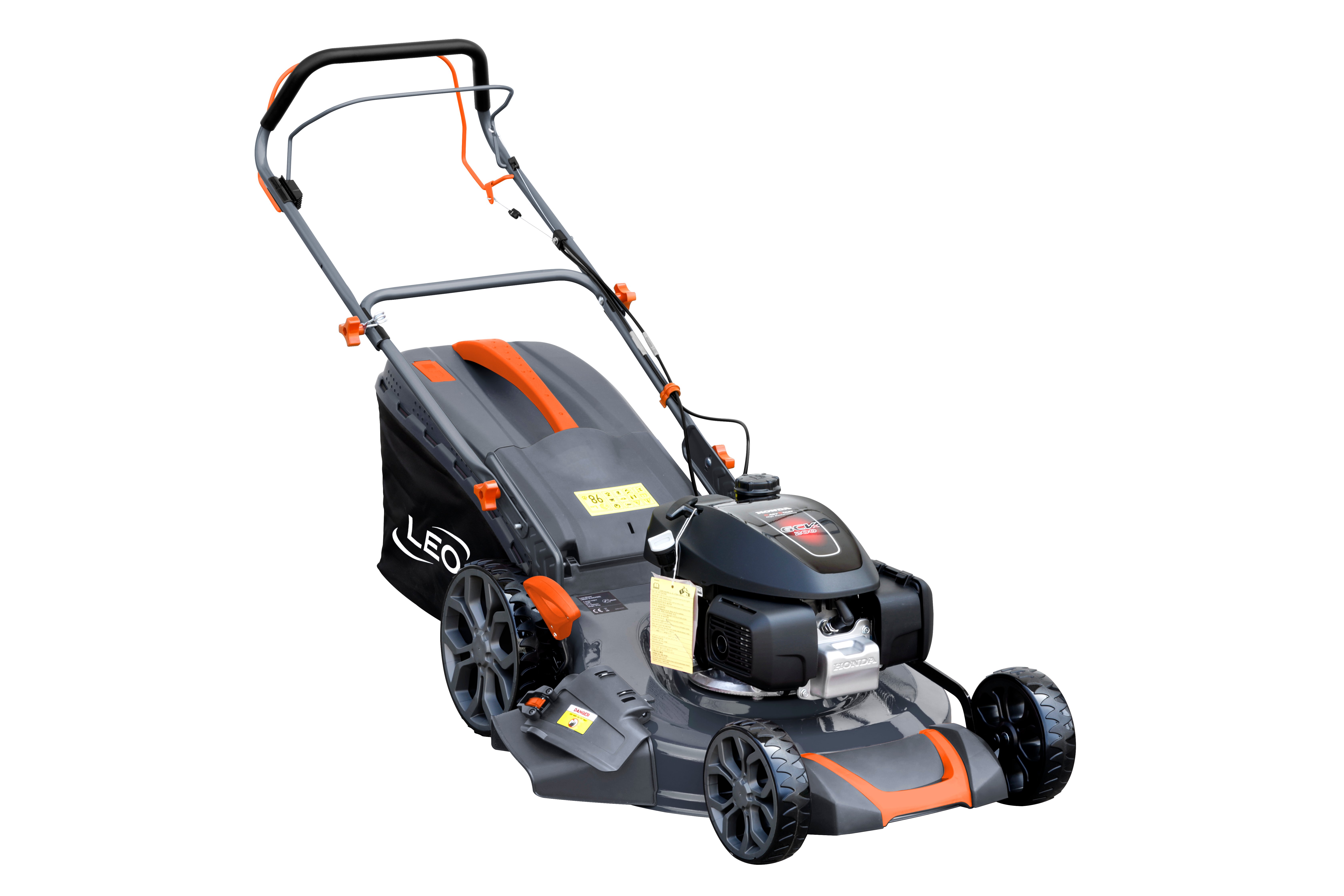 Measure the access route as well as the mowing area before selecting deck width.
Relate cutting width to yard area, but do not stop there
A larger cutting width covers a broader swath on each pass, so it can reduce the number of straight runs across open turf. That relationship is useful when comparing a lawn mower for a compact garden and one for a more open property. However, usable work rate is affected by much more than the label on the deck. Turning at row ends, reversing around obstacles, trimming edges, emptying collection equipment, and slowing on slopes all take time.
Use yard area as the first screen. A smaller, simple lawn may favor a narrower deck because it is easier to place around borders and store. A large, open lawn may justify a wider deck because long passes make better use of its coverage. Between those extremes, ask how much of the area is uninterrupted turf. A yard area broken into many small zones may behave like a smaller property from the mower's point of view.
Match mower size to layout and mowing pattern
Open, rectangular lawns
On an open site, a wider lawn mower can make sense because most movement is forward cutting rather than repositioning. Confirm that the machine can turn at the ends without running over borders or compacting a tight corner. Plan for a small overlap between adjacent passes so turf is not left standing where the deck path changes.
Lawns with access openings, beds, and mature planting
Where the route is narrow or irregular, a more compact mower size may be more efficient overall. It can follow contours, get nearer to obstacles, and reduce the amount of separate trimming. A broad deck that repeatedly needs three-point turns or forces the operator to back out of a passage may save little time despite its nominal cutting width.
Mixed terrain and slopes
For uneven or sloped ground, evaluate stability, traction, turning space, and the operating guidance for the exact lawn mower model. A wider deck is not automatically the practical choice when surface changes force a slower, more careful mowing pattern. Discuss terrain with the supplier and compare the model documentation before deciding on deck width.
Use a simple efficiency check
Think of mowing efficiency as usable cut per pass, not just stated cutting width. On paper, the calculation begins with width multiplied by forward travel. In practice, subtract the effects of overlap, turns, obstacles, and access delays. You do not need a precise productivity claim to make a sound comparison. Instead, map a typical route and ask which mower size lets the operator keep moving with fewer interruptions.
- Sketch the turf areas and identify the main mowing lanes.
- Count the narrow crossings and obstacle-heavy zones.
- Compare the likely number of long passes for each deck option.
- Estimate whether extra manoeuvring would offset the wider deck's coverage.
- Choose the option that suits the route, not merely the largest listed width.
This approach makes the trade-off visible: a moderate cutting width that moves freely can produce steadier results than an oversized deck that cannot follow the property efficiently.
Consider turf conditions and cut quality
Deck width is only one part of cut quality. Wet, tall, or dense turf can require a slower pace and more overlap, regardless of mower size. If the property often has thick seasonal growth, choose a lawn mower with a cutting system and height adjustment appropriate to the conditions, then follow the operating instructions for the model. Avoid treating a wider deck as permission to rush through difficult turf.
Also consider how the edges will be finished. A deck that cannot reach near walls, trees, or planting may create more follow-up work with a trimmer. When comparing cutting width, include that finishing time in the efficiency decision.
Questions to ask before buying or specifying a lawn mower
Whether you are buying for one property or selecting a range for a dealer program, make the decision traceable. Ask for the overall machine dimensions, turning requirements, recommended operating conditions, and details of the cutting deck rather than relying on one measurement.
- What is the narrowest access point from storage to the mowing area?
- How much of the yard area is open enough for long, straight passes?
- Which obstacles will determine turning and trimming time?
- How often will the turf be cut, and how demanding is seasonal growth?
- Does the proposed mower size fit the available storage and service space?
For importers and distributors, the same checklist helps match a lawn mower range to local garden layouts and customer expectations. A manufacturer focused on garden machinery can provide model-specific dimensions and documentation, but the property assessment should still lead the specification.
Make the final choice around usable coverage
The correct cutting width is the one that fits through access points, works around the layout, handles the terrain appropriately, and covers the open yard area at a sensible pace. Start with the limiting measurement, then compare the usable mowing route, not just the deck label. When those factors agree, you can select a lawn mower that supports practical efficiency without making everyday mowing harder than it needs to be.

 Hot News