
 EN
How to Reduce Noise During Gasoline Lawn Mower Operation?
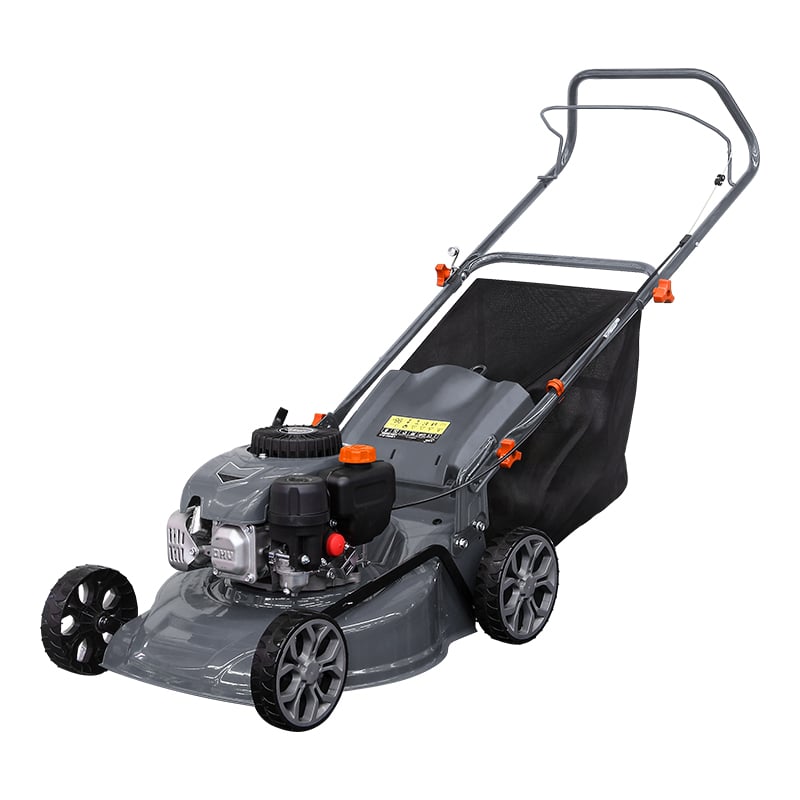
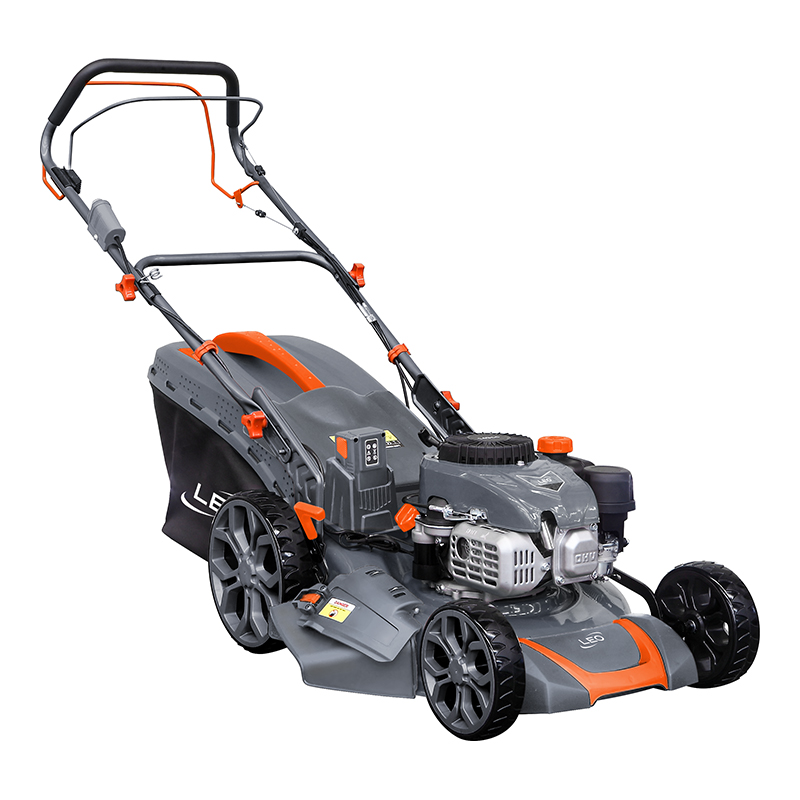
A gasoline lawn mower remains useful when long run time, uneven ground, or dense seasonal turf make a corded or battery machine impractical. Its sound, however, affects more than nearby households. It can make instructions harder to hear, tire an operator over a long shift, and create a poor experience in a residential or public setting. As a garden-machinery technical consultant, I would start with a simple point: quieter operation comes from several small controls working together, not from one dramatic modification.
This guide separates sound at the machine from sound at the operator’s ear. It also explains where noise control, routine checks, mowing habits, and sensible mower technology each fit. The goal is to reduce avoidable noise without compromising safe engine operation or defeating factory-installed guards and emissions equipment.
First, identify what is making the gasoline lawn mower loud
A gasoline lawn mower usually produces sound from combustion and exhaust, intake flow, vibration through panels or fasteners, the blade moving air, and the impact of cutting turf. The loudest annoyance may not be the engine. A loose guard can rattle sharply, a damaged blade can create vibration, and a clogged deck can make the engine work harder than normal. Before changing your routine, listen from a safe distance while the mower is operating as specified by its manufacturer. If the sound has changed suddenly, stop work and inspect the machine after it has cooled.
Do not try to make a gasoline lawn mower quieter by removing a guard, covering hot engine surfaces, blocking cooling air, or altering the exhaust system yourself. Those actions can create fire, injury, emissions, and warranty issues. A loose, cracked, or missing muffler should be assessed and repaired with the correct approved part by a qualified service provider. Exhaust muffling is an important source-control element, but it has to remain compatible with the engine design.
Use maintenance as the first noise-control routine
Consistent engine maintenance is often the most practical route to a less intrusive gasoline lawn mower. Begin every mowing period with the owner’s manual and the manufacturer’s service intervals. Check that the blade, blade adapter, fasteners, deck guards, handles, wheels, and engine mounting hardware are secure. A part that is merely loose can transmit vibration through the chassis and produce a surprisingly harsh sound.
- Keep the blade well-maintained and balanced. A dull blade tears turf rather than cutting it cleanly, which can increase load and leave a rough finish. Replace a bent, cracked, or heavily worn blade rather than trying to compensate with engine speed.
- Clear the deck only with the engine off. Disconnect the spark-plug lead where the manual directs, wait for all moving parts to stop, and use safe cleaning methods. Built-up clippings change airflow and may contribute to laboured operation.
- Service filters and oil on schedule. Restricted intake, incorrect oil service, or poor fuel condition can affect how smoothly a gasoline lawn mower runs. Use only the fuel and service materials specified for the model.
- Inspect the muffler and heat shields. Look for looseness, corrosion, or unusual exhaust noise, then arrange professional service rather than improvising a repair.
The number people often compare first is engine displacement. In day-to-day mowing, though, blade condition, deck cleanliness, and appropriate cutting speed can matter just as much to how controlled the machine sounds.
 Routine inspection helps identify loose components and maintenance needs before mowing.
Change mowing habits before changing equipment
A gasoline lawn mower is generally quieter to operate when it is not repeatedly overloaded. Mow dry turf where practical, avoid trying to remove an excessive amount of height in one pass, and slow the walking pace when the turf becomes dense. If clippings begin to clump or discharge becomes uneven, pause and address the condition rather than forcing the mower onward. This approach supports user comfort because it reduces the strain of managing a struggling machine as well as the sound reaching the operator.
Plan the route too. Begin farther from windows, shared boundaries, playgrounds, and outdoor seating when the schedule allows, then work back toward those areas. Avoid very early or late sessions where local rules or neighbours make noise more sensitive. In commercial grounds work, divide large areas into manageable passes and communicate the operating window beforehand. Good noise control is partly a matter of where and when the gasoline lawn mower is used.
Protect the operator without masking a machine problem
Hearing protection can improve user comfort, but it does not replace maintenance or safe awareness. Choose ear protection suited to the task and local workplace requirements, and make sure the operator can still respond to warnings, people, traffic, and site signals. Safety glasses, sturdy footwear, and close-fitting work clothing remain relevant when operating a gasoline lawn mower.
Take short breaks during extended work and rotate tasks where a crew schedule permits. If a familiar mower suddenly becomes much louder, vibrates more, or produces unusual metallic sounds, do not turn up music or rely on stronger hearing protection to continue. Stop, isolate the equipment, and investigate the cause. That distinction is important: personal protective equipment manages exposure; it does not fix the source.
What to look for in mower technology when buying or specifying
For distributors, fleet managers, and buyers, mower technology should be evaluated alongside cutting capacity and service access. Request the manufacturer’s documented sound information for the actual model and destination market. In applicable European markets, outdoor-equipment rules use declared declared sound-power information and conformity documentation; this is useful for comparing like-for-like models, but it is not a substitute for checking the exact product documents.
Also examine practical design details: secure deck construction, properly supported controls, accessible service points, replacement-part availability, and a service plan. A machine that is straightforward to maintain is more likely to retain its intended operating condition through the season. For professional users, a sensible choice is not simply the lowest listed noise figure; it is a gasoline lawn mower that fits the site, the expected lawn conditions, and the available maintenance support.
A practical pre-mow checklist
- Read the model-specific manual and inspect guards, fasteners, wheels, blade condition, and the muffler area.
- Choose a mowing time and route that limit disturbance to nearby people.
- Set a pace and cutting height suitable for lawn conditions instead of forcing the gasoline lawn mower through heavy lawn growth.
- Wear appropriate hearing and eye protection while maintaining awareness of the work area.
- Stop for a new rattle, vibration, exhaust change, or loss of cutting quality, and arrange qualified service where needed.
Final takeaway
You may not turn a gasoline lawn mower into a silent machine, and that should not be the expectation. You can make its operation more considerate and more comfortable by maintaining the blade, deck, fasteners, and exhaust components; matching the mowing method to conditions; protecting the operator; and comparing documented sound information when buying. That balanced approach gives noise control a real operational role rather than treating it as a single accessory or a risky modification.



 Hot News