
 EN
How Lithium Battery Technology Changes the Future of Garden Machinery?
For a garden-machinery distributor, cordless battery equipment is no longer a side category beside petrol equipment. They change how a range is specified, stocked, serviced, and explained to customers. The shift is not simply about replacing an engine with a battery. It is about making power portable, sharing energy across compatible tools, and helping users work with less cable management, lower local noise, and fewer fuel-handling tasks.
That does not make lithium battery garden tools the right answer for every property or every work cycle. A large estate, continuous contractor use, steep terrain, or an unavailable charging point can still favor another power source. The useful question is narrower: where do lithium battery garden tools improve the working system, and what must a buyer verify before committing to a platform?
Battery technology changes the tool system, not just the motor
Earlier cordless equipment was often treated as a convenience item for short jobs. Modern cordless equipment invites a different purchasing model: choose a compatible platform, then add the mower, trimmer, blower, hedge cutter, or other electric equipment that suits the work. When packs, chargers, voltage architecture, and electronic controls are designed to work together, a crew or household can rotate charged packs between suitable tools rather than manage a separate charging ecosystem for each one.
This platform approach matters to dealers as much as end users. The cordless range can be presented as a range decision with a clearer accessories plan: tool-only units, starter kits, spare packs, chargers, and replacement support. Compatibility should be confirmed rather than inferred from a similar voltage label alone. Buyers should confirm the manufacturer’s approved pack, charger, connector, firmware, and protection-system requirements for each tool.
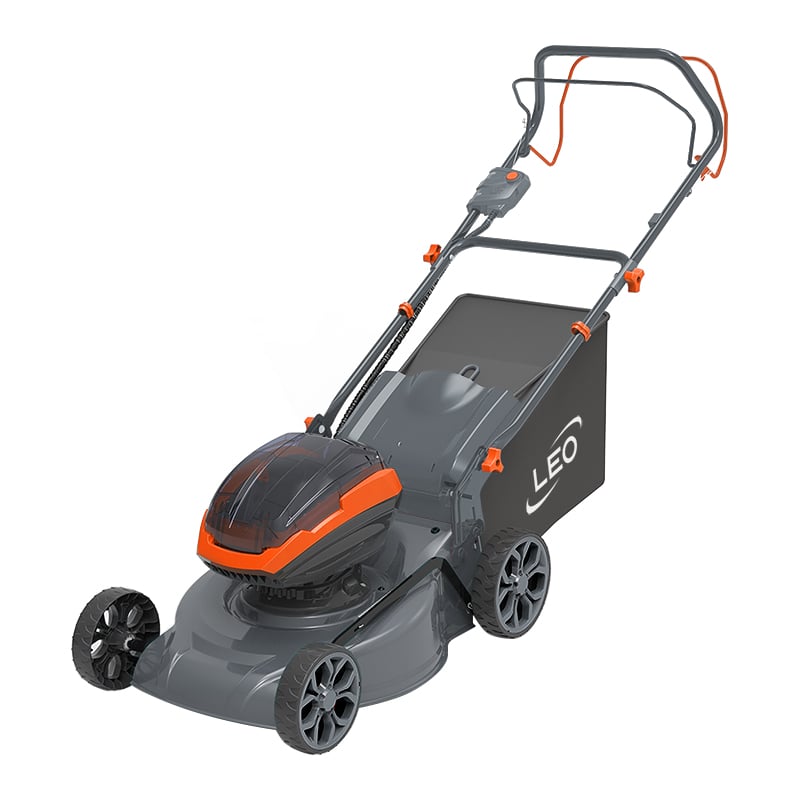
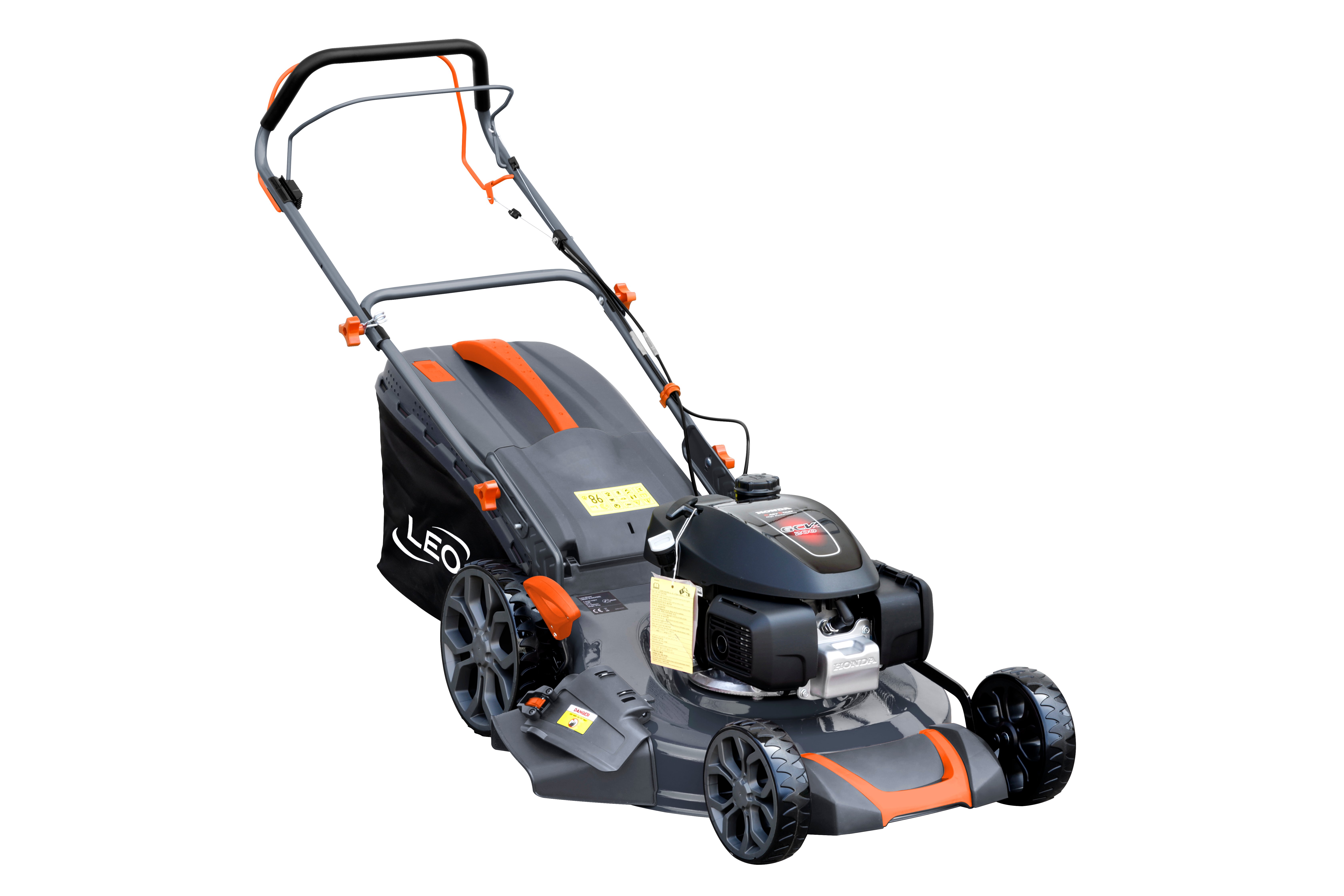 A shared battery platform can simplify a compatible cordless garden-tool range.
Where lithium battery garden tools make the clearest operational difference
Residential work and noise-sensitive sites
For gardens with regular but intermittent mowing, trimming, and blowing, lithium battery garden tools can reduce the setup friction that discourages small maintenance tasks. There is no extension lead to route around beds or trees, and the operator can move from one area to another without relocating a power source. Their lower local exhaust and typically quieter operating character can also be relevant where neighbours, schools, hotels, or municipal rules make noise and emissions a practical planning issue.
The advantage is conditional. Lithium battery garden tools need enough available runtime for the lawn, growth conditions, cutting height, and task sequence. A buyer who only compares headline battery capacity may miss the importance of load, blade condition, turf density, terrain, and battery age. Ask for the actual operating scenario, then plan battery quantity and charge turnaround around it.
Mixed tool fleets
For a retailer or importer building a coordinated offering, lithium battery garden tools can make it easier to explain cross-category value. One family of compatible packs can support several relevant electric equipment choices when the manufacturer confirms compatibility. That can simplify shelf presentation, spare-stock planning, and customer education. It can also reduce the number of charging interfaces a service team has to understand.
From a procurement perspective, the value of lithium battery garden tools is not only the price of the first kit. Consider battery availability, warranty handling, charger lead time, replacement-pack policy, and the ability to add tools without abandoning the original platform. The price tag is only one part of total ownership; a platform with weak parts support can create a costly service burden later.
Energy efficiency is useful only when the work is matched to the machine
Energy efficiency in lithium battery garden tools is more useful when discussed as a system outcome, not a slogan. Brushless motors, electronic controls, and lithium-ion packs can help a tool use stored energy in a controlled way, but the job still determines the result. A correctly sized mower used on maintained turf has a different demand profile from a mower cutting tall, wet growth. Likewise, a light blower and a heavy-duty clearing task should not be assessed by the same expectation.
For buyers comparing lithium battery garden tools, a practical evaluation list includes usable runtime under representative load, battery interchangeability, charging workflow, pack protection, service access, and the number of spare packs needed to avoid downtime. This turns energy efficiency into an operational question: how much useful work can be scheduled per charge cycle without compromising the task or the battery-care routine?
Innovation moves toward serviceable, adaptable product ranges
Battery technology is also changing what distributors ask of a supplier. A credible lithium battery garden tools range needs more than a cordless model on a catalog page. It needs a joined-up platform roadmap, clear compatibility documentation, spare-battery support, safe charging guidance, and an after-sales process that can deal with packs, chargers, and electronic controls. These requirements are especially relevant for B2B buyers who need a range they can support after the initial sale.
For European channels, battery lifecycle planning deserves early attention. Regulation (EU) 2023/1542 establishes harmonised rules for batteries placed on the EU market. It is not a substitute for product-specific compliance advice, but it is a reason for importers to check current documentation, collection responsibilities, and replaceability obligations with qualified compliance partners. Lithium battery garden tools should therefore be evaluated with lifecycle and documentation questions in mind, not only with performance questions.
Zhejiang Leo Garden Machinery develops garden-equipment ranges across cordless, electric, and petrol-powered formats. That breadth can help a distributor consider lithium battery garden tools alongside other power options while matching equipment to local demand, service capability, and customer expectations. Specific runtime, noise, capacity, and compatibility claims need confirmation against the documentation for the chosen model.
How to select a lithium battery garden tools platform
- Map the work first. List the garden size, terrain, seasonal growth, tool sequence, and expected daily usage before selecting lithium battery garden tools.
- Check the platform, not just a single tool. Confirm which lithium battery garden tools share approved packs and chargers, and identify the next tools customers may add.
- Plan charging and spares. Estimate how many packs are needed for the intended schedule, then confirm safe storage, charging, and transport procedures from the manufacturer.
- Review service readiness. Ask how batteries, chargers, electronic parts, and diagnostics will be supported in the destination market.
- Keep the comparison balanced. Lithium battery garden tools can suit many routine and noise-sensitive tasks, while petrol or other equipment may remain practical for extended heavy work.
The future is a better-matched power mix
The future of garden machinery is unlikely to be a single technology. It is a more deliberate mix of lithium battery garden tools, petrol machines, and other electric equipment selected around the work to be done. Lithium battery garden tools are reshaping expectations because they make a shared battery platform, quieter local operation, and flexible tool expansion possible. For distributors and professional buyers, the strongest opportunity is to treat that innovation as a supported system: specify the right platform, plan the service path, and match each machine to a real use case.
 Hot News