
 EN
What Are the Latest Trends in Electric Garden Machinery Technology?
Electric garden machinery is moving from a niche alternative to a serious planning category for distributors, contractors, and grounds teams. Quieter operation is the obvious change. The more consequential change is beneath the housing: battery platforms, electronic motor control, connected diagnostics, and service planning now shape whether a machine fits a real workload. For buyers assessing electric garden machinery, the useful question is not whether electricity has replaced every petrol application. It is which work pattern, site condition, and support model makes the switch sensible.
1. Battery platforms are becoming a system decision
Battery technology is no longer just a capacity figure on a carton. In electric garden machinery, a shared battery platform can influence how an operator schedules mowing, trimming, blowing, and other routine work. A common pack format may let a dealer stock fewer charger types, help a contractor rotate packs between compatible tools, and make it easier to plan a second battery for a longer shift. In day-to-day use, those details can matter more than a headline runtime claim.
That does not mean one platform suits every duty cycle. Electric garden machinery used for a small, regularly maintained lawn faces a different demand profile from equipment used across wet turf, slopes, dense growth, or consecutive jobs. Battery technology performs within a system of load, temperature, cutting conditions, charging time, and operator habits. Procurement teams should therefore ask for a duty-cycle demonstration based on the intended use rather than assuming that a nominal battery rating predicts every result.
Battery documentation is also becoming part of supplier due diligence. Regulation (EU) 2023/1542 establishes a phased lifecycle framework for batteries placed on the EU market. The precise obligations depend on the battery category and timing, so it should not be treated as a single immediate rule for every tool. Still, the direction is clear: electric garden machinery buyers benefit from asking how packs are identified, handled, replaced, transported, and supported after sale.
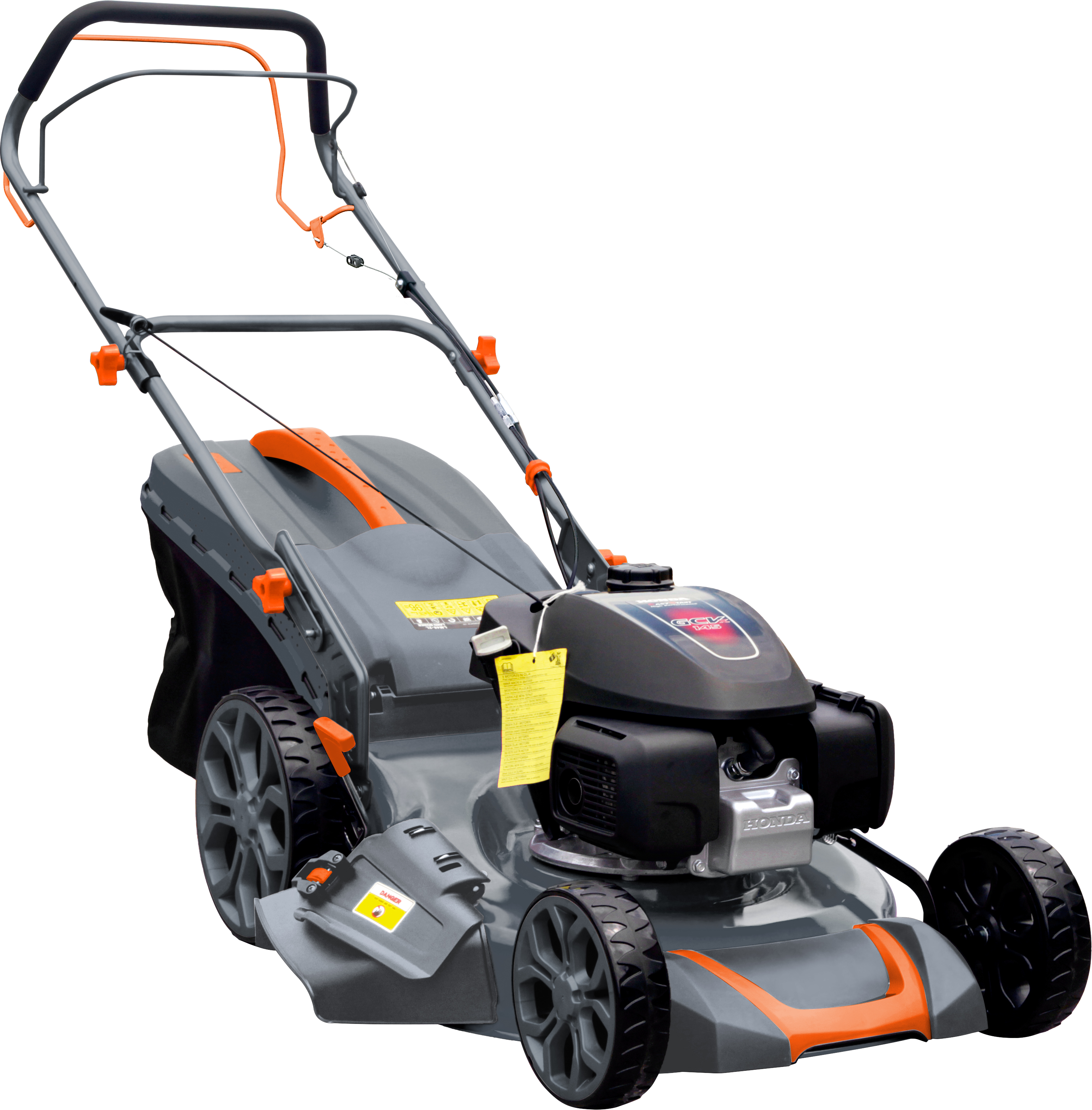 Battery workflow is part of matching electric garden machinery to the job.
2. Brushless motors and electronic control are improving usable output
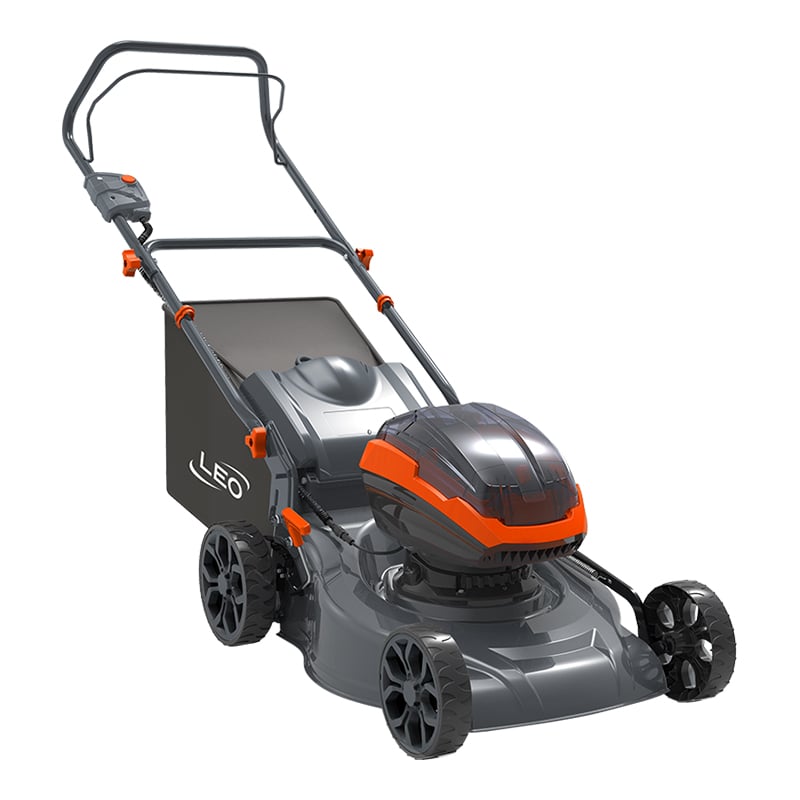
Modern electric garden machinery increasingly pairs brushless motors with electronic controls that respond to load. Instead of treating power as a fixed setting, the controller can manage the relationship between torque demand, blade resistance, and battery draw. In practice, that can make a mower or other tool feel more composed when conditions change. It is not a promise of identical output in every situation; tall, damp material still tests any system. The trend is better control of available energy, not the disappearance of workload limits.
That matters because operators notice interruptions more than technical labels. When electric garden machinery is chosen for the actual vegetation height, terrain, and maintenance interval, smoother load management can reduce unnecessary stops. The selection conversation should include deck design, cutting method, travel speed, and whether the crew can exchange packs during a shift. A battery-powered machine is a workflow, not merely a motor with a cable removed.
3. Lower noise is changing where and when work can happen
Noise sensitivity is a major reason electric garden machinery is gaining attention in residential, municipal, hospitality, and public-facing landscapes. Lower local operating noise can help teams schedule work where early starts, nearby residents, or visitor experience matter. Yet buyers should compare documented sound information for the specific model and task, because cutting conditions and attachments affect what people hear on site.
For distributors, this is about more than comfort. European outdoor power equipment rules already place attention on noise emissions and labelling for relevant categories. As urban and residential restrictions evolve, electric garden machinery can be a useful range-planning option alongside equipment intended for heavier or remote work. A credible range explains those use cases instead of suggesting that one power source fits every customer.
4. Smart tools are moving from novelty to maintenance support
Smart tools are another visible trend, although their value depends on the information they return. Useful features can include battery status, charge planning, service reminders, operating records, or fault information that helps a technician start diagnosis. For a fleet manager, that may support clearer allocation and maintenance decisions. For a dealer, it may help turn a vague complaint into a more focused service conversation.
Connected electric garden machinery should be evaluated with the same discipline applied to mechanical features. Ask what data is collected, who can access it, how firmware updates are handled, and whether the tool remains usable if an app or account is unavailable. The European Commission notes that cybersecurity requirements under the Radio Equipment Directive have applied since August 2025 for applicable categories of radio equipment. Not every cordless tool is internet-connected or within that scope, but smart tools that are connected need a cybersecurity and support plan rather than an app alone.
5. Sustainable equipment now includes repairability and service access
Sustainable equipment is often discussed in terms of exhaust emissions, but the longer operational view is wider. Electric garden machinery can support a lower-emission operating approach when matched to the job, while its sustainability case also depends on battery care, replaceable wear parts, repair access, and machine life. A tool that is difficult to diagnose or service can create downtime and unnecessary replacement pressure even if its day-to-day operation is quiet.
European repair policy and ecodesign measures are reinforcing attention to product design and spare-parts availability through product-specific rules. This is why electric garden machinery buyers should examine service documentation, parts availability, battery replacement options, and training routes before they place a range order. The direction is not simply toward sealed products. It is toward equipment ecosystems that a local support model can realistically maintain.
6. The next innovation is better matching, not bigger claims
Perhaps the most useful innovation in electric garden machinery is more accurate matching between tool, operator, and application. A garden centre customer may value simple charging, manageable weight, and low local noise. A landscaping contractor may prioritise pack rotation, rugged service support, and predictable machine availability. A municipal buyer may need documented compliance and fleet visibility. These needs overlap, but they are not identical.
For OEM and distribution planning, that means asking a structured set of questions: Which jobs are suitable for electric garden machinery today? How many batteries and chargers are needed for the intended shift? What happens when a pack or controller needs service? Which connected features solve an operating problem? And which claims can the supplier document for the destination market? Those questions turn electric garden machinery from a broad trend into a range decision that can be explained, supported, and maintained.
What to watch next
Expect battery technology to keep improving through better platform integration, charging management, and lifecycle documentation. Expect smart tools to become more useful when their data reduces downtime rather than adding setup work. And expect sustainable equipment conversations to give more weight to repairability, spare parts, and compliance readiness. Electric garden machinery is developing quickly, but the soundest decisions remain practical: evaluate the equipment against real conditions, confirm the support path, and choose technology that earns its place in the daily workflow.
 Hot News