EN
Garden Branch Chipper vs Garden Shredder: Understanding the Differences.
A pile of prunings can contain everything from stiff limbs to leafy hedge clippings. A garden branch chipper is generally associated with processing woody branches into chips, while a garden shredder may be described as handling a broader mix of garden material. That distinction is a useful starting point, not a promise: manufacturers use these names differently, and some machines combine functions. Check what the particular machine accepts before deciding.
In this shredder comparison, start with what goes into the machine, what comes out, and the practical limits of daily use. For buyers and dealers, those details are more useful than choosing solely by the label on a machine.
What Does a Garden Branch Chipper Do?
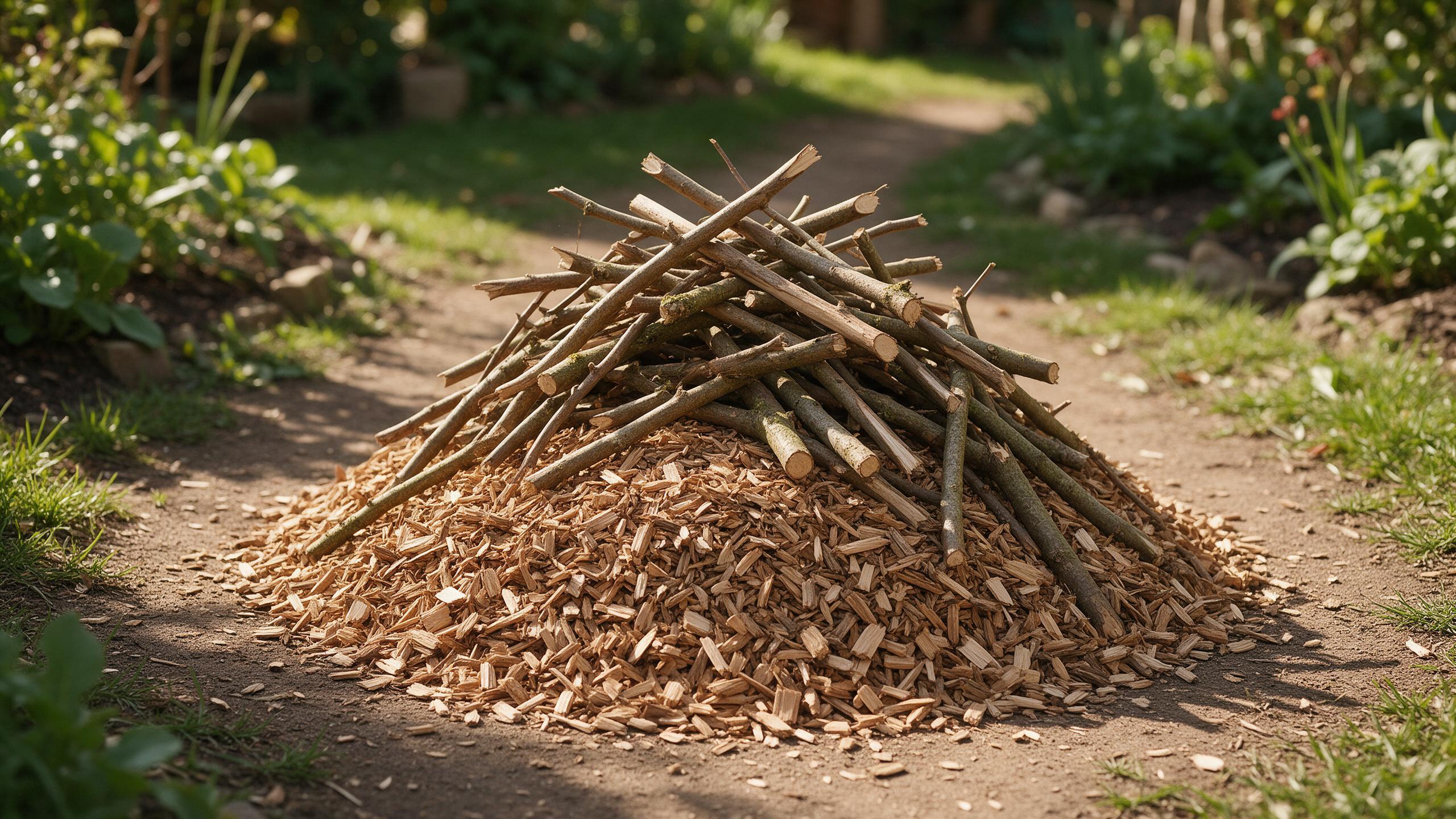
A garden branch chipper typically cuts woody material with a rotating blade or another powered cutting mechanism. A branch enters the feed opening and emerges as smaller pieces of wood. The resulting chips may be useful as a path covering or garden mulch, subject to the wood type and the intended use.
Branch size matters, but a stated maximum diameter is not a target to exceed or a guarantee of identical performance with every species. Hardness, bends, moisture and feed rate can affect a job. Review the maker's rated capacity and list of permitted material for each garden branch chipper; do not assume that a wide hopper can accept any branch that fits through it.
A branch cutter can be a sensible choice when woody prunings form most of the pile. If a job also produces large amounts of damp leaves or stringy plants, check whether those materials are permitted rather than expecting the branch feed to handle them.
What Does a Garden Shredder Do?
A garden shredder breaks down plant material using a mechanism that varies by design. Some machines use fast rotating blades; others use a slower roller or crushing arrangement. Certain models accept woody cuttings as well as other material, while others are designed mainly for a narrower waste stream. The name alone does not establish what can be fed safely.
Output varies too. A machine intended for mixed garden waste may produce irregular fragments suitable for further composting, whereas a branch-focused machine often produces more distinct wood chips. Neither result is automatically finer or more uniform: blade condition, material and the machine's settings all matter.
Compare the Work, Not Just the Names
| Decision point | Branch-focused machine | Garden shredder |
|---|---|---|
| Typical starting point | Woody branches and pruning debris within the rated capacity | Material mix specified by the individual model |
| Output to assess | Wood chips for a suitable reuse or disposal route | Shredded or crushed material; texture depends on the system |
| Key buying check | Permitted branch diameter, species and feed method | Whether the manual accepts the actual mix, including damp or fibrous material |
| Running considerations | Blade access, handling and collection of chips | Clog-clearing procedure, maintenance and output collection |
There is a catch: the categories overlap. A garden branch chipper may also be sold as a chipper-shredder, and a machine labelled a shredder may accept substantial branches. Ask for the instruction manual and a clear material list for the model, including any separate feed openings. Do not treat the table as a specification for a particular product.
Which Material Will You Process Most Often?
Mostly woody prunings
Measure the thickest branches you expect to process regularly, not just the occasional outlier. Compare that dimension and the type of wood against the supplier's instructions. A garden branch chipper rated for the material gives you a clearer basis for selection than motor power alone. If some limbs exceed the limit, arrange another safe disposal route rather than forcing them through.
Mixed clippings and leaves
For mixed garden waste, confirm that the model accepts the specific soft material you collect. Wet or fibrous clippings can behave differently from dry twigs and may cause a blockage in equipment not designed for them. Keep unsuitable material out, and follow the manual on feed preparation and clearing.
Both types in changing proportions
Consider whether a combination machine is specified for both streams, and whether the operator must use different inlets or change a setting. A machine that can accept two materials is not necessarily convenient for a large volume of each. Where the load changes seasonally, compare the time needed to sort, feed and collect material, not only the purchase price.
Capacity, Output and Ownership Costs
In wood processing, compare the rated branch diameter alongside feed access, transport, available power and the space needed for collection. An electric machine needs a suitable power supply and an approved outdoor connection; a petrol machine brings fuel storage and engine servicing into the decision. Neither power source determines material capacity on its own.
Consider the output you actually need. Coarser chips can be useful for paths or around established plants, while composting mixes often need an appropriate balance of material and further management. Avoid using material from diseased plants where it could spread a problem, and follow local guidance for disposal. If a uniform finish matters, ask for a demonstration using your permitted material rather than relying on a catalogue photograph.
For a dealer or grounds team, ask about replacement blades, service support, manuals and the expected maintenance schedule before selecting a garden branch chipper. Record the model and the parts needed for routine service. A low initial quote is less helpful if consumables or qualified support are difficult to obtain when the season is busy.
Safe Operation Comes Before Throughput
Read the specific manual, use the protective equipment it prescribes, and keep other people clear of the work area. Check the guards and emergency controls before starting. Keep hands and clothing clear of the feed opening, and use only the feeding aids and methods permitted by the manufacturer. Do not reach into a running machine or bypass a safety device.
For the wood-chipper operations it describes, the U.S. Occupational Safety and Health Administration advises testing safety controls and feeding the wide end of a limb first. Follow the model's instructions and applicable workplace rules; feed arrangements differ. If material jams, switch off, isolate the power source and wait for moving parts to stop before following the manufacturer's clearing procedure.
Making the Choice
Choose a garden branch chipper when the recurring job is primarily woody material within its stated rating. Consider a garden shredder when its documented material list better matches the mixture you collect. For both, confirm output, safe handling, service access and the real workload with the supplier. If you are comparing available garden machinery, visit LEO Garden Machinery and request model-specific details before making a decision.
 Hot News