
 EN
How Do Electric Ride On Mowers Reduce Environmental Impact?
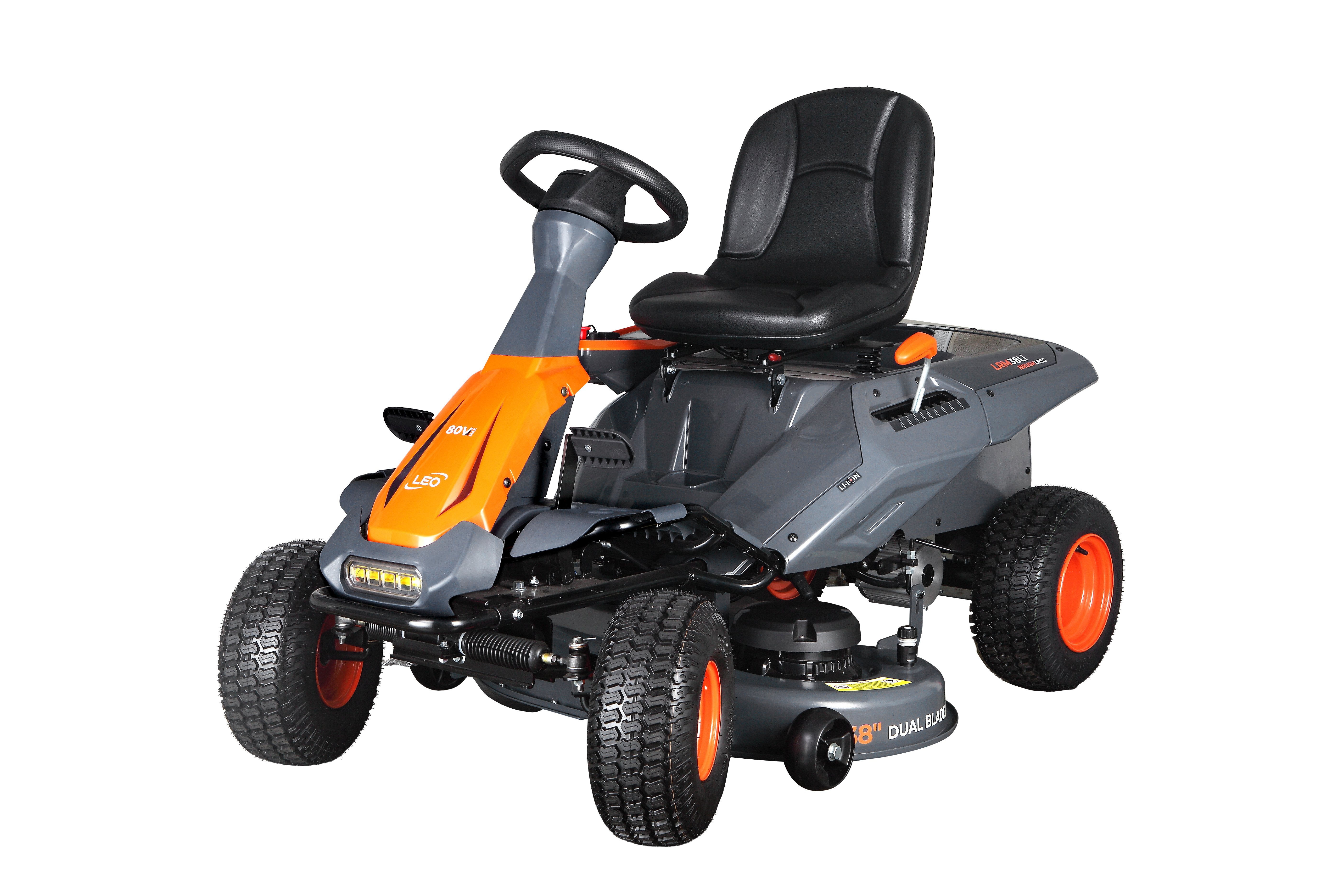
An electric ride on mower can reduce several impacts associated with routine lawn care, but the benefit is more nuanced than “electric equals impact-free.” Replacing a petrol engine removes exhaust where the grass is being cut, usually lowers operating noise, and can reduce the handling of fuel and engine fluids. The total result still depends on the electricity used for charging, battery life, machine size, mowing habits, and whether the mower is a sensible fit for the site.
As garden-machinery advisers, we start with the work rather than the badge on the machine. A well-matched electric ride on mower may make environmental sense for a large, regularly maintained lawn; buying a heavy rider for a small plot rarely does. The useful question is not whether every electric model is automatically greener, but where it reduces impacts in daily use and what keeps those gains intact.
1. No exhaust at the point of mowing
The clearest difference is direct operation. A battery-powered electric ride on mower has no combustion engine, so it does not release tailpipe exhaust into the garden while it cuts. Petrol lawn and garden equipment is a recognised source of air pollutants during use. Moving that work to electricity avoids on-site exhaust exposure for the operator, neighbours, children, pets, and anyone using the garden soon after mowing.
This is especially relevant in enclosed gardens, near patios, or in densely built neighbourhoods where exhaust can be noticeable at ground level. An electric ride on mower does not make the electricity system emission-free; it changes where the energy-related emissions occur. That distinction matters. Electricity generation can still create emissions, and the amount varies with the local grid and the time and source of charging. Still, eliminating combustion at the mower is a practical local-air-quality improvement.
2. Lower operating noise can reduce neighbourhood disturbance
Motor, blade, tyre, and airflow noise do not disappear, yet an electric ride on mower generally removes much of the engine noise that dominates a petrol rider. That can make a low noise lawn mower approach more realistic for homes, schools, hospitality grounds, and facilities with early-morning maintenance windows. The environmental value here is not a carbon calculation; it is reduced noise exposure and less disruption to nearby people and wildlife.
Quiet operation should not be exaggerated. Blade speed, deck design, surface condition, and mowing height still affect sound. A low noise lawn mower is also not a licence to mow at unsuitable hours. But less engine noise can allow crews to plan work more considerately and may reduce the impulse to run equipment longer than necessary simply because a task was delayed.
3. Fewer fuel-handling and routine engine-service impacts
With an electric ride on mower, there is no petrol tank to fill and no engine oil, spark plug, air filter, or exhaust system to service in the normal petrol-rider pattern. That can reduce small but cumulative risks associated with fuel storage, spills, evaporative vapours, and disposal of used engine oil. It can also simplify routine maintenance, although it does not eliminate it.
Owners still need to inspect blades, clean the deck, check tyres, look after bearings, and follow battery charging guidance. In fact, blade condition is one of the details that can change the outcome. Dull blades make any mower work harder and can leave grass stressed, so a clean, sharp cutting system supports efficient mowing regardless of the power source.
4. Electric drive can reward careful energy use
An electric ride on mower uses stored electricity rather than burning fuel at the machine. For a property with a predictable mowing routine, that gives the owner more control over when energy is purchased or generated. Charging when a site has lower-carbon electricity available, or where appropriate using verified on-site renewable generation, can improve the operating footprint. Avoid claiming that every charge is renewable: the local supply mix is the deciding factor.
Runtime also encourages good planning. Match battery capacity, deck width, terrain, grass density, and expected cutting interval before buying. If a machine must recharge repeatedly because it is undersized, or if it is oversized and carries unnecessary weight around a small lawn, the environmental advantage narrows. The specification that matters is usable work per charge under actual conditions, not the biggest battery number on a brochure.
5. Right-sizing prevents unnecessary resource use
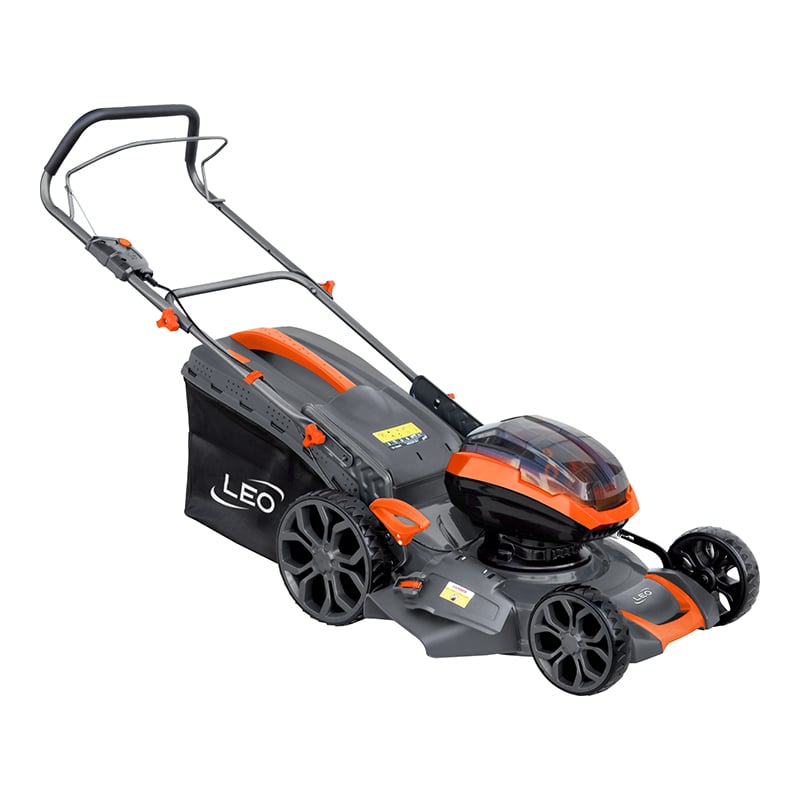
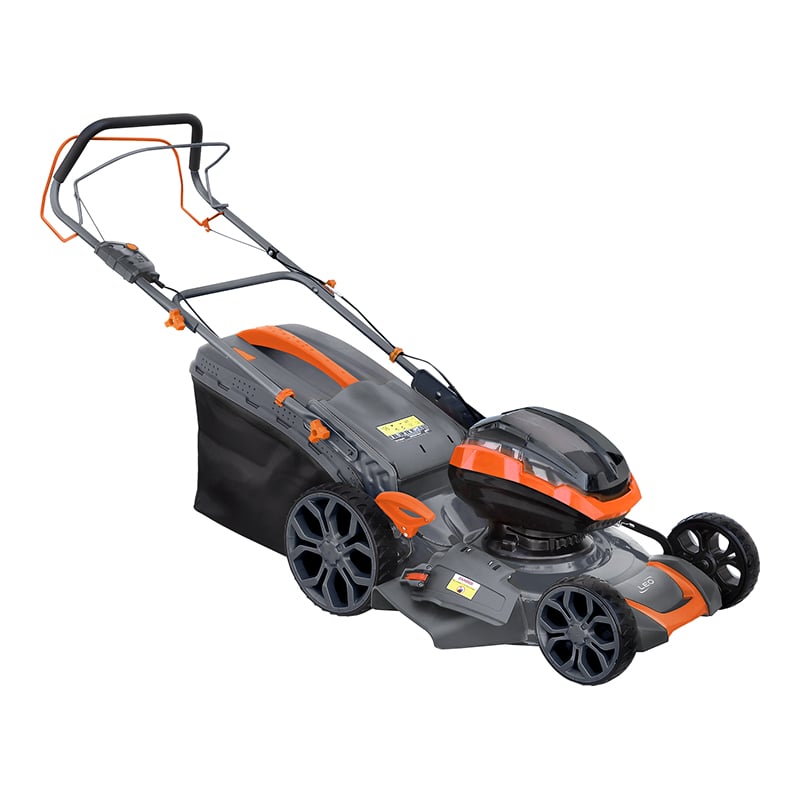
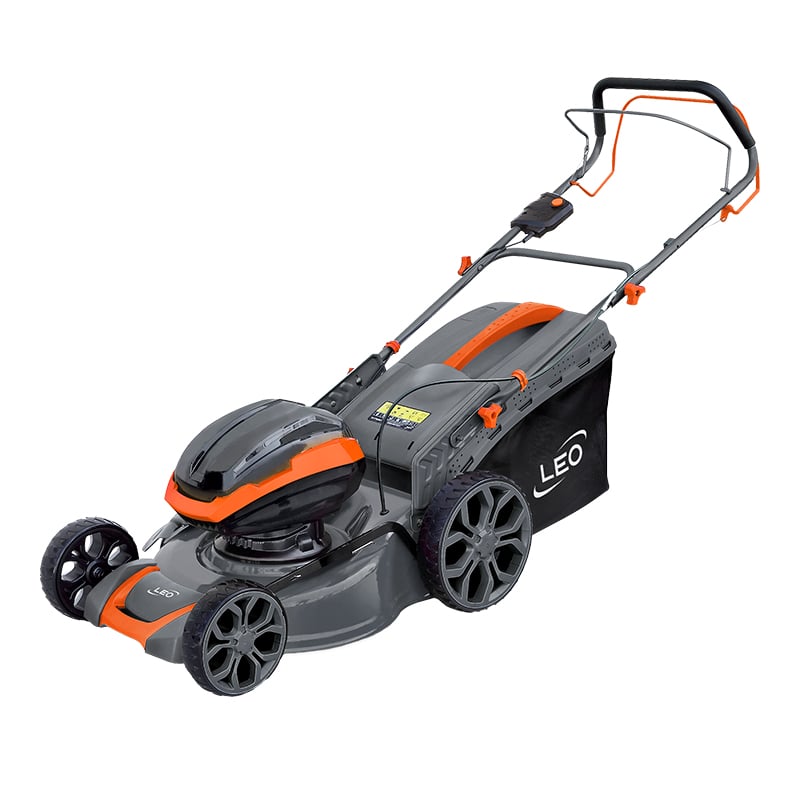
Choosing an electric ride on mower is not automatically the right environmental answer for every garden. A lightweight cordless lawn mower may be a more proportionate tool for a compact, flat lawn. Conversely, a rider can be sensible where a walk-behind machine would require long operating time, repeated passes, or physically demanding work. Terrain, gates, storage, grass area, slope, and mowing frequency should shape the decision.
For buyers comparing zero turn lawn mowers for sale, manoeuvrability can reduce trimming time around beds and trees, but it should be weighed against the size and complexity of the machine. The aim is to select enough capacity for the job without purchasing more machine, battery material, or transport weight than the site requires.
6. Battery life and end-of-life planning are part of the picture
The battery is the main environmental trade-off for an electric ride on mower. Manufacturing a battery requires materials and energy, so keeping it useful for as long as possible matters. Follow the manufacturer’s storage temperature, charging, and seasonal maintenance instructions. Do not leave a depleted battery unattended for long periods, and do not assume that a replacement battery belongs in household waste.
Ask before purchase how battery service, replacement, and recycling are handled in your market. A mower with accessible service support and a credible take-back or recycling route can be a more responsible long-term choice than a cheaper option with no clear end-of-life plan. This is where an electric ride on mower becomes a lifecycle decision rather than just an operating-cost decision.
7. Mowing practice still matters
Even a well-designed electric ride on mower cannot offset poor lawn-care habits. Avoid cutting wet grass when possible, maintain blades, set a sensible cutting height, and avoid mowing more often than grass growth requires. Leaving appropriate clippings on the lawn can return nutrients in many situations, while collected material can be composted where local practice and grass condition allow. Protecting habitat edges and avoiding unnecessary passes are simple choices that reduce energy use.
There is no universally right answer. If your priority is cleaner local operation and reduced engine noise, an electric ride on mower tends to offer clear advantages. If the mower will work on very large, steep, remote, or continuously demanding sites, assess battery capacity, charging access, service support, and total equipment needs before deciding.
Practical checklist before switching
- Measure the area and note slopes, gates, obstacles, and typical grass conditions.
- Compare realistic runtime and recharge needs rather than headline battery size alone.
- Check how and when the mower will be charged and what powers that electricity.
- Confirm local support for batteries, blades, and routine servicing.
- Choose a deck and drive layout that avoids repeated passes and unnecessary trimming.
- Plan for safe battery storage and a legitimate recycling route at end of life.
Conclusion
An electric ride on mower reduces environmental impact most clearly by removing on-site petrol exhaust, reducing engine noise, and avoiding routine fuel and oil handling. Its wider footprint depends on responsible charging, a long-lived battery, a right-sized machine, and efficient mowing practice. Treat it as a system choice rather than a simple fuel swap, and the transition can support a quieter, cleaner approach to maintaining larger lawns.
 Hot News