
 EN
How Does Wheel Design Affect Lawn Mower Mobility on Different Terrains?
A lawn mower can have an appropriate cutting deck and enough power yet still feel awkward to guide. Often, the limiting part is where the machine meets the ground. Wheel diameter, width, tread, material, bearing condition, and wheel layout all influence how a lawn mower rolls, turns, tracks, and resists sinking. For a flat, dry lawn, those details may barely register. On damp turf, a bumpy garden edge, or a mild incline, they become much more noticeable.
When assessing garden tools, it helps to separate mobility into four jobs: rolling over obstacles, maintaining traction, protecting the turf, and changing direction with reasonable effort. No single wheel design leads in every category. The useful question is whether the wheel system suits the terrain a lawn mower will meet most often.
Why mower wheels matter more than they seem
Mower wheels carry the machine’s weight and transmit the operator’s push or the drive system’s force to the ground. Their design changes the size and shape of the contact patch. It also changes the leverage available when a lawn mower meets a rut, root, curb, or uneven seam in the turf. A small hard wheel can move freely on a smooth path but stop abruptly at a rough transition. A larger wheel generally approaches the same obstacle at a shallower angle, so it is easier to roll over.
That does not mean a larger wheel automatically makes a lawn mower easier to use. Larger wheels can add mass, raise the deck relationship to the ground, and make a compact machine feel less nimble in tight turns. The sensible choice depends on the route, not a single headline specification.
Wheel diameter: roll-over ability versus compact handling
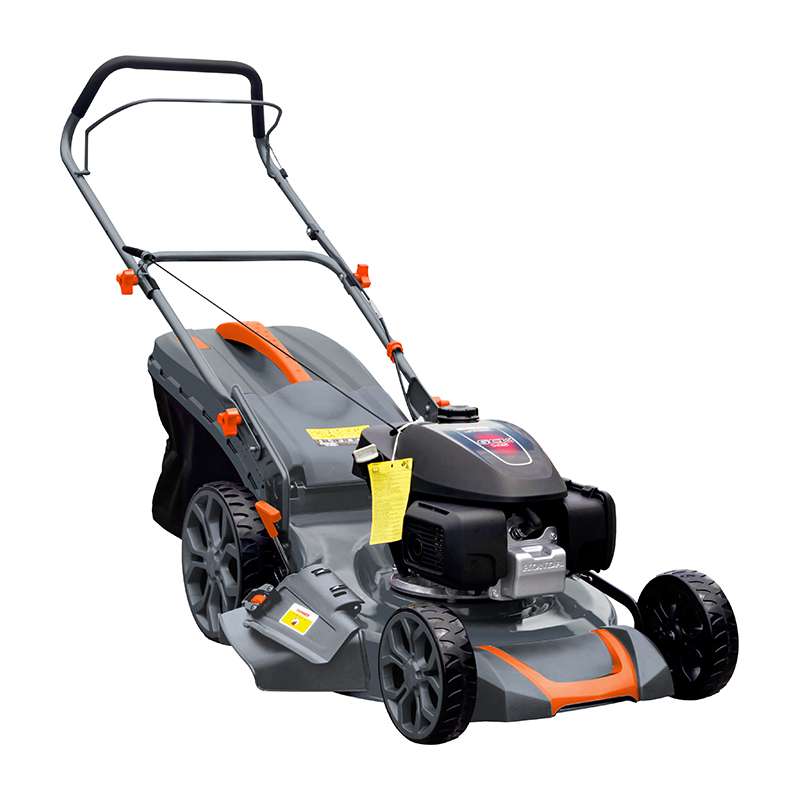
Diameter is often the first feature to examine. Larger rear mower wheels are common on walk-behind machines intended for uneven gardens because they handle small hollows, exposed roots, and coarse turf with less repeated lifting at the handle. They can help a lawn mower keep a steadier line when crossing a shallow rut or a transition from paving to turf.
Smaller wheels suit a level, closely maintained lawn where quick direction changes matter. They keep the machine compact and may make storage simpler. On rough ground, however, a small wheel drops farther into depressions and must climb a relatively steeper face at each bump. That increases the push force required and can make a lawn mower wander from its intended path.
For mixed gardens, a useful compromise is a lawn mower with larger rear wheels and manageable front wheels. The rear pair helps carry the load over irregularities while the front pair still permits practical steering around borders and beds.
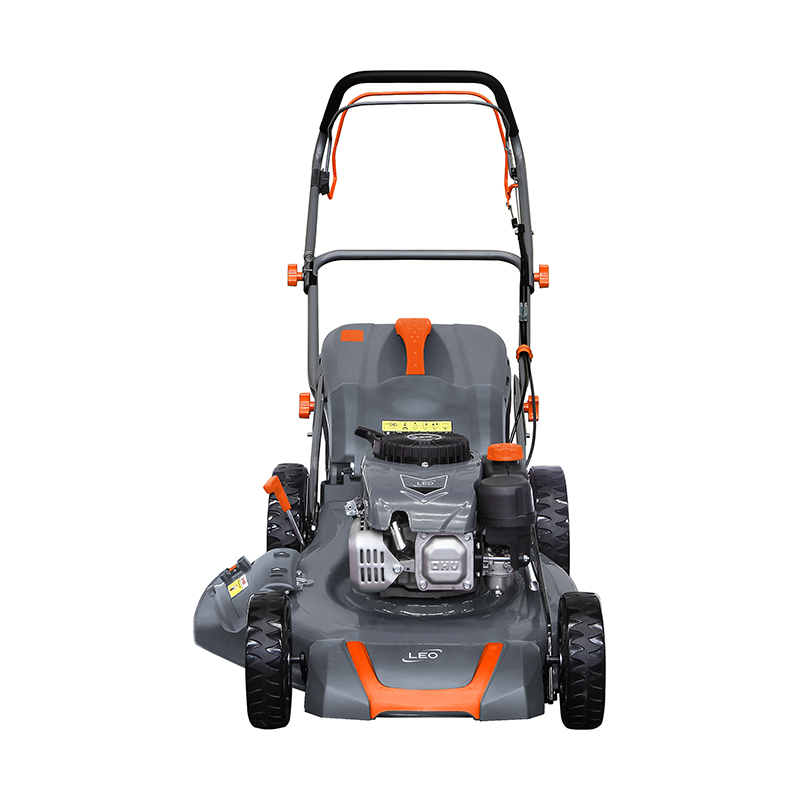
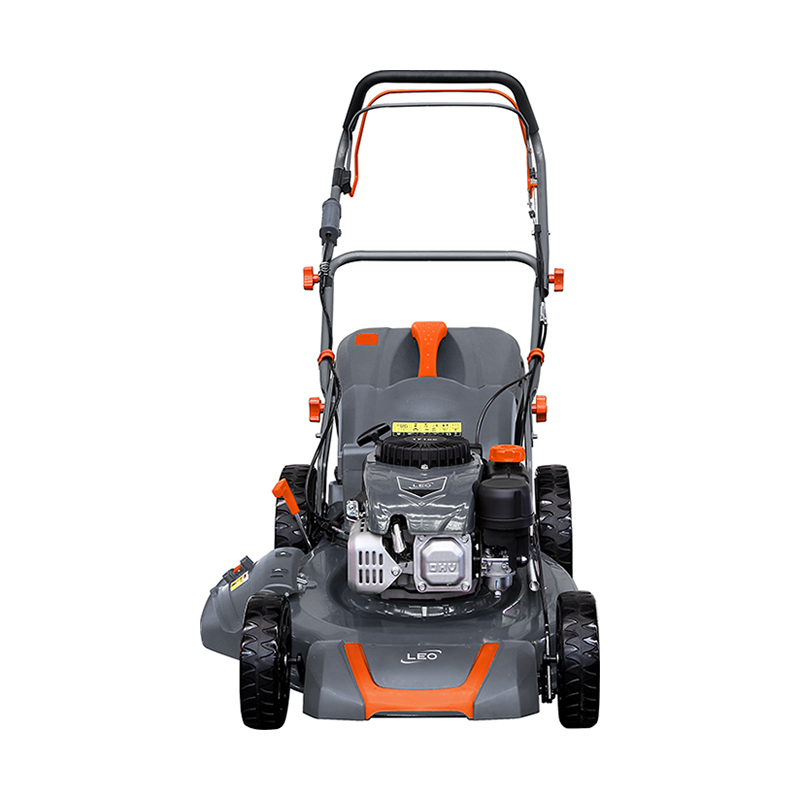
 Wheel diameter influences how a lawn mower approaches uneven edges and shallow ruts.
Wheel width and flotation on soft or damp ground
Width determines how much load is distributed across the turf. Wider mower wheels spread weight over a broader area, which can reduce the tendency to sink into soft soil. This matters after rain, near irrigation zones, or in lawns with light, loose soil. Better flotation can also reduce the force needed to push a lawn mower through a patch that would otherwise leave a rut.
There is a trade-off. A very wide wheel may drag more turf while turning, especially when the turf is wet or when the operator pivots sharply. On a firm ornamental lawn, a narrower, smoother wheel may leave a lighter trace and feel more direct. For a lawn mower used on changing ground, look for enough width to support the machine without treating width alone as a substitute for sensible timing. If the soil is saturated, postponing mowing is usually kinder to both turf and equipment.
Tread pattern: grip must be balanced with turf impact
Tread provides the edges that help a lawn mower resist slipping. A deeper or more open pattern can shed loose soil and find purchase on uneven turf, a modest slope, or a rough garden access route. This can be valuable for a self-propelled lawn mower because drive wheels need grip to translate motor effort into forward motion.
On dry, flat turf, aggressive tread may not be the right fit. It can mark soft turf during turns and may feel less smooth on a hard surface. A moderate turf-friendly pattern is often appropriate where the main goal is clean travel across maintained lawn. If a lawn mower repeatedly loses traction, first check tire wear, inflation where applicable, turf moisture, and wheel-drive condition. A more aggressive tread may be part of the answer, but it cannot make unsuitable slopes or slick ground routine operating conditions.
Wheel material, hubs, and bearings affect rolling resistance
Wheel material influences both durability and the ride transmitted through the handle. Hard plastic wheels can be practical on smooth, dry lawns, while rubberized or more resilient wheel surfaces tend to absorb small vibrations better on broken ground. The hub and bearing arrangement matter just as much. A wheel that wobbles, binds, or has packed debris around its axle adds rolling resistance no matter how capable the tire looks.
Before blaming a lawn mower’s mobility on terrain performance, spin each wheel with the engine off and inspect it. It should rotate smoothly without pronounced side-to-side play. Remove turf buildup, check axle hardware, and replace a damaged wheel or worn bearing according to the manufacturer’s service guidance. Basic maintenance often restores the consistent tracking that operators expect from a lawn mower.
Front-wheel, rear-wheel, and caster layouts
Wheel placement changes how a lawn mower behaves in a turn. Fixed front wheels provide predictable tracking on straight passes. Larger rear wheels can make a walk-behind lawn mower easier to tip back slightly when crossing a lip or turning near an edge. Caster-style front wheels can reduce steering effort on machines designed for that layout, but they require a stable surface and deliberate control when ground is rutted.
For a garden with narrow paths, beds, and trees, prioritize a turning response you can control without scuffing the lawn. For a larger uneven plot, prioritize a lawn mower that stays composed over bumps rather than one that turns most tightly in ideal conditions. Mobility is the combined result of wheel geometry, machine balance, drive configuration, and operator technique.
Terrain-to-wheel matching guide
| Terrain | Useful wheel characteristics | Watch for |
|---|---|---|
| Flat, dry turf | Moderate-width, smoother mower wheels; low rolling resistance | Unnecessary aggressive tread that can scuff during turns |
| Uneven turf or shallow ruts | Larger diameter, solid hubs, smooth-rolling bearings | Small wheels that repeatedly catch and require lifting |
| Soft or damp soil | Broader contact area and a moderate traction pattern | Ruts, compacted turf, and loss of directional control |
| Mild slopes | Sound tread, even wheel condition, and appropriate drive traction | Assuming tire grip removes slope-related operating limits |
| Rough edges or mixed surfaces | Durable wheel material and adequate diameter | Loose axle hardware, cracked hubs, and sudden obstacles |
A practical mobility check before you mow
Use this short inspection when choosing or maintaining a lawn mower:
- Walk the mowing route and note wet areas, exposed roots, loose soil, and slope changes.
- Compare the wheel diameter and width with the terrain you encounter most often, not only the area that looks easiest.
- Inspect mower wheels for worn tread, cracks, loose hubs, debris, and uneven rotation.
- Test the lawn mower at a slow pace on a clear section of ground before working near borders or inclines.
- Adjust your route or delay mowing when moisture makes the surface unstable.
The practical takeaway
Wheel design does not turn every lawn mower into a machine for every surface. It does, however, shape how confidently the mower moves through ordinary garden conditions. Larger wheels can improve roll-over behavior on uneven ground; wider wheels can help on softer soil; appropriate tread can support traction; and sound bearings keep steering effort predictable. Match those features to the terrain, maintain the running gear, and use the lawn mower within its operating guidance. That approach supports steadier mobility while respecting both the machine and the lawn.
 Hot News