
 EN
Brushless Motor Technology in Modern Garden Equipment Explained.
Brushless motor technology has moved from a specialist specification to a useful buying clue across modern garden equipment. You will see it in cordless mowers, trimmers, blowers, hedge cutters and other battery-powered tools. The label can be helpful, but it is not a shortcut to choosing the right machine. A brushless motor affects how an electric motor is controlled, how it handles changing load and how much wear occurs inside the motor. It does not, on its own, define battery capacity, cutting system, ergonomics or durability.
As a garden machinery technical consultant, I start with the job rather than the badge. Is the tool cutting fine lawn growth, trimming dense growth, clearing wet leaves or working through a long maintenance session? Those conditions determine whether the brushless motor, battery platform and tool design work well together. This guide explains what the technology does and how to assess it in garden equipment without over-reading a specification.
What makes a brushless motor different?
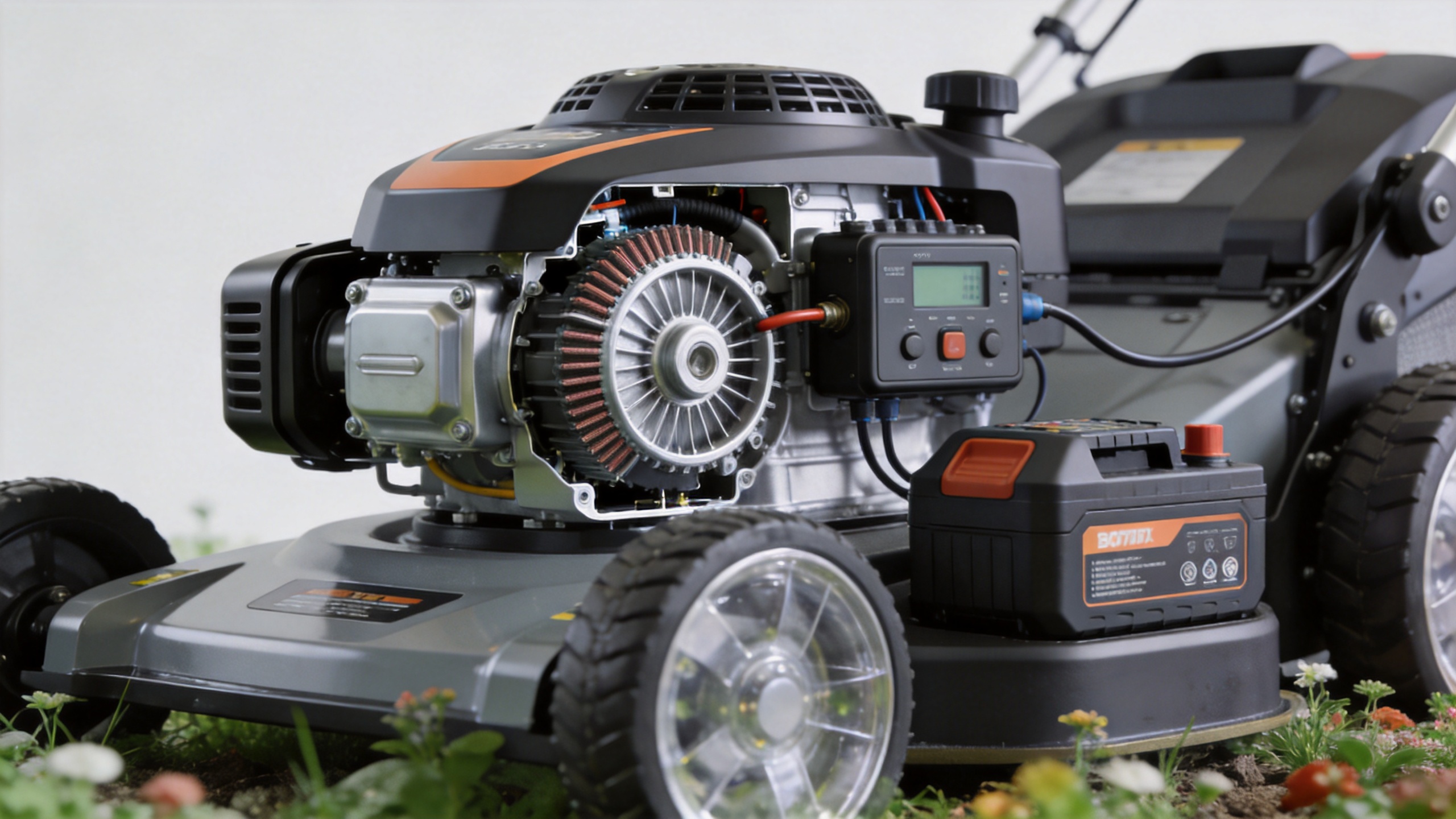
A conventional brushed electric motor transfers current to the spinning part through physical carbon brushes and a commutator. Those parts make contact as the motor turns. A brushless motor replaces that mechanical switching with electronic commutation: a controller sends current to fixed windings in sequence and uses the motor’s position to keep rotation moving in the intended direction.
In practical garden equipment, the controller is as important as the motor itself. It can respond when a mower meets denser vegetation or when a blower needs a short burst of airflow. Instead of treating every task as the same fixed demand, a well-designed controller can adjust output to the workload. That is why a brushless motor is often discussed alongside an electric motor controller rather than as an isolated component.
The absence of rubbing brushes means there is no brush material to wear down or create friction at that contact point. This can reduce routine motor wear and heat losses. However, it does not make the whole tool maintenance-free. Blades, bearings, housings, battery contacts, cooling passages and safety switches still need attention in any garden equipment fleet.
Where the efficiency benefit comes from
The word efficiency is sometimes used too broadly. In this context, it means more of the electrical energy drawn from the battery can be turned into useful rotational work rather than being lost as heat at brushes. Electronic control may also allow a machine to avoid using full power when the task does not demand it. That can support steadier performance and may extend useful runtime under comparable conditions.
There is an important qualification: runtime still depends on battery watt-hours, battery age, temperature, blade condition, cutting height, surface moisture and the operator’s pace. A brushless mower with a small battery is not automatically the right choice for a large lawn. Equally, a larger battery cannot compensate for a dull blade or a deck packed with damp clippings. For garden equipment, motor technology and workload must be evaluated together.
Think of a cordless mower moving from dry, short turf into a heavier patch. A responsive brushless motor system may raise torque or speed when resistance increases, then reduce demand once the load eases. That is a useful form of load management, not a promise of unchanged speed in every condition. Battery protection and thermal limits may still reduce output when the tool is working hard.
How brushless motors influence day-to-day performance
For users, the more relevant question is not “Is it brushless?” but “How does this garden equipment behave in my normal jobs?” Look for clear information about the intended cutting area, compatible battery sizes, variable-speed operation and overload protection. A brushless system can help an electric motor react to resistance, but the result also depends on gearing, blade geometry, airflow and the tool’s overall design.
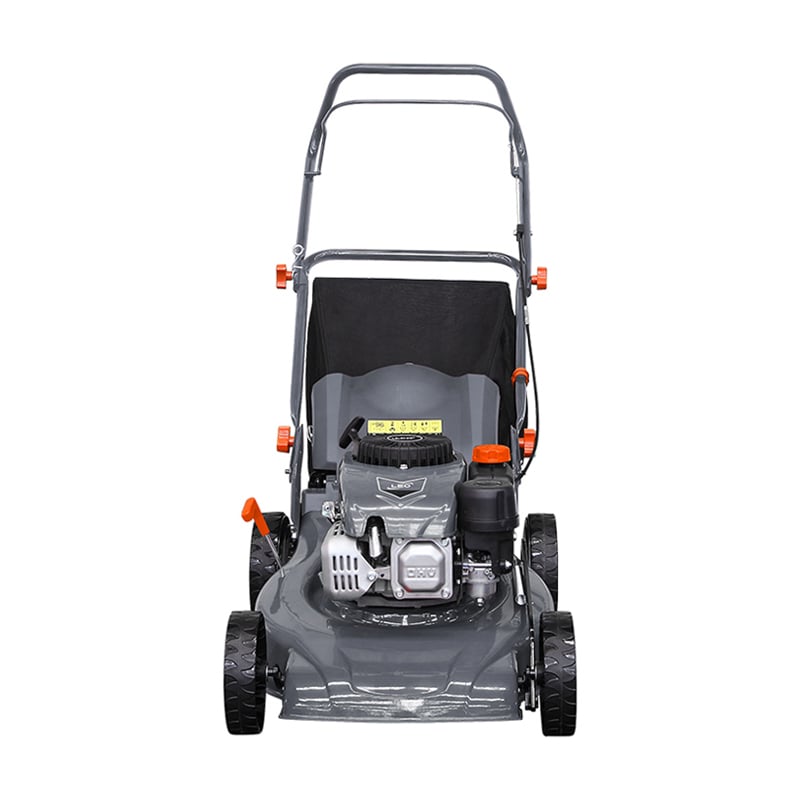
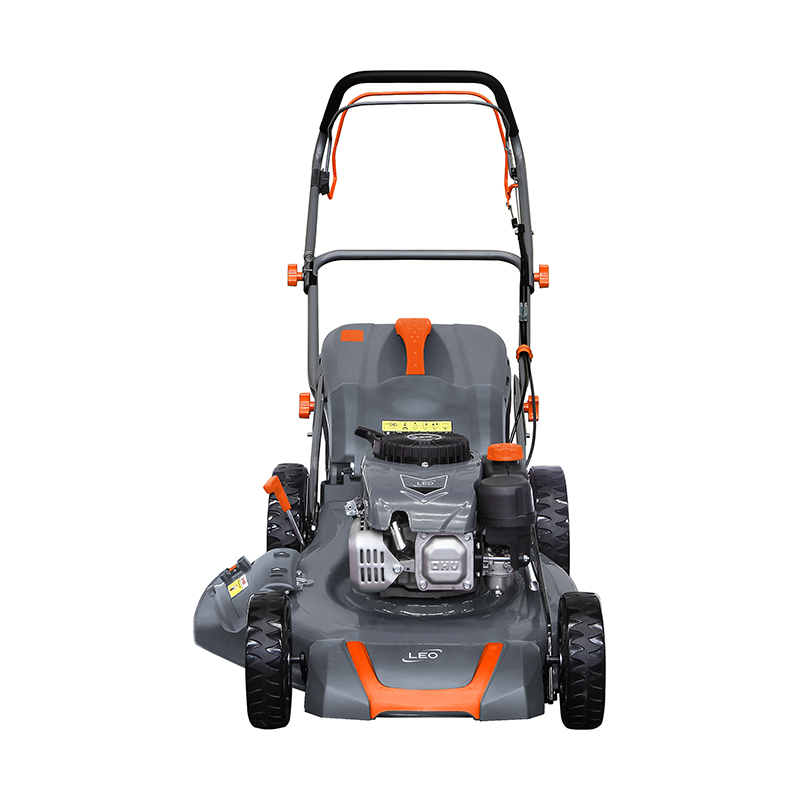
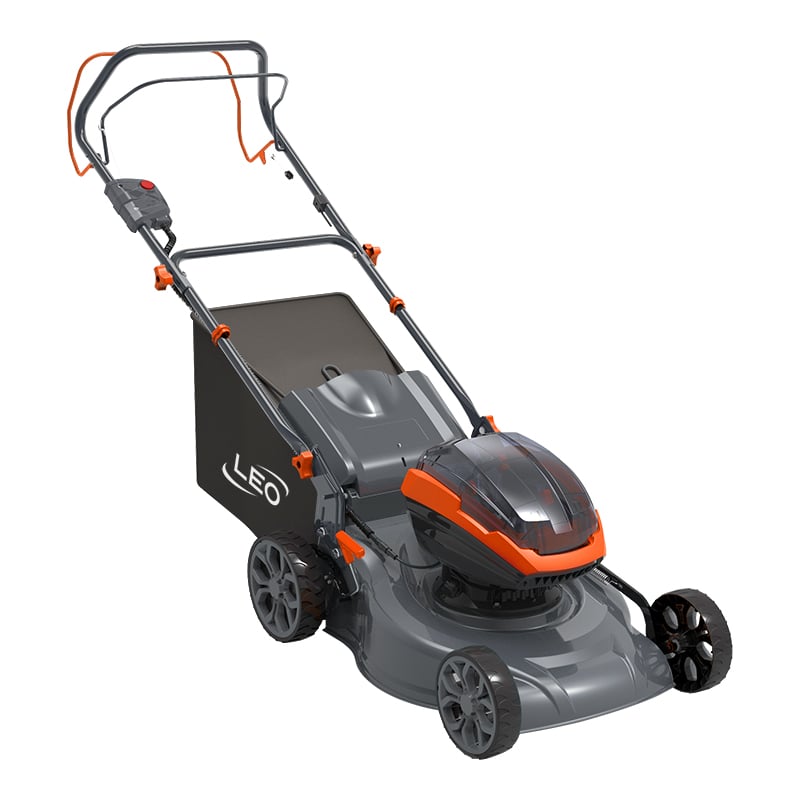
- Lawn mowers: A brushless motor can support controlled blade speed as vegetation density changes. Check deck width, collection or mulching setup and the stated battery recommendation before drawing conclusions about performance.
- String trimmers: Electronic control can be useful when line contacts weeds, edges or thicker stems. Balance, shaft length and guard design still shape how manageable the tool feels.
- Blowers: Variable output is valuable for moving loose leaves without scattering gravel or damaging delicate beds. Air volume, nozzle design and battery size matter alongside motor type.
- Hedge cutters: Blade quality, tooth spacing and cutting capacity determine what material the tool should tackle; the brushless motor supports the drive rather than changing those limits.
In other words, brushless technology can improve the control side of garden equipment, but it should not be used to compare unlike tools. A compact trimmer and a wide-deck mower make different demands on an electric motor, even when both use a brushless design.
Maintenance: lower brush wear is not zero upkeep
One advantage of a brushless motor is that there are no brushes to inspect and replace. That may simplify a portion of long-term service. Yet a sensible care routine for battery garden equipment remains essential. After use, remove vegetation residue, dust and debris from ventilation areas; inspect blades or cutting line; keep battery terminals clean and dry; and store batteries according to the manufacturer’s temperature guidance.
For seasonal storage, avoid leaving a battery tool in a damp shed or a vehicle exposed to temperature extremes. Check connectors for damage before the next session. If a tool repeatedly loses power, smells hot, shows a fault indicator or produces unusual vibration, stop work and consult its manual or a qualified service provider. The controller and battery-management system are electronic components, so a missing brush does not mean every fault can be solved at home.
What to compare before choosing garden equipment
When comparing modern garden equipment, use the motor label as one line on a longer checklist:
- Match the tool to the area, vegetation and expected session length.
- Compare battery capacity and platform compatibility, not just voltage.
- Check whether the tool has variable speed, overload protection or an output mode suited to the task.
- Assess the cutting or airflow system: blade condition, deck design, line head or nozzle can change real-world performance.
- Review weight, balance, charging approach and service access.
- Read the model-specific manual for duty limits and maintenance instructions.
This approach also helps avoid an easy mistake: assuming that a brushless label makes every cordless option suitable for heavy, continuous work. It depends on the job. For a small to medium garden with regular maintenance, brushless battery garden equipment may be a practical fit. For extensive grounds, dense vegetation or long back-to-back sessions, you may need a larger battery set, spare packs or a different class of tool.
The practical takeaway
A brushless motor brings electronic commutation, reduced brush contact and the potential for more responsive power management to modern garden equipment. Those traits can contribute to efficiency, controlled output and less motor-specific wear. They do not replace good tool selection, a suitable battery or routine care.
When you are evaluating an electric motor tool, focus on the complete system and the conditions it will face. The most useful choice is the one whose battery, cutting hardware, controls and intended workload align with your garden—not simply the one with the most impressive motor label.
 Hot News