
 EN
What Factors Affect Lithium Ion Ride On Mower Working Time?
A lithium ion ride on mower makes route planning easier when buyers understand what the runtime claim represents. As a garden-machinery technical consultant, I treat a published figure as a controlled-condition reference, not a promise for every property. The real working time reflects battery capacity, the load created by the cutting job, the power system, and the way the machine is operated.
That distinction matters for dealers, grounds teams, and property owners. Two sites with similar acreage can use very different amounts of energy: one may have dry, short turf and smooth turns, while the other has dense growth, slopes, stop-start work, and collection equipment. A useful estimate starts with the route rather than the marketing headline.
Start With Battery Capacity, but Read It in Context
Battery capacity is the energy reserve available to the mower. It is often expressed in amp-hours, watt-hours, or as a pack configuration. For a lithium ion ride on mower, watt-hours are especially useful because they relate voltage and amp-hours to stored energy. More stored energy can support a longer task, but capacity alone does not determine working time.
Think of battery capacity as the size of the fuel tank and the mowing load as the rate at which that energy is used. A larger pack on a demanding route may finish at a similar time to a smaller pack on light, dry turf. When comparing machines, ask whether the stated figure refers to mowing time, estimated area, a particular speed, or a defined test condition. Those details make the comparison more meaningful.
Battery age and care also influence usable battery capacity. Lithium-ion packs are managed by electronics, yet storage temperature, charging practice, and calendar age can affect the energy available for work. Follow the machine manual, allow a hot pack to cool before charging when instructed, and keep charging areas out of direct sun where practical.
How the Power System Changes Energy Demand
The power system includes more than the battery. It covers the traction motor, cutting motor or motors, controller, wiring, charging arrangement, and the software that manages output. On a lithium ion ride on mower, these parts decide how efficiently stored energy becomes movement and cutting work.
A route with frequent starts, reverses, tight turns, and uphill travel draws energy differently from a long, steady pass. Deck engagement also changes the load. A wider cut can cover more ground in one pass, but it may require more cutting energy when conditions are demanding. Collection, mulching, lifting a chute, lights, or other electrical accessories can add smaller loads as well. The practical question is not simply “How large is the battery?” but “What will the whole power system be asked to do today?”
For procurement, compare the battery architecture with the intended duty cycle. A team maintaining several separated lawns may value a charging plan or interchangeable-pack strategy. A user mowing one compact site may value a simpler schedule. In both cases, the power system should be considered alongside route distance, cutting pattern, and available charging time.
Turf Condition Is Often the Largest Day-to-Day Variable
Cutting load rises when turf is tall, dense, damp, or uneven. That is why the same lithium ion ride on mower can show a different runtime from one week to the next. Search guidance for battery mowers consistently identifies heavy growth and sloped or uneven terrain as conditions that reduce operating duration; the exact effect depends on the machine and the site.
Set an appropriate cutting height and avoid taking too much material in one pass. If the site has become overgrown, breaking the work into a higher initial cut and a later finishing pass may make the job more manageable. It may not shorten the total calendar time, but it can reduce sudden load spikes and make the available runtime easier to plan.
Terrain matters beyond slope. Ruts, soft ground, repeated headland turns, and obstacles make traction work harder. Before committing a lithium ion ride on mower to a new route, walk the route and note where the mower will slow, turn, climb, or stop. Those points are more informative than acreage alone.
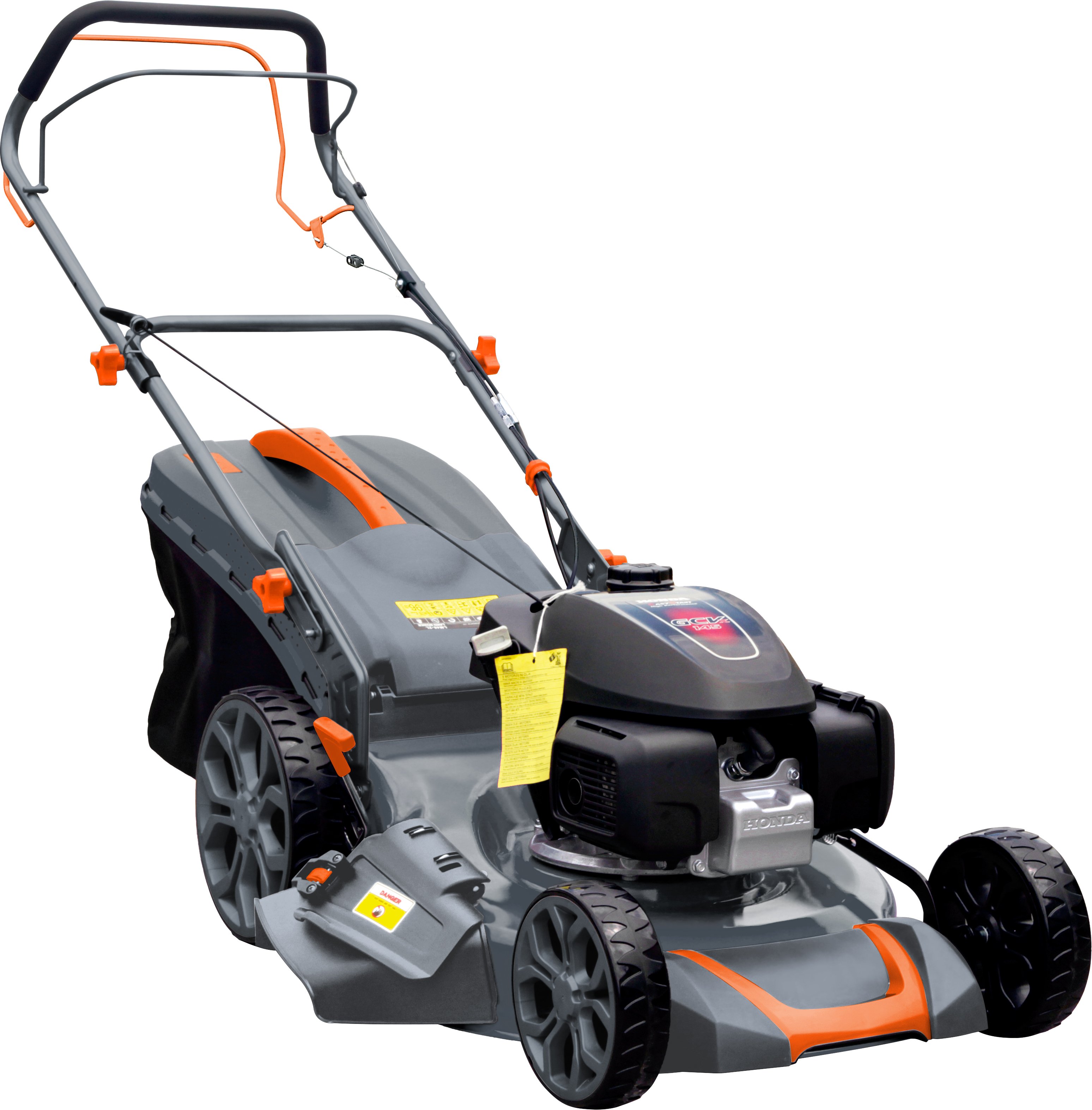 Route conditions and cutting load both affect usable working time.
Operator Choices Affect Mower Efficiency
Mower efficiency is the useful area completed per unit of energy and time. It improves when the route minimizes overlap, cutting starts at a sensible turf height, and the machine travels at a speed the deck can handle. Higher travel speed may not improve mower efficiency; if cut quality drops and a second pass is required, the route can consume more energy overall.
Plan long passes where the site allows them, reduce unnecessary transport between zones, and clear lightweight obstacles before starting. Check tire condition, deck cleanliness, blade condition, and airflow areas according to the manual. A clean, correctly maintained deck helps the power system do its intended work rather than push through accumulated material.
There is also a human factor. A new operator may use more stop-start movement while learning a route. A repeatable pattern, clear zone boundaries, and a charging checkpoint after the most demanding area can improve mower efficiency without relying on aggressive driving.
Temperature, Charging, and Battery State
Ambient temperature and battery temperature can change available runtime. Cold weather can reduce the energy a battery can deliver at that moment, while high heat may lead the management system to limit charging or output to protect the pack. This is context-dependent, so use the operating and charging ranges in the product documentation rather than applying one universal temperature rule.
Begin with a fully charged battery when the route requires it, use the specified charger, and allow time for the normal charging cycle. If work must continue beyond one charge, plan a safe break or a second battery solution before the job starts. Charging logistics are part of working time planning, not an afterthought.
For a fleet, log date, weather, route, cutting height, battery state at start and finish, and interruptions. After a few cycles, the team can create a site-specific planning range for each lithium ion ride on mower. That record is more useful than trying to force every property into a single published runtime.
A Practical Working-Time Checklist
- Confirm usable battery capacity and start with the required charge level.
- Review the turf height, moisture, density, and terrain before estimating runtime.
- Set the deck and travel approach for cut quality, not only top speed.
- Map long passes, turns, slopes, and transport sections to improve mower efficiency.
- Check charging access and the operating guidance for the particular power system.
- Record actual results and adjust the next route plan from real site conditions.
Choose by the Job, Not Only by the Headline
The working time of a lithium ion ride on mower is an interaction between energy storage and real workload. Battery capacity sets the starting reserve; turf, terrain, route design, and deck load decide how quickly it is used. The power system, charging routine, and operating habits then shape the practical result.
When evaluating a mower, describe the largest regular route, expected turf conditions, desired finish, and charging window. That conversation produces a more reliable buying and operating plan than a single runtime figure. It also helps users choose a machine and routine that fit the work they actually need to complete.

 Hot News