
 EN
EN
How Does a Battery Operated Ride On Mower Improve Mowing Efficiency?
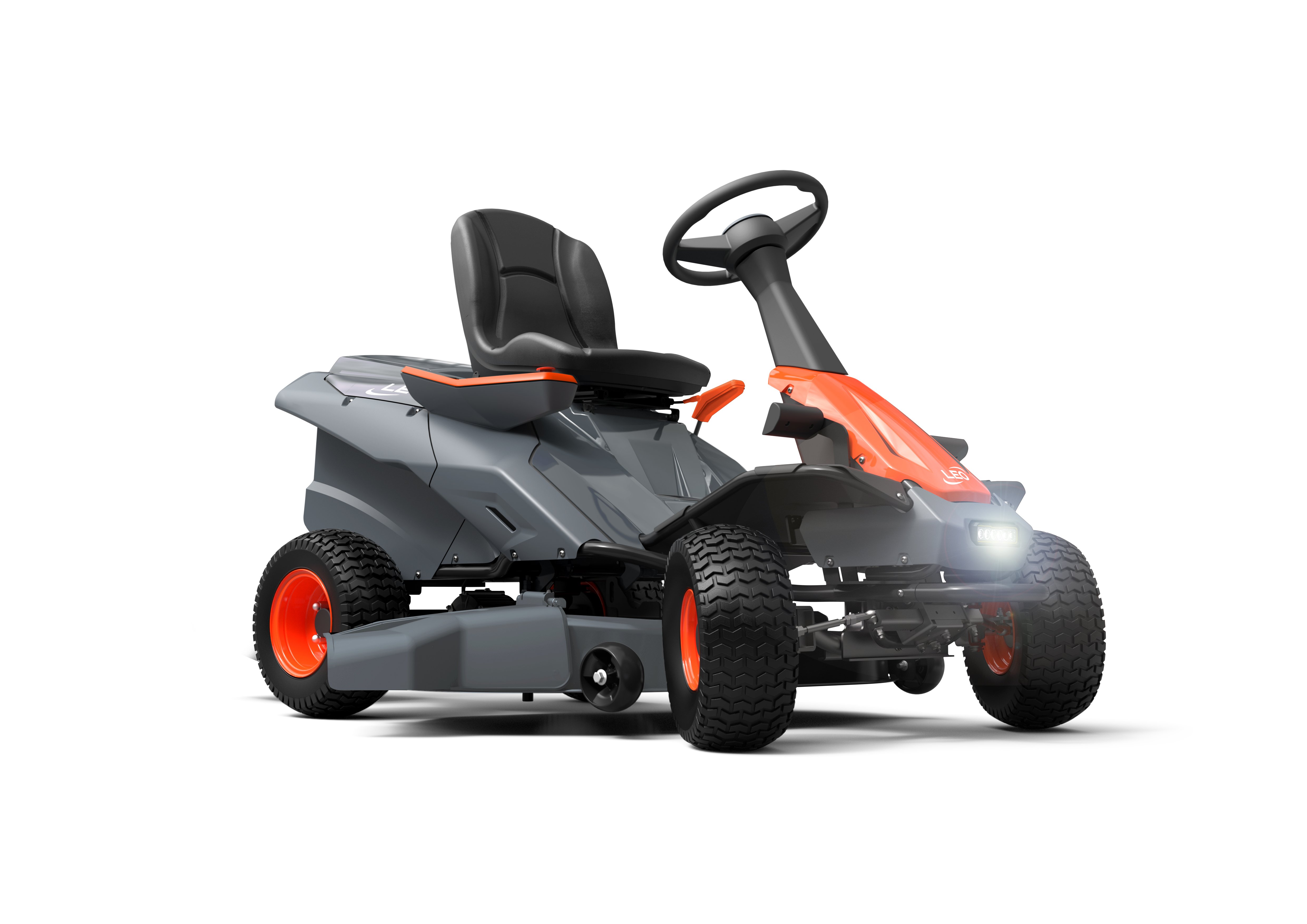
A battery operated ride on mower can make routine grass cutting feel less like a sequence of interruptions and more like a planned job: charge, mow, clean the deck, and put the machine away. That is the practical promise of cordless technology. It does not mean every electric rider is automatically faster than every petrol machine. The gain comes when the mower’s battery capacity, deck width, terrain capability, and charging routine match the lawn.
As a garden machinery technical consultant, I start with the site rather than the headline specification. A large, flat lawn with regularly cut grass calls for one kind of setup; a sloped, rough, or frequently overgrown area calls for another. The number people often focus on is engine size. With a battery operated ride on mower, though, the more useful question is whether the complete mowing cycle fits the property without an unplanned recharge.
Why a Battery Operated Ride On Mower Can Save Time
The clearest efficiency benefit is fewer handling tasks during lawn maintenance. There is no fuel can to collect, no oil level to check before every session, and no extension lead to position or protect. A rider also lets the operator cover open areas while seated, so the machine’s deck width and ground speed do more of the work than walking pace.
Cordless technology helps most when a property has several separated grass areas. You can move from one section to the next without finding a socket or dragging a cable across paths, shrubs, and borders. That reduces setup time and removes the stop-start rhythm that makes a simple cut take longer than expected.
There is a second kind of time saving: reduced routine engine care. A battery-driven drive system still needs cleaning, blade inspection, tyre-pressure checks where applicable, and battery care, but it avoids several petrol-engine service tasks. For a household or grounds team that mows frequently, fewer pre-use checks can make the workday more predictable.
Efficiency Is a Whole-Workflow Calculation
It is tempting to judge a battery operated ride on mower by runtime alone. Runtime matters, but it is only one part of efficient mowing. A useful workflow calculation includes:
- Area and cutting frequency: regularly maintained grass draws less energy than tall, damp, or dense growth.
- Deck width and route: a wider deck can reduce passes across open ground, while a mower that is too wide for gates or trees creates extra trimming work.
- Terrain: slopes, uneven ground, and frequent turning increase energy demand and may slow safe operation.
- Battery capacity and charge window: plan a full charge around the actual job, not the most optimistic advertised condition.
- Cutting setup: blade sharpness, sensible cutting height, and a clear deck help the machine cut cleanly instead of repeatedly working through clumps.
Search results from independent mower testing suggest that some battery riding models can approach two hours of use and cut nearly two acres on a charge. Treat that as context, not a guarantee. Wet grass, hills, high grass, operator technique, battery age, and a particular machine’s configuration can all reduce the area completed. Checking the manufacturer’s stated runtime and conditions remains the sensible starting point.
Where Cordless Technology Improves Day-to-Day Mowing
1. Faster starts and fewer interruptions
When the battery is charged in advance, a battery operated ride on mower is ready without refuelling. That is particularly helpful for a regular weekly cut. The operator can begin at the planned time, complete the route, and return the machine to its charger. For properties that fit within one realistic charge, this repeated routine can be more efficient than making short fuel runs or pausing because a cable is in the wrong place.
2. Easier route planning around obstacles
With no cord behind the machine, you can mow in a continuous pattern around trees, beds, and outbuildings. The benefit is not simply convenience. A cleaner route reduces reversals, cable checks, and the chance of leaving small strips that require a second pass. On a lawn with tight access points, measure gates and turning areas before selecting a deck width; a productive mower must still fit the site.
3. Less noise and vibration burden
Electric drive can make it easier to schedule lawn maintenance at times when a loud engine would be disruptive. Quieter operation is not a promise of silent cutting—the blades and airflow still create sound—but it may make regular mowing easier to manage near homes, schools, or hospitality areas. Less perceived engine vibration can also make longer sessions feel less tiring, provided the seat, controls, and terrain are suitable.
4. A more consistent maintenance rhythm
Efficient mowing depends on consistency. A battery operated ride on mower benefits from a simple after-use routine: remove grass from the deck, inspect the blades, check for damage, and connect the approved charger in a dry, appropriate location. This is not glamorous, but it prevents a poor cut from turning the next session into a repair session. Keep the battery within the storage and charging conditions specified by its manufacturer.
What Can Reduce the Efficiency Advantage?
A battery operated ride on mower may not fit every workload equally well. Very large sites, prolonged commercial routes, sustained heavy grass, steep terrain, or back-to-back jobs may require a larger battery system, spare charging capacity, or a different power choice. The right answer depends on the route and workload, not on whether electric is newer technology.
Charging discipline matters too. If the mower is left uncharged after a session, the next cut begins with a delay. Build charging into the handover routine and use only the compatible charging equipment. Likewise, do not expect a single advertised runtime to cover every season: spring growth, wet conditions, and a low cutting height can change energy consumption substantially.
A Practical Checklist Before You Choose
- Measure the mowing area and note slopes, narrow gates, trees, and separate grass zones.
- Decide how often the lawn needs cutting during peak growth and estimate the time for a normal route.
- Compare realistic battery runtime, recharge time, deck width, and recommended operating conditions—not just peak specifications.
- Check where the mower will be stored and charged safely, with a dry space and access to the approved charger.
- Plan the finishing work. A rider can make open ground quick, but edges and tight corners may still need another tool.
- Ask about battery warranty, service support, blade availability, and the maintenance schedule before purchasing garden equipment.
Make Efficient Mowing Repeatable
The strongest case for a battery operated ride on mower is not that it eliminates every mowing constraint. It is that it can simplify the repeatable parts of the job: no cord management, less engine-related preparation, a direct start, and a comfortable way to cover suitable open ground. For the right lawn, efficient mowing comes from matching the machine to the route and treating charging, blade care, and mowing height as part of the same system.
If your lawn is moderate in size and you can charge between planned sessions, cordless technology can turn lawn maintenance into a smoother routine. If the site is exceptionally large, steep, or consistently heavy, compare battery capacity and real operating conditions carefully before deciding. That balanced approach produces better results than choosing solely on headline runtime or motor power.
 Hot News