
 EN
Common Questions About Electric Garden Machinery Answered
Electric garden machinery has moved from a niche option to a practical choice for many home gardeners, caretakers, and small grounds teams. The useful question is not whether every task should go electric. It is whether a particular tool, battery system, and workload fit together. As a garden-machinery technical consultant would put it: start with the job, then test the specification against the job.
This FAQ explains how to assess electric garden machinery without relying on vague promises. It also covers battery equipment, gardening technology, and the everyday tools that matter once the purchase is home.
What counts as electric garden machinery?
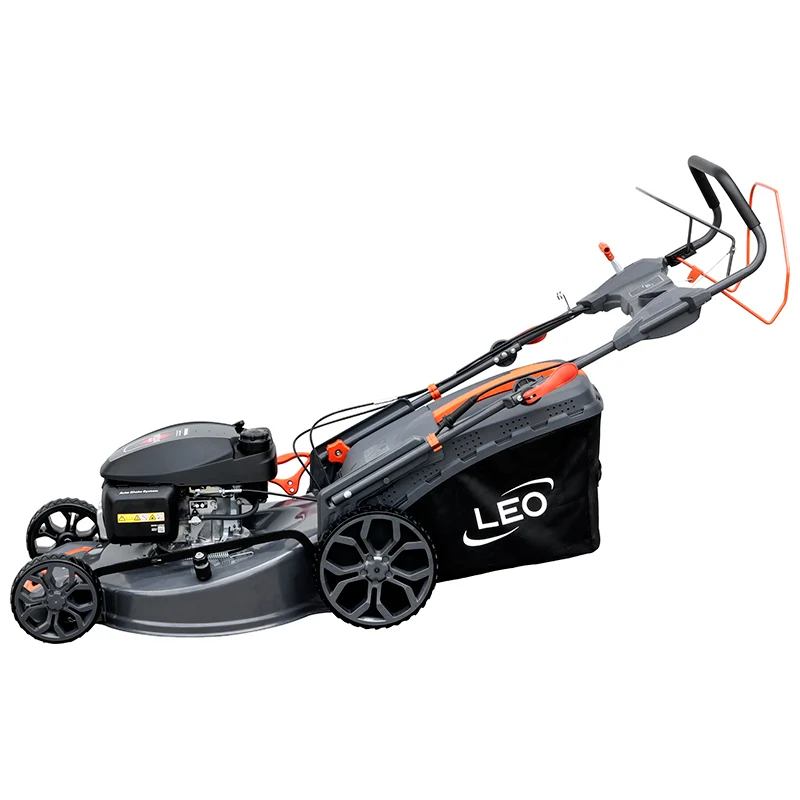
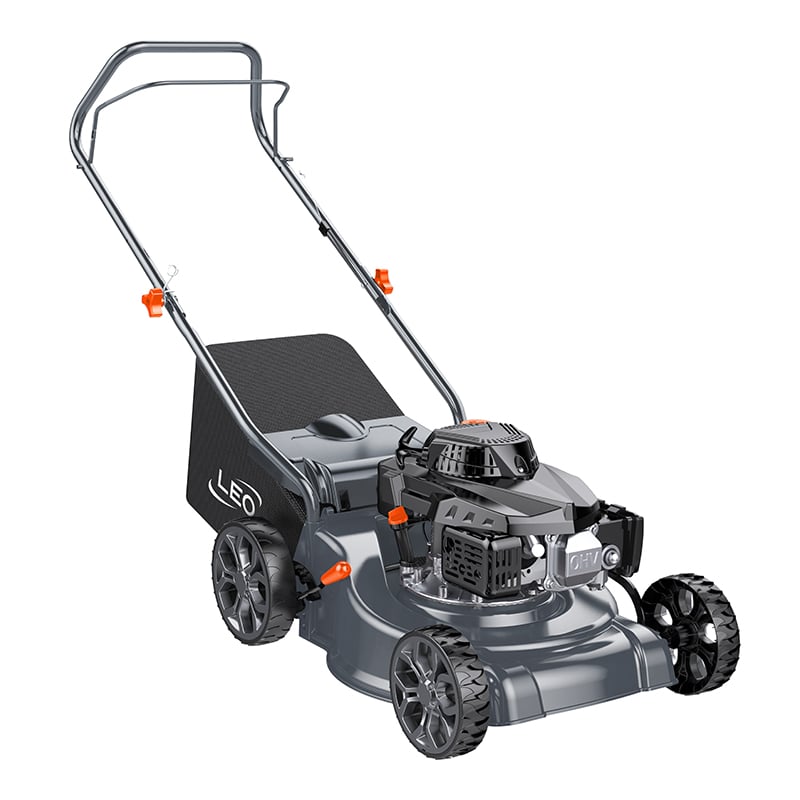
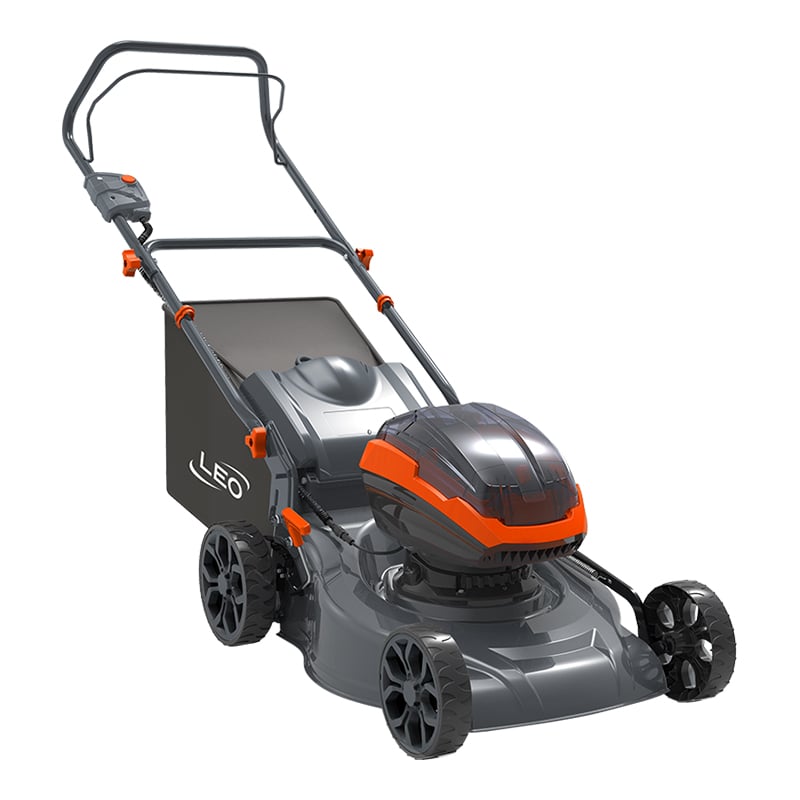
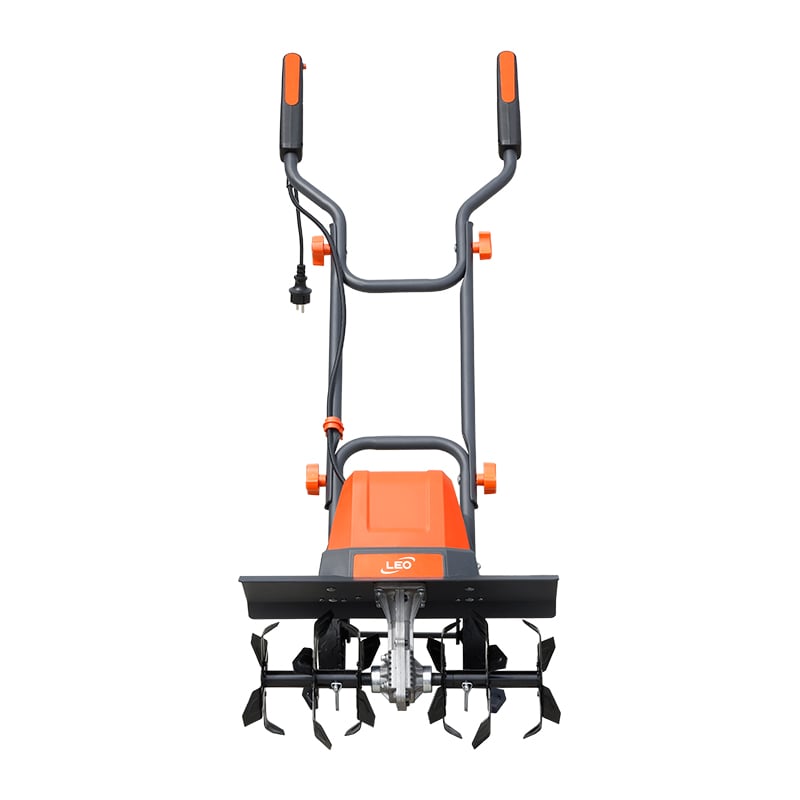
Electric garden machinery includes corded, battery-powered, and sometimes mains-assisted outdoor tools. Common examples include lawn mowers, trimmers, hedge trimmers, leaf blowers, shredders, chainsaws, and tillers. A corded tool draws power from an outlet; battery equipment carries a rechargeable battery; and each approach changes mobility, runtime, weight, and storage needs.
Do not treat electric garden machinery as one uniform category. A lightweight trimmer used for edging a small lawn has very different demands from a mower used on damp, dense grass or a shredder processing seasonal pruning. A sound choice is task-specific rather than technology-first.
Is electric garden machinery powerful enough?
Often, yes—when the tool is sized for the material and duty cycle. Electric garden machinery can be an effective fit for routine mowing, trimming, pruning, leaf clearing, and light garden-waste work. The limiting factor is usually not a simple “electric versus petrol” label. It is the combination of motor design, cutting system, battery capacity, tool condition, and the actual material being worked.
For example, long wet grass, thick woody branches, or repeated commercial shifts can ask more of electric garden machinery than a modest domestic model is designed to deliver. Check the manufacturer’s stated capacity, recommended use, and battery configuration. If the documentation is unclear, that is a reason to ask before buying—not a detail to guess.
How long will battery equipment run?
There is no honest universal runtime figure for battery equipment. Runtime changes with grass height, material density, blade sharpness, terrain, temperature, operator pace, and the battery’s age. A mower working on a flat, regularly cut lawn may behave very differently from the same machine cutting overgrown grass on uneven ground.
When comparing electric garden machinery, look for a stated runtime tied to a specific battery and use case. Then plan with a margin. For a longer session, a second compatible battery may be more useful than choosing the largest tool by headline power alone. This is where gardening technology becomes practical: a system with clearly identified batteries, chargers, and status indicators is easier to plan around.
Should I choose corded or cordless tools?
Corded electric garden machinery can make sense for small gardens with a nearby safe power source and a clear working route. It avoids battery charging between jobs, but cable management can slow work around trees, borders, ponds, and furniture. Use an outdoor-rated extension lead where appropriate and keep the cable well away from cutting paths.
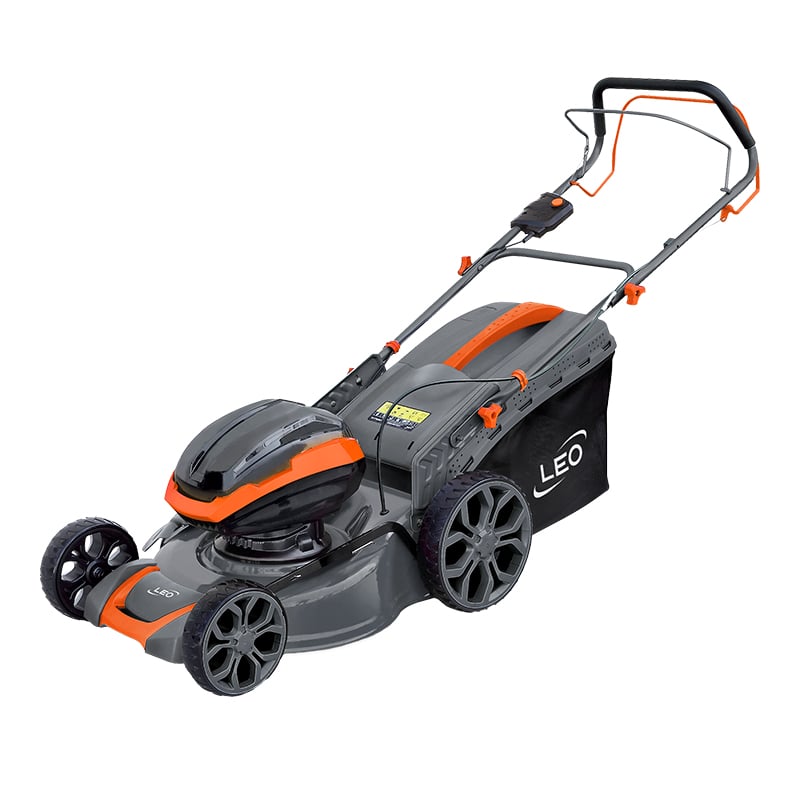
Cordless electric garden machinery offers greater freedom of movement and can simplify work around obstacles. In return, you need to account for charging time, battery condition, and whether one battery platform works across the tools you intend to own. For many people, a compatible battery system is a better long-term question than the advertised runtime of one machine.
Are electric tools quieter?
Electric garden machinery is often perceived as less intrusive than comparable petrol equipment, but “quiet” is not a specification. Cutting blades, airflow, material impact, and hard surfaces can all contribute to perceived noise. For European buyers and distributors, the European Commission identifies Directive 2000/14/EC as the legal framework for noise emissions by outdoor equipment, with specified equipment types covered by its requirements.
In practical terms, ask for the declared sound information for the exact machine, rather than assuming that electric garden machinery is automatically low-noise. A quieter tool can make residential scheduling easier, yet hearing protection and considerate operating times may still be appropriate.
What maintenance does electric garden machinery need?
Electric garden machinery generally removes fuel-related tasks, but it is not maintenance-free. Clean grass, dust, leaves, and sap from guards and vents after use. Inspect cables, plugs, housings, fasteners, cutting parts, and safety controls before the next session. Keep blades and cutting components in sound condition; a dull or damaged cutting part can reduce results and increase strain.
For battery equipment, use the charger specified by the manufacturer. Follow the manual for charging, storage, and damaged-battery handling. Safety guidance on lithium-ion batteries consistently emphasizes following the manufacturer’s instructions; do not use a damaged battery or improvise with a charger from another system. Store electric garden machinery and removable batteries in a dry, secure place away from avoidable heat and direct sunlight, subject to the product instructions.
Can one battery work across all my garden tools?
Sometimes, but do not assume it. Battery compatibility is one of the most useful pieces of gardening technology when it is confirmed across a manufacturer’s current range. It can reduce the number of batteries and chargers you manage, and it may make it easier to add tools later. Compatibility depends on the stated platform, voltage family, connector design, and sometimes the tool’s power requirement.
Before committing to electric garden machinery, make a short list of the tools you genuinely use: mower, trimmer, hedge trimmer, blower, or shredder. Then verify which battery equipment is compatible today and what the warranty and spare-parts arrangements say. A shared platform is valuable only if it supports the work you actually do.
What should I check before buying?
- Workload: How large is the area, how often will you work, and what material will you cut or clear?
- Site conditions: Consider slopes, narrow access, obstacles, damp grass, and storage space.
- System details: Confirm the included battery, charger, claimed use case, and compatible tools.
- Support: Ask how replacement batteries, blades, and other service items are handled in your market.
- Safety: Read the manual and use the required protective equipment for the specific task.
The most reliable way to choose electric garden machinery is to match the machine to the garden rather than buy into a slogan. For occasional light tasks, a compact cordless tool may be enough. For repeated, heavy, or specialist work, compare the documented limits carefully and consider whether a different tool type is the safer and more economical fit.
FAQ: Is electric garden machinery worth it?
Electric garden machinery can be worth it when its mobility, noise profile, maintenance routine, and battery equipment match your garden and work pattern. It is not automatically the answer for every job. A more dependable outcome comes from checking the exact tool, the battery platform, the expected workload, and the available local support before you buy.
 Hot News