
 EN
Commercial Landscaping Equipment Checklist for Professional Contractors
For a professional crew, buying landscaping equipment is not a matter of collecting the biggest machines on the showroom floor. It is a fleet-planning decision. The right mix helps a team finish recurring work predictably, move between sites efficiently, and keep operators comfortable through a full day. The wrong mix can leave an expensive mower parked while a small trimming or transport bottleneck holds up the job.
This checklist is built for contractors who maintain commercial lawns, managed properties, public areas, and larger residential accounts. Use it before replacing a single machine or specifying a complete set of commercial tools. Start with the work you sell every week, then match capacity, service support, and crew workflow to that workload.
Start With the Jobs on Your Schedule
Before comparing brands or power sources, list the properties your crew actually services. Note turf area, mowing frequency, access widths, slopes, obstacles, debris volume, hedge length, irrigation needs, and travel distance between jobs. A compact site with gates and narrow beds calls for different contractor equipment than open grounds with long mowing runs.
- Recurring turf work: weekly mowing, edging, trimming, blowing, collection, or mulching.
- Seasonal work: aeration, overseeding, leaf removal, pruning, cleanup, and debris handling.
- Site constraints: slope, wet ground, low branches, restricted access, noise limits, and on-site storage.
- Crew constraints: operator skill, number of people per route, trailer space, charging access, and time allowed per property.
That inventory makes purchasing more disciplined. If trimming crews wait for a blower, for example, adding another large mower will not fix the route delay. Good landscaping equipment planning is about balancing the whole sequence of work.
Core Lawn-Care Equipment to Put on the Checklist
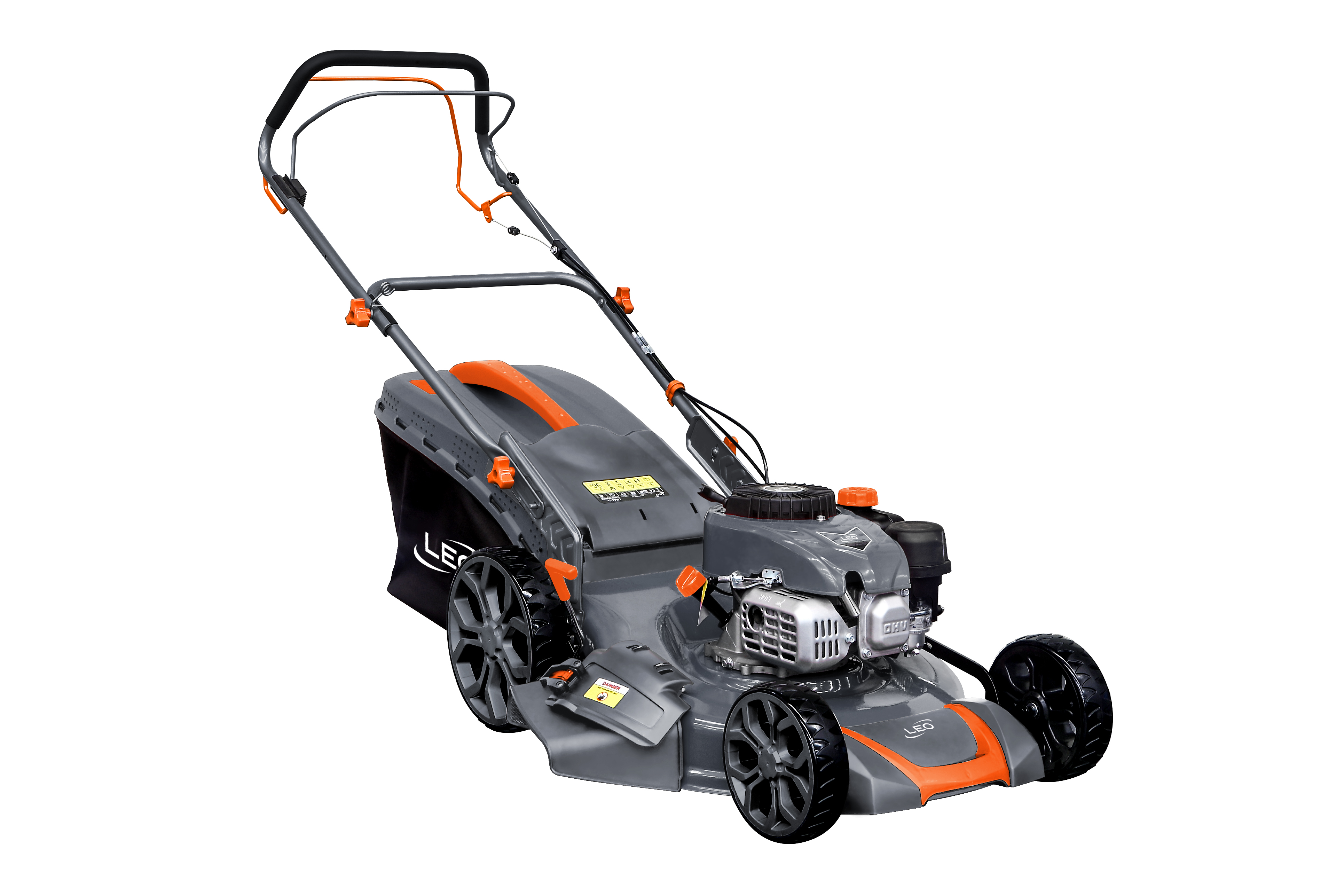
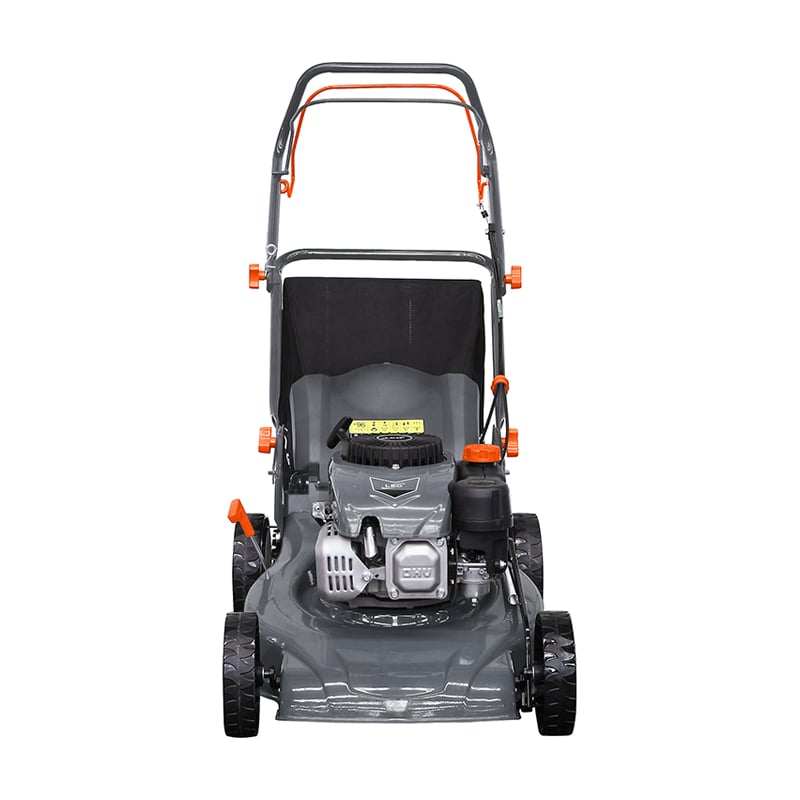
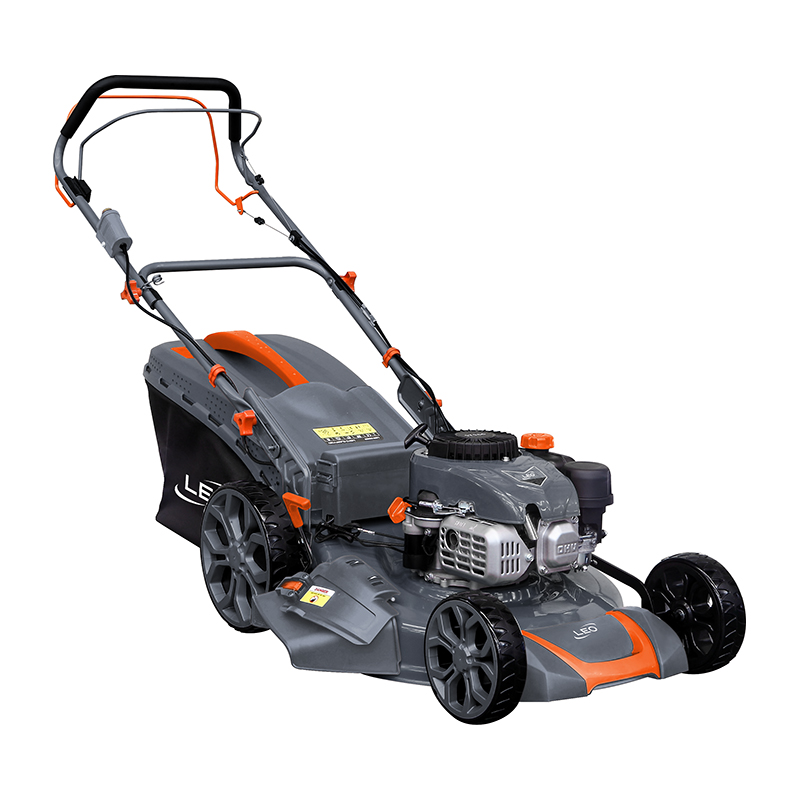
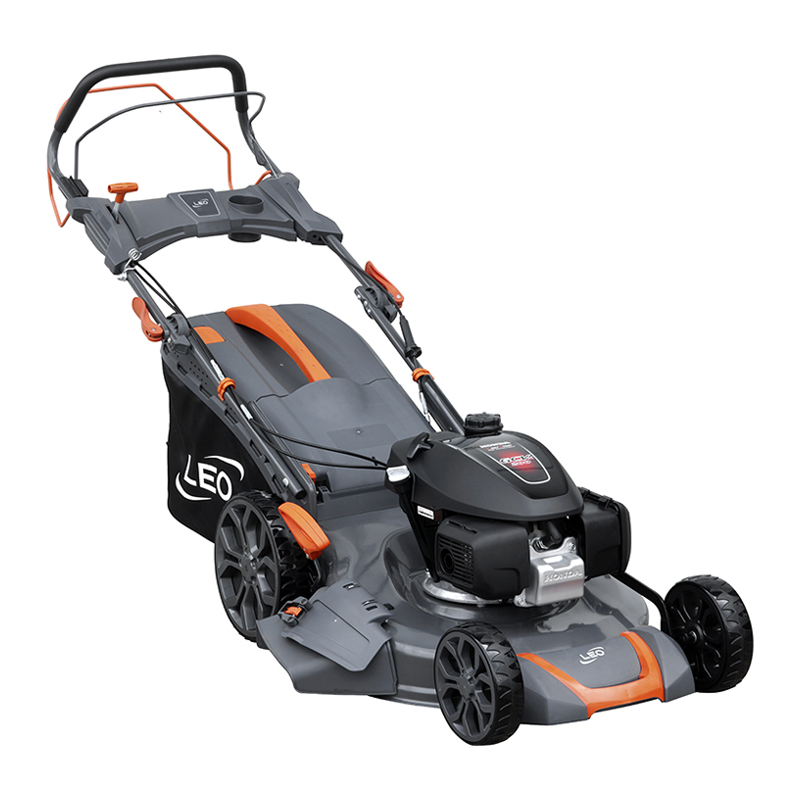
1. Commercial mower matched to the property mix
The mower is often the highest-utilization item in a lawn-care fleet, but deck width alone should not drive the decision. Consider terrain, turning room, transport weight, cut-quality expectations, and how often the machine must move through gates. A larger deck can improve productivity on broad, open turf, yet it may slow a crew in a landscaped complex with islands, trees, and tight paths.
Check the drive system, controls, service access, blade availability, and whether the machine supports the collection or mulching workflow your accounts require. For slopes or uneven sites, confirm the manufacturer’s operating guidance and train operators accordingly rather than assuming one mower style fits every surface.
2. String trimmers, edgers, and brush-cutting capacity
Trimmers and edgers finish the detail work that makes a mow look complete. Include enough units to match the number of operators who need them at the same time; a single shared tool can create an avoidable queue. Evaluate shaft durability, line-loading process, balance, vibration, guard condition, and the availability of replacement heads or blades.
For heavier growth, specify dedicated brush-cutting capacity instead of forcing a light trimmer into woody material. Task-specific outdoor machinery usually produces a safer, more consistent result and reduces wear caused by using one tool beyond its intended job.
3. Blowers and cleanup tools
Cleanup is the final visual check on every service visit. Blowers should be selected for the debris types and property conditions your crews face, not only for headline output figures. Think about operator comfort, noise expectations, battery runtime or refueling workflow, and how the tool fits into the trailer layout. Pair blowers with durable rakes, brooms, tarps, and collection tools so a crew can handle corners, wet clippings, and enclosed areas without improvising.
Add Specialized Equipment Only When the Work Justifies It
Not every route needs every machine. Specialized landscaping equipment earns its place when it has a recurring revenue role or removes a persistent labor bottleneck.
- Aerators and overseeding equipment: for contracted turf-renovation work and seasonal lawn care programs.
- Hedge trimmers and pole tools: for routine shrub, hedge, and low-branch maintenance where reach and balance matter.
- Chippers, shredders, or debris-management tools: when pruning waste is frequent enough to justify on-site processing or more efficient removal.
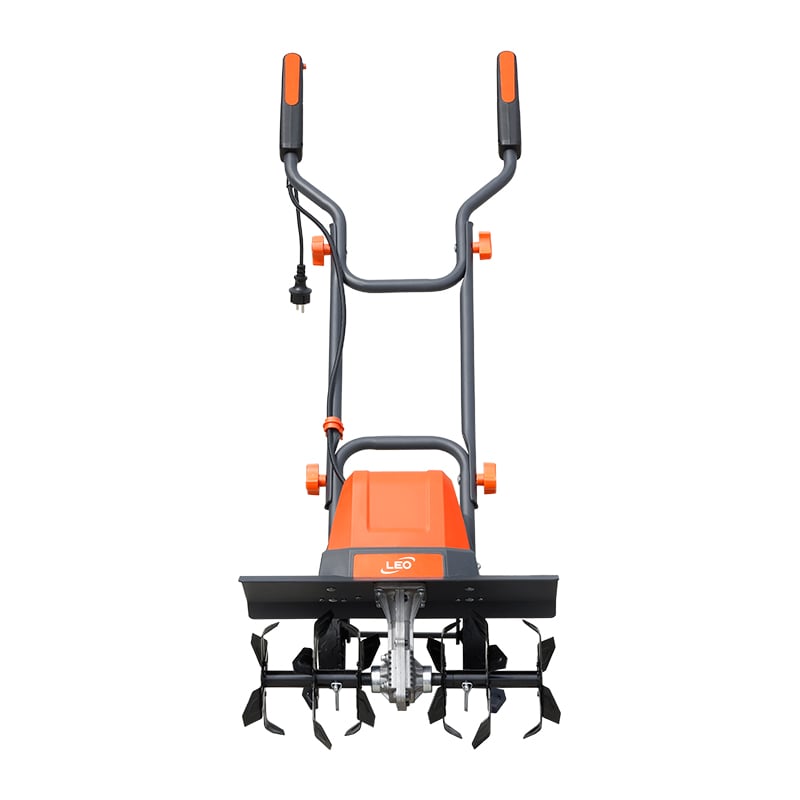
- Tillers or cultivators: for bed preparation and soil work; choose based on access and soil conditions.
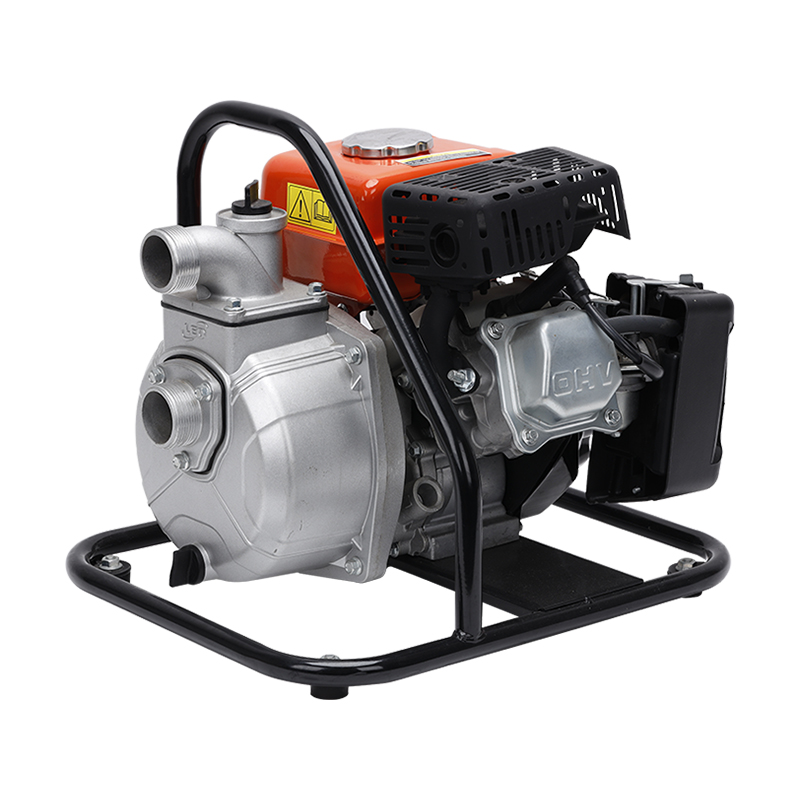
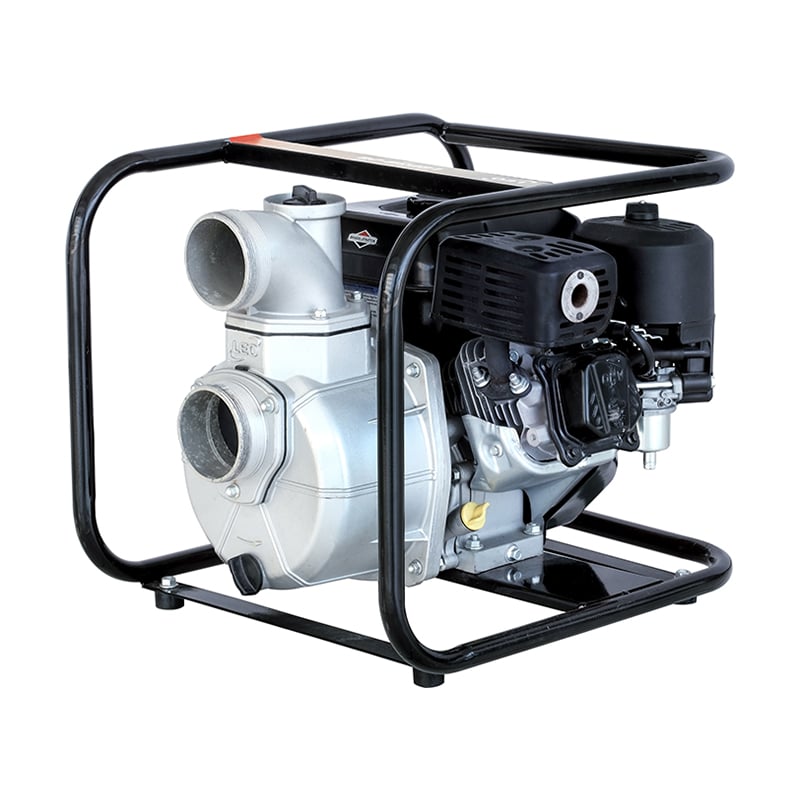
- Water pumps: only when your services and site conditions create a genuine dewatering or water-transfer need.
A useful test is simple: can the machine be scheduled often enough to support its acquisition, transport, maintenance, and storage burden? If the answer is uncertain, renting for an initial season may reveal the real demand before a purchase.
 A balanced fleet is planned around the work sequence, crew needs, and transport routine.
Choose a Power Strategy for the Entire Fleet
Battery, gasoline, and corded options each create different operating routines. There is no universal winner. Battery tools can simplify some daily handling and suit locations with noise sensitivity, but runtime, charging logistics, spare batteries, and weather planning need to be part of the route plan. Gasoline-powered units can be practical for long, remote workloads, while also requiring disciplined fuel, oil, filter, and seasonal maintenance practices.
For any power system, calculate the full operating cycle: what happens at the start of the day, during a long property visit, after a tool is damaged, and when the crew returns to the yard? This is where total cost of ownership matters more than initial price. A lower-cost tool that is difficult to service, slow to recharge, or unsupported locally can become the expensive choice.
Inspect Serviceability, Parts, and Transport Before You Buy
Professional contractor equipment should be evaluated after the sale, not only at purchase. Ask practical questions: Are wear parts and blades available within your service area? Can routine checks be completed without unusual downtime? Is there a clear warranty process? What is the lead time for a replacement unit during peak season?
Then inspect the fleet as a transport system. Confirm trailer capacity, tie-down points, ramps, weight distribution, storage for fuel or batteries, and a protected place for hand tools. A clean loading plan reduces lost time and helps keep commercial tools from being damaged in transit.
Build Daily Safety and Maintenance Checks Into the Route
Equipment selection and safe operation belong together. Before use, crews should follow the manufacturer’s instructions and the site’s safety requirements. A practical pre-start routine can include checking guards and controls, looking for loose hardware or leaks, confirming cutting attachments are in sound condition, and removing debris from critical areas. Operators should use task-appropriate personal protective equipment, such as eye protection, suitable footwear, and hearing protection where needed.
Maintenance should also be planned rather than left to the end of a busy month. Track oil and filter checks, blade sharpening or replacement, battery condition, lubrication points, tire condition, and cleaning. Wet or clumped grass can affect deck performance, so include cleaning and inspection in the workflow instead of treating it as optional. Follow each manufacturer’s manual for service intervals, fuels, lubricants, storage, and safety procedures.
Fleet Deployment Matrix
Use this quick matrix when comparing landscaping equipment across routes. It keeps commercial tools, contractor equipment, lawn care priorities, and outdoor machinery decisions tied to a real operating need.
- Landscaping equipment: match deck access and turnaround room to each property.
- Detail work: assign landscaping equipment trimmers and edgers to active operators.
- Commercial tools: keep blowers, rakes, and tarps together in the loading plan.
- Service: stock commercial tools consumables before peak season.
- Contractor equipment: secure it with verified tie-downs and practical ramp access.
- Uptime: choose contractor equipment with accessible service points and parts support.
- Lawn care: schedule equipment around grass conditions, access windows, and crew capability.
- Quality: check lawn care cutting attachments and cleanup tools before departure.
- Outdoor machinery: deploy it only when the booked task and trained operator fit.
- Maintenance: record outdoor machinery cleaning, storage, and manufacturer-required service.
Final Purchasing Checklist
- Map your recurring services, site sizes, terrain, and access constraints.
- Identify the tools that determine route completion time, not just the most visible machines.
- Select mowing, trimming, edging, blowing, and hand-tool capacity for simultaneous crew use.
- Add specialty machines only when scheduled work supports their total ownership burden.
- Confirm power, charging or fueling, maintenance, transport, and storage workflows.
- Check parts availability, service support, operator training needs, and replacement planning.
- Standardize daily inspections and manufacturer-led maintenance records across the fleet.
Make the Fleet Fit the Work
A useful landscaping equipment checklist is a working document, not a one-time shopping list. Review it each season as accounts change, crews grow, and equipment reaches replacement age. When every purchase has a defined role in mowing, trimming, cleanup, transport, or specialty service, your fleet is easier to operate, maintain, and scale. For professional lawn care, that operational fit is usually more valuable than buying the most powerful machine in every category.
 Hot News