
 EN
Garden Equipment for Property Management: a Procurement Framework
Property managers rarely buy garden equipment for a single lawn. They are building a repeatable maintenance system for entrances, shared greens, paths, courtyards, and seasonal clean-up across a portfolio. The right garden equipment helps crews keep sites presentable, respond to tenant concerns, and work within access, noise, storage, and service limits. As a procurement buyer, begin with the work that must happen every week, not with a catalogue category.
For property management teams, useful garden equipment is equipment that fits the site, the operator, and the service plan. A compact courtyard, a wide residential lawn, and a sloped communal area can need very different maintenance tools. The goal is not to put the largest machine in every shed; it is to create a dependable kit with clear roles.
Start with the property portfolio, not a shopping list
Map each site before comparing garden equipment. Record turf area, slopes, narrow access openings, trees, parking edges, hard surfaces, storage access, power availability, and the maintenance frequency promised in the service agreement. This simple survey reveals where garden equipment needs maneuverability, where it needs output, and where a smaller companion tool will save time.
Property management teams also need to separate routine work from periodic work. Routine garden equipment may cover mowing, trimming, blowing, and edging. Periodic maintenance tools may handle leaf collection, pruning debris, soil preparation, or a change in turf height after wet conditions. Combining those jobs into one vague requirement often creates a fleet that is either underused or unable to cope during peak weeks.
Match machine size to access and terrain
Cutting width is only helpful when the machine can reach the grass. Garden equipment for a broad open lawn can prioritize coverage, while garden equipment for planted courtyards and obstacles should prioritize turning room and control. A ride-on option can reduce passes on large, accessible areas, but it may still leave edges around beds, posts, and trees for a walk-behind mower or trimmer. Plan that handoff before purchase rather than treating it as a crew problem later.
Terrain deserves the same attention. Choose garden equipment with traction, stability, and operator controls suited to the grades and surface changes on the properties. Ask suppliers for documented operating guidance for slopes instead of applying a general rule to every model. Wet turf, loose material, and uneven transitions can alter the practical choice.
Build the core garden equipment kit around recurring work
A practical commercial equipment plan begins with tasks, not brand names. For many managed properties, garden equipment can be grouped into a mowing unit, a detail-finishing unit, a debris-management unit, and a seasonal-support unit. This approach makes it easier to assign maintenance tools, spares, and training to the people who use them.
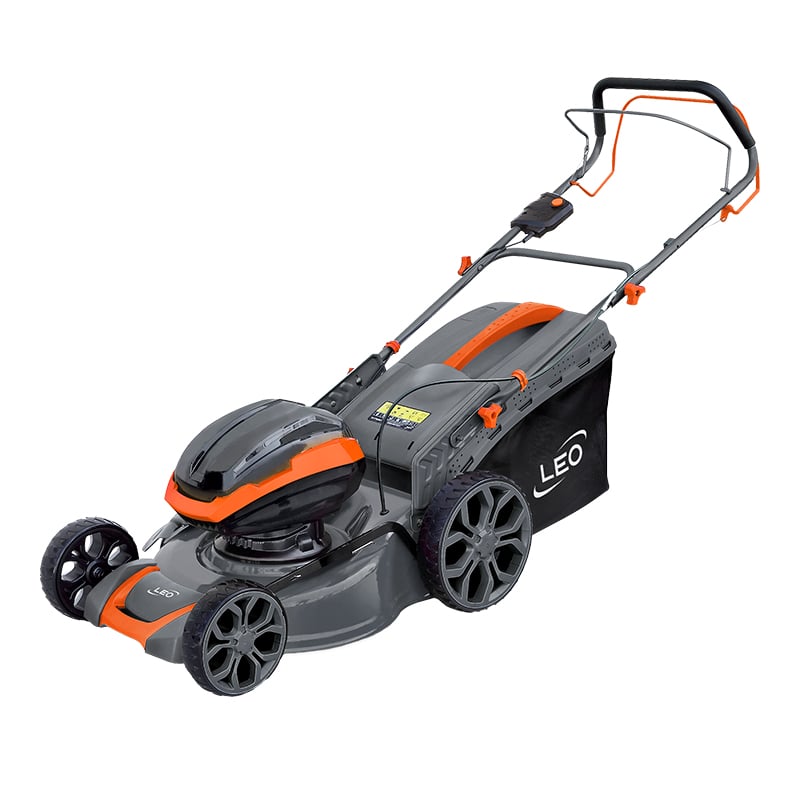
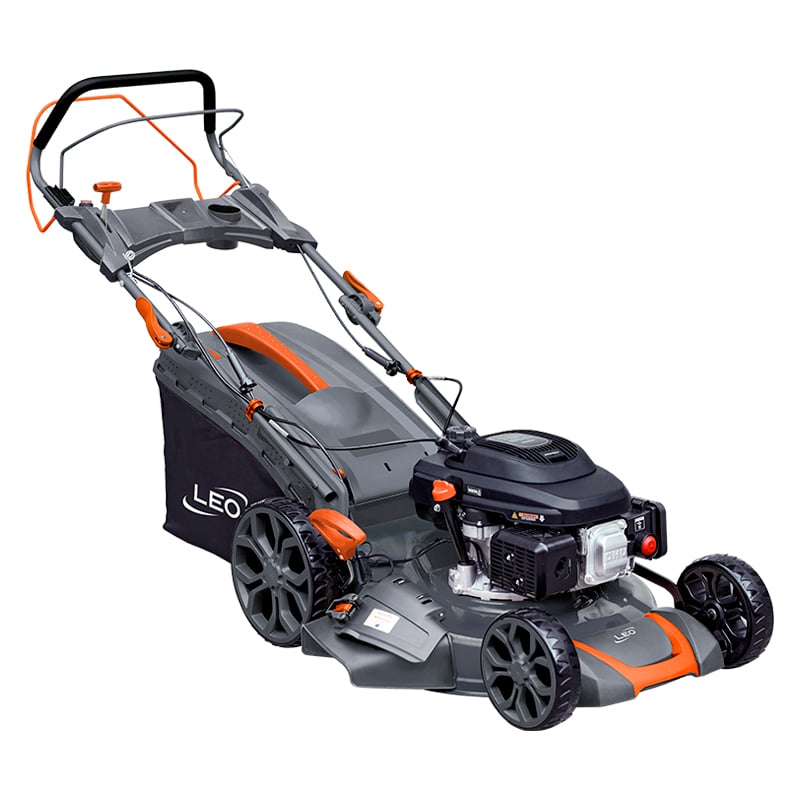
- Mowing: Select garden equipment by lawn size, access width, grass conditions, and the number of sites scheduled per day. Petrol-powered equipment can suit continuous work on large areas; battery-electric equipment may suit sites where quieter operation and local charging logistics matter.
- Detail work: Trimmers, edgers, and hand-held maintenance tools finish areas that larger mowing equipment cannot reach. Review shaft length, balance, guarding, and line or blade change procedures with the intended operators.
- Debris work: Blowers, collection equipment, and shredding options should be matched to leaf volume, disposal routes, and neighborhood noise expectations. A dedicated debris workflow can keep clippings from becoming a second visit.
- Seasonal work: Tillers, aeration attachments, or pruning-support garden equipment may make sense when they have a planned annual workload. If the work is occasional, compare ownership with a service or rental arrangement.
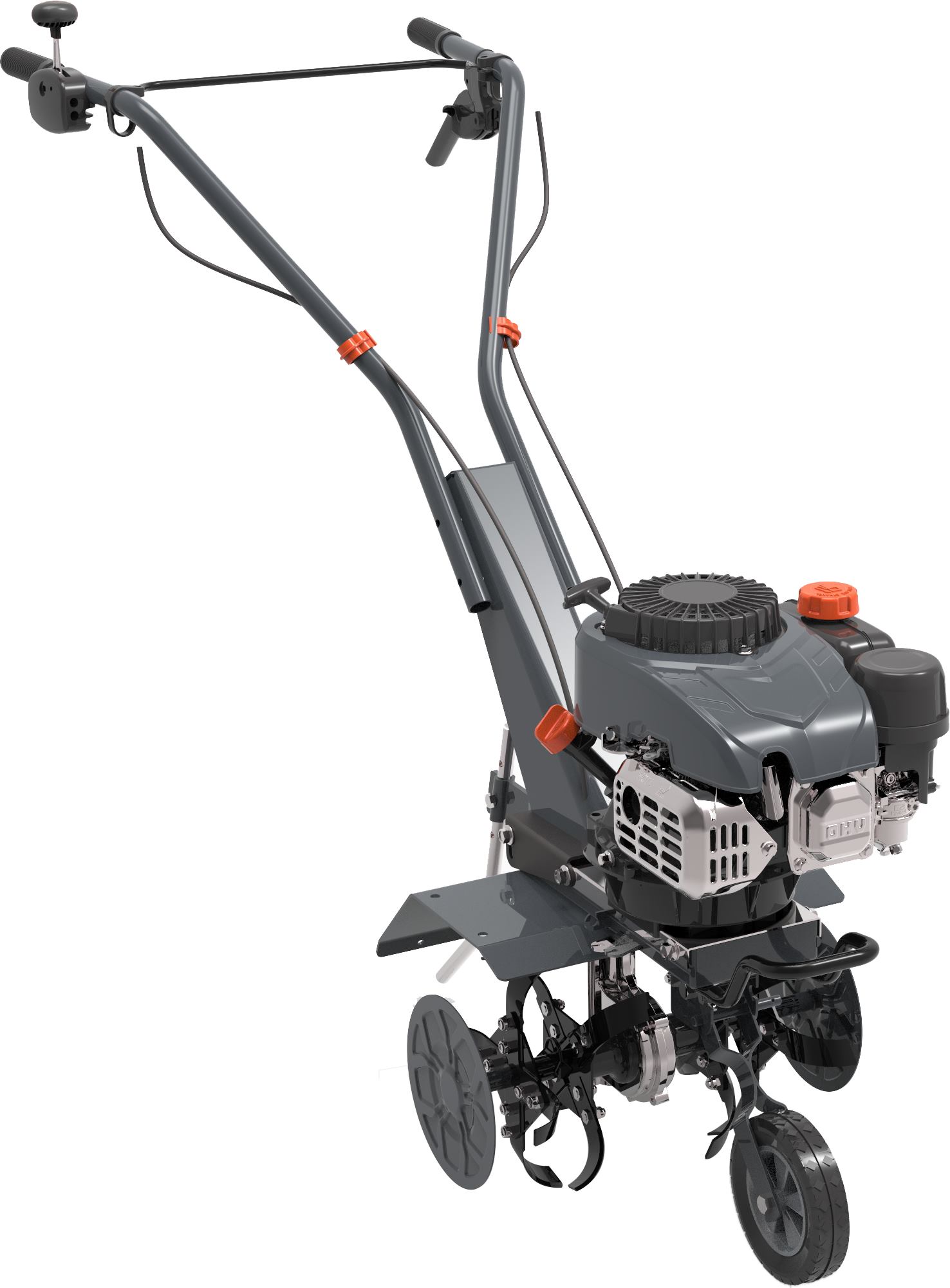 Match garden equipment to site access, recurring work, and crew workflow.
Evaluate commercial equipment by total operating fit
The purchase price is only one part of a garden equipment decision. Property management buyers should compare service intervals, consumables, storage needs, battery or fuel handling, training time, downtime response, and parts availability. A lower initial figure can lose its appeal when one out-of-service mower interrupts a tightly planned route.
Create a short comparison sheet for each garden equipment category. Include working area per shift, access constraints, operator rotation, planned service schedule, and who can approve repairs. For petrol equipment, confirm start system, fuel requirements, and winter storage steps by model. For cordless garden equipment, compare real working routines: charger locations, battery rotation, weather exposure, and whether shared packs can cover the scheduled route. Do not assume that a stated feature applies across an entire range.
| Selection question | Why it matters for property management |
|---|---|
| Can the garden equipment pass access openings and navigate obstacles? | Access determines whether planned productivity is achievable. |
| What work is completed per shift? | It helps size the fleet and schedule backup capacity. |
| What service support is available? | Parts and repair timing affect continuity across sites. |
| What noise and safety controls are required? | They shape operating windows, training, and site communication. |
Put safety, noise, and inspection into the buying decision
Garden equipment procurement should include the working conditions around it. In the United States, OSHA lists hearing protection and equipment standards among guidance relevant to landscape and horticultural services; local duties and site rules can differ. That is a reason to involve the safety lead early, particularly where crews work near residents, visitors, vehicles, or schools.
Before each use, crews should follow the organization’s visual and functional inspection process for garden equipment: guards, controls, fasteners, cutting components, leaks, cords, batteries, and emergency-stop features where applicable. Procurement can make that routine easier by standardizing compatible garden equipment, keeping manuals accessible, and including spare consumables in the initial order.
Noise is also a scheduling issue, not just a machine specification. Commercial equipment used near apartments may require different operating windows than equipment used at an industrial property. Compare measured information provided for a specific model, discuss local requirements, and plan a quieter alternative where the portfolio needs one.
Use a fleet plan that crews can maintain
Garden equipment earns its place when operators can use, inspect, store, and service it consistently. Give each crew a simple handover record: machine ID, site assignment, hours or charging cycles, fault notes, and next service date. That record helps property management teams see whether garden equipment is sized correctly and whether a recurring failure is a training, maintenance, or specification issue.
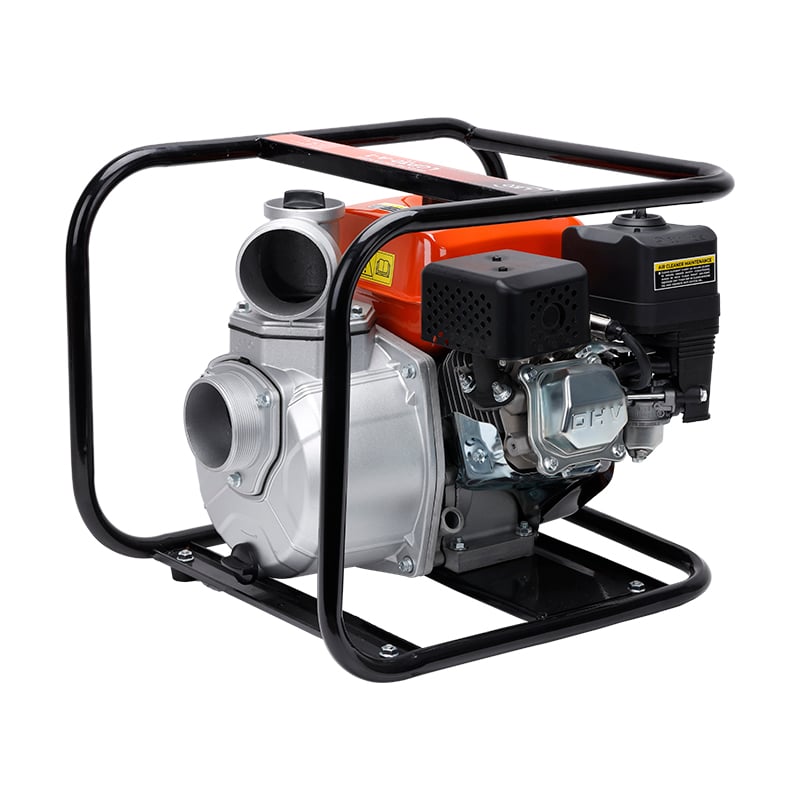
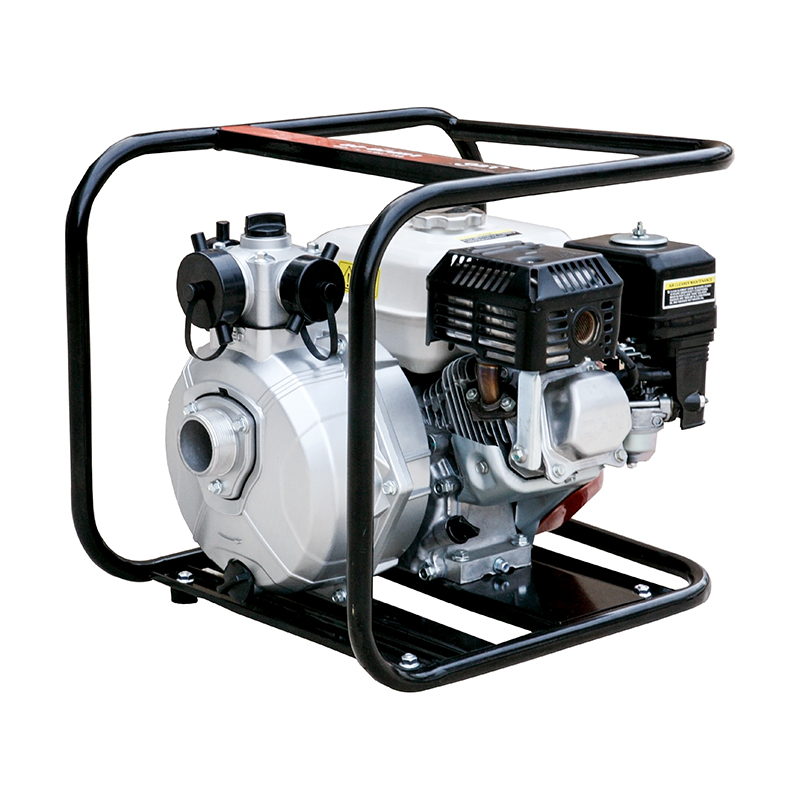
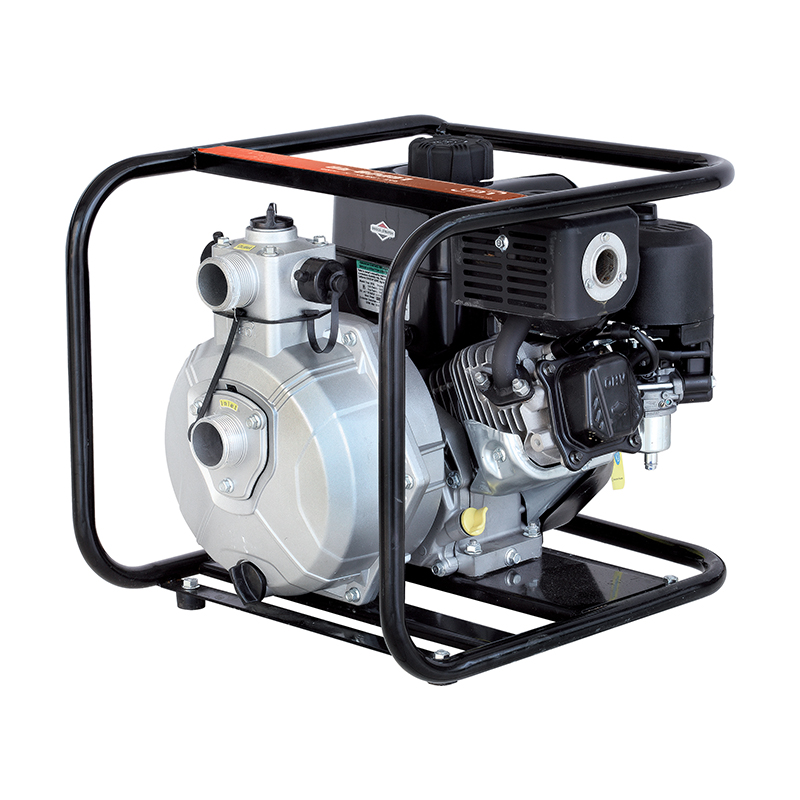
When sourcing commercial equipment, assess the supplier relationship as well as the machine. A garden machinery specialist can help buyers compare mower, ride-on mower, shredder, mulcher, tiller, and water-pump categories, while the buyer still needs to confirm model-specific documentation, market requirements, packaging, and service arrangements. For international procurement, clarify applicable compliance documents and labeling needs before an order is released.
A practical purchase sequence
- List each property’s recurring landscaping tasks and access constraints.
- Define the garden equipment needed for routine work, peak-season work, and emergency backup.
- Compare commercial equipment using total operating fit, not headline power alone.
- Check model-specific documentation, safety features, service support, and consumable availability.
- Trial the garden equipment on representative sites when possible, then document the crew’s feedback.
- Standardize the garden equipment that fits the portfolio and train crews on inspection, storage, and reporting.
Choose for reliable grounds care
Property management companies get more value from garden equipment when every item has a defined job in the maintenance plan. Match garden equipment to terrain, access, crew workflow, noise conditions, and service capacity; then support it with inspections, training, and realistic backup planning. That disciplined approach turns maintenance tools from isolated purchases into a more manageable grounds-care operation.

 Hot News