
 EN
What Should Buyers Know About Gasoline Lawn Mower Fuel Efficiency?
Fuel efficiency is rarely a single number on a specification sheet. For a buyer evaluating a gasoline lawn mower, the useful question is how much work the machine completes per litre under the grass, terrain, climate, and service conditions it will actually face. That matters to distributors, professional users, and garden owners: a lower purchase price can lose its appeal when the mower needs frequent refuelling, slows in dense grass, or develops avoidable service issues.
As a garden-machinery procurement buyer would assess it, the right gasoline lawn mower is not necessarily the one with the smallest engine. It is the one whose engine, deck, drive system, and maintenance needs fit the intended workload. This guide explains the factors behind fuel consumption, what to ask a supplier, and how everyday mower operation protects engine performance.
Start With Work Completed, Not a Headline Consumption Claim
Buyers often ask for litres per hour, but that figure changes sharply with conditions. A gasoline lawn mower cutting short, dry turf on level ground works very differently from one cutting tall, damp, dense grass on a slope. Blade width, travel speed, self-propelled drive load, grass collection, and the number of turns around trees all influence fuel consumption. A fair comparison therefore considers both runtime and area covered per tank or per hour.
Ask for a realistic test condition when comparing a gasoline lawn mower: typical grass height, whether the grass was dry, cutting-height setting, drive mode, and whether clipping collection was used. Without those details, a consumption claim is only a loose reference. A contractor may value productivity per shift more than the lowest hourly figure. A residential buyer may place more weight on easy handling and avoiding unnecessary engine size.
Match Engine Capacity to the Lawn and Cutting Load
Engine displacement and advertised power are useful starting points, but they do not tell the entire efficiency story. An undersized gasoline lawn mower can struggle when the deck is full of heavy grass. The operator may then slow down, repeat passes, or make several stops to clear clippings. Those delays increase total fuel used for the job and can affect engine performance over time.
Conversely, selecting a much larger engine than the work requires may add cost, weight, and fuel demand without meaningful benefit. A practical buying brief should describe lawn area, slope, grass type, expected mowing frequency, and whether the machine will cut neglected growth. For large gardens or repeated commercial work, continuous power is a legitimate strength of a gasoline lawn mower. For smaller, flat lawns with regular cutting, a simpler push format may be sufficient.
Look Beyond the Engine Alone
- Deck width: A wider deck can reduce passes on open ground, but it may be less efficient around narrow paths and obstacles.
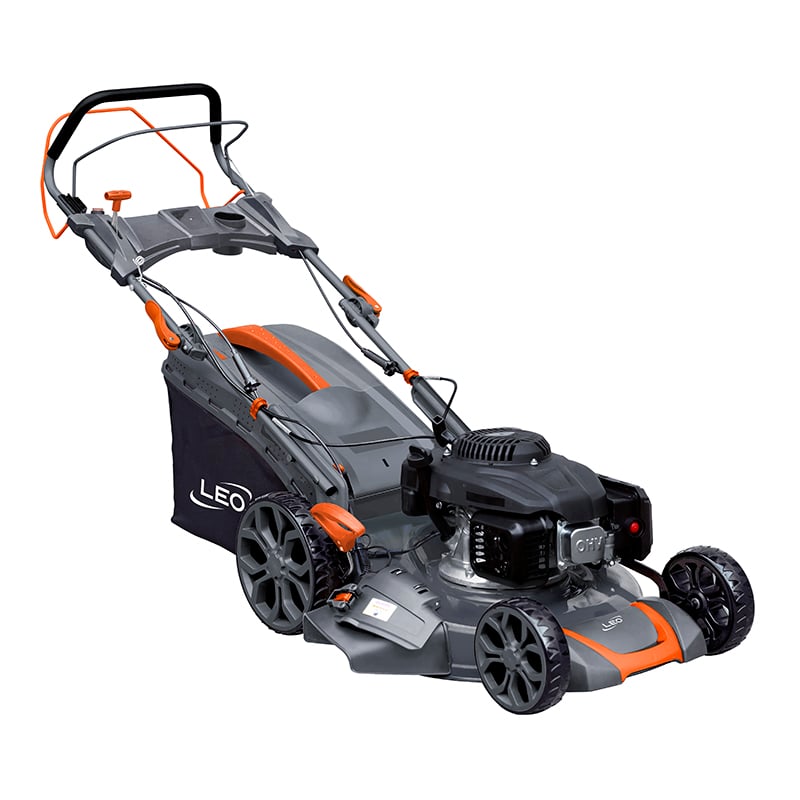
- Drive system: A self-propelled gasoline lawn mower reduces pushing effort on slopes, while its drive system also adds a load that should be appropriate for the terrain.
- Cutting and collection mode: Bagging, mulching, and side discharge place different loads on airflow and the blade. The suitable choice depends on grass condition and local maintenance practice.
- Height adjustment: A mower that can be set sensibly for the season helps avoid overloading the engine by removing too much grass in one pass.
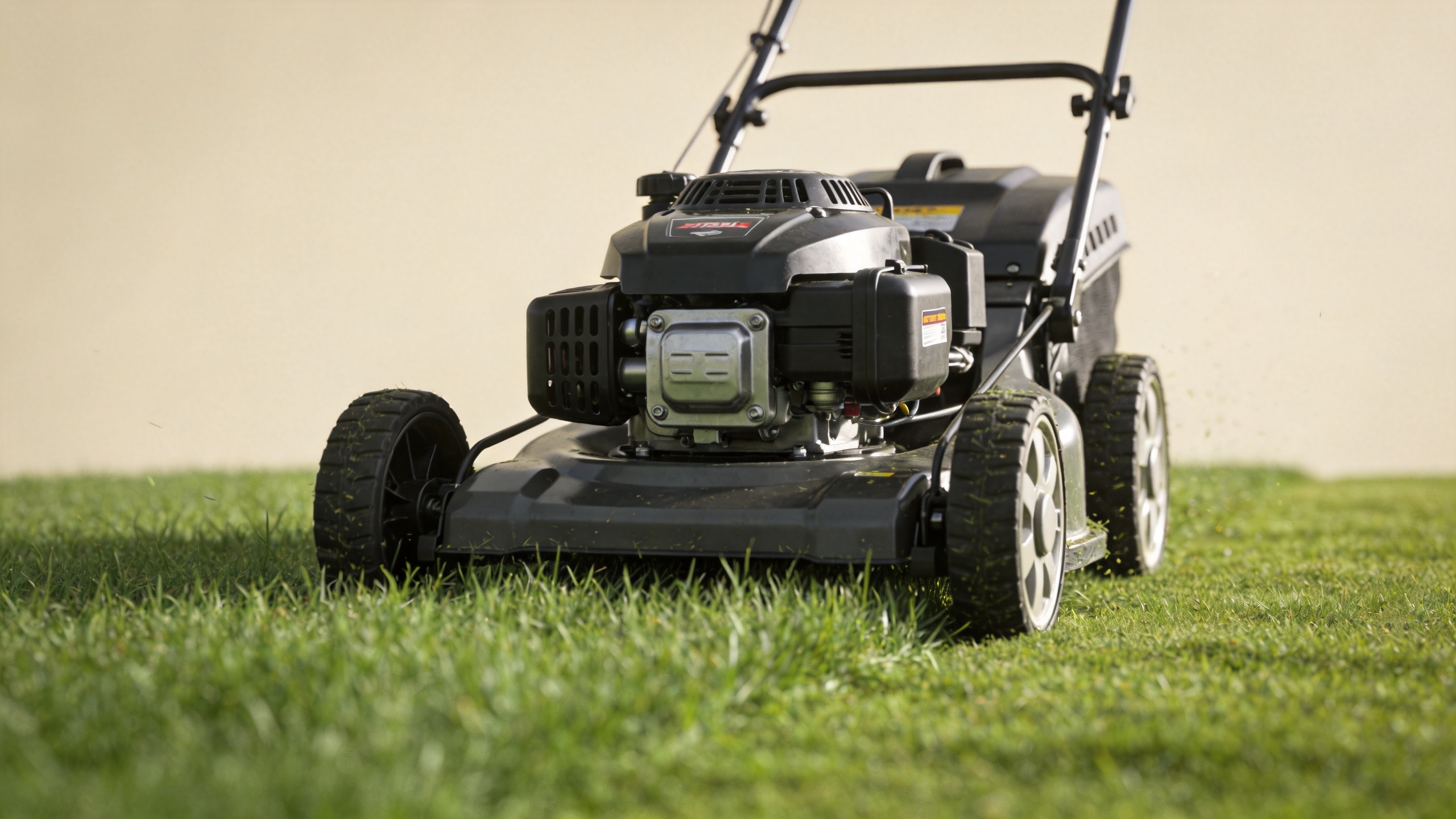
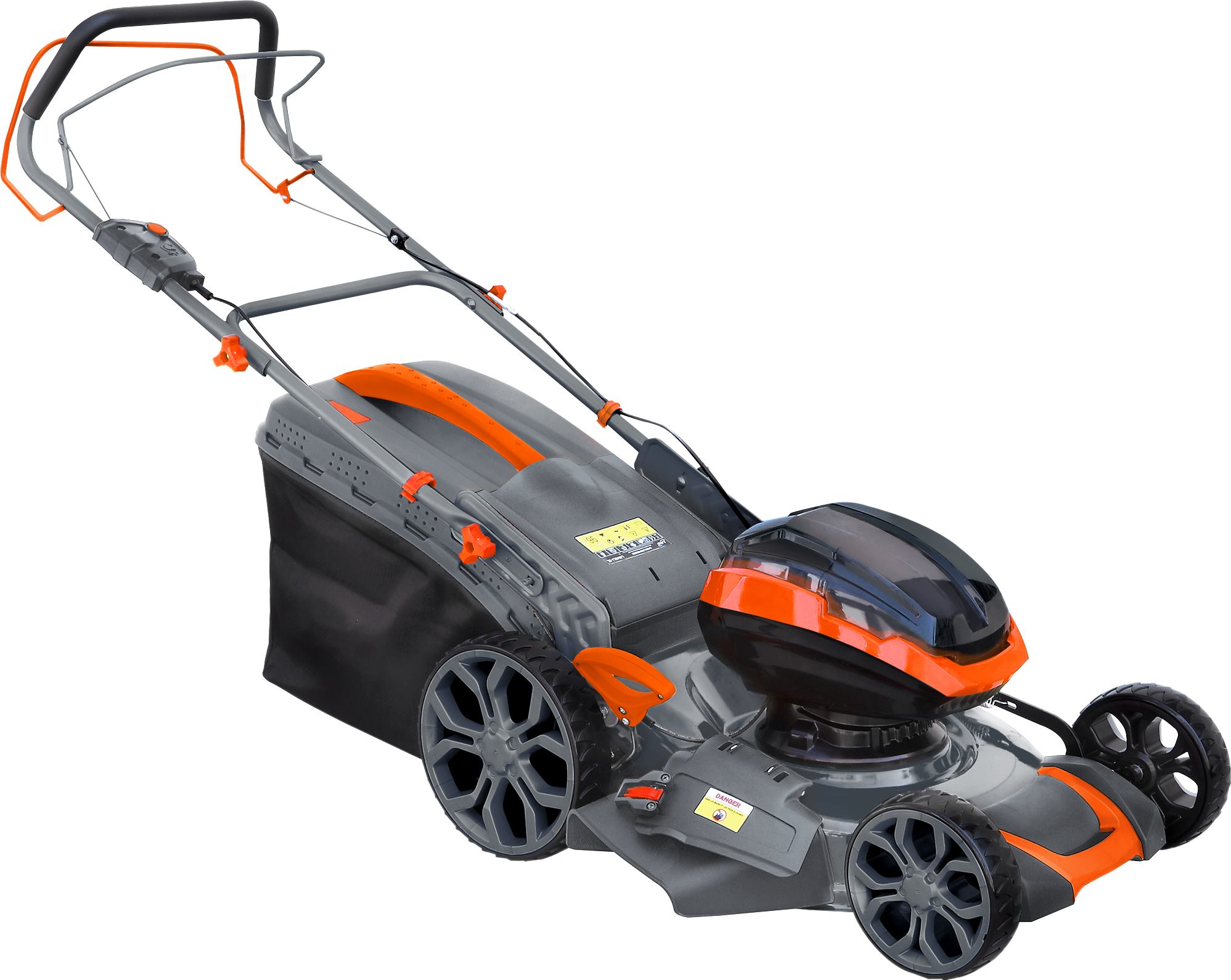 Fuel efficiency depends on the mowing load, operating conditions, and routine care.
Fuel Quality Supports Consistent Engine Performance
The fuel itself is part of efficiency, not just an operating expense. Fresh, clean gasoline helps a small engine start and run consistently. One major small-engine manufacturer notes that gasoline can begin to deteriorate in as little as 30 days. Buyers should treat this as a maintenance planning signal, particularly where a gasoline lawn mower may sit between mowing seasons.
Fuel compatibility is also engine-specific. Manufacturer guidance commonly distinguishes between fuels with up to 10% ethanol and higher-ethanol blends such as E15, which may not be approved for small engines. The engine manual should be the controlling instruction rather than a generic assumption based on a local fuel pump. For distributors serving Europe and Central or South America, this point is especially useful: local fuel availability and storage practices can differ, so product documentation should clearly state the approved fuel standard for each engine.
For a four-stroke gasoline lawn mower, buyers should also verify that oil is managed separately according to the manual. Mixing oil into the fuel tank when the engine does not require it can cause damage rather than improve lubrication.
How Mower Operation Changes Real-World Fuel Use
Good mower operation reduces wasted work. The simplest habit is to mow regularly rather than waiting until grass is excessively tall. A moderate cut generally lets the blade and engine work more evenly than a heavy first cut through wet, tangled growth. When grass is long, a buyer should expect to raise the deck and make more than one pass if necessary instead of forcing the gasoline lawn mower through at one low setting.
Travel speed matters too. Pushing or driving quickly into thick grass can leave an uneven finish and force a repeat pass. Slowing to a pace the deck can clear may use less fuel for the finished area because it avoids rework. Operators should also clear visible debris before mowing; stones, branches, and accumulated material can dull blades or stop the machine, creating cost far beyond the fuel saved on paper.
| Operating condition | Likely effect on fuel use | Buyer or operator response |
|---|---|---|
| Short, dry grass on level terrain | More stable load and predictable runtime | Match deck width and travel speed to the open area. |
| Tall or damp grass | Higher cutting load and possible deck blockage | Raise the cutting height, reduce speed, and consider staged cutting. |
| Slopes or uneven ground | More traction demand and operator fatigue | Consider a self-propelled gasoline lawn mower with suitable drive control. |
| Frequent stops and tight obstacles | Lower area covered per hour | Prioritise manoeuvrability over an unnecessarily wide deck. |
Maintenance Is an Efficiency Requirement, Not an Afterthought
Maintenance directly affects fuel consumption and engine performance. A restricted air filter, worn spark plug, stale fuel, or dull blade can make a gasoline lawn mower work harder than it should. The machine may still run, but it can lose cut quality, start less easily, or require more time to finish the lawn.
A buyer evaluating a supplier should ask for the maintenance schedule, parts list, service-manual availability, and local support plan. This is relevant to total cost of ownership, especially for professional fleets and export channels. Zhejiang Leo Garden Machinery Co.,Ltd focuses on garden machinery, including lawn mowers, and serves markets in Europe and Central/South America; for any model under consideration, buyers should request the model-specific manual and confirmed after-sales terms rather than rely on general category expectations.
- Check engine oil at the interval specified for the exact engine.
- Clean or replace the air filter as directed, especially in dusty conditions.
- Inspect the blade and deck; a sharp, balanced blade cuts more cleanly and helps prevent unnecessary load.
- Use fresh, approved fuel and follow storage guidance before a long idle period.
- Confirm access to consumables and spare parts before placing a volume order.
Questions Buyers Should Put on the Comparison Sheet
- What lawn size, grass condition, and slope was the gasoline lawn mower designed to handle?
- Which engine, fuel grade, and ethanol limit does the manual approve?
- How do deck width, drive type, and collection options affect the intended mower operation?
- What is the recommended service interval for oil, filters, spark plugs, and blade inspection?
- Which replacement parts and technical documents are available in the destination market?
- Can the supplier explain the test conditions behind any fuel-consumption statement?
The Bottom Line for a More Efficient Purchase
A fuel-efficient gasoline lawn mower is one that finishes the expected job cleanly without being oversized, overloaded, or neglected. Buyers should compare usable productivity, not just tank size or an isolated engine figure. Matching the mower to the lawn, using approved fresh fuel, operating it at a sensible pace, and following routine maintenance will do more for reliable fuel consumption than chasing a universal litres-per-hour claim.
For a distributor or professional buyer, the most valuable supplier conversation combines machine selection with documentation, service access, and fuel guidance for the destination market. That approach supports better engine performance, more predictable mower operation, and a gasoline lawn mower purchase that is easier to support throughout its working life.
 Hot News