
 EN
Why Is Cutting Deck Material Important for Lawn Mower Durability?
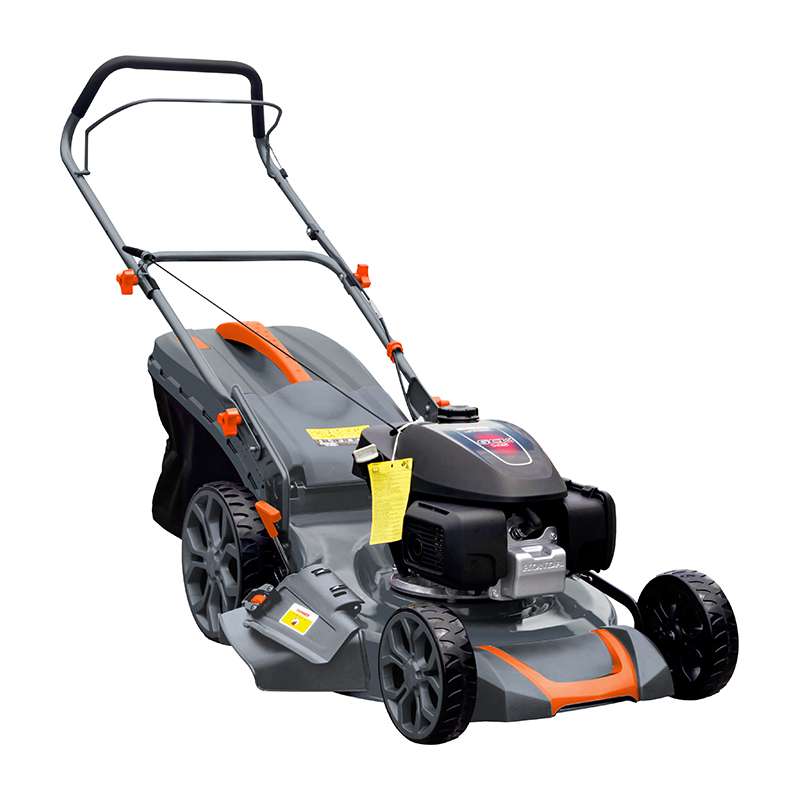
A lawn mower deck is more than the shell around the blade. It holds the cutting system in position, shapes airflow that lifts grass for a clean cut, absorbs vibration, and faces a steady mix of moisture, grit, clippings, and accidental impacts. For that reason, cutting deck material is one of the most useful clues to a lawn mower’s likely service life. The engine may receive most of the attention, but a badly corroded, cracked, or distorted deck can make an otherwise capable lawn mower difficult or uneconomical to keep using.
As a garden-machinery technical consultant would put it: judge the deck as a working structure, not a cosmetic panel. The right material depends on mowing frequency, terrain, storage, and how willing the owner is to clean and inspect the lawn mower after use.
The Cutting Deck Carries the Workload
During every pass, the deck supports the blade spindle or blade hardware, contains high-velocity clippings, and must preserve the clearance needed for safe rotation. A lawn mower deck also takes vibration from uneven ground and occasional contact with sticks, stones, roots, or edging. If it flexes excessively or loses its shape, cut quality and discharge can suffer. In more serious cases, mounting points, baffles, or blade-related components may no longer sit as intended.
That is why thickness, reinforcement, drainage, coating quality, and the material itself matter together. A durable lawn mower deck is not simply the heaviest one. It is a deck whose material and construction match the work it will actually face.
Steel Decks: Strong, Repairable, but Dependent on Care
Painted or coated steel is common on many lawn mower designs because it can provide good stiffness and impact resistance at a practical cost. A well-built steel deck can handle routine bumps and can often be repaired by an experienced service professional if damage is localized. That makes steel a sensible option for owners who mow regularly on mixed ground and want access to familiar lawn mower repair options.
The trade-off is corrosion. Scratches, worn coating, packed clippings, and wet storage can expose steel to conditions that encourage rust. The underside is especially demanding: wet grass can sit against the deck after a lawn mower is parked, holding moisture where it is hard to notice. Rust does not necessarily begin as a dramatic hole. It may first appear around fasteners, seams, discharge openings, or scraped edges, then gradually weaken the deck.
For a steel-deck lawn mower, cleaning after damp mowing and inspecting the underside before seasonal storage are not optional niceties. They are part of protecting the structure. A thin deck can still serve a light-duty yard, but frequent work, rough terrain, and long damp seasons justify looking for a robustly reinforced design and a realistic maintenance plan.
Aluminum Decks: Useful Corrosion Resistance, Different Impact Trade-Offs
Aluminum is often chosen to reduce weight and avoid the red-rust pattern associated with unprotected steel. That can make an aluminum-deck lawn mower easier to handle and appealing where humidity, coastal air, or wet clippings are recurring concerns. However, “does not rust like steel” should not be read as “needs no attention.” Aluminum can still corrode, and dents or repeated hard impacts can affect its shape.
For relatively smooth lawns and owners who value lower carrying weight, an aluminum deck can be a practical lawn mower choice. On ground with stones, exposed roots, or frequent trailer loading, inspect how the particular deck is braced and protected. Material alone does not tell the whole story; a well-supported deck is more important than a simplistic steel-versus-aluminum label.
Composite and Polymer Decks: Quiet Handling with Clear Boundaries
Some lighter lawn mower models use composite or polymer decks. These materials resist the classic rust issue and can keep a lawn mower lighter to move, which is useful for small, maintained lawns. They can also reduce concerns about paint loss from ordinary moisture exposure.
Yet composites have boundaries. Their suitability depends on the manufacturer’s design, the thickness around mounting points, and the type of impacts the lawn mower may encounter. A homeowner cutting a flat, obstacle-free yard has different needs from a contractor moving equipment over uneven ground all day. If the route includes repeated hard strikes, heavy loading, or prolonged vibration, examine construction details and service support rather than assuming a rust-free material is automatically the longest-lived option.
How Deck Material Changes Lawn Mower Maintenance
Deck material shapes the maintenance priorities, but every lawn mower benefits from the same basic routine: remove clippings when the machine is safely powered down, let the deck dry, inspect for damage, and store the machine out of standing moisture. The aim is not perfection after every cut. It is preventing a small layer of wet debris or a chipped edge from becoming a long-term structural problem.
- After wet mowing: Clear accumulated grass from the underside once it is safe to do so. Packed material can trap moisture and interfere with airflow.
- After an impact: Check the deck edge, blade area, mounts, and any obvious distortion before the next lawn mower use.
- Before storage: Wash or brush away residue, dry the deck, and inspect steel surfaces for coating damage.
- During service: Use the correct lawn mower repair parts and follow the equipment manual for blade, fastener, and deck-service procedures.
Those habits also protect cut quality. A clogged or damaged lawn mower deck may not move grass and clippings as the design intends, so the result can look uneven even when the blade itself is sharp.
Match the Deck to the Job, Not Just the Price
A useful buying question is: what will shorten this lawn mower’s deck life first? On a small, level, dry lawn, weight and easy handling may guide the decision. On a larger property with damp grass, slopes, or occasional debris, rigidity, reinforcement, and cleanability become more important. For commercial or frequent use, downtime and availability of lawn mower repair support can matter as much as the initial material choice.
It depends on the environment. A robust steel deck may be a strong long-term choice when it is cleaned and protected; an aluminum or composite deck may be better where corrosion exposure or lifting weight is the main concern. The mistake is treating any material as maintenance-free or universally superior.
What to Inspect Before Buying
- Look underneath the lawn mower, not only at the top cover. Check for reinforcement, smooth drainage paths, and accessible cleaning areas.
- Ask how the deck is protected against moisture and whether touch-up or service guidance is available.
- Consider your terrain, grass moisture, storage conditions, and likely impacts honestly.
- Confirm that lawn mower repair parts and competent service are available for the intended market.
- Choose a deck material that supports the maintenance routine you will realistically follow.
Final Takeaway
Cutting deck material matters because it influences how a lawn mower resists corrosion, absorbs impacts, maintains blade alignment, and remains serviceable over time. Steel, aluminum, and composite decks each have credible roles. The durable choice is the lawn mower whose deck construction fits the workload and whose owner keeps moisture, debris, and small damage from becoming a larger failure. Treat the deck as a core durability component, and the lawn mower decision becomes more grounded than a comparison of engine power or price alone.
 Hot News