
 EN
What Are the Main Types of Lawn Mowers and Their Applications?
Choosing a lawn mower gets much easier when you start with the lawn rather than the machine. A compact, level patch of grass asks for something very different from a long, uneven garden, a sloped property, or grounds that need regular professional attention. The useful comparison is not simply petrol versus electric. It is a mix of cutting system, power source, drive type, deck width, storage space, and the time you want to spend on grass cutting.
For first-time buyers, the practical question is: how long does it take to mow the whole area in one session? That answer usually reveals whether a simple push model, a battery machine, a petrol mower, a ride-on, or a robotic option makes sense. This guide separates the main mower types and their applications so you can choose lawn care equipment that fits the work.
Start by separating mower type from power source
“Lawn mower” is often used as if it describes one machine, but it covers several formats. A reel mower and a rotary mower describe different cutting actions. Push, self-propelled, ride-on, zero-turn, and robotic describe how the machine moves. Corded electric, cordless battery, and petrol describe how it is powered. A cordless rotary mower, for example, is both a rotary mower and a battery-powered walk-behind mower.
That distinction helps prevent a common selection error: choosing the widest or most powerful-looking mower before considering access, terrain, grass growth, and operator effort. Garden tools work most effectively when their limits match the job.
1. Reel mowers: tidy cuts for small, maintained lawns
A reel mower uses a set of helical blades that pass close to a fixed cutting bar, creating a scissor-like cut. Manual versions are quiet, have no cord or fuel, and can be a pleasant choice for a small, flat lawn that is cut frequently. They suit homeowners who value low-noise grass cutting and have a clear route without sticks, stones, or long neglected grass.
The trade-off is that reel mowers need reasonably even ground and regular use. Tall, wet, or coarse grass can slow the work, and a poorly adjusted reel will not give the finish buyers expect. Choose this type of lawn mower for a small ornamental lawn; do not choose it merely because the area is small if the ground is rough or mowing is infrequent.
2. Rotary push mowers: the flexible everyday option
Most household lawn care equipment uses a rotary blade that spins horizontally beneath a deck. A push rotary mower is versatile, relatively straightforward to store, and practical for small to medium lawns with ordinary grass. It can be powered by a cord, a battery, or a petrol engine, so it is more useful to treat it as a format rather than a single product class.
Push models make the most sense on level ground where the mowing distance is manageable. They are also useful around trees, beds, and narrow passages because the operator can guide them precisely. If pushing becomes tiring by the final third of the lawn, the answer may be a self-propelled model rather than a larger deck.
3. Corded and cordless electric mowers: practical for quieter residential work
A corded electric lawn mower can be a sensible choice for a small lawn close to an outdoor power supply. It avoids fuel handling and charging, but the cable requires constant awareness. It is not ideal for complex gardens with many obstacles, long distances from the house, or a layout where cable management would interrupt the work.
A cordless lawn mower removes the cable and is usually easier to manoeuvre around paths, trees, and planted borders. It is often a strong match for small and medium gardens, especially when quiet operation, compact storage, and easier starting matter. Check the claimed coverage against your actual lawn, including the extra time spent turning and navigating obstacles. A second compatible battery can be helpful, but it is better to plan capacity before purchase than to discover the limit halfway through the grass cutting session.
4. Petrol and self-propelled mowers: for larger, tougher, or less regular jobs
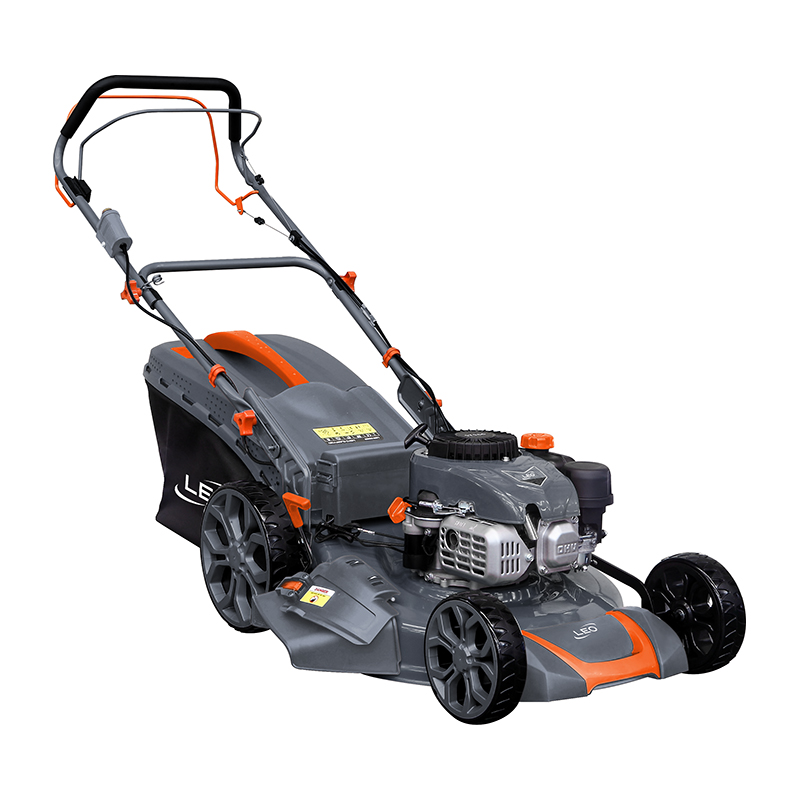
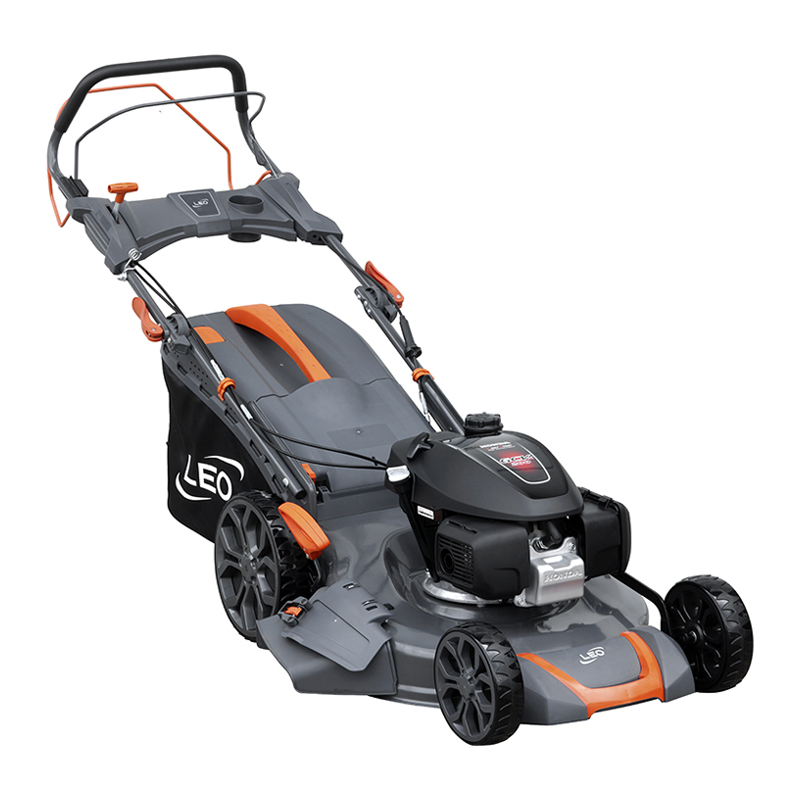
A petrol lawn mower remains useful where continuous runtime and stronger performance through longer or denser grass are priorities. It is commonly chosen for larger residential plots, rural properties, and repeated use where a charging break would be inconvenient. Petrol models do bring routine maintenance, fuel storage, noise, and emissions considerations, so they are not automatically the right answer for every large lawn.
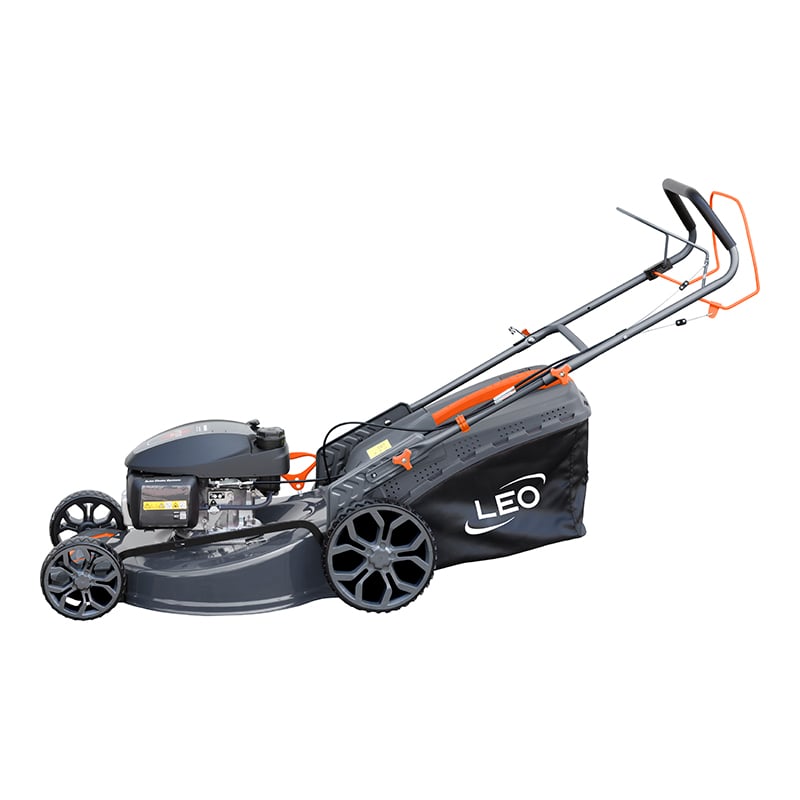
Self-propelled drive is often more important than engine size for day-to-day comfort. The mower moves under its own power while the operator steers, which reduces effort over longer distances and on moderate slopes. It does not remove the need to assess slope suitability carefully. Follow the machine manual; for riding mowers in particular, established safety guidance advises travelling up and down slopes rather than across them, with slow, wide turns instead of sudden direction changes.
5. Ride-on tractors and zero-turn mowers: coverage for large open areas
Ride-on mowers are designed to cut more area with less walking. A lawn tractor is a sensible option for substantial, mostly open lawns where the operator also values towing or attachment capability. A zero-turn mower is typically aimed at faster coverage and close manoeuvring around trees, beds, and other features. Both formats can save considerable time when the property is genuinely large enough to justify their storage, maintenance, and access needs.
They are not a shortcut for every big garden. Measure gates, check turning space, consider slopes, and think about where the machine will be stored. A large deck can reduce passes across an open lawn, but it may become awkward in narrow areas. Where the layout is highly divided, a self-propelled walk-behind mower can be more useful than a ride-on that leaves many small sections to finish by hand.
6. Robotic mowers: ongoing maintenance for suitable layouts
A robotic lawn mower is built for frequent, light cutting rather than a weekly heavy cut. It can suit a reasonably defined lawn where the owner wants to reduce routine mowing time and is willing to set up boundaries, charging, and seasonal maintenance. The steady schedule can help prevent clippings from becoming excessive, particularly on a lawn that grows consistently.
Robotic mower applications are strongest when the area, edges, passages, and slopes fall within the machine’s specified limits. They are less straightforward on fragmented lawns, areas with frequent debris, steep gradients, or places where children and pets make supervision rules especially important. Treat automation as a convenience feature, not as a reason to ignore the manufacturer’s safety instructions.
 A robotic mower is most practical when the lawn layout and operating limits are well defined.
A quick application guide
| Situation | Usually worth considering | Why |
|---|---|---|
| Small, flat, regularly cut lawn | Reel mower or compact push rotary | Low storage needs and easy control. |
| Small to medium garden with obstacles | Cordless rotary mower | Cable-free manoeuvrability and quiet operation. |
| Medium lawn with longer walking distance | Self-propelled cordless or petrol mower | Less pushing effort over repeated passes. |
| Large, open residential or rural lawn | Petrol mower, lawn tractor, or ride-on | Continuous work and greater area coverage. |
| Large grounds with many obstacles | Zero-turn or an appropriately sized self-propelled mower | Turning performance can matter more than raw deck width. |
| Defined lawn needing frequent light cuts | Robotic mower | Automation can reduce routine mowing time. |
Features that matter across mower types
- Cutting height adjustment: Useful as grass growth, weather, and your preferred finish change through the season.
- Collection, mulching, or discharge: Collection gives a tidier surface; mulching can work well when grass is cut regularly and conditions are suitable; discharge is helpful for heavier growth.
- Deck width and access: A wider deck reduces passes only when gates, paths, and corners allow it.
- Storage and service: Foldable handles help walk-behind models fit smaller spaces. For petrol and ride-on equipment, allow room for safe maintenance and storage.
Final choice: match the mower to the work
The most suitable lawn mower is rarely the biggest, quietest, or most automated option in isolation. For a neat small lawn, a reel or compact electric mower may be all the machine you need. For a varied medium garden, a cordless or self-propelled rotary model often balances control and convenience. For wide, open ground, a petrol mower or ride-on can be more appropriate, while a robotic mower suits owners who want frequent maintenance within a carefully defined area.
Before deciding, walk the lawn with a tape measure and a note of its awkward parts: slopes, gates, trees, wet zones, storage, and the longest uninterrupted mowing run. That short exercise turns the broad range of mower types into a clear, defensible choice.
 Hot News