
 EN
Garden Machinery Buying Guide for Importers and Distributors
For an importer or distributor, garden machinery is not a single purchasing decision. It is a portfolio decision: which categories will suit local demand, which machines can be supported after sale, and which supplier can keep documentation, parts, and replenishment moving as the season changes. A low ex-works price can be attractive, but it rarely tells the whole commercial story.
When sourcing at scale, the practical question is not simply whether a machine starts and cuts well in a demonstration. It is whether the proposed range fits the channel, terrain, operator expectations, and service capacity in your market. This guide sets out a repeatable way to evaluate garden machinery before you commit to a launch order.
Start with the channel, not the catalogue
Begin by defining who will buy from you. A garden centre, an agricultural dealer, a landscaping contractor, and a mass-market retailer all need a different product mix. That sounds obvious, but it prevents a common sourcing mistake: selecting a broad catalogue that looks complete yet leaves each sales channel with too few clear reasons to buy.
- Retail and garden-centre channels: favour understandable choices, clear packaging, manageable service needs, and a stepped price ladder.
- Professional landscaping channels: prioritise durability, workload fit, parts access, and predictable downtime management.
- Rural and estate dealers: may need more capability in mowing, cultivation, branch handling, and water-management tasks.
Build your garden machinery assortment around jobs, rather than around engine size alone. For example, walk-behind mowing, trimming, cultivation, leaf handling, and larger-area mowing each create different accessory, training, and parts requirements.
Create a category matrix before selecting models
A useful import plan separates high-volume entry products from specialist machines that strengthen dealer credibility. The goal is not to stock every format at once. It is to establish a coherent range that a sales team can explain and a service network can maintain.
| Category | Questions to ask before sourcing | Portfolio role |
|---|---|---|
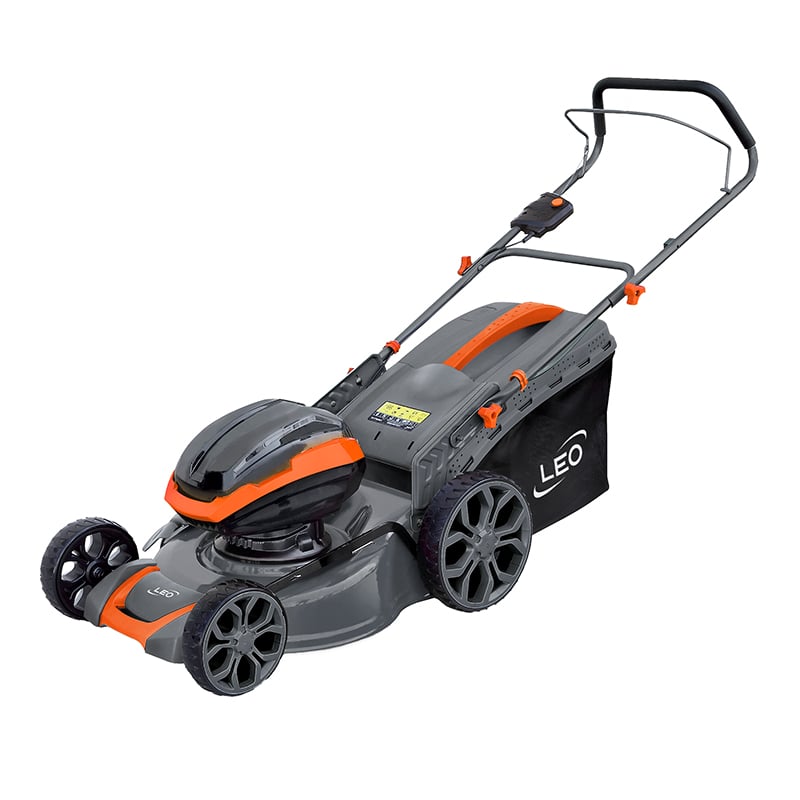
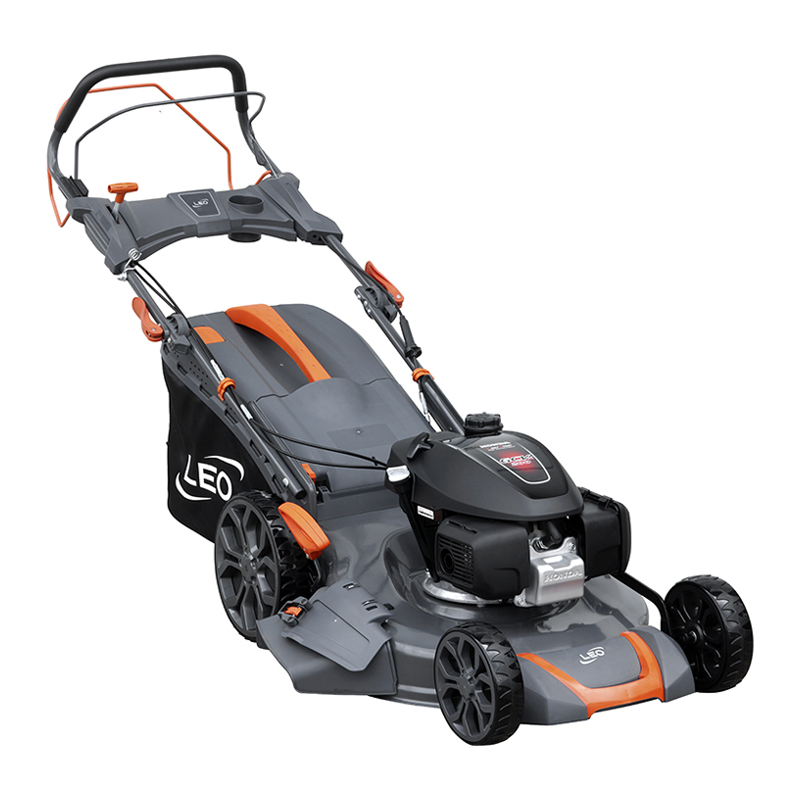
| Walk-behind mowers | What cutting width, propulsion, collection, and terrain profile match the market? | Core seasonal volume and a clear entry-to-premium ladder |
| Zero turn mower | Can dealers support operators who value manoeuvrability, and is the target terrain suitable? | Specialist or professional range for larger maintained areas |
| Lawn tractors | Which property sizes, attachments, storage conditions, and transport arrangements are realistic? | Higher-ticket option with stronger service expectations |
| Brush cutter machine | Are vegetation type, safety requirements, harnesses, blades, and operator training aligned? | Professional utility category for overgrowth and rougher work |
| Leaf blower mulcher | Does the channel need collection, reduction, transport, or all three functions? | Seasonal add-on that can extend basket size |
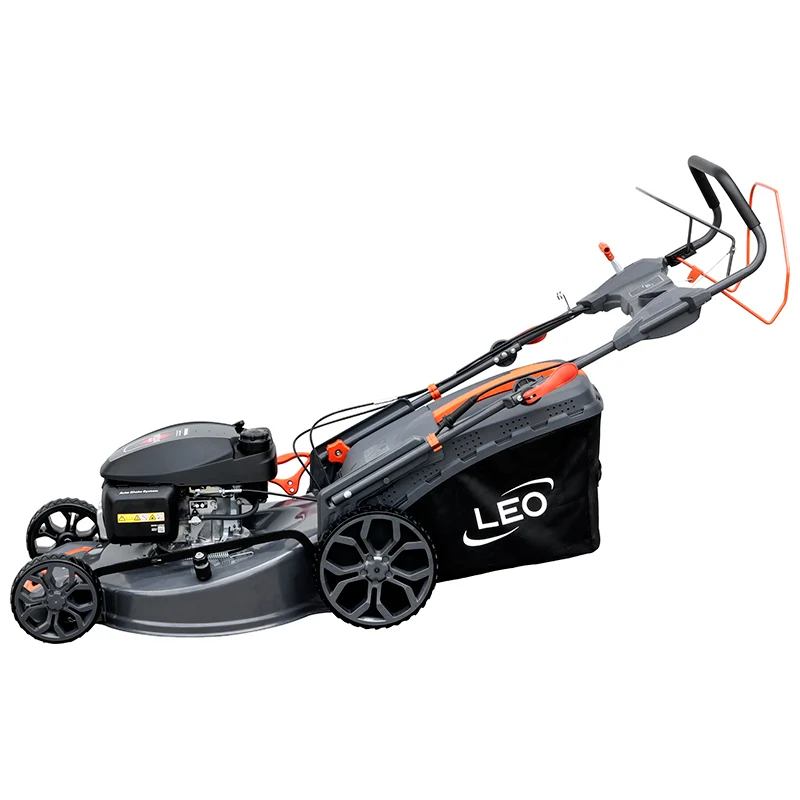
Do not assume that a wider deck or larger engine automatically creates a better proposition. On complex sites, a larger deck can reduce manoeuvrability; for a distributor, that means more returns or dissatisfied users if the product was positioned for the wrong property type.
Evaluate total cost of ownership, not purchase price
Garden machinery margins are affected after the container arrives. Freight configuration, pre-delivery inspection, assembly time, spare-parts stock, warranty workflows, and technician training all influence the real landed cost. A supplier comparison should therefore include a serviceability review alongside the quotation.
- Ask for a parts map. Identify high-wear and high-risk items, ordering lead times, part numbering, and whether consumables can be stocked before launch.
- Review warranty handling. Clarify the claim route, evidence required, labour responsibility, decision time, and the process for recurring faults.
- Check packaging and replenishment. Confirm carton dimensions, container loading assumptions, assembly requirements, and whether replacement components can travel separately.
- Plan the service handover. A distributor should know what a dealer can diagnose locally and what must be escalated to the supplier.
This is especially important when you add a zero turn mower or lawn tractors to a portfolio. These categories can lift order value, but they also raise the cost of a poorly prepared handover. A smaller launch range with dependable parts support is often safer than a large range with unclear service commitments.
Treat compliance as a commercial workstream
For markets that require it, compliance should be assessed before product selection, not after the purchase order. The European machinery framework includes Regulation (EU) 2023/1230, and the applicable documentation and conformity route can vary with the machine and market. Use current local advice to confirm the requirements for each product family. In practical sourcing terms, ask for the documentation package, traceability approach, labelling information, manuals, and the responsible contact before you promise delivery dates to dealers.
That discipline also helps sales teams. A distributor that can answer basic questions about documentation, safe use, and after-sales responsibility earns more trust than one that treats compliance as paperwork to be located only after a complaint.
Qualify the supplier beyond the sample machine
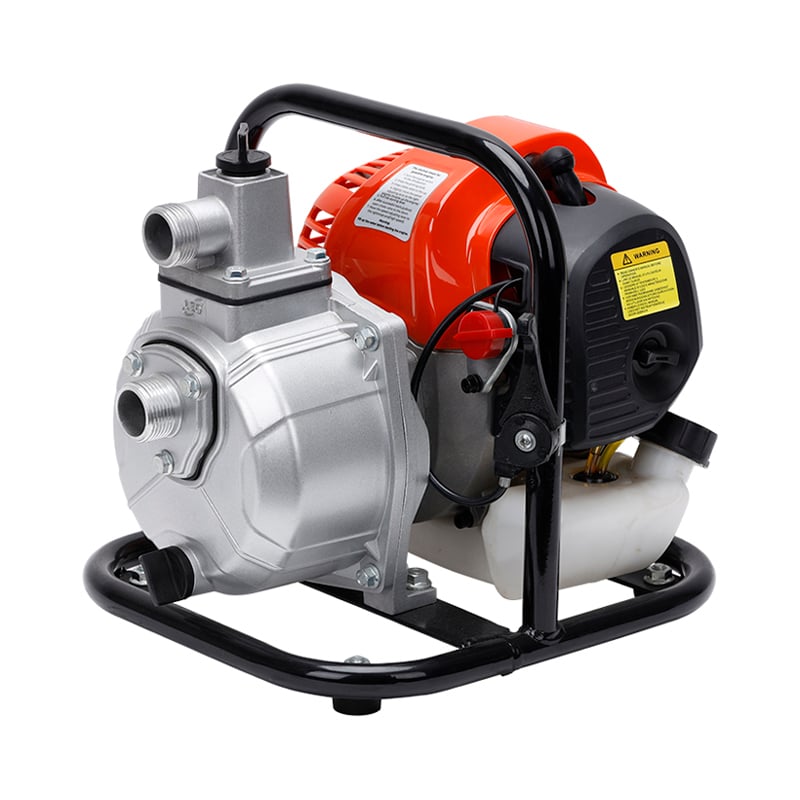
Test samples are valuable, but a single good unit does not prove repeatable supply. Use a supplier review that covers category focus, production consistency, communication, export packaging, quality controls, and response to field feedback. Zhejiang Leo Garden Machinery Co., Ltd. positions its range around lawn mowers, ride-on mowers, branch cutters, tillers, and gasoline water pumps; that category focus can make a supplier conversation more productive when you need to build a related portfolio rather than source isolated items.
Ask the supplier to walk through a realistic case: a dealer receives a damaged carton, needs a wear part in season, and has a warranty question on a machine already in use. The quality of that answer reveals more about partnership readiness than a general promise of support.
Use a launch-order checklist
- Match each garden machinery category to a named customer segment and a defined use case.
- Set a price ladder and a stocking depth that reflect seasonality and dealer capability.
- Approve the technical file, manuals, labels, and market-specific compliance evidence before shipment.
- Stock recommended wear parts and define who owns warranty decisions.
- Train sales and service teams on the limits of each model, especially terrain, runtime, cutting width, and safety conditions.
- Review first-season returns and service questions before expanding the model count.
Make the first order a learning order
The strongest garden machinery distributors do not treat the first container as a final verdict. They monitor which questions dealers ask, which parts move first, and where customers misunderstand application limits. Those signals help you refine the next order: perhaps the range needs fewer overlapping mowers, a better-supported brush cutter machine, or a leaf blower mulcher that fills a genuine seasonal gap.
Choose garden machinery that your channel can sell, explain, and support with confidence. When the assortment, documentation, parts plan, and supplier process all line up, your buying decision becomes much more resilient than a comparison based on unit price alone.

 Hot News