
 EN
What Are the Benefits of Using a Battery Operated Ride On Mower for Large Lawns?
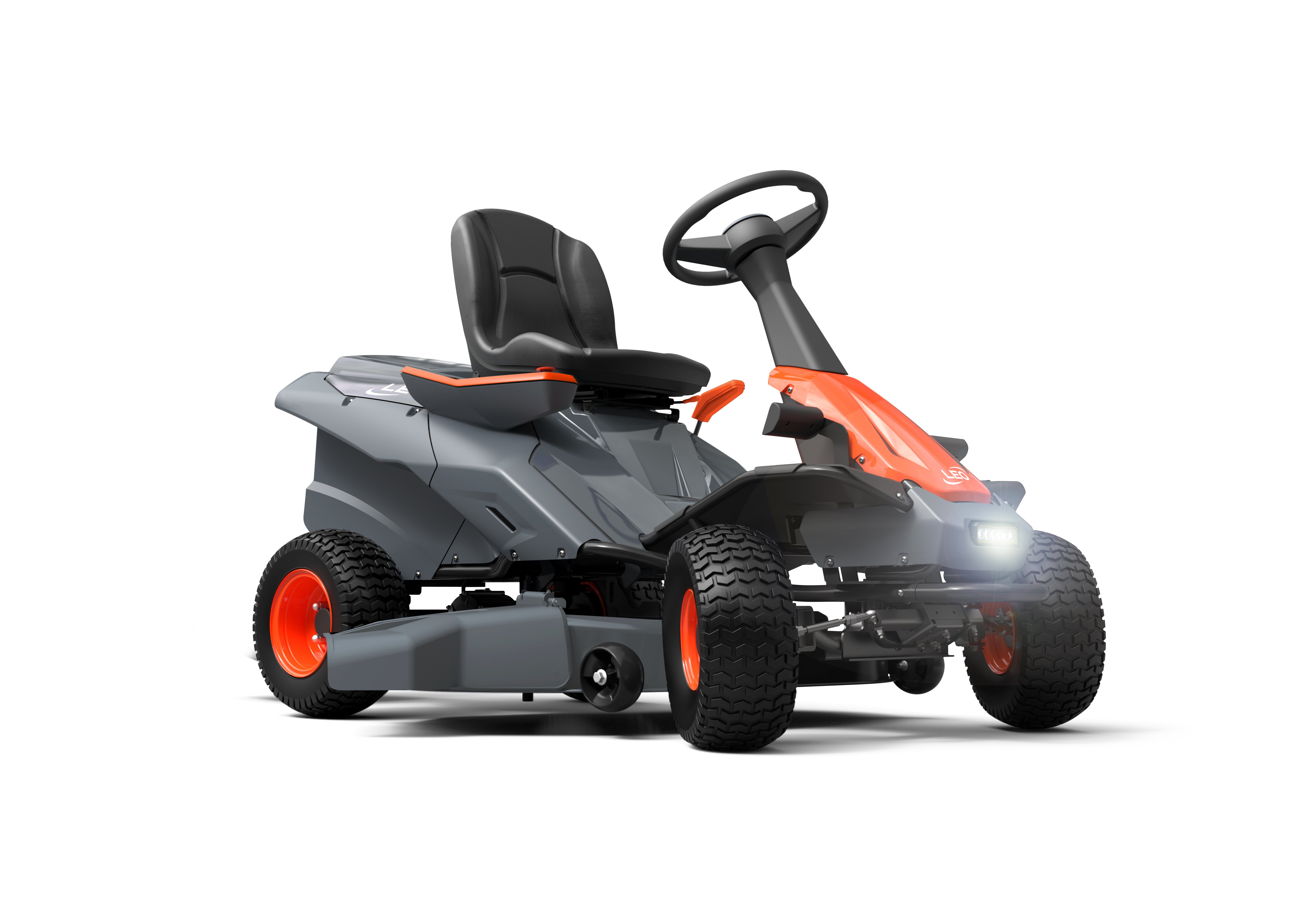
A battery operated ride on mower can make large lawn care feel far less like a weekend-long chore. It combines seated mowing with cable-free electric power, so the operator can cover more ground without the exhaust smell, routine engine servicing, or constant noise associated with many petrol machines. The important caveat is that “large” means different things on different properties. A flat, open lawn and a hilly, tree-filled lawn can place very different demands on the same machine.
From a garden-machinery selection perspective, the more useful question is not simply “Is an electric riding mower better?” It is whether its usable cutting coverage, deck configuration, turning ability, and charging routine match the way your property is actually mowed. For the right site, the benefits are substantial.
1. A Battery Operated Ride On Mower Reduces Physical Effort
The immediate advantage is comfort over distance. Walking behind a mower across a large lawn involves repeated turning, pushing, vibration, and time on foot. A battery operated ride on mower lets the operator sit, steer, and maintain a more consistent pace. That can be particularly useful for estate-sized gardens, long boundaries, open amenity areas, or anyone who finds extended walking difficult.
Comfort is not only about the seat. Smooth drive control and a layout that keeps controls within easy reach can make a long session less tiring. In practice, it is worth sitting on a prospective lawn tractor before buying it. Pedal response, seat adjustment, visibility over the deck, and how easily you can reach the cutting-height control all affect whether the machine remains pleasant to use after the first few outings.
2. It Can Cut More Ground With Fewer Interruptions
Riding machines usually offer a wider cutting path than walk-behind equipment, allowing more grass to be covered on each pass. On an open lawn, that width can translate into a noticeably shorter mowing session. The real saving comes from pairing a suitable deck width with the layout: a broad deck is productive on long, clear runs, while a property with narrow gates, planted borders, or frequent trees may benefit more from a compact deck and a tighter turning radius.
That is why large lawn care should be assessed as a route, not just as an acreage number. Measure the tightest access points, note obstacles, and consider how much trimming is left after the main mow. A very wide machine can lose its advantage if it repeatedly has to reverse or make extra passes around beds and posts.
3. Quieter Operation Can Make Mowing More Flexible
One of the clearest benefits of an electric riding mower is lower perceived noise compared with a combustion-powered alternative. The blade and airflow still create sound, so it is not silent, but the absence of a running petrol engine can make the experience less intrusive for the operator and nearby households. That may give owners more flexibility to schedule routine mowing at considerate times, subject to local rules.
Lower noise also makes it easier to notice changes in the machine. A new blade vibration, deck rattle, or wheel noise is less likely to be hidden by engine sound. That does not replace regular inspections, but it can help an attentive owner identify a maintenance issue early.
4. There Is No Petrol Handling During Routine Use
A battery powered mower eliminates routine fuel storage, refuelling, oil changes, spark-plug service, and fuel-system concerns after seasonal storage. For owners who dislike keeping petrol containers in a shed or remembering whether old fuel is still usable, that is a practical benefit rather than a marketing detail.
Maintenance does not disappear. A battery operated ride on mower still needs sharp blades, a clean deck, sound tires, secure electrical connections, and proper battery care. Grass buildup beneath the deck can affect cut quality and airflow; dull blades can tear grass instead of cutting it cleanly. The difference is that the maintenance plan shifts away from engine service and toward routine cleaning, inspection, and battery storage discipline.
5. Battery Power Suits Predictable Mowing Routines
A battery powered mower works especially well when mowing follows a repeatable schedule. If you normally cut the same lawn in one session, you can compare the property with the manufacturer’s rated coverage and build in a sensible reserve. Published figures vary widely by model and conditions, and some electric riding machines are marketed for multiple acres per charge. Treat those figures as starting points, not promises.
Wet grass, tall growth, hills, frequent stops, towing, and repeated tight turns can all reduce usable coverage. A practical approach is to choose a machine that comfortably exceeds the usual job rather than one that only reaches the finish line under ideal conditions. If your lawn is near the machine’s claimed limit, a second battery system, a convenient charging location, or a shorter mowing pattern may be necessary.
6. The Drive Experience Can Be Simple and Responsive
Many electric riding designs use straightforward speed control without the shifting routine associated with traditional gear changes. That can make an electric riding mower approachable for owners who are new to riding equipment. It is particularly helpful when navigating around trees, paths, and garden features, where gradual speed adjustments improve control.
Still, do not assume every battery operated ride on mower handles slopes or uneven ground in the same way. Check the manufacturer’s stated slope limit, follow the manual’s mowing direction guidance, and avoid using a ride-on where the terrain makes control uncertain. A machine that is ideal for a broad, level lawn may be the wrong tool for a steep or rough property.
7. It Supports a Cleaner, More Pleasant Work Area
Without tailpipe emissions at the point of use, a battery powered mower avoids exhaust fumes around the operator during mowing. For a long summer session, that can make the immediate work area more comfortable. It also removes the risk of fuel spills during refuelling on the lawn or driveway.
This benefit should be viewed realistically. Battery equipment still has an environmental footprint, and the electricity source, battery life, and end-of-life recycling arrangements all matter. The strongest case is practical: use a suitably sized machine for a regularly maintained lawn, look after the battery according to its instructions, and keep the mower in service for as long as it is safe and economical to do so.
How to Decide Whether It Fits Your Large Lawn
- Map the property: Record lawn area, slopes, tight access points, trees, beds, and damp sections.
- Plan for real coverage: Choose runtime or acreage capacity with room for tall grass, warm weather, and normal maneuvering.
- Match deck width to layout: Wider is useful in open spaces; maneuverability often matters more in complex gardens.
- Check charging logistics: Confirm that a dry, suitable charging location is available near where the mower is stored.
- Review service support: Ask about battery availability, replacement blades, parts, and local repair options before committing.
- Verify safety limits: Follow the specific model’s instructions for slopes, towing, transport, and battery storage.
Bottom Line
A battery operated ride on mower can offer a compelling combination of reduced effort, quieter mowing, simpler routine upkeep, and efficient coverage for a well-matched large lawn. It is not automatically the right choice for every property: long grass, demanding slopes, remote storage, or a lawn that regularly exceeds one charge can change the calculation. But when you select an appropriately sized lawn tractor, plan around real working conditions, and maintain the deck and battery carefully, electric riding power can make large lawn care more comfortable and easier to schedule.

 Hot News