
 EN
What Is a Garden Mulcher and How Does It Support Soil Health?
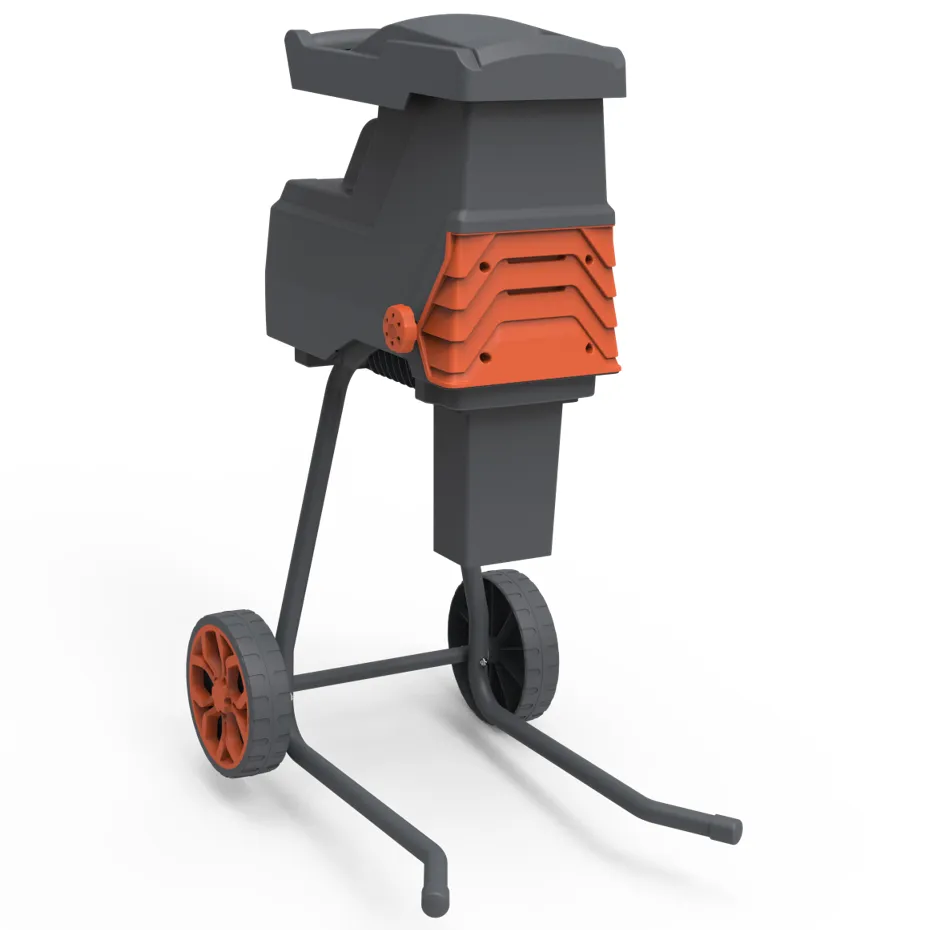
After a pruning day, a pile of leaves and small branches can feel like a disposal problem. A garden mulcher changes that perspective. It reduces suitable garden residues into smaller pieces that are easier to handle, compost, or return to the landscape as a protective layer. Used thoughtfully, a garden mulcher can help turn seasonal clean-up into a practical part of soil care.
The important word is “thoughtfully.” Not every material belongs in every bed, and a mulcher is not a shortcut around good composting or sound planting practices. Still, for gardeners, landscapers, and property-maintenance teams, processing clean, plant-based debris on site can make waste recycling more useful and make routine gardening less dependent on hauling bulky material away.
What does a garden mulcher do?
A garden mulcher is a machine designed to break down light garden debris into smaller fragments. Depending on its design, it may be intended mainly for dry leaves, soft green waste, or a controlled mix of leaves and small woody prunings. Some machines are called leaf mulchers; others overlap with shredders or chipper-shredders. The terminology varies, so the material a machine is designed to accept matters more than the label on the housing.
Reduction is the basic job. A bag of whole leaves is airy and awkward to store; shredded leaves settle into a denser, more manageable material. Smaller pieces also have more exposed surface area, which can help soil organisms begin breaking them down once the material is used as organic mulch or added in modest amounts to a compost system.
That does not mean every output is instantly finished mulch. Freshly processed woody material usually decomposes slowly and is often better kept on paths, around established shrubs, or in a separate composting process. Shredded leaves and soft plant residues generally fit more easily into garden beds when applied with care.
How mulched material supports soil health
Soil health is not one single condition. It includes how well soil holds water, resists surface damage, allows air to move, supports living organisms, and provides a stable environment for plant roots. A garden mulcher contributes indirectly by making it easier to place suitable plant residues where they can do useful work.
- It creates a protective surface layer. A layer of organic mulch can soften the impact of rain on bare soil. That is especially valuable on exposed beds, where repeated splashing can disturb fine soil particles and encourage surface crusting.
- It helps reduce moisture loss. By shading the soil surface, mulch can slow evaporation. The benefit is useful in hot, dry periods, but it also means gardeners should check soil beneath the layer rather than guessing at its moisture level.
- It can moderate temperature swings. A mulch layer buffers the soil from rapid warming and cooling at the surface. In gardens with tender roots or variable weather, that steadier zone can be helpful.
- It supports gradual soil improvement. As an organic mulch breaks down, part of it becomes organic matter. Extension guidance notes that increasing organic matter can support aggregation, microbial activity, and water- and nutrient-holding capacity. The change is gradual, not instant, which is exactly why repeated seasonal practice matters.
- It makes local waste recycling practical. Processing clean leaves and trimmings on site can reduce the volume that must be moved or disposed of, while preserving a useful material for the garden.
Organic mulch is useful, but depth and placement matter
A common mistake in gardening is to pile material too deeply because more seems better. Thick, dense layers can hold excessive moisture at the soil surface, restrict air movement, or shelter pests in the wrong setting. The right depth depends on the material, climate, bed type, and the plants involved.
For annual beds, a light layer of shredded leaves is often easier to manage than a heavy blanket. As one practical reference point, extension guidance describes 1 to 2 inches of leaves in fall as a way to add organic matter, protect soil from raindrop impact, and suppress winter annual weeds. Treat that as a starting example rather than a universal prescription. In humid conditions or around low-growing plants, a thinner layer may be wiser.
Keep any mulch pulled back from stems, trunks, crowns, and graft unions. Material pressed directly against a plant can hold moisture where it is least welcome. A small clear ring lets air circulate and makes inspection easier.
Match the residue to the right use
A garden mulcher helps with soil improvement only when the output is matched to the job. This is where a little judgment saves trouble later.
| Processed material | Suitable use | Watch for |
|---|---|---|
| Dry, shredded leaves | Light organic mulch on beds; compost ingredient | Matting if applied wet and too thick |
| Fine soft green residues | Compost mix or a thin, mixed layer | Clumping, odor, or heat if piled densely |
| Small woody chips | Paths and around established trees or shrubs | Slow breakdown; avoid mixing fresh material heavily into vegetable soil |
| Diseased or invasive plant material | Follow local disposal guidance | Do not spread material that may carry problems into healthy beds |
This distinction is more useful than a blanket promise that all shredded waste improves all soils. A measured approach protects the value of the material and avoids creating a new maintenance problem.
Using a garden mulcher safely and effectively
- Read the machine instructions first. Confirm the permitted material type and size. Do not force branches, stones, wire, or damp clumps into a machine not designed for them.
- Prepare debris. Remove soil-covered roots, string, labels, and other contaminants. Cleaner input produces more useful output.
- Work in small batches. Feeding manageable amounts helps reduce jams and gives you time to assess whether the residue is suitable for the intended mulch use.
- Wear appropriate protection. Eye protection, sturdy footwear, and hearing protection where advised are sensible basics. Keep hands clear of the feed opening and use only the manufacturer-approved method to clear a blockage.
- Apply the output with a purpose. Choose a bed, shrub border, path, or compost area before you begin. That makes it easier to separate leaf-rich material from woody material instead of mixing everything together.
Where a garden mulcher fits into a healthier garden routine
A garden mulcher is most useful as part of a simple cycle: prune or rake, process suitable clean residues, place them where they serve the soil, and observe the result over time. For a homeowner, that cycle can make autumn leaves less of a burden. For a landscaper or maintenance team, it can make recurring debris more manageable across beds and borders.
A useful outcome is not simply the smallest pile of debris. It is a well-managed garden where organic mulch protects the soil surface, supports gradual soil improvement, and helps make waste recycling a routine part of responsible gardening. Choose a garden mulcher for the material you actually handle, use its output in the right place, and let steady seasonal practice do the long-term work.
Frequently asked questions
Is a garden mulcher the same as a wood chipper?
They can serve different material ranges. A leaf-focused garden mulcher may be designed for light, dry material, while a wood chipper is built for woody branches within a stated diameter range. Check the manufacturer’s instructions rather than assuming the names are interchangeable.
Can I put fresh mulched leaves directly on vegetable beds?
Often, a light layer of clean shredded leaves can be useful, but it should not smother young plants or form a wet mat. Keep the layer moderate, avoid covering stems, and adjust for local moisture and the crop’s needs.
Does mulching replace compost?
No. Mulch and compost serve related but different roles. Mulch mainly protects the soil surface and breaks down gradually, while finished compost is a more decomposed amendment typically mixed into or spread over soil. Many gardens benefit from both.
 Hot News