
 EN
EN
Why Are Cordless Lawn Mowers Becoming Popular in Professional Landscaping Applications?
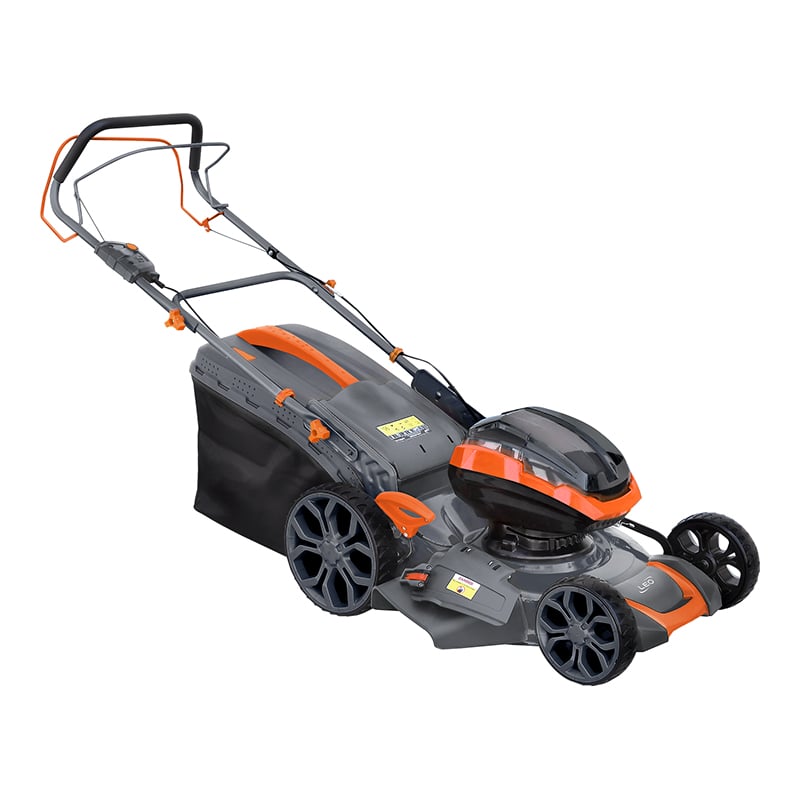
For a landscaping crew, equipment is judged less by a showroom feature list than by what happens between the first gate of the day and the last trailer load-out. This helps explain why the cordless lawn mower is moving from an occasional residential add-on to a serious option in professional landscaping. It does not replace every petrol machine on every route, but the business case has become much more practical: quieter starts, fewer routine service tasks, easier work near homes, and a cleaner operating experience for crews and clients.
The change is not simply about choosing electric over fuel. A cordless lawn mower works when a contractor treats batteries, chargers, crew habits, terrain, grass conditions, and route timing as one operating system. For many recurring maintenance jobs, that system is now mature enough to deserve a place in the fleet.
Professional demand is being shaped by the working day
Noise is one reason a cordless lawn mower gets attention. Landscapers often work close to homes, schools, care facilities, hospitality sites, and commercial properties where a loud engine can trigger complaints or limit when a crew can start. Search results from NYC311, for example, list lawn mowers among lawn-care equipment that may be reported for noise. Rules differ by location, but the operating reality is consistent: lower perceived noise can make conversations easier, reduce disruption, and help a team work more comfortably on sensitive sites.
A commercial electric mower also removes the pull-start ritual, fuel handling, oil checks, and some of the vibration and exhaust associated with small petrol engines. That does not mean zero maintenance. Blades still need inspection, decks still collect debris, wheels wear, and batteries need sensible storage. Yet a cordless lawn mower can simplify the daily routine enough that crews spend more attention on cut quality and site flow rather than small-engine interruptions.
Emissions are another practical driver. EPA material on gasoline lawn and garden equipment highlights the contribution of small engines to volatile organic compound and particulate emissions in that equipment category. Contractors do not need to make sweeping environmental claims to recognize the local advantage of a cordless lawn mower: no tailpipe exhaust at the point of use. That can matter when bidding for campuses, municipalities, managed communities, or clients with sustainability goals.
Battery platforms have changed the capability conversation
Early battery equipment was often evaluated as a light-duty substitute. Today, a cordless lawn mower is more often assessed as part of a platform. Interchangeable batteries, brushless motors, rapid charging options, and multiple tools on one battery family can change how a crew packs a trailer. Instead of carrying fuel cans for every stop, the supervisor can assign charged packs by route, mower, and expected grass load.
The important question is not whether a cordless lawn mower has enough runtime on its own. It is whether the crew can complete a defined property sequence with the battery inventory, charging access, and backup plan available. A flat, regularly maintained residential route is very different from wet spring growth, long slopes, or neglected turf. Professionals are increasingly testing electric equipment job by job, then assigning it where its strengths are repeatable.
This is also where a professional mower specification matters. Deck width, self-propel drive, grass collection, mulching behavior, handle ergonomics, battery access, and service support all affect productivity. A cordless lawn mower that performs well on a small property may not suit a crew that must move quickly through large, dense, or uneven sites. Matching the machine to the route is more valuable than chasing a single advertised runtime number.

Less downtime can be more valuable than a headline power claim
Landscaping managers commonly look at purchase price first, but the useful comparison is total working friction. A cordless lawn mower can reduce trips for fuel, routine engine service items, cold-start frustration, and the need to isolate fuel smells inside a vehicle. Those small savings do not automatically make every electric model cheaper; battery replacement, charging infrastructure, and spare-pack inventory must be budgeted. Still, fewer small operational delays can add up across a busy season.
Crew management is another consideration. A cordless lawn mower is generally straightforward to start and stop, which supports consistent handoffs between operators. For teams handling landscaping equipment across many properties, a documented battery routine can be simpler to teach than an informal system of cans, mixed fuel, oil levels, and engine warm-up habits. The goal is not to eliminate training. It is to make the right daily checks visible and repeatable.
Where cordless equipment fits well today
A cordless lawn mower is especially compelling for recurring residential maintenance, premium urban properties, enclosed courtyards, schools, healthcare-adjacent sites, and locations where quiet service is part of the customer experience. These jobs often have predictable mowing intervals and travel patterns, allowing supervisors to plan battery rotation. They are also places where the absence of on-site exhaust can be easy for a client to notice.
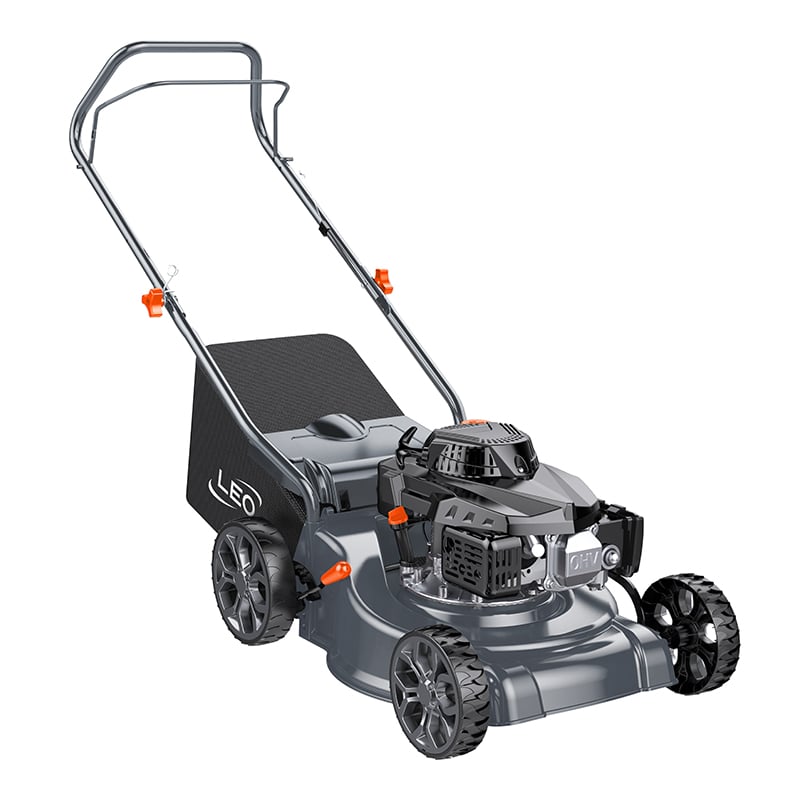
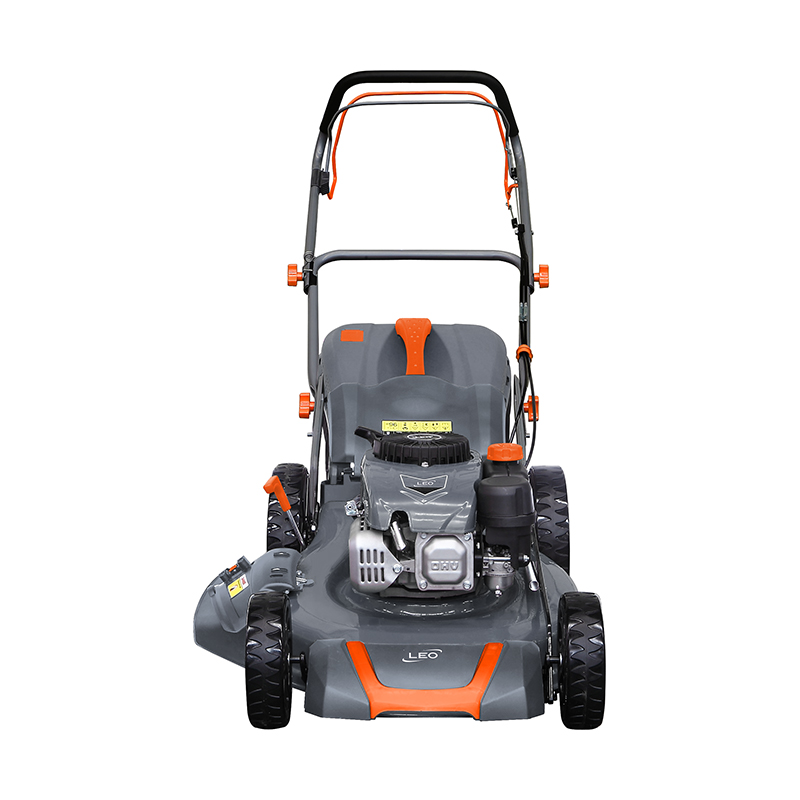
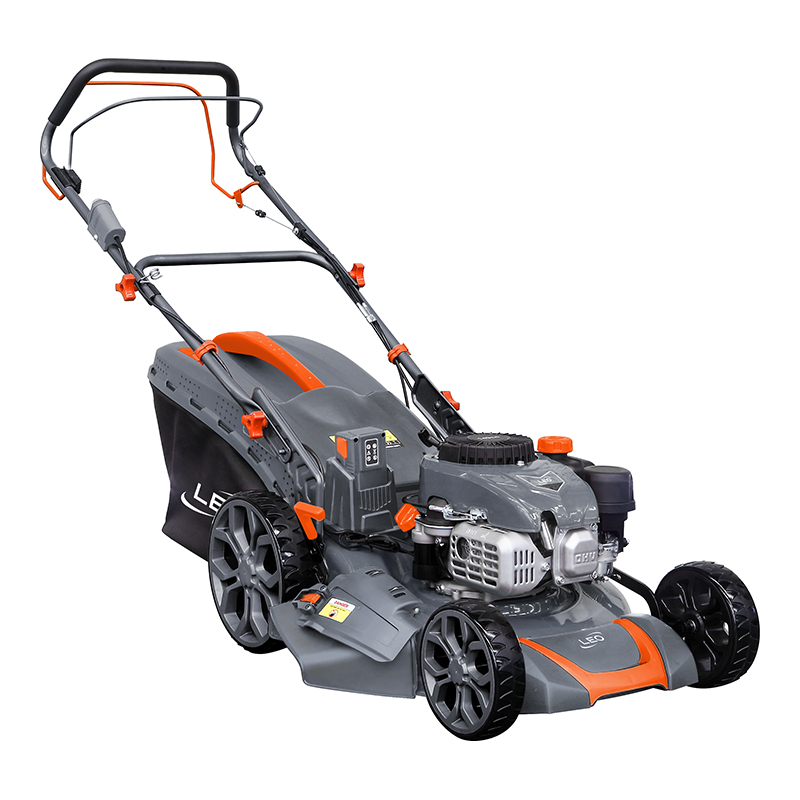
For large acreage, wet growth, severe slopes, or all-day heavy cutting, a cordless lawn mower may still need a mixed-fleet strategy. Contractors can retain petrol or ride-on equipment for high-demand work while using battery tools where they protect margins and improve the client experience. This is not a failure of electrification; it is sensible fleet segmentation. Garden machinery should be selected by site conditions, not by fashion.
A practical evaluation checklist for contractors
- Map the route: Identify properties where a cordless lawn mower can complete the expected cut with a practical battery reserve.
- Measure real conditions: Test dry and damp grass, slopes, bagging, mulching, and operator changes rather than relying only on a short demonstration.
- Plan energy flow: Decide where packs are charged, labeled, cooled, transported, and checked for damage.
- Compare service support: Evaluate parts availability, battery warranty terms, blade supply, and repair turnaround alongside mower price.
- Set a mixed-fleet rule: Define when a commercial electric mower is the first choice and when another machine is dispatched.
Why adoption is likely to continue
The rise of the cordless lawn mower in professional work reflects an operational shift, not a novelty purchase. Better battery ecosystems make it easier to standardize tools, noise-sensitive clients value a quieter visit, and managers are looking for ways to reduce avoidable maintenance friction. A cordless lawn mower will not be the universal answer for every commercial route, but it is increasingly a credible answer for the right one.
For contractors reviewing landscaping equipment, the most useful next step is a controlled field trial. Track labor time, battery swaps, cut quality, client feedback, and service needs across comparable sites. That evidence will show whether a cordless lawn mower belongs as a specialist tool, a primary machine for selected routes, or a broader part of the professional mower fleet.
 Hot News