
 EN
How Modern Garden Machinery Improves Landscaping Efficiency?
Landscaping efficiency is rarely about asking people to move faster. It comes from choosing garden machinery that reduces repeat work, matches the site, and keeps the crew moving through a sensible sequence of tasks. A mower that is quick on an open lawn but awkward around beds can create trimming work later. A compact tiller that is right for a narrow planting area can save far more time than a larger machine that cannot enter the space. In other words, modern garden machinery improves output when it is selected as part of a working system, not as a collection of individual purchases.
After working through equipment choices across different outdoor sites, one lesson is consistent: the useful measure is not simply engine size, deck width, or battery capacity. The better question is whether a machine removes a delay from the day. For a landscaping team, that may mean fewer passes, less walking, less manual lifting, fewer stoppages, or a cleaner handoff to the next task. The sections below show where modern garden machinery makes those gains most reliably.
Start with the workflow, not the catalogue
Before choosing garden machinery, map a typical job from arrival to cleanup. A crew may inspect the property, clear debris, mow open areas, trim edges, cultivate planting zones, remove green waste, and load out. Each handoff can create lost minutes if tools are poorly matched or stored separately. A site walk also matters for safety and planning: obstacles, holes, wet patches, slopes, and access routes affect which machines can work efficiently.
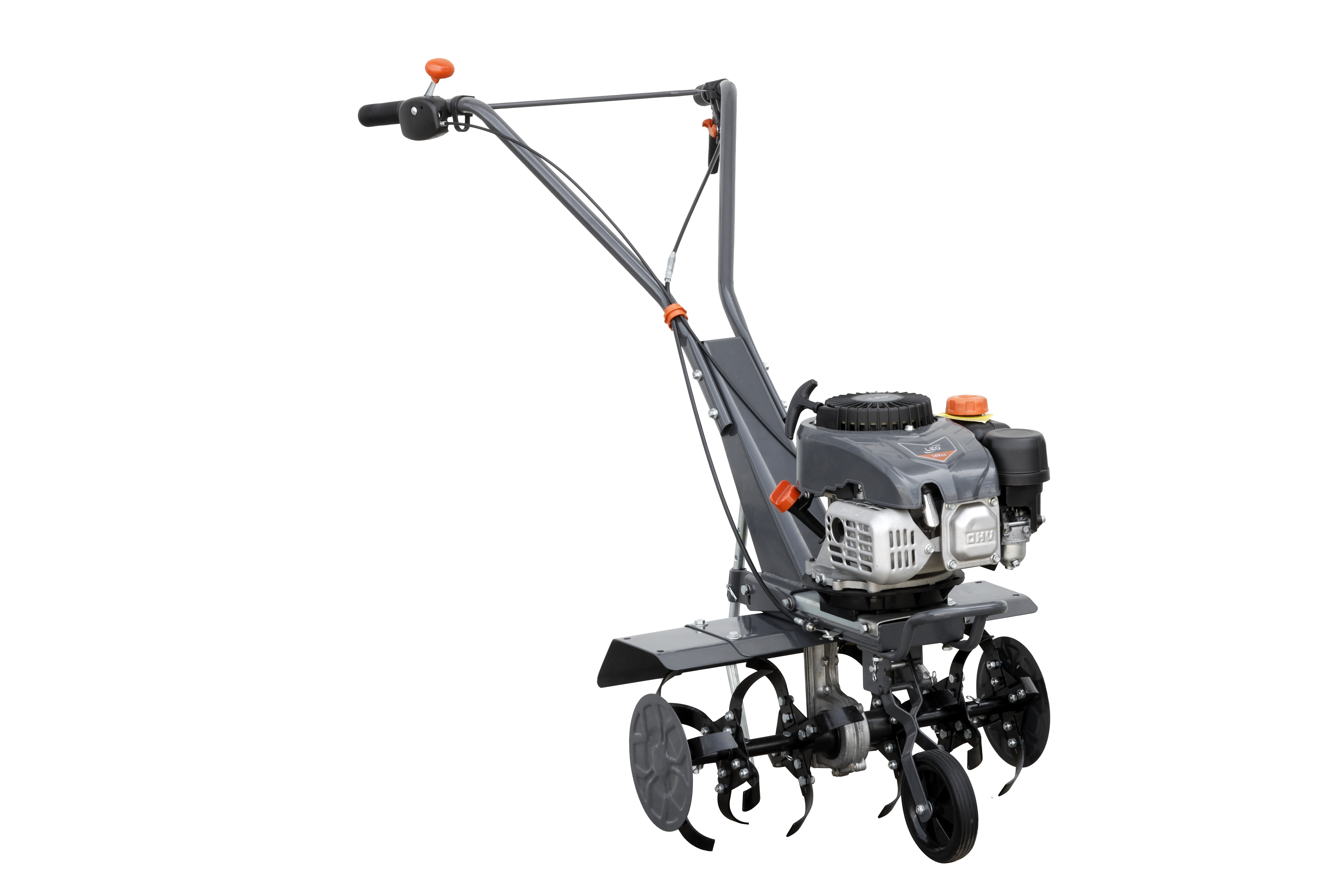
A useful rule is to assign each machine one clear role. A zero turn mower can cover broad, open turf quickly, while a walk-behind unit can be more controlled in confined layouts. A robot lawn mower may suit repeat maintenance on a well-defined, suitable lawn, freeing staff for detail work; it is not a substitute for evaluating boundaries, terrain, and seasonal growth. A rototiller can speed soil preparation, but only after the operator has confirmed working width, soil condition, and underground services. This task-specific approach turns garden machinery into a coordinated fleet rather than a set of compromises.
Reduce passes and physical effort on the right terrain
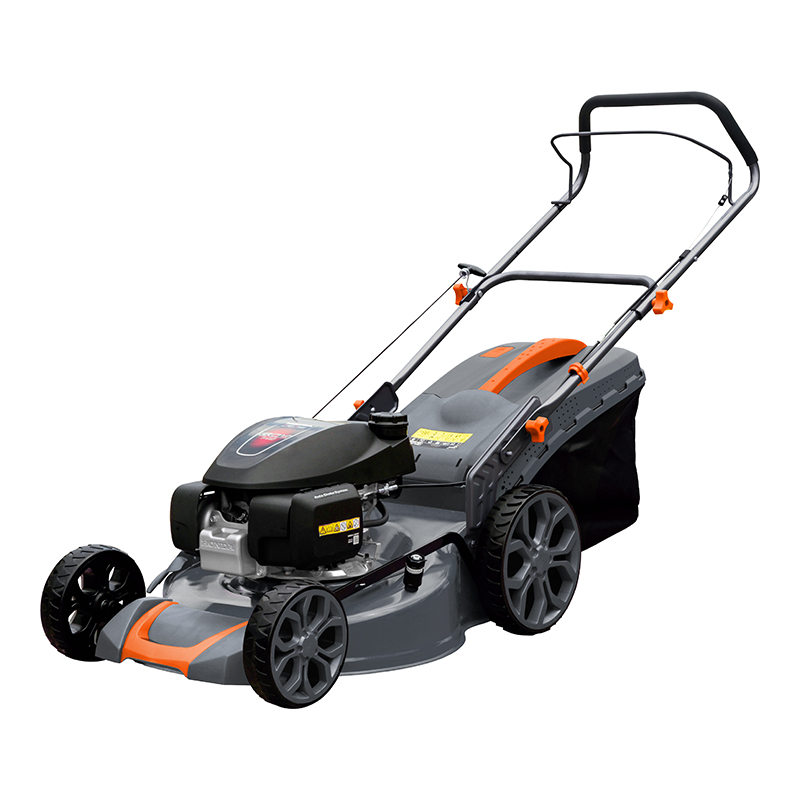
Modern garden machinery improves productivity most visibly when it reduces unnecessary passes. Cutting width, drive system, turning radius, and collection or mulching choices all shape how long a lawn takes. On a large, open site, a ride-on or zero-turn format can reduce walking and turning effort. On a garden with narrow gates, trees, beds, and sharp changes in grade, a smaller self-propelled mower may finish sooner because it needs fewer corrections.
Terrain is the condition that people often underestimate. A wider deck does not automatically produce a faster result when access is restricted. Likewise, more power is not automatically a better cut if the deck, blade condition, and travel speed are wrong for the grass. For sloped or uneven ground, traction, operator position, and stability deserve as much attention as headline capacity. The efficient choice of garden machinery is therefore conditional: use the machine that covers the area cleanly and safely, not merely the largest machine available.
Use battery equipment where it removes friction
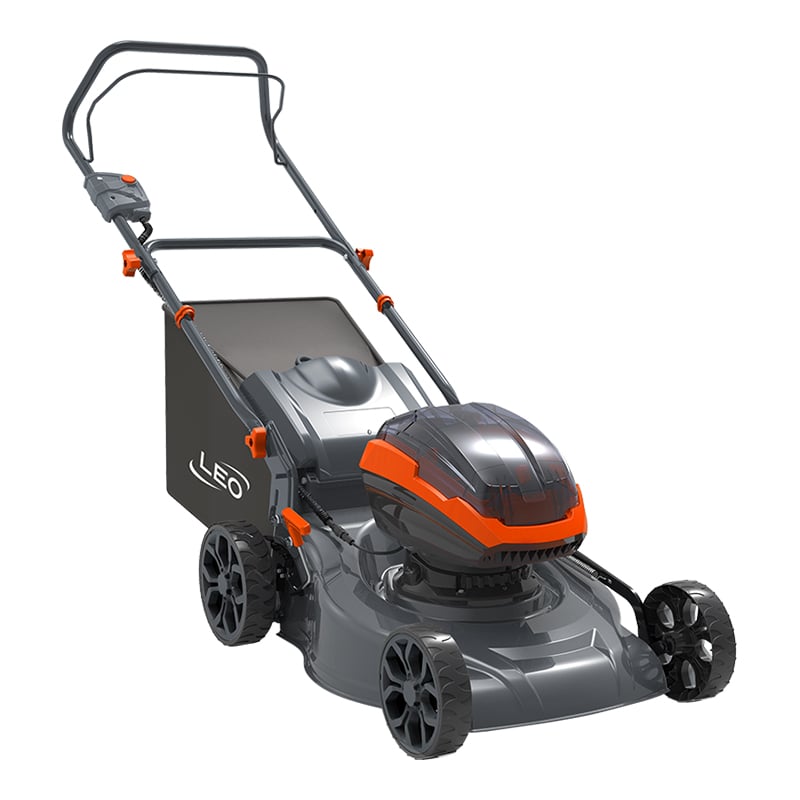
Battery technology has widened the role of cordless garden machinery, especially for crews that work near homes, schools, hospitality sites, or early-morning schedules. A battery powered lawn mower removes cable management and routine engine-start tasks, while battery hand tools can make short, scattered jobs easier to complete without repeatedly moving a fuel-powered unit. That flexibility can improve the rhythm of trimming, edging, and touch-up work.
Still, battery equipment works well when paired with a charging plan. Runtime depends on grass density, cutting height, terrain, temperature, and operator habits. A large site may require spare batteries, a staged charging routine, or a mixed fleet. Treating cordless garden machinery as universally better is a planning error; matching it to duty cycle is more productive. The practical gain comes from reducing interruptions, not from choosing one power source for every job.
Make soil and green-waste work part of the same system
Efficiency is often lost after mowing, when crews switch to planting preparation or waste handling. A rototiller suited to the bed width can loosen soil more consistently than manual digging and can make the next planting step easier to schedule. For green waste, a shredder or mulcher can reduce the volume that must be moved or stored, provided the material is appropriate for the machine and the operator follows its instructions.
The key is to avoid forcing one tool into every material type. Wet grass can clog a deck; mixed woody waste can slow a shredder; a machine that is too wide can damage bed edges during turns. Modern garden machinery earns its place by making the entire sequence smoother: preparation, cutting, collection, processing, and cleanup.
Protect productive time with inspection and maintenance
Downtime is one of the least visible costs in landscaping. A short pre-start check of guards, fasteners, blades, tires, batteries, cables, and fluid levels can prevent a mid-job interruption. It also supports safer decisions around rotating tools and riding equipment. For a mower, sharp blades and a clean deck influence cut quality and help avoid repeat passes caused by torn or uneven grass.
Maintenance should be scheduled around workload rather than left until a machine fails. Keep the right consumables, cleaning tools, and charging equipment with the fleet. Record recurring issues by machine and site. This does not need to be elaborate: a simple inspection routine helps managers see whether a particular piece of garden machinery is a reliable time saver or a source of repeated delays.
Build a smarter equipment mix
The strongest landscaping operation is not necessarily the one with the most machines. It is the one with a well-defined mix of garden machinery for open turf, intricate lawns, edge work, soil preparation, and cleanup. A zero-turn mower may be highly productive on one property, a robot lawn mower may support recurring maintenance on another, and a compact rototiller may be the better answer for a small planting zone. Each choice should be tested against access, terrain, frequency of use, maintenance capacity, and the work that follows.
For buyers and operators, the takeaway is straightforward: evaluate modern garden machinery by the delays it eliminates across the full job. When equipment is properly matched, maintained, and sequenced, crews can spend more time delivering a consistent landscape and less time correcting avoidable inefficiency.

 Hot News