
 EN
What Should Global Buyers Know About Garden Machinery Quality?
For an importer, distributor, or private-label buyer, garden machinery quality is not a single pass-or-fail feature. It is the combined reliability of the machine, the consistency of the production run, the clarity of its documentation, and the supplier’s ability to support the product after delivery. A sample can look convincing on a showroom floor and still create costly claims if the next shipment has inconsistent components, unclear instructions, or no usable spare-parts plan.
As a procurement buyer, I would start with a simple question: can this supplier demonstrate quality in a way that can be checked before the season starts? That question matters because garden equipment is seasonal in many markets. A late correction to a mower, shredder, or tiller specification can affect an entire selling window.
Garden Machinery Quality Starts With the Intended Use, Not the Brochure
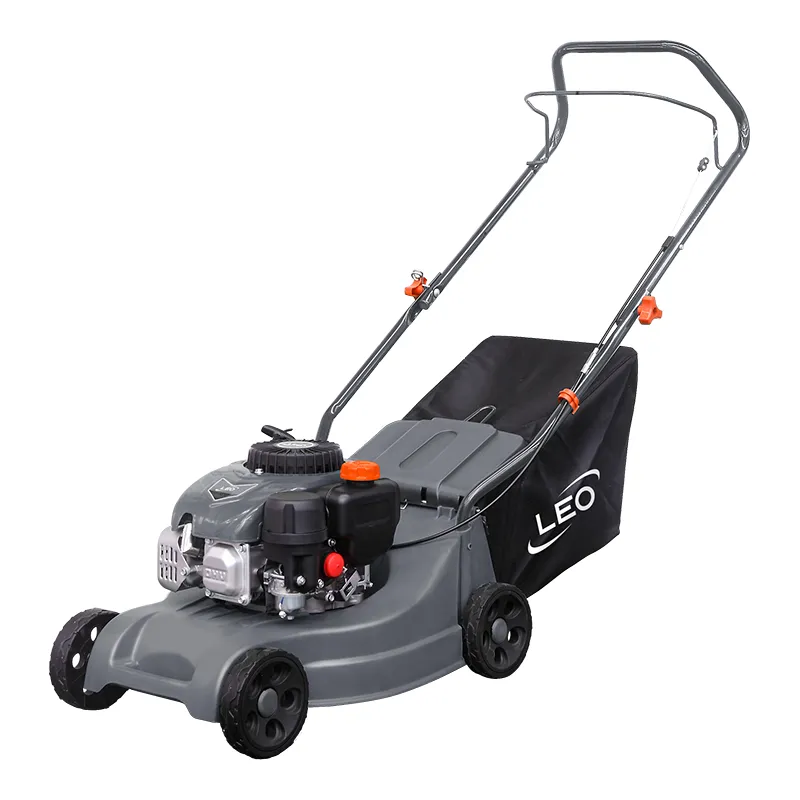
Different garden machinery faces very different workloads, so global buyers should judge each machine against a defined task rather than a generic promise of quality. A compact mower for a small, flat residential lawn should not be judged by the same criteria as a self-propelled unit for frequent use on uneven ground. Likewise, a shredder’s practical performance depends on the material it processes, including moisture, branch diameter, and feed consistency. The right standard is therefore fitness for the stated use.
Ask the supplier to define the operating boundaries in writing: expected duty cycle, terrain limitations, cutting or processing capacity, recommended maintenance intervals, and any conditions that reduce performance. If the answer remains vague, the product specification may not be mature enough for a confident launch. More power does not automatically mean better garden machinery; usable torque, cooling, controls, and component matching often matter more in the field.
Inspect a Sample, Then Verify the Production System
A pre-shipment garden machinery sample is essential, but it is only the first checkpoint in a broader quality process. Inspect the fit of guards and covers, fastener security, cable routing, sharp edges, labels, packaging protection, and the clarity of the user manual. Run the sample through realistic tasks rather than only an unloaded start-up. For a mower, that can include repeated starts, height adjustment, grass collection or mulching, and inspection for vibration or deck blockage. For a shredder, test typical feed material rather than an ideal dry branch.
Then move beyond the sample. Ask how the supplier controls incoming parts, records assembly checks, handles serial or batch traceability, and separates nonconforming units. A good answer includes a repeatable process and records that can be reviewed, not simply a promise that the factory checks everything. That distinction matters in private-label programmes: an untracked component or design change can turn a previously accepted launch into a warranty problem.
Build a Practical Garden Machinery Quality-Evidence File
Global buyers should request garden machinery evidence by model and destination market. Keep it organised in a file that procurement, compliance, and after-sales teams can all use. The exact documents depend on the product and market, but a useful review list includes:
- the current specification sheet, parts list, drawings, and approved sample record;
- the user manual, safety labels, packaging artwork, and language versions required for the market;
- test reports or inspection records tied to the actual model, rather than a similar-looking product;
- a declaration of conformity and the supporting technical documentation where the destination requires it;
- the warranty policy, spare-parts list, lead times, and escalation contacts for service claims; and
- change-control terms requiring notice before a material, component, or specification change.
For the EU, buyers should verify the conformity route for the exact product rather than treating a CE mark as a generic quality badge. Machinery compliance may involve risk assessment, technical documentation, instructions, and a declaration of conformity. For outdoor equipment within the scope of the applicable noise rules, the sound-power information and declaration also deserve a model-by-model check. A compliance adviser can confirm which obligations apply in the destination market; the buyer’s job is to make sure the supplier’s evidence is traceable to the SKU being ordered.
Garden Machinery Durability Is Also an After-Sales Question
Buyers sometimes focus on the ex-factory price and miss the cost of a failed service experience. Garden machinery quality should be tested against the first two seasons of ownership, not just the moment a buyer signs off on a sample: Which wear parts are likely to be needed? Are blades, belts, switches, wheels, batteries, chargers, or engine service items identifiable and available? Can a local dealer diagnose a common fault from the manual and parts diagram?
This is the point where supplier evaluation becomes concrete. A machine can be competitively priced yet expensive to support if the parts catalogue is incomplete or replacements arrive after the peak season. Request a recommended opening order for service parts, part numbers, lead times, and a process for handling warranty photos, videos, and returned units. If your market depends on garden centres or dealers, confirm that the packaging, instructions, and troubleshooting materials help them explain the product without improvising.
Use Garden Machinery Factory Audits and Pre-Shipment Checks With Clear Acceptance Criteria
A garden machinery audit or third-party inspection is most useful when it checks the risks that matter to the order. Define the acceptance criteria before production starts: cosmetic limits, functional tests, label placement, packing configuration, accessory completeness, and sampling rules. Include a check that the finished product matches the approved specification and documents.
For a first order, consider a staged approach: approve the specification and golden sample, review pilot-run results, inspect production, and conduct a final pre-shipment check. For repeat orders, track claim patterns and feed them into the next inspection plan. A blade-sharpening issue, a recurring vibration complaint, or a battery-storage problem may look small in isolation, but it can reveal where instructions, assembly controls, or component choices need attention.
Compare Garden Machinery Suppliers on Total Readiness, Not Just Unit Price
Supplier suitability varies by market and operating model, and a reliable garden machinery programme requires more than an attractive unit price. The better fit depends on the market, product category, expected order volume, and the service model you need. A supplier with a slightly higher quotation may be the lower-risk option if it provides reliable documentation, stable components, export-ready packaging, disciplined change control, and practical parts support. Conversely, a lower-priced offer can work well when its evidence is equally strong and its operating limits match your target segment.
Before placing an order, score each supplier against the same categories: product suitability, sample performance, production controls, documentation, regulatory readiness, service parts, communication, and change management. Make the scorecard specific to the models you will sell. It keeps the discussion on evidence rather than marketing language.
Final Takeaway
Global buyers should view garden machinery quality as a verification process that begins before the purchase order and continues through the first selling seasons. Start with the real use case, test the sample under realistic conditions, confirm that production controls can reproduce it, and require evidence that supports compliance and service after delivery. When those elements align, you are not merely buying a machine—you are building a product programme that dealers and end users can trust through the season.

 Hot News