
 EN
How Often Should You Maintain a Lawn Mower for Better Performance?
A lawn mower rarely loses performance all at once. More often, the warning signs arrive gradually: a ragged cut, clippings collecting under the deck, a harder pull-start, or a battery that seems to finish sooner than expected. Regular mower maintenance keeps those small issues from becoming a Saturday lost to troubleshooting. The right interval depends on the mower type, local conditions, and the operator manual, but a simple routine makes the work manageable.
Start with how the machine is used. A mower cutting dry turf weekly needs a different rhythm from one working in damp, dusty, fast-growing conditions. The manufacturer’s manual takes priority for engine service and safety instructions; use this schedule as a practical framework around it.
The short answer: inspect every use, service by season and hours
For most owners, a quick pre-use check should happen before every mow, basic cleaning should happen after every mow, and a more deliberate inspection should happen monthly during the growing season. Plan a fuller service at the start or end of the season, or sooner when the manual’s hour meter interval arrives. Petrol models need particular attention to oil, fuel, air filtration, and ignition; cordless models shift the focus toward battery condition, terminals, cooling vents, and safe storage.
One small-engine manufacturer lists an initial oil change after five hours, air-filter cleaning at 25 hours or annually, and further service at 50 hours or annually on some engines. That is context, not a universal rule: follow the documentation for your model.
Before each mow: a five-minute performance check
- Look over the cutting area. Remove stones, wire, toys, branches, and hidden irrigation parts before starting. This protects the blade and reduces the chance of an abrupt stop.
- Check the deck and blade area with power isolated. Turn off the engine, remove the key or disconnect the spark plug lead as the manual directs, and make sure the blade has fully stopped. On a cordless lawn mower, remove the battery first.
- Check fasteners, wheels, handles, and cables. Loose hardware or damaged controls should be corrected before use, not after a vibration-heavy session.
- Check fuel or charge status. Use the fuel and charging practices specified for the model. Fresh, appropriate fuel and a properly charged battery reduce preventable starting and runtime complaints.
This quick mower maintenance check gives you a baseline when cut quality later changes.
After every mow: clean the deck before debris becomes a problem
Grass moisture matters. Wet or clumped material can pack under a deck, restrict discharge, and leave a poor finish on the next pass. After the mower is safely powered down and isolated, brush or scrape accumulated clippings from accessible areas according to the manual. Avoid directing water at electrical components, bearings, or engine openings unless the manufacturer specifically approves that cleaning method.
Also take a minute to look at the cut. Torn, pale, or uneven grass tips often point to blade care rather than an engine problem. It is tempting to blame power output first; in practice, a dull or damaged blade is frequently the more immediate cause of a rough-looking lawn.
Monthly during the season: inspect the systems that wear
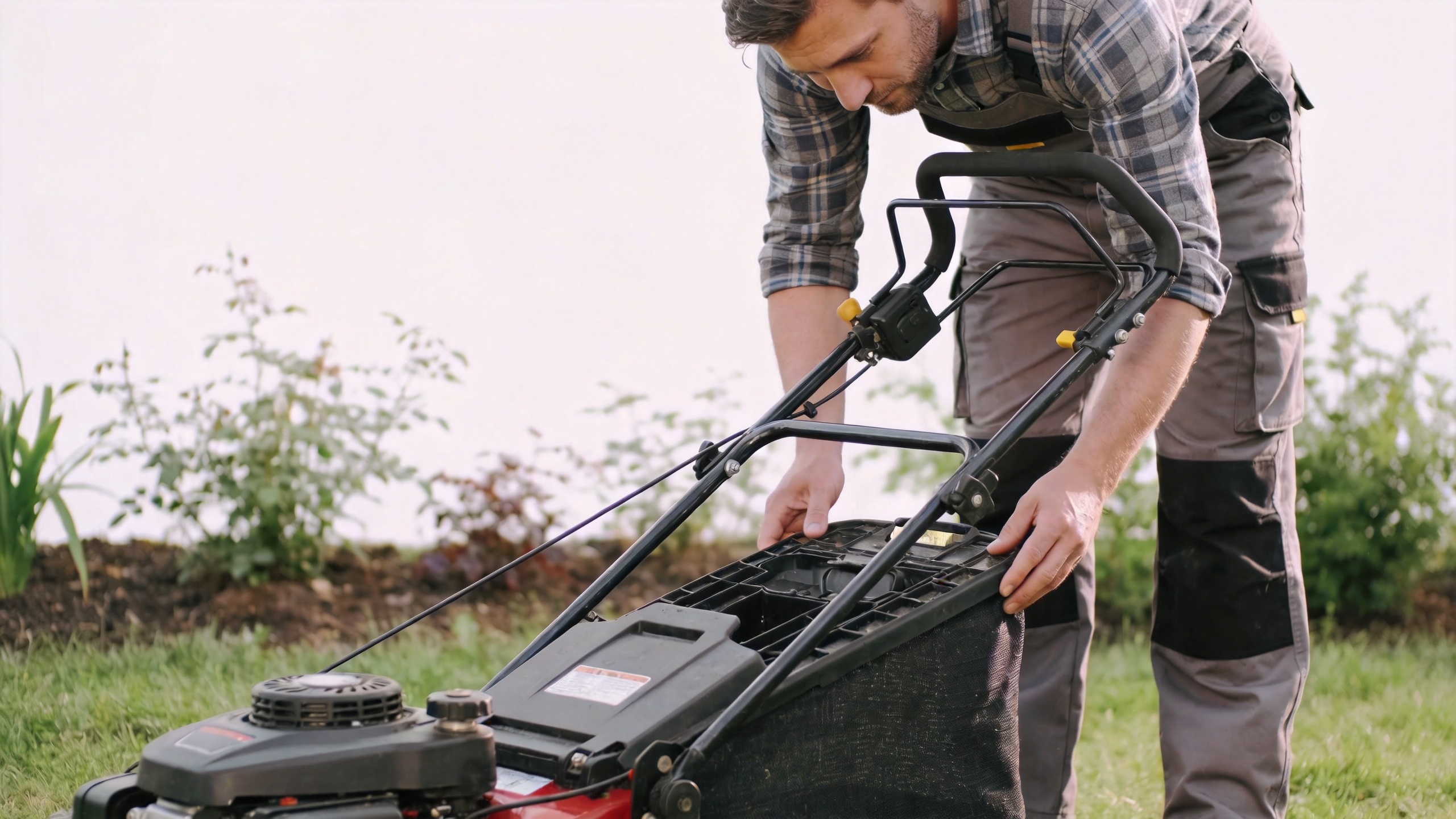
Monthly inspection is a sensible default for a lawn mower used regularly, and it should become more frequent in dusty, sandy, wet, or high-growth conditions. Focus on the parts that collect debris, loosen, or degrade with use:
- Air intake and filter: Inspect and clean or replace the filter only as the manual specifies. A restricted filter can affect running quality on petrol equipment; do not run an engine without its proper filtration in place.
- Blade and mounting hardware: Check for nicks, bends, cracks, and secure mounting. Replace a damaged blade rather than trying to rescue it.
- Drive and deck components: For self-propelled or ride-on equipment, inspect belts, cables, and guards for wear. Stop using the mower if a guard or safety device is compromised.
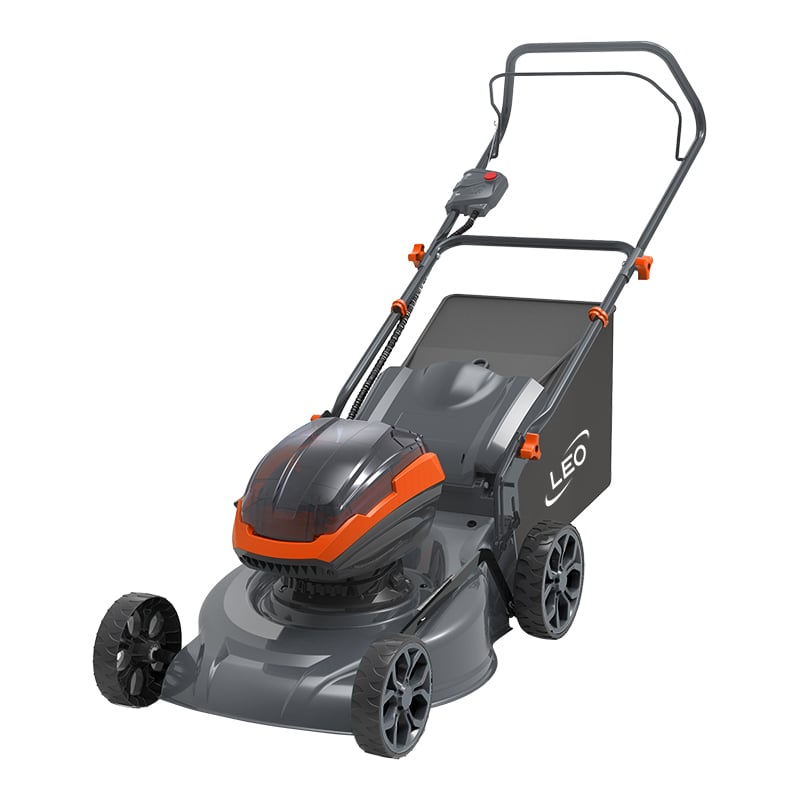
- Battery contacts and vents: For cordless equipment, keep contacts dry and clean, and check that vents are unobstructed. Do not open a battery pack to service it.
Garden tools reward short, repeated attention. A monthly walk-around is easier to remember than a major repair day.
Blade care: sharpen when the cut tells you to, not just by the calendar
Blade care is both a performance and lawn-health task. A sharp, balanced, undamaged blade cuts grass cleanly; a dull blade tears it, which can leave browned tips and make the lawn look stressed. Many owners have blade sharpening performed at least once each season, but cutting hours and conditions are more meaningful than a date on the calendar. Sandy soil, sticks, and frequent mowing can justify earlier attention.
Do not sharpen or remove a blade with the mower capable of starting. Isolate power, follow the manual’s blade-removal procedure, and use qualified service if you cannot assess balance, damage, and correct fitment. Replace a cracked, bent, or heavily worn blade.
Engine service for petrol models: follow hours, then season
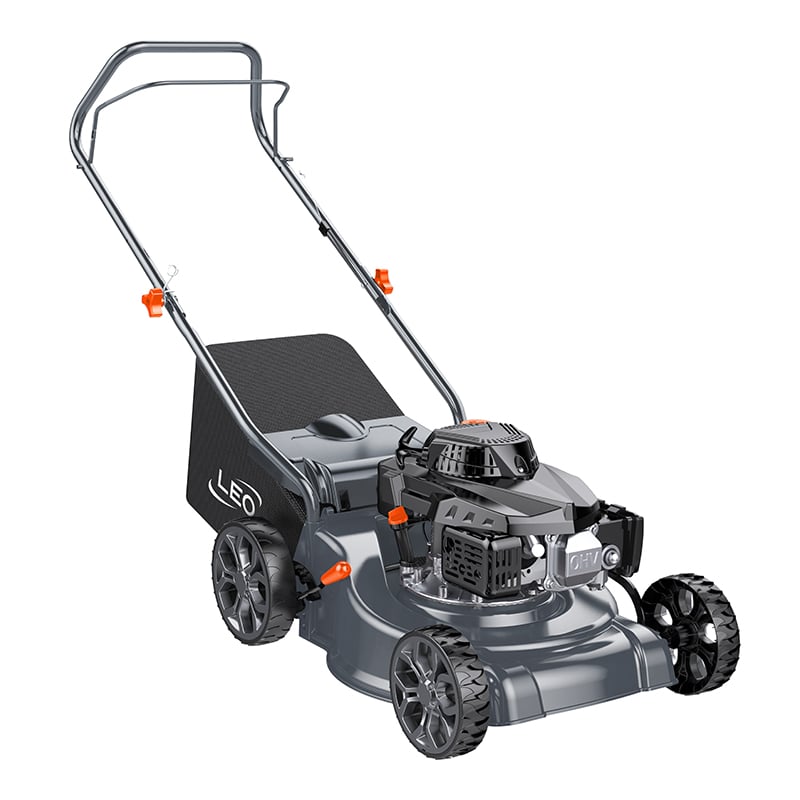
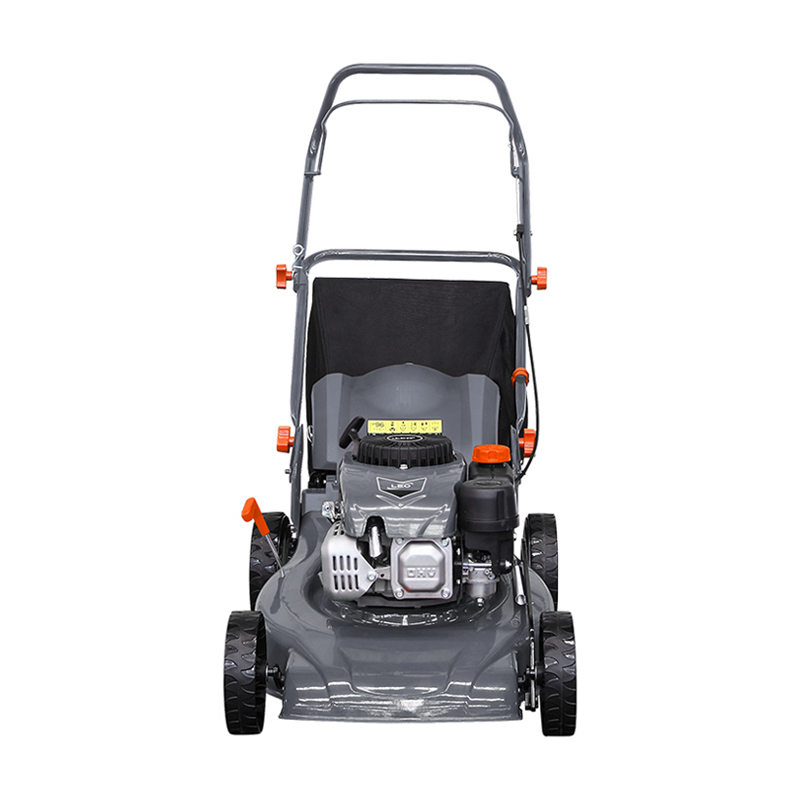
For a petrol lawn mower, engine service usually includes checking oil level before use, changing oil at the specified hour interval, servicing the air filter, examining the spark plug, and checking fuel-system condition. Exact procedures vary, so avoid choosing an oil grade, plug gap, or fuel treatment from general advice alone. Use the approved consumables and intervals listed by the engine and mower manufacturers.
If the mower becomes difficult to start, runs unevenly, or loses power under normal load, stop and inspect the simple causes first: stale fuel, a dirty filter, a fouled plug, obstructed cooling fins, or grass buildup. If the issue persists, professional diagnosis is a better decision than repeated starting attempts. The lower purchase cost of a delayed service may seem appealing, but factor in missed mowing time and potential component damage, and the gap narrows quickly.
Seasonal service and storage: the most valuable appointment on the calendar
Schedule a thorough check before the first heavy spring use and again before extended storage. Spring is the time to inspect the blade, deck, controls, tires or wheels, battery condition, and engine consumables. At season’s end, clean the machine, address any damage, and prepare fuel or batteries exactly as the manual directs.
Petrol equipment may need a fuel-storage procedure specific to the engine and storage duration. Cordless equipment may need a recommended charge range and a dry, temperature-appropriate location. A clean mower is not enough when winter storage is neglected; storage is part of mower maintenance.
When to shorten the maintenance interval
Use a shorter interval when the lawn mower works in demanding conditions: frequent mowing during rapid growth, damp grass that clumps beneath the deck, sandy or dusty ground, steep terrain, prolonged heavy loads, or repeated contact with small debris. If your garden is small, flat, and regularly cleared, the standard schedule will usually be adequate — but if the mower is working harder than usual, inspection frequency should rise with the workload.
A practical lawn mower maintenance checklist
| When | What to do | Why it matters |
|---|---|---|
| Before every use | Inspect area, controls, blade zone, and fuel or battery status | Prevents avoidable damage and unsafe starts |
| After every use | Remove accessible clippings and inspect cut quality | Reduces deck buildup and reveals blade issues early |
| Monthly in season | Check blade condition, air intake, hardware, guards, and drive components | Finds wear before performance declines noticeably |
| By manual hour interval | Perform oil, filter, spark plug, belt, or battery tasks as specified | Matches service to actual workload |
| Before storage / before peak season | Complete a full inspection and follow fuel or battery storage instructions | Improves reliable starting and protects the next season |
Make maintenance easy enough to repeat
The most useful schedule is the one you can sustain. Keep the operator manual, approved consumables, a cleaning brush, and a simple maintenance log together. Record the date, approximate hours, blade work, engine service, and any symptoms. That log is particularly useful when several garden tools share the same storage space or more than one person uses them.
Maintain your lawn mower before it shows a problem: inspect it each use, clean it after mowing, check it monthly, and complete engine service and seasonal storage exactly when the manufacturer requires. Those habits protect cut quality, reduce surprise downtime, and make better performance much easier to keep.
 Hot News