
 EN
How OEM Garden Machinery Helps Global Brands Expand Product Lines?
For a brand entering outdoor power equipment, the gap between a promising category idea and a sellable range can be wide. OEM garden machinery gives brand owners a practical way to add relevant equipment without building a factory, engineering every platform from zero, or taking on every supplier-management task alone. The opportunity is not simply to put a logo on an existing machine. A well-run programme lets a brand build an assortment that makes sense for its customers, channels, and service model.
From a B2B procurement perspective, the useful question is not “Can a supplier make this mower?” It is whether the OEM garden machinery partner can help the brand create a range that is coherent, supportable, and suitable for the markets it wants to serve. That distinction matters when the range may include lawn mowers, ride-on mowers, tillers, shredders, branch cutters, or gasoline water pumps.
Why product-line expansion needs more than a new SKU
Global brands usually expand because buyers ask for adjacent solutions, dealers want a fuller catalogue, or a seasonal campaign needs more than one hero product. Yet adding an isolated SKU can make a range harder to sell. Dealers need clear product positioning, compatible packaging, spare-parts planning, and a sensible step-up path from entry-level to higher-capability equipment.
OEM garden machinery can reduce that fragmentation by allowing a brand to select product platforms around defined use cases. For example, a residential range may need compact walk-behind mowers and practical tillers, while a dealer-led assortment may also need ride-on equipment or water pumps. The right mix depends on terrain, typical plot size, maintenance expectations, and local selling channels. There is no universally right catalogue; the better fit depends on how the brand’s customers will actually use the equipment.
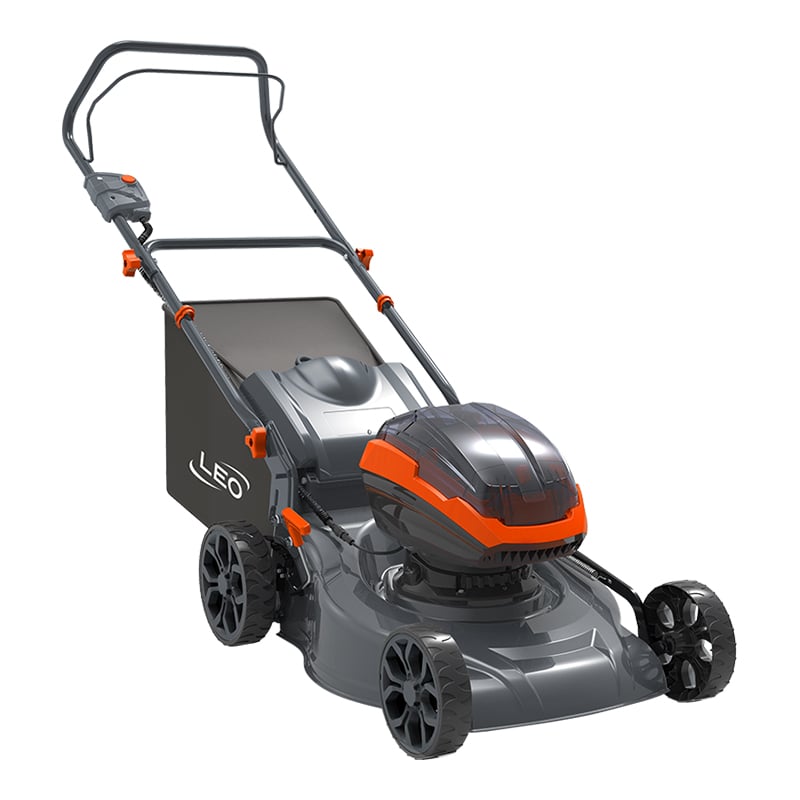
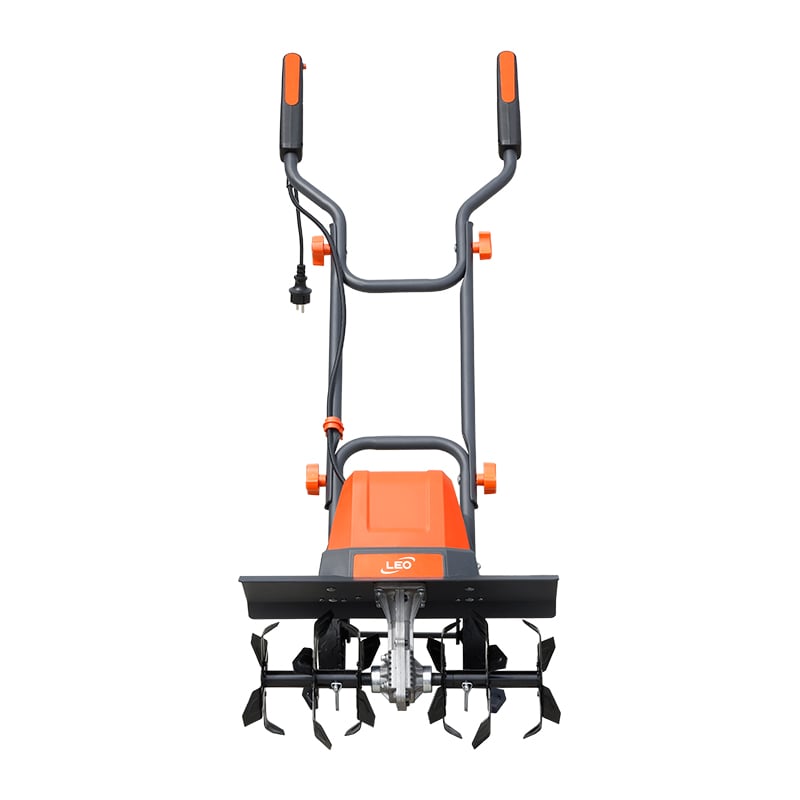
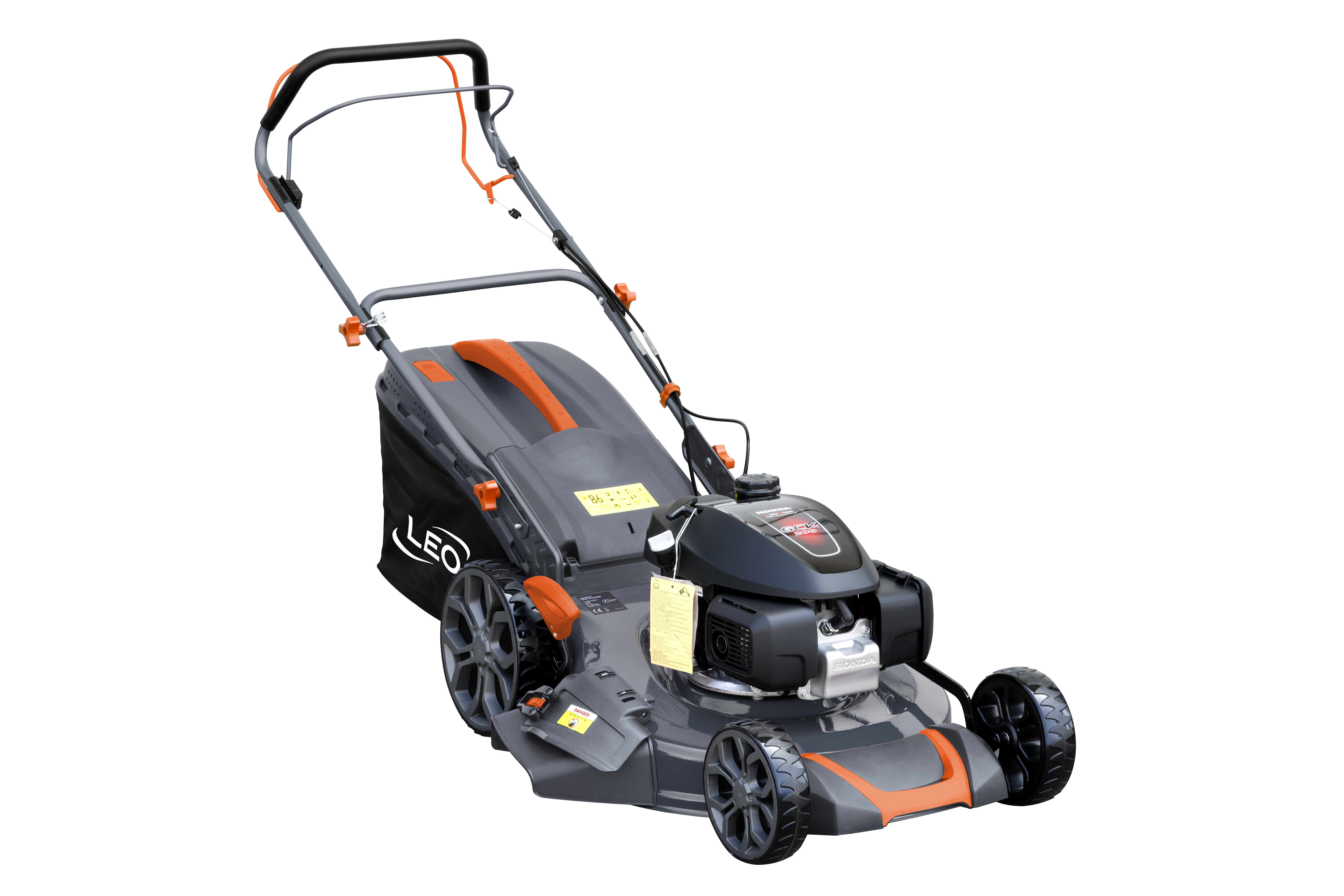 A coordinated product range helps brands plan category expansion around real customer needs.
Private label turns a platform into a brand range
A private label programme begins with the outward experience: brand marks, colour treatment, cartons, manuals, and retail-facing product names. Those elements are important, but they should follow a product architecture. A customer should be able to understand why one machine sits above another and which application each machine serves.
With OEM garden machinery, a brand can align presentation across several categories rather than launch mismatched products from unrelated factories. The supplier should be asked to document what is standard on each platform and what can be changed. That discussion keeps the private-label brief realistic and prevents the common mistake of approving an attractive sample before confirming whether the same configuration can be reproduced consistently at scale.
Customization should begin with commercial priorities
Customization is most useful when it solves a defined market need. A brand might prioritize local-language documentation, packaging suitable for its retail channel, a model mix tailored to smaller gardens, or component choices that simplify service. It may also need labels and technical files that support its market-entry process. In the EU, products covered by relevant product rules must carry CE marking before being placed on the market, so compliance planning belongs early in the sourcing conversation rather than at the final artwork stage.
Not every change delivers equal value. Before requesting extensive customization, a buyer should rank must-haves, should-haves, and future options. This helps an OEM garden machinery supplier quote accurately, assess tooling implications, and identify changes that may affect lead time or validation. If a requested feature matters only to a small channel, a staged launch may be wiser than forcing it into every initial model.
Manufacturing discipline protects the brand after launch
The commercial case for OEM garden machinery depends on repeatability. A sample is a starting point, not proof that routine manufacturing will meet the same standard. Brands should define a specification pack that covers the agreed configuration, appearance standards, packaging, manuals, inspection points, and the process for approving substitutions.
It is also worth agreeing how changes are communicated. Components, labels, and packaging can evolve over time; an unexpected change can create dealer confusion or service difficulties even when the machine still operates. A capable supplier relationship includes controlled approvals, traceable production records, and a clear response route when a batch question appears. The specification that matters most is often not the most visible one; it is the one that supports consistent customer experience over repeated orders.
Choose a supplier for the full operating model
A good supplier conversation goes beyond unit price. Ask how the partner handles product validation, documentation, export packaging, parts support, warranty communication, and production scheduling. Garden machinery is seasonal in many temperate markets, so an assortment planned after the buying window may miss the retail moment even if the product is sound.
For brands serving Europe, it is sensible to examine how a partner supports applicable documentation and labelling requirements. It is equally important to confirm how the partner will support distributors after delivery. An OEM agreement should make responsibilities visible: which party owns artwork approval, who validates manuals, how spare parts are identified, and how quality issues are escalated.
Zhejiang Leo Garden Machinery Co., Ltd. operates in garden-machinery categories including lawn mowers, ride-on lawn mowers, branch cutters, tillers, and gasoline water pumps. For a sourcing team, this kind of category breadth can be useful when evaluating whether one OEM garden machinery relationship can support a logically connected product roadmap. The decision should still be based on confirmed model specifications, documentation, samples, and the commercial terms for the intended market.
A practical rollout framework
- Define the range gap. Identify customer jobs, price tiers, and channels before selecting machines.
- Build a private-label brief. Separate non-negotiable brand, packaging, documentation, and service requirements from optional customization.
- Validate the supplier. Review manufacturing controls, change management, export readiness, and after-sales processes.
- Approve the product system. Check samples against the agreed specification, not only visual appearance.
- Plan the launch calendar. Allow time for compliance documentation, artwork approval, forecasting, and seasonal delivery.
Expand with fewer surprises
The strongest OEM garden machinery programme is a long-term product-building process, not a logo exercise. When private label choices, customization priorities, manufacturing controls, and supplier responsibilities are set out early, global brands can add categories with more confidence. Start with a focused range, validate what customers and dealers need, then use the learning from the first launch to expand the roadmap deliberately.
 Hot News