
 EN
EN
What Is the Difference Between a Petrol Lawn Mower and an Electric Lawn Mower?
Choosing between a petrol lawn mower and an electric model is less about declaring a universal winner and more about matching the machine to the lawn, the grass, and the way you want to work. As garden-machinery specialists often find when assessing a site, a flat 250 m² lawn cut weekly asks very different things of a mower than a large, uneven garden with long spring growth. This petrol mower comparison focuses on the decisions that change day-to-day ownership: cutting strength, range, noise, upkeep, and cost.
The short answer: workload decides the winner
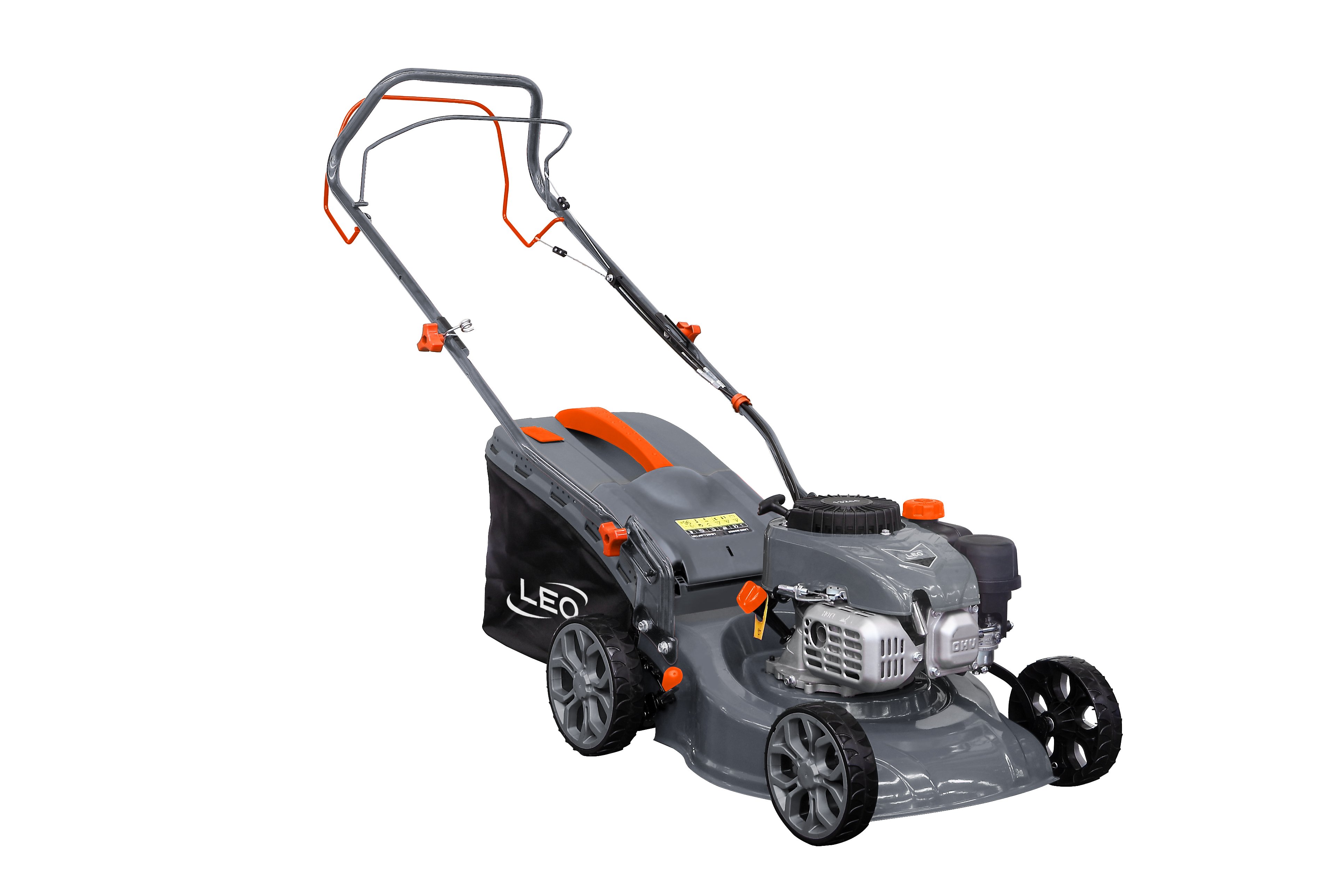
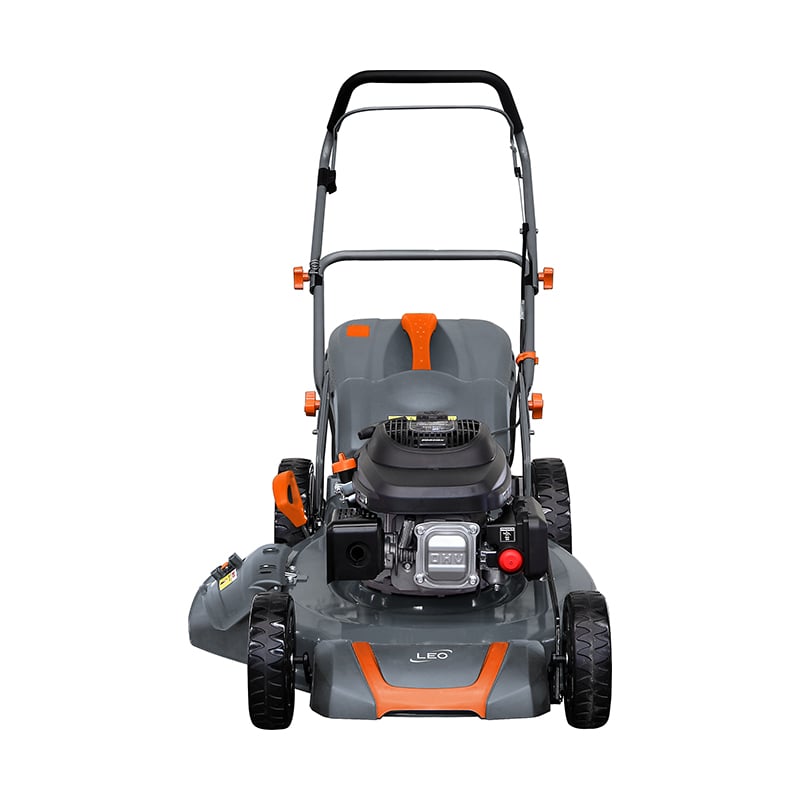
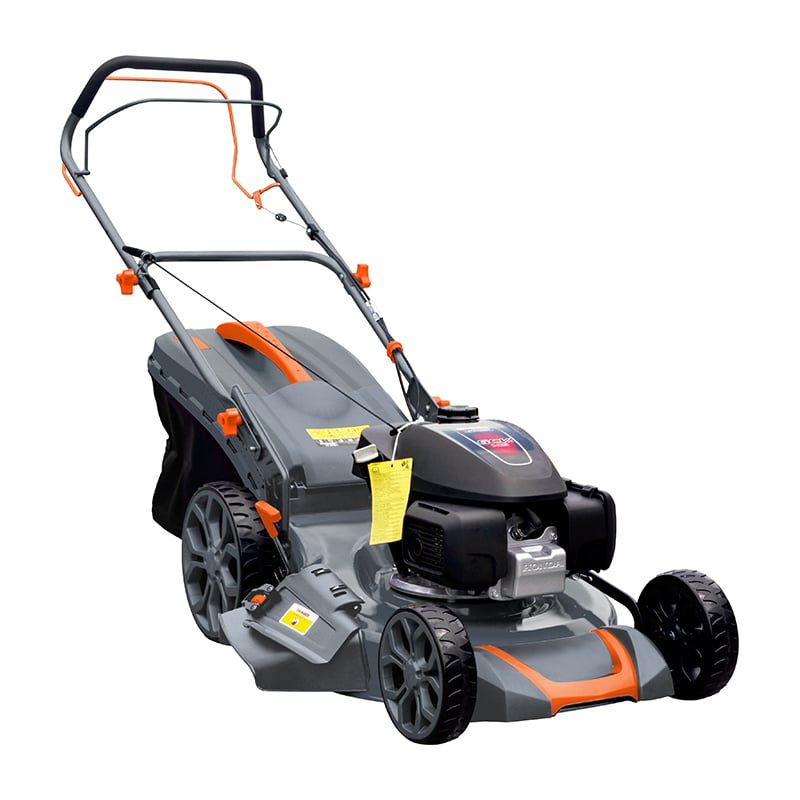
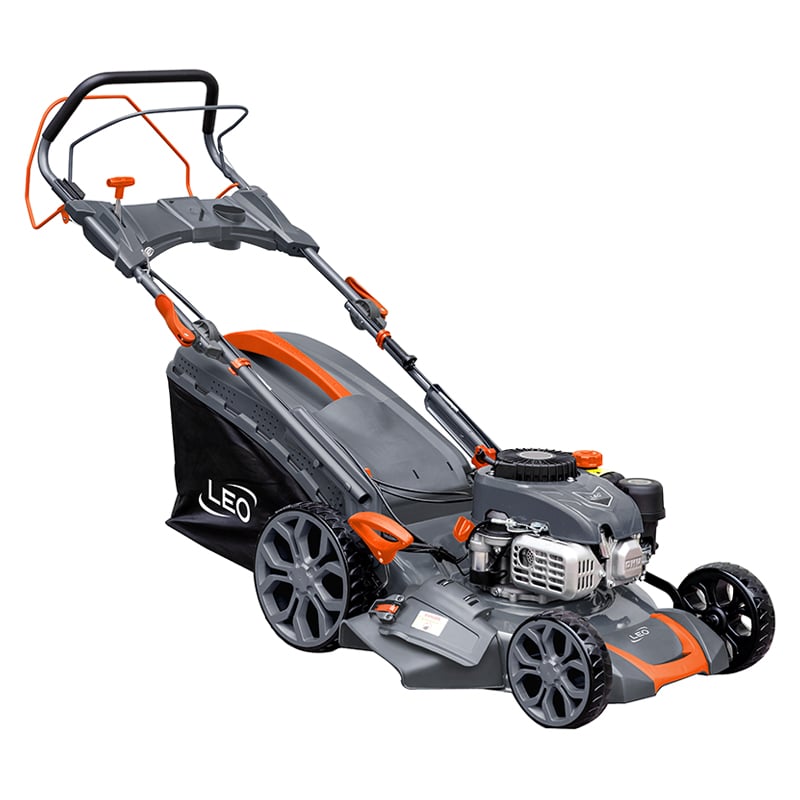
A petrol lawn mower usually gives you longer uninterrupted working time and more reserve power for larger areas, thicker grass, and less predictable conditions. It is often the practical choice when you mow for extended periods, work away from power, or need a self-propelled machine to cover demanding ground.
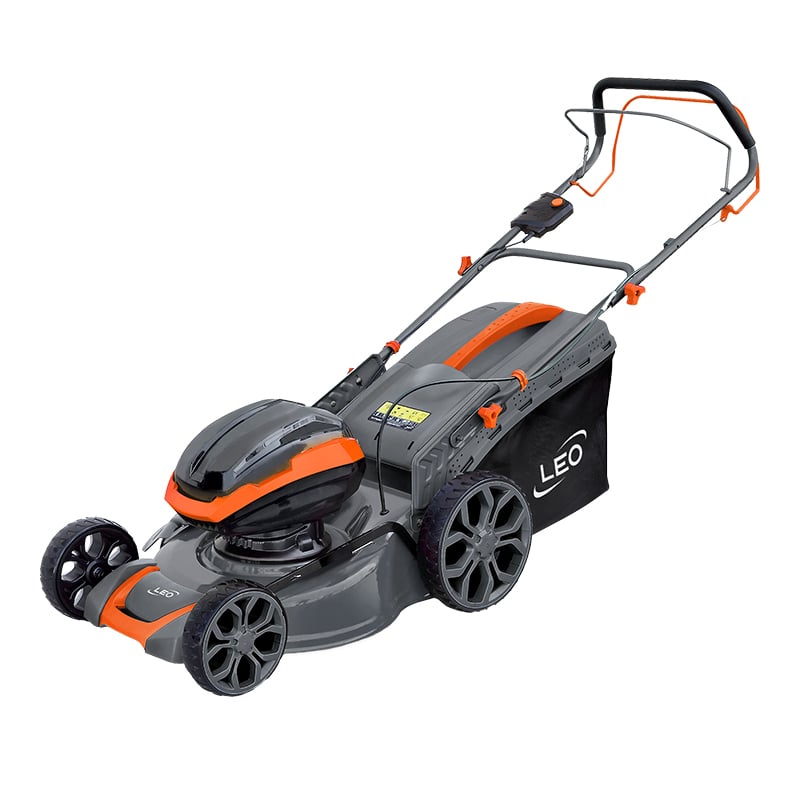
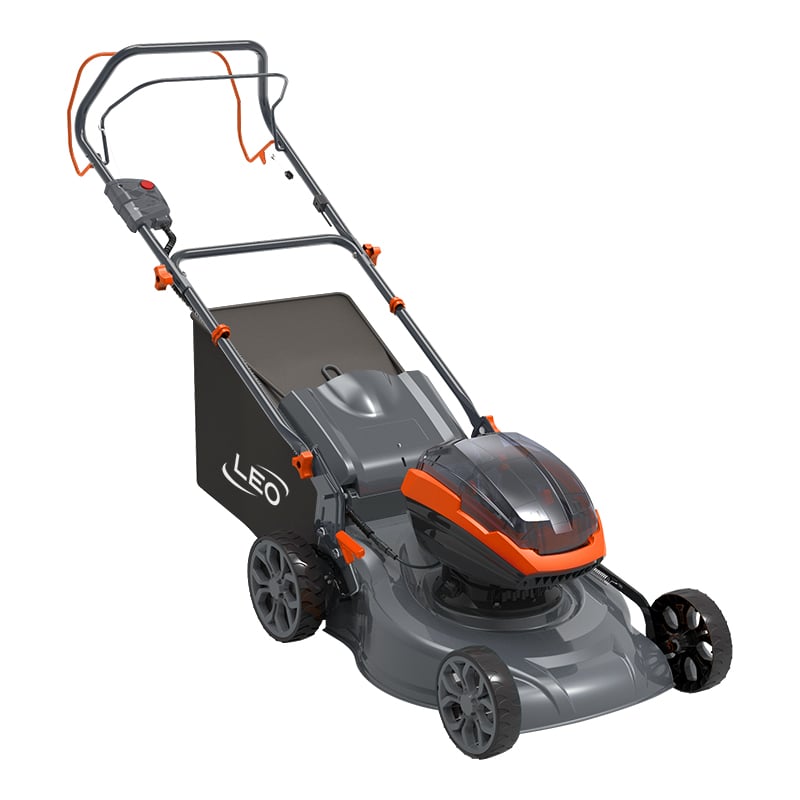
An electric mower, whether corded or battery-powered, is typically quieter, simpler to start, and easier to maintain. It can be an excellent fit for a small or medium lawn that is cut regularly. In other words, the better choice depends on whether your priority is sustained capacity or lower-effort routine care.
Power and mowing performance
The main petrol lawn mower advantage is usable reserve power. A combustion engine can keep working through longer, denser grass without waiting for a battery recharge, provided the blade, deck, and cutting height are set sensibly. That does not mean every petrol lawn mower cuts better than every electric alternative; blade sharpness, deck design, wheel drive, and grass conditions still matter. But a petrol machine tends to offer a wider margin when growth has got ahead of you.
For routine cuts on dry, maintained turf, a modern electric mower can deliver neat, consistent results. The more relevant question is how far the lawn is from its ideal weekly cut. If it is often tall, damp, or mixed with rough edges, a petrol lawn mower may feel less strained. If it is short and regularly maintained, electric power may be entirely adequate.
Do not choose only by headline engine size or voltage. A wider deck can reduce passes on an open lawn but can be awkward around beds, trees, and narrow gates. Good mowing performance comes from matching deck width, cutting-height range, collection or mulching needs, and drive system to the actual garden.
Range, runtime, and garden size
A petrol lawn mower is refuelled in minutes, so its working range is mainly limited by fuel, operator comfort, and grass conditions. That suits large properties, shared green spaces, or work where stopping halfway through is inconvenient. A self-propelled petrol lawn mower can also reduce pushing effort on a long run, although the extra weight remains noticeable when turning or storing it.
Battery runtime is the key planning issue for an electric mower. Consumer Reports noted in a 2026 comparison that average battery walk-behind runtime in its tests was about 45 to 50 minutes per charge; actual runtime varies with battery capacity, grass height, dampness, slope, and whether the mower is self-propelled. Its comparison also found that two-thirds of rated electric walk-behind mowers could mow a quarter acre on one charge. Treat those figures as planning evidence rather than a promise for every model or lawn.
For a modest garden, an electric mower with one battery may be enough. For a larger garden, calculate the job honestly: one larger battery, a spare battery, or a petrol option can prevent charging time becoming the bottleneck. A corded electric mower removes the battery question but replaces it with cable management and a practical distance limit.
Noise, emissions, and comfort
Noise is where the electric mower usually has a clear everyday advantage. It avoids engine exhaust during use and generally produces less intrusive sound, which can matter near neighbours or when mowing early. Consumer Reports’ handling comparison also gave electric mowers a higher average score than gas mowers, 4.2 versus 3.8, though individual models and user needs vary.
A petrol lawn mower brings more vibration, engine noise, fuel odour, and weight. Those trade-offs can be acceptable when its capacity saves time on difficult jobs. They are less appealing when the lawn is small and the mower is carried through a shed door after every cut. Ask yourself not only “Can this machine cut my lawn?” but also “Will I be comfortable using it every week?”
Maintenance and total cost
A petrol lawn mower needs regular attention beyond blade care: fuel management, oil checks where applicable, air-filter and spark-plug service, and sensible winter storage. Neglecting end-of-season maintenance can turn a dependable machine into a reluctant starter next spring. These are manageable jobs, but they belong in the purchase decision.
An electric mower has fewer routine powertrain tasks, although batteries need appropriate charging and storage away from extreme temperatures. Both types still need a clean deck and a sharp blade. A dull blade tears grass instead of cutting cleanly, so it can undermine mowing performance regardless of power source.
Purchase price alone does not settle the petrol mower comparison. Include fuel or electricity, service, possible battery replacement, accessories, and the value of your time. For frequent light mowing, electric can be economical to own; for a heavy, extended workload, the capability of a petrol lawn mower may justify its running needs.
Which mower should you choose?
- Choose a petrol lawn mower if you have a large, uneven, remote, or frequently overgrown lawn; need long, uninterrupted sessions; or expect challenging grass conditions.
- Choose an electric mower if your lawn is small to medium, maintained regularly, close to neighbours, and you value lower noise and simpler routine maintenance.
- Compare deck width, drive type, collection and mulching options, storage space, and the garden equipment you already use before deciding. These details often matter more than a broad petrol-versus-electric label.
Final perspective
The difference between a petrol lawn mower and an electric mower is really a difference in operating pattern. The petrol lawn mower favours capacity and independence; electric favours quiet, straightforward upkeep and regular-use convenience. Measure the lawn, think about how often it gets difficult, and choose the option that fits your normal week—not the most demanding day of the year.
 Hot News