
 EN
What Are the Benefits of Using Professional Garden Machinery?
For a landscaping contractor, grounds team, or garden-services distributor, garden machinery is more than a collection of powered tools. It shapes how consistently a crew can mow, cultivate, clear debris, and maintain a site through a busy schedule. Professional users normally assess garden machinery as part of a working system: the machine, the operator, the maintenance routine, and the type of ground all need to fit together.
That perspective matters because professional tools are chosen for repeated work, not an occasional weekend task. The right garden machinery can support a steadier workflow, more predictable finish quality, and a more manageable service routine. It does not remove the need for planning or training, but it can make those practices easier to apply day after day.
1. Garden Machinery Helps Crews Complete Repetitive Work More Consistently
Professional landscape work often combines mowing, edging, soil preparation, pruning-waste handling, and irrigation support across several properties. Purpose-matched garden machinery lets a crew use an appropriate machine for each repeatable task instead of forcing one general-purpose tool to do everything. A mower selected for the terrain, a tiller suited to the soil condition, or a shredder used for suitable green waste can make the work sequence easier to organize.
The benefit is not simply speed. Well-matched garden machinery supports a repeatable method: inspect the site, prepare the work area, complete the task, clear the machine, and move to the next job. When that sequence is clear, supervisors can set realistic routes and operators can focus on the result expected at each location.
2. It Can Support an Efficiency Improvement Across the Whole Workday
An efficiency improvement is often created by reducing avoidable interruptions rather than by chasing a single headline performance figure. Reliable garden machinery with practical controls, accessible service points, and the right cutting or cultivation capacity can help reduce time lost to unsuitable equipment. For example, a crew may be able to keep mowing separate from debris handling instead of repeatedly changing attachments or moving material by hand.
Professional tools also help managers plan the day around task flow. Selecting garden machinery by site size, terrain, vegetation type, and expected duty cycle makes it easier to allocate machines before the crew leaves the depot. That can reduce on-site improvisation and help teams carry the accessories, fuel or charging support, and personal protective equipment each task requires.
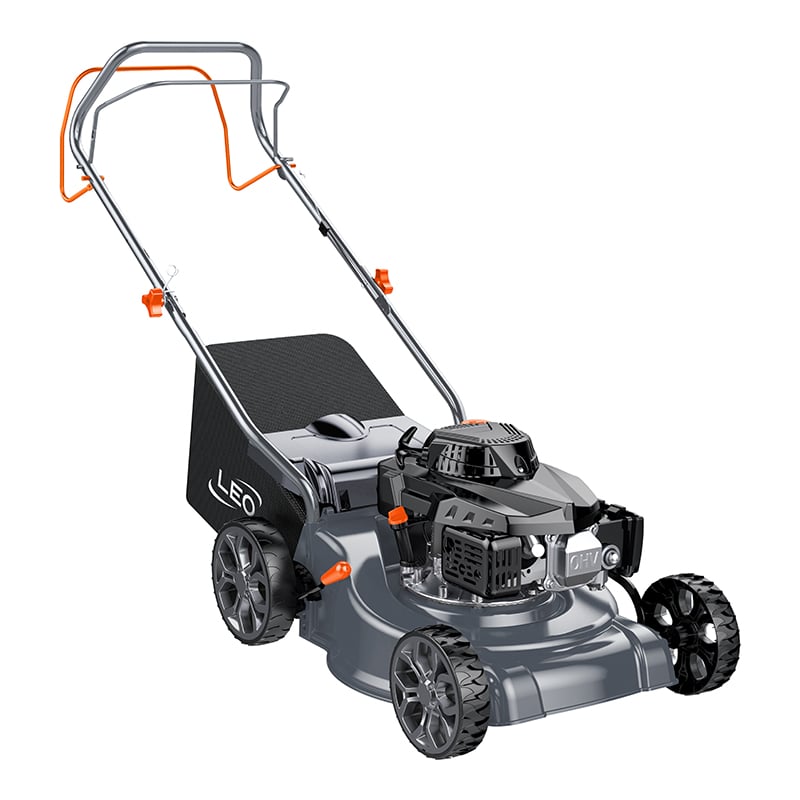
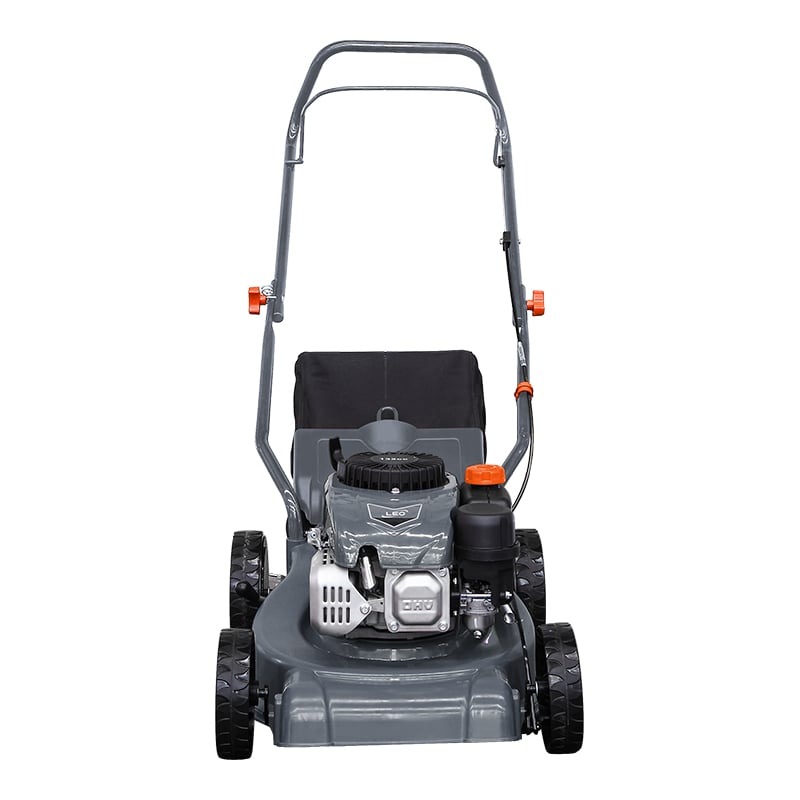
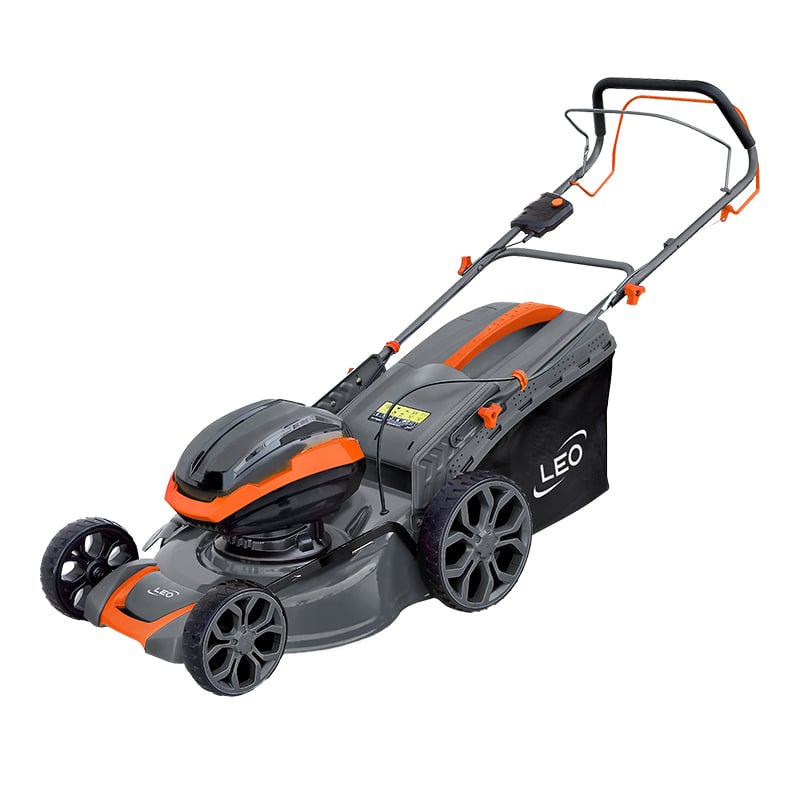
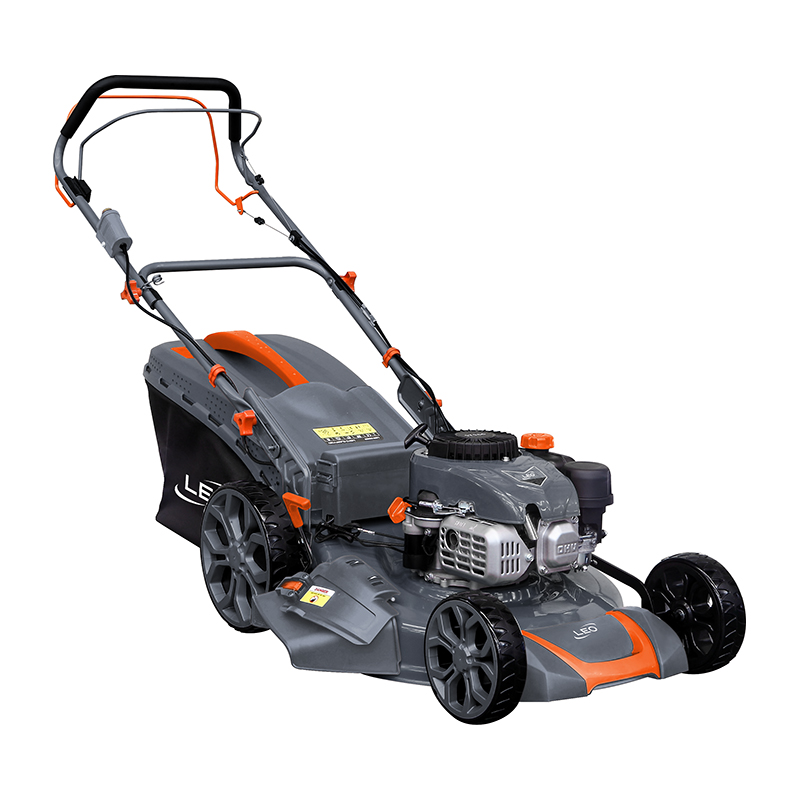
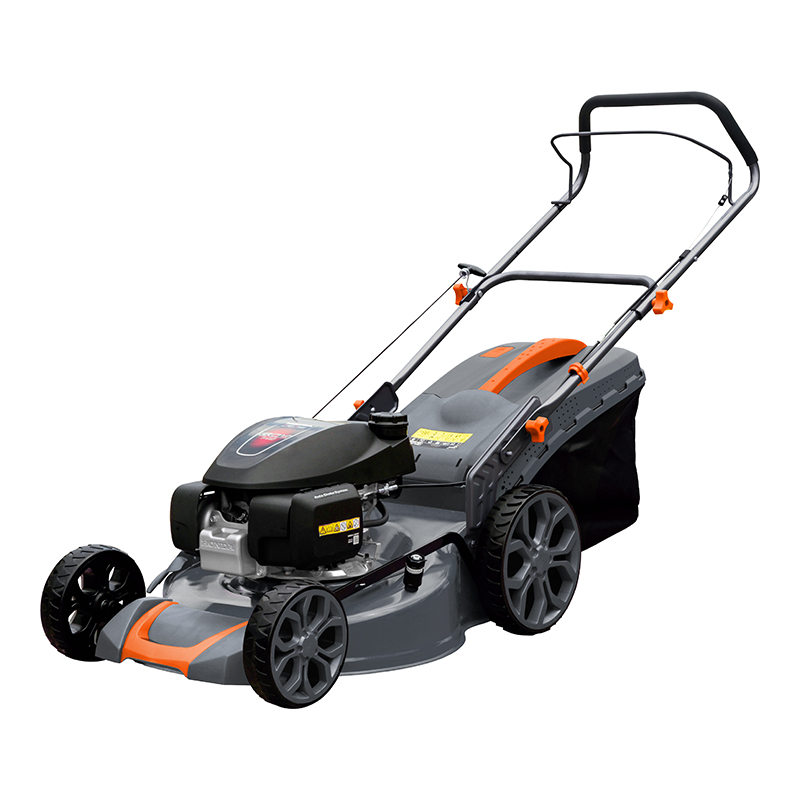
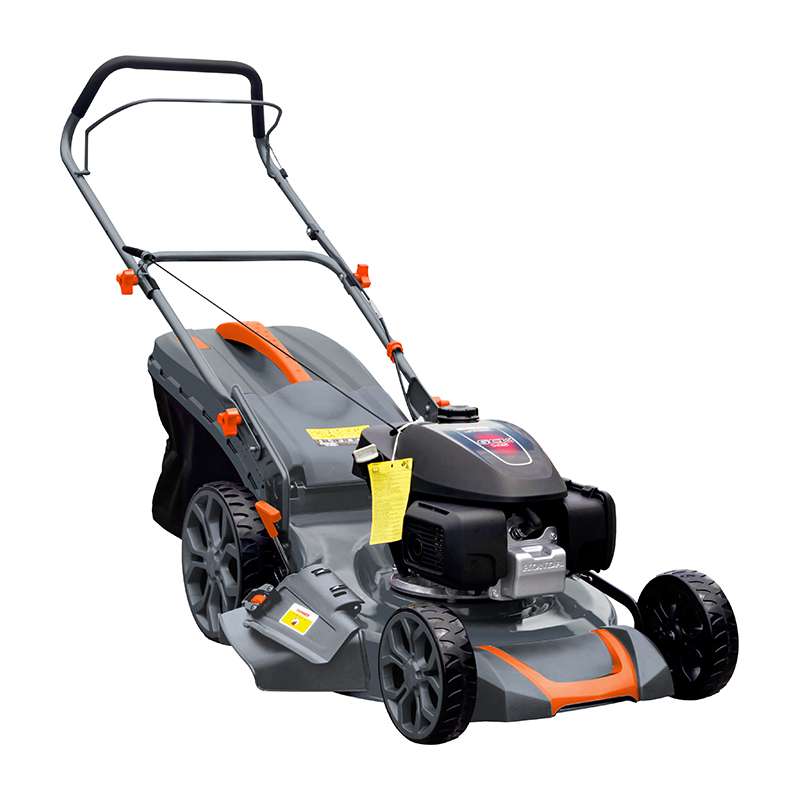
 A task-matched mower can support a more organized landscaping workflow.
3. Better Task Matching Can Improve Finish Quality
Clients notice whether a lawn edge is tidy, a cultivated bed is evenly prepared, or a cleared path is usable when the crew leaves. Suitable garden machinery gives operators greater control over these visible details. The value comes from matching the machine to the job: a compact solution may suit confined spaces, while a higher-capacity option may suit larger open grounds. Neither approach is automatically right without a site assessment.
For distributors and contractors, this is also a productivity issue. When garden machinery supports a consistent finish, fewer return visits may be needed to correct work caused by an unsuitable process. The aim should be dependable results within the agreed scope, rather than making broad claims about every machine or every property.
4. Garden Machinery Can Reduce Unnecessary Physical Strain
Landscaping equipment does not make outdoor work effortless, yet it can shift demanding manual tasks into a more controlled workflow. Appropriate garden machinery may limit repeated hand cutting, hauling, or soil turning when a powered alternative is suitable. Ergonomics deserve the same attention as output: handle position, balance, vibration management, start-up procedure, maneuverability, and the space available around obstacles all affect the operator’s experience.
This is why an equipment review should include the people who will use the garden machinery. A machine that looks suitable in a catalogue may be difficult to maneuver on slopes, around planted areas, or through narrow access points. A realistic demonstration and a defined operating procedure provide more useful information than a price comparison alone.
5. A Professional Equipment Plan Makes Maintenance Easier to Manage
Maintenance is part of the value of garden machinery, not a separate afterthought. Daily cleaning, visual checks, correct storage, and scheduled servicing help a team notice wear before it disrupts a planned job. Guidance on mower use from health-and-safety authorities also highlights the importance of identifying hazards and minimizing operator risk; maintenance and safe isolation procedures belong in that routine.
A professional approach to garden machinery therefore considers parts support, access to service information, and the time needed for basic checks. Keeping a simple log for hours used, inspection findings, and service dates gives managers a practical basis for scheduling. It also helps a distributor discuss after-sales requirements with customers before equipment is selected.
6. Garden Machinery Supports More Informed Purchasing Decisions
The purchase price is important, but it is only one part of the decision. When comparing garden machinery, buyers should consider the likely workload, operator skill level, transport method, storage area, maintenance capability, and local noise or emissions requirements. This wider view can reveal whether a lower-cost machine is genuinely suitable for the planned duty cycle.
For businesses building a landscaping equipment range, category breadth can be helpful. A supplier with experience across mowers, ride-on machines, shredders, mulchers, tillers, and water pumps may be able to support a more coordinated conversation about task coverage. Still, each item should be evaluated on its own confirmed documentation and fit for the intended application.
A Practical Checklist Before You Choose Garden Machinery
- Define the tasks, site sizes, surfaces, vegetation, and seasonal workload.
- Match each type of garden machinery to its expected duty cycle rather than selecting by price alone.
- Ask operators to assess access, handling, controls, and visibility during a demonstration.
- Confirm maintenance intervals, consumables, service access, and parts availability from current documentation.
- Plan training, inspection routines, safe storage, and appropriate personal protective equipment.
- Review the total workflow: transport, setup, operation, cleanup, and return-to-service time.
Conclusion
Professional garden machinery can bring useful benefits when it is selected for real work conditions. It can support more organized crews, an efficiency improvement in day-to-day operations, more consistent landscape outcomes, and a maintenance routine that is easier to manage. The strongest results come from combining suitable landscaping equipment with trained operators, documented checks, and a clear plan for every job.
Rather than treating professional tools as a simple upgrade, evaluate garden machinery as an operating decision. Start with the work you need to complete, then choose machines and support arrangements that make that work safer, more repeatable, and more practical over time.
 Hot News