EN
Garden Shredder Import Guide for International Garden Equipment Buyers
Importing a garden shredder is not simply a matter of finding an attractive factory quotation. A distributor has to decide which garden shredder fits local waste streams, retail expectations, market-access rules, container economics, and the service promise made after the sale. When sourcing a garden shredder at scale, the decision is not just about price per unit; warranty terms, parts availability, and supplier reliability across markets matter just as much.
This guide gives international buyers a practical way to qualify a garden shredder range before placing a seasonal order. It is written for importers, garden-equipment distributors, and private-label teams rather than for a homeowner choosing one machine for a weekend project.
Start with the market your garden shredder will serve
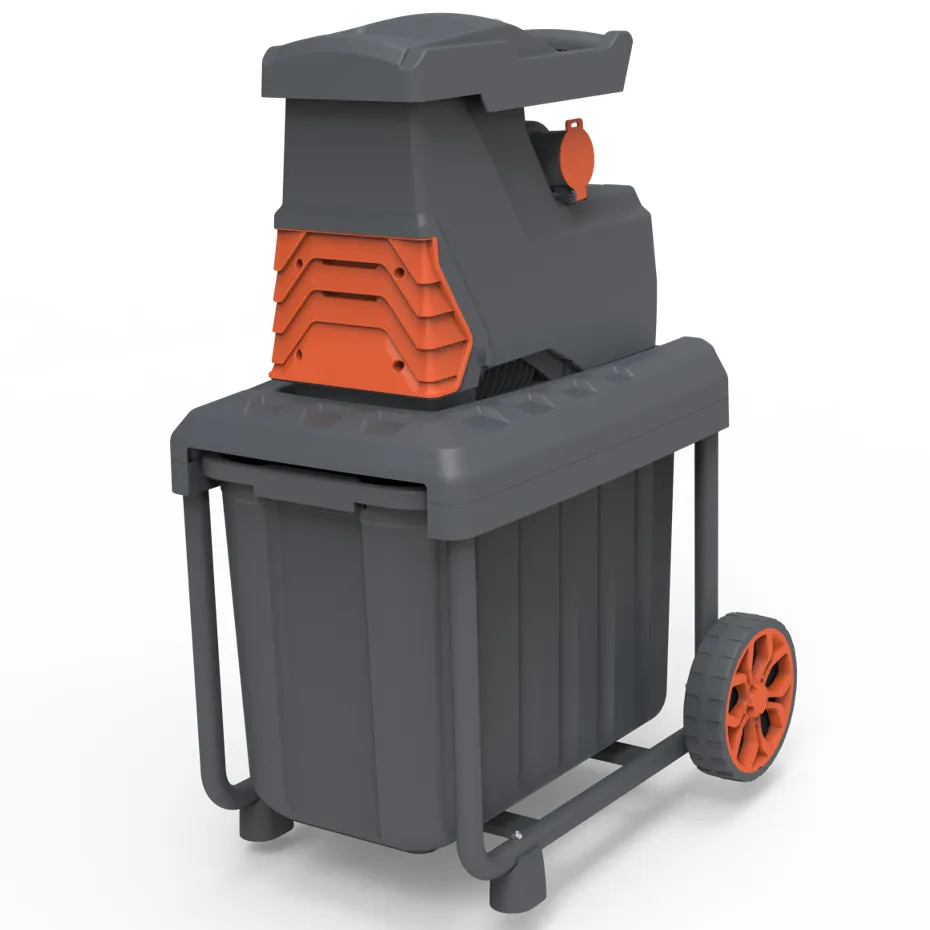
Before comparing quotations, define the customer and material profile for every garden shredder SKU. A quiet electric unit for compact urban gardens, a petrol shredder for properties with heavier seasonal debris, and a branch-processing machine for landscaping channels are different commercial propositions. Search results often combine chippers, shredders, and mulchers in one category, so your product brief should define what the garden shredder is expected to accept and what output customers expect.
- Residential retail: prioritize manageable size, clear instructions, safe feeding, storage, and noise expectations.
- Garden centres and dealer channels: prioritize a tiered garden shredder assortment, demonstrable features, retail-ready packs, and spare-parts support.
- Landscaping and grounds care: prioritize duty cycle, material mix, transport, service access, and realistic throughput evidence.
A useful question for a buyer is: what will users actually feed into this garden shredder? Dry prunings, leafy trimmings, fibrous stems, and wet mixed garden waste behave differently. A machine can appear satisfactory in a short dry-branch demonstration but slow down when wet material bridges at the feed opening. That is why material trials should be part of garden shredder qualification, not a late-stage complaint investigation.
Match garden shredder architecture to the use case
Do not let a single headline specification determine the purchase. First, separate the intended role of the garden shredder: branch reduction, leaf volume reduction, mulch preparation, or a mixed-waste workflow. Then ask the supplier to identify the cutting or crushing principle, feed method, reversal or clearing process, stated branch-diameter limit, collection arrangement, and safe access points for routine service.
| Buying question | Why it matters to an importer | Evidence to request |
|---|---|---|
| What material mix is intended? | It prevents a garden shredder from being positioned beyond its practical use case. | Video of representative material trials and a written usage boundary. |
| How does the feed system clear jams? | Wet or mixed material can reduce garden shredder output and generate avoidable returns. | Operator demonstration, instruction excerpt, and service procedure. |
| Is it a single-stage or two-stage workflow? | Task-specific tooling may deliver better buyer satisfaction than one over-promised machine. | Application matrix and output sample for each claimed workflow. |
| Which parts wear first? | Wear parts shape the total ownership cost of a garden shredder range. | Parts list, part numbers, recommended stock, and replacement method. |
More expensive does not automatically mean faster throughput. In practice, garden shredder productivity depends on the material, operator feeding pattern, and how often the machine must be stopped to clear or reposition waste. Ask for comparable trial conditions rather than accepting isolated performance claims.
Build compliance review into garden shredder supplier qualification
For EU-bound machinery, treat conformity as a document-review project as well as a product-review project. CE marking indicates that a product meets applicable EU product rules, but buyers should validate the supporting material for the specific garden shredder and destination market. A robust pre-order file commonly includes the applicable declaration of conformity, risk and safety documentation, test-report references where relevant, instructions, labels, and translation responsibilities.
Confirm who supplies each item, the model number it covers, its revision control, and the language versions required. The importer remains exposed if a garden shredder arrives with incomplete labels or instructions, even when the carton and product look acceptable. If requirements are unclear, use a qualified local compliance adviser before confirming the order rather than treating a generic certificate as proof for every configuration.
Audit the factory beyond the garden shredder sample
A good sample is necessary but not sufficient. Your factory review should examine whether the garden shredder can be made consistently across the planned production run. Ask about incoming-component controls, traceability, functional checks, packing inspection, defect escalation, and the pre-shipment inspection procedure. For a seasonal category, a late or inconsistent shipment can cost more than a small unit-price difference.
Request a written inspection plan that covers the garden shredder itself, accessories, labels, manuals, carton markings, count per container, and loading condition. It is sensible to agree acceptable defect classifications and the sample basis before production begins. Also ask for photos or reports from the agreed pre-shipment check; this gives the buying team a practical release record before the balance payment or shipping instruction.
Price the garden shredder as a landed, serviceable range
A factory price is only one line in the decision. Build a landed-cost model for every garden shredder SKU that includes freight assumptions, duty and local fees, packaging volume, inspection, compliance work, dealer margin, warranty provision, initial spare-parts stock, and the cost of slow-moving inventory. A lower-priced garden shredder can become the costlier option if it consumes more container space, creates frequent support calls, or lacks commonly replaced components.
For first orders, align the product mix and pack quantity to the sales forecast rather than maximizing carton count. A supplier able to discuss labelling, packing configuration, and container loading in detail can make the garden shredder programme easier to launch. For private-label plans, lock artwork approval, language copy, model naming, and carton marks early enough to avoid rework during production.
Set the after-sales plan before placing the garden shredder order
Parts readiness is a commercial requirement, not an optional add-on. Ask for an exploded view, service manual, recommended opening spare-parts list, lead times, warranty workflow, and technical contact path. Train dealer staff on safe operation and routine clearing because many garden shredder complaints start with unsuitable material or an avoidable blockage rather than a manufacturing defect.
Consider a small pilot order or controlled field evaluation when entering a new market. Record the material fed, weather conditions, operator feedback, stoppages, and parts consumed. This is more useful than a broad claim that a garden shredder is “heavy duty,” because it produces evidence for the next assortment decision.
A garden shredder import checklist
- Define the target user, waste stream, price tier, and required garden shredder workflow.
- Compare samples using representative dry, leafy, and mixed material where safe and appropriate.
- Verify model-specific compliance documents, labels, instructions, and translation ownership.
- Review production controls, pre-shipment inspection, packaging, and container-loading requirements.
- Calculate landed cost, not just the garden shredder quotation.
- Approve opening spares, warranty process, and dealer technical support before the purchase order.
The strongest garden shredder programme is one that matches a defined waste-handling need and is supported by evidence at every handover: factory, shipment, importer, dealer, and end user. Take time to test the material profile, document compliance responsibilities, and cost the support model. That discipline gives international buyers a more dependable basis for choosing a garden shredder supplier and building repeatable seasonal sales.
 Hot News