
 EN
How to Choose a Reliable Lithium Ion Ride On Mower Supplier?
Choosing a lithium ion ride on mower supplier is not the same as comparing a few machines in a catalogue. For an importer, dealer, or private-label buyer, the real decision is whether the supplier can deliver the same safe, saleable product batch after batch, with the documents, service parts, and communication needed when the season is underway. A strong supplier relationship protects your margin and your reputation; a weak one turns a promising electric range into warranty work and missed deliveries.
This guide takes the procurement view. It shows what to verify before you nominate a manufacturer, what to ask during a factory audit, and how to turn a sample order into evidence rather than a leap of faith.
Start with the market and application you actually need to serve
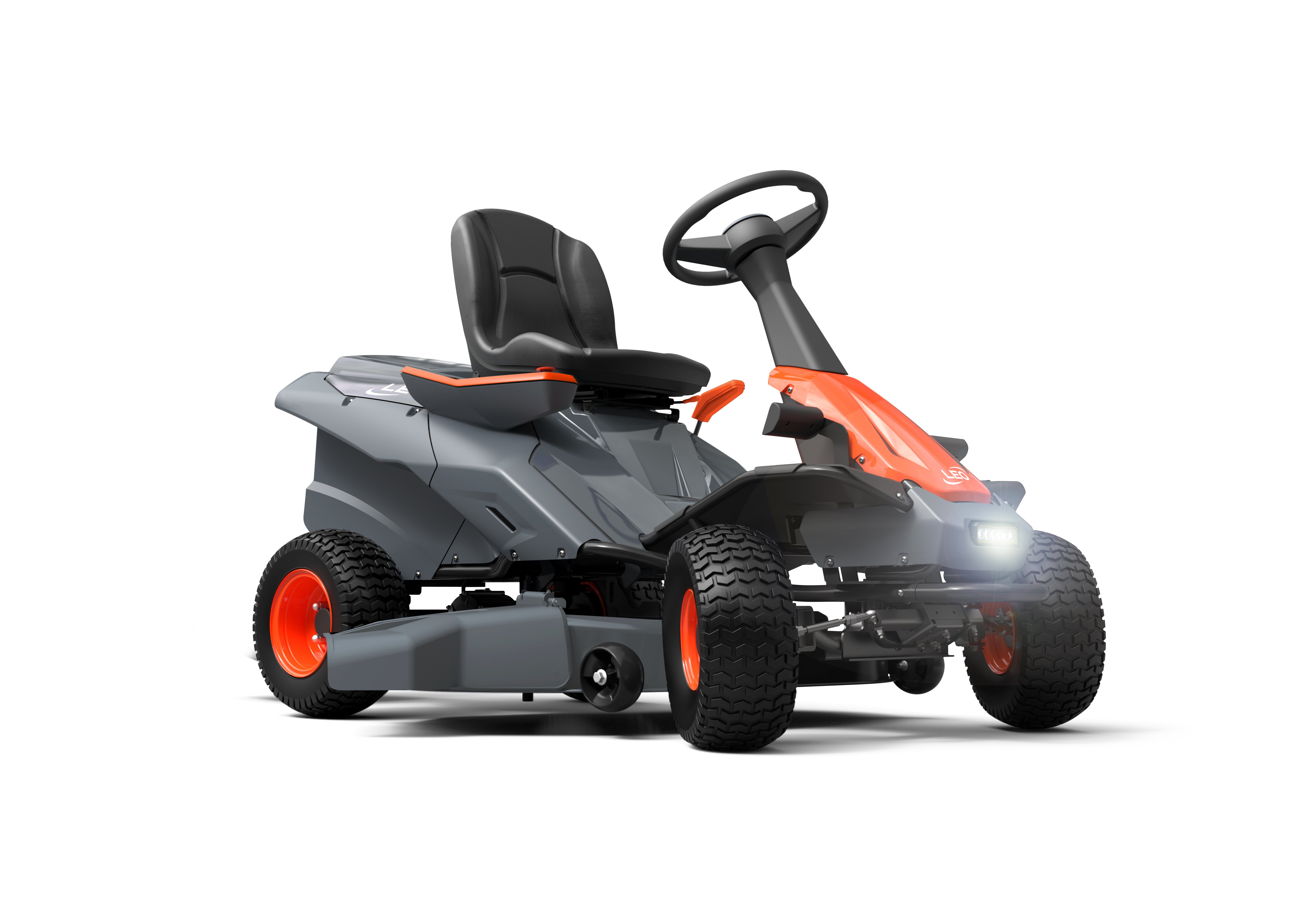
Before contacting a manufacturer, write a one-page requirements brief. Define the intended market, terrain, cutting area, operator type, expected annual volume, charging environment, packaging languages, and planned sales channel. A lithium ion ride on mower for light residential lawns may require a very different deck, drive configuration, battery capacity, and service model from a unit intended for estate maintenance or a dealer demonstration fleet.
Do not ask suppliers for a generic “ideal” specification. Ask them to map each proposed configuration to your application. A credible answer should distinguish between confirmed model data and options that require engineering review. It should also state limits plainly, particularly around gradients, wet grass, charging conditions, and duty cycle.
- List the lawn size and terrain your customers will face, including slope limits that must be confirmed for each model.
- Specify whether customers need collection, mulching, or discharge capability.
- Decide whether battery interchangeability across your garden range is commercially important.
- Plan storage, charger access, spare-battery handling, and local service from the first order.
Evaluate the manufacturer behind the machine
A reliable lithium ion ride on mower partner should be transparent about its role. Is it the actual factory, an assembler, a trading company, or a mixed operation? There is no universal right answer, but the buyer needs a clear line of responsibility for design changes, production, documentation, warranty decisions, and spare parts.
For an OEM mower programme, ask who controls the bill of materials, who approves substitutions, and how your brand’s artwork, labels, and packaging are released to the production line. A supplier that can only say “same as sample” has not yet shown the process discipline needed for a private-label launch. Request a factory profile, production-flow overview, relevant equipment list, and a named commercial and technical contact. If a visit is practical, inspect incoming-material control, assembly stations, battery storage, end-of-line testing, and the area used to quarantine non-conforming goods.
Make battery evidence a procurement gate, not a marketing claim
The battery system is central to every lithium ion ride on mower decision. Ask for the exact battery pack, charger, battery-management-system, connector, and transport configuration tied to the quoted model. Avoid accepting a broad statement that “lithium batteries are certified.” Documents should identify the item they cover, the revision, the responsible entity, and the destination-market relevance.
For shipments involving lithium batteries, verify the applicable transport paperwork and UN 38.3 evidence with the supplier and your freight partner. For markets where conformity requirements apply, ask for the technical documentation and declaration package early. European Commission guidance makes clear that, where CE marking applies, the manufacturer is responsible for conformity assessment, technical documentation, the declaration of conformity, and affixing the mark. Importers still need to confirm that the documents and product identification match what they place on the market.
Useful questions include:
- What is the pack voltage and rated energy for the exact configuration?
- Which cells and battery-management-system revision are used, and how are changes controlled?
- Which test reports, declarations, transport documents, warning labels, and manuals accompany each destination?
- What is the approved procedure for damaged, returned, or end-of-life batteries in your sales region?
Do not publish a runtime promise based only on a laboratory figure. Ask the supplier to describe the conditions behind any claim and build your own dealer-facing guidance around grass height, terrain, cutting mode, load, and battery condition.
Turn quality control into observable checkpoints
“We have quality control” is not enough. Ask where quality control occurs, what gets recorded, and what happens when a unit fails. The most useful evidence is a control plan that covers incoming components, in-process checks, final inspection, and pre-shipment verification. For an electric ride-on machine, the plan should address mechanical assembly, wiring, safety interlocks, charging function, drive and blade engagement checks, cosmetic condition, labels, and packaging.
Request sample inspection records and agree measurable acceptance criteria before production. Define how serial numbers, battery identifiers, and inspection results can be traced. Confirm whether you can appoint a third-party inspection company and how the factory handles findings. The aim is practical: both parties should be able to identify an affected batch and agree on correction before stock leaves the factory.
| Checkpoint | What to request | Why it matters |
|---|---|---|
| Golden sample | Signed specification, photos, labels, packaging reference | Creates one approved reference for later batch comparison |
| Pre-production | Bill-of-materials confirmation and artwork approval | Controls unapproved substitutions and branding errors |
| During production | Inspection plan, defect log, corrective-action record | Shows whether issues are caught before final assembly |
| Pre-shipment | Quantity, functional checks, packaging and document review | Reduces arrival disputes and seasonal service pressure |
Test communication, lead-time control, and change management
A supplier may build an attractive lithium ion ride on mower yet still be difficult to work with. Test responsiveness before the first large order. Send a small set of precise technical and commercial questions and note whether replies are complete, consistent, and traceable to a model or document revision. Reliable partners explain unknowns and return with evidence; they do not fill gaps with vague assurances.
Ask for a realistic critical path from purchase order to shipment: component readiness, pilot build, inspection, packaging release, booking, and document handover. Seasonal garden demand makes timing commercially important, so discuss what happens if a component changes or an incoming part fails inspection. Your purchase terms should require written approval for material changes to the agreed battery system, key safety components, labelling, or packaging.
Check after-sales capacity before committing volume
For a garden machinery supplier, after-sales support is part of product reliability. Ask for a spare-parts catalogue, exploded diagrams, recommended dealer stock list, lead-time policy, warranty workflow, and escalation contact. Check whether replacement parts can be ordered by serial number and whether the supplier can provide training material for dealers or service technicians.
Pay special attention to high-service-risk items: chargers, batteries, blades, drive components, switches, wiring harnesses, and collection-system parts. Agree how technical queries are logged, who authorises warranty replacements, and what information the supplier needs to diagnose a fault. A supplier that plans parts availability and response routes before launch helps protect the customer experience when the first busy mowing season arrives.
Use a staged supplier-approval process
The safest selection process has gates. First, screen documents and capabilities. Second, compare samples against an agreed checklist. Third, run a pilot order or controlled first production batch. Finally, review quality results, delivery execution, documentation, and early service feedback before expanding volume. This approach lets you evaluate the whole operating system, not just the mower shown in a sales presentation.
Score each candidate against the same weighted criteria: product fit, battery documentation, quality control, change control, communication, OEM mower capability, export readiness, lead-time realism, service parts, and commercial terms. Keep notes and evidence with each score. A lower quotation may not be the lower cost if it leaves your team to solve recurring documentation, quality, or parts problems.
Final supplier-selection checklist
- Does the manufacturer understand the exact market, lawn conditions, and use case for your lithium ion ride on mower range?
- Can it provide model-specific battery, charger, transport, safety, and market-access documentation for review?
- Are the factory’s quality control points documented, measurable, and open to independent inspection?
- Can it manage approved OEM mower specifications, labels, packaging, and engineering changes without ambiguity?
- Are lead times, responsibilities, warranty handling, and spare-parts support defined before the first volume order?
- Has the supplier proved its performance through a sample and pilot batch rather than promises alone?
A dependable lithium ion ride on mower supplier earns confidence through the evidence it can show: a controlled product specification, repeatable production checks, clear documentation, honest technical communication, and practical support after shipment. Use that standard throughout your evaluation, and you will be better positioned to launch a range your dealers and end users can trust.
 Hot News