EN
How Do Lithium Ion Lawn Mowers Work Compared with Gasoline Models?
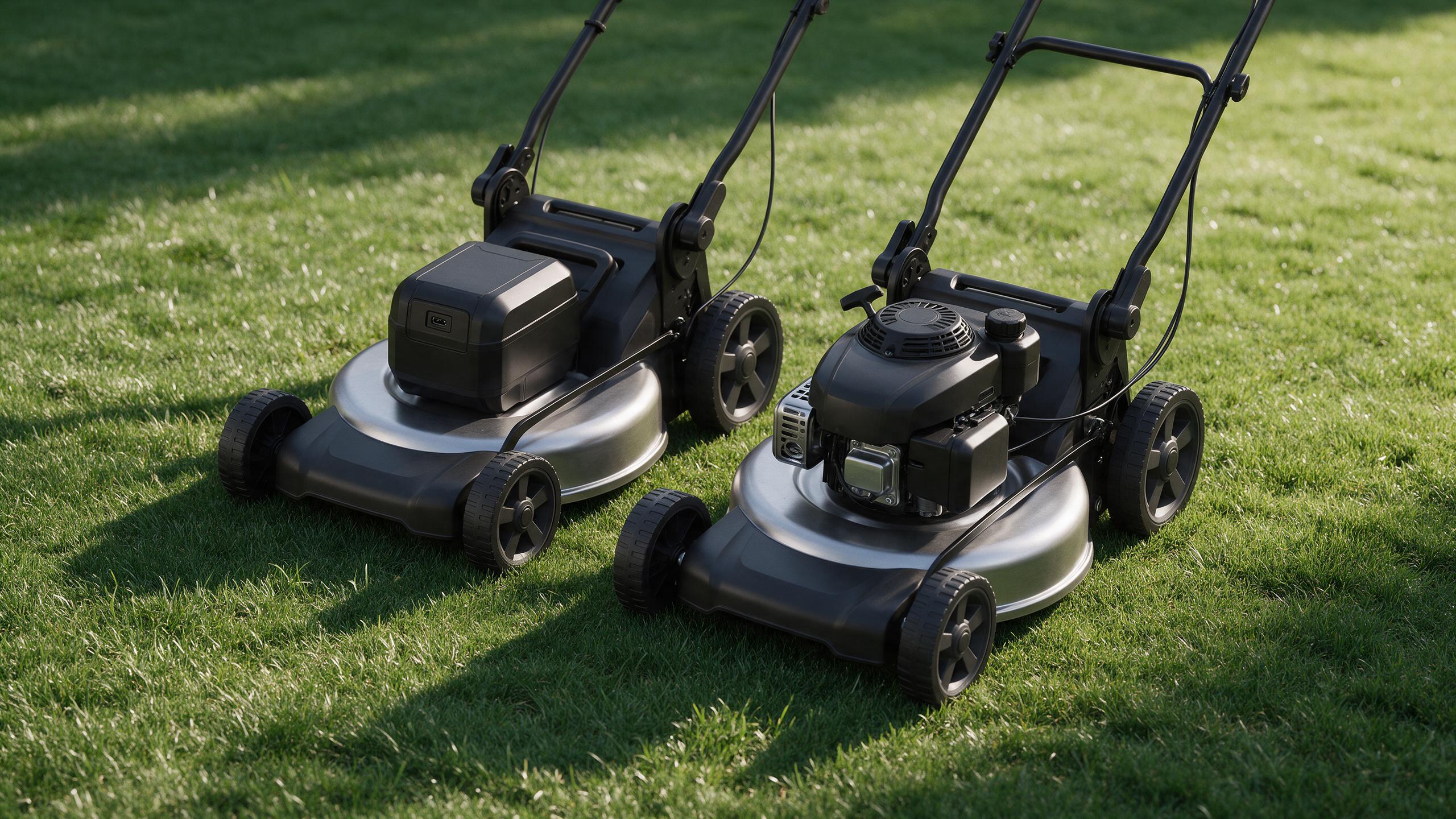
A lithium ion lawn mower and a gasoline mower perform the same job through different energy paths. One draws electricity from a rechargeable battery to turn an electric motor; the other burns fuel in an engine to rotate the blade. For a buyer, the useful question is not simply which power source sounds more convenient. It is whether the complete machine can finish the actual lawn, be serviced locally, and fit the owner's storage and working routine.
This comparison follows those practical choices, from the moment the machine starts to what happens when the turf gets thick. Specifications differ by model, so check the manufacturer's instructions and measure the workload rather than treating either category as a universal answer.
What happens when each mower starts?
In a lithium ion lawn mower, the charged battery supplies electrical energy to a controller. The controller regulates power to the motor, which turns a shaft connected to the cutting blade. Some designs use a brushless motor and electronic control to manage operation under changing loads. A safety key or other interlock may also be required before the blade can start. Follow the exact starting sequence in the manual.
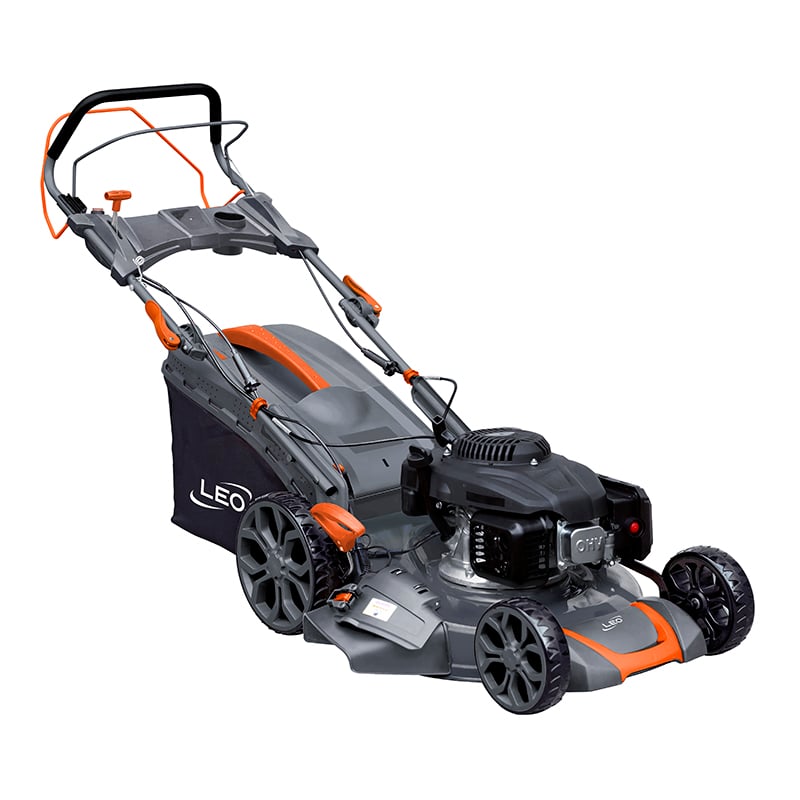
A gasoline mower draws fuel and air into a combustion engine. Ignition starts combustion, which moves a piston and turns the crankshaft connected to the blade or drive system. Depending on the model, the operator starts it with a pull cord or an electric starter. Neither power source changes the importance of the cutting deck: blade condition, deck shape, cutting height, and travel speed all affect the result.
Runtime and refuelling: compare the whole job
A lithium ion lawn mower runs until its battery reaches the system's cutoff or the operator stops it. Battery technology makes a cordless session possible without a trailing cable, but the available cutting time varies with turf density, moisture, slope, blade load, battery condition, and whether a self-propelled drive is in use. Published runtime figures are useful for screening, not a promise that a particular yard can be finished on one charge.
For a lithium ion lawn mower, battery energy can be estimated in watt-hours by multiplying nominal voltage by amp-hours. For example, a hypothetical 40 V, 5 Ah pack is approximately 200 Wh. That number helps compare packs at different voltages; it does not directly predict mowing minutes because power demand changes throughout a cut. Check whether a quoted voltage is nominal or maximum, and compare like with like.
A gasoline machine continues while it has fuel and is operating properly. Refuelling can make back-to-back jobs practical, although the engine must be stopped and allowed to cool according to the manual before fuel is added. A second charged pack can extend cordless working time; include its purchase price and the time needed to charge it in the plan. For both types, the real measure is whether the machine completes the longest likely session without an inconvenient interruption.
Cutting performance under changing loads
When a lithium ion lawn mower meets tall or thick turf, the motor and battery must deliver enough power for the increased load. Some controllers change motor speed in response; others behave differently. Gasoline engines also face increased load and can slow or stall if the mower is pushed too quickly. A larger engine or a higher battery voltage alone does not prove that one complete machine will cut faster or leave a cleaner finish.
Compare the deck width, drive system, cutting-height range, blade design, and any manufacturer guidance for the actual model. On overgrown areas, raise the deck and take a slower first pass, then cut again at the intended height if the manual allows. Avoid cutting when conditions make traction unsafe. Dense, wet clippings can accumulate under either deck and make the work harder.
Maintenance, storage, and everyday safety
An electric mower avoids engine oil and spark-plug service, but it still needs blade inspection, deck cleaning, and checks of fasteners and wheels. Remove the battery and safety key, if fitted, before inspecting or clearing the blade area. Wait for all moving parts to stop. Store and charge the pack according to its manufacturer's temperature and moisture guidance, and use the specified compatible charger. Do not use a damaged or swollen battery; follow local guidance for safe collection and recycling.
Gasoline models add fuel handling, engine-oil checks where applicable, air-filter care, and spark-plug service. Follow the engine maker's schedule and fuel-storage instructions rather than assuming every engine has the same requirements. Do not run a gasoline engine in a garage or other enclosed space: exhaust contains carbon monoxide, which can be fatal. Stop the engine, disconnect the spark-plug lead as directed, and wait for the blade to stop before maintenance.
A lithium ion lawn mower and its gasoline counterpart both need the work area cleared of stones and loose objects, appropriate footwear, and attention to bystanders. Check the manual for the slope limit and operating direction. Sound levels vary by model and load, so compare the declared measurements and wear hearing protection where the instructions or conditions call for it.
Cost and environmental trade-offs
The shelf price is just one part of a gasoline comparison. List the machine, charger and batteries where needed, electricity or fuel, routine service, blades, and possible replacement batteries over the period you expect to own it. If a battery is shared with other tools, verify the actual compatibility rather than assuming that packs with similar voltages fit.
During use, a lithium ion lawn mower produces no tailpipe exhaust at the machine. Electricity generation, battery manufacture, transport, and end-of-life handling still have impacts; a broad lifecycle claim needs evidence for the products and region being compared. Gasoline equipment produces exhaust during operation and requires fuel storage. Neither description alone establishes the total footprint of an individual purchase.
Which setup fits your lawn?
For a smaller lawn near a suitable charging point, a lithium ion lawn mower can be a practical choice when the supplied battery covers the full cut with some margin. For a large property or consecutive sites, compare a gasoline mower's refuelling routine with the cost and logistics of enough charged packs. For mixed terrain, verify traction, cutting width, and the stated slope limit for the exact model before choosing by power source.
Distributors comparing green equipment can ask suppliers for model-specific energy and runtime information, replacement-pack availability, service parts, and relevant market documentation. A useful trial is to mow the same representative area at the same cutting height with each candidate and note finish quality, time, handling, and remaining energy. That provides a more grounded decision than comparing a single headline specification.
 Hot News