
 EN
How Can Contractors Reduce Lawn Maintenance Costs with Better Equipment?
A lower purchase price does not automatically create a lower operating cost. For a contractor, the right landscaping equipment reduces minutes per stop, avoids return visits, and keeps a crew moving when the schedule is full. That is why a useful buying decision begins with the cost of a completed property—not the number on the invoice.
As an operations-minded contractor, start with work that repeats every week: mowing, trimming, edging, blowing, loading, and traveling between sites. Then identify where a crew waits, walks twice, refuels too often, or loses time to repairs. Better landscaping equipment should solve a documented bottleneck. It should not simply add another machine to maintain.
Measure the cost of each property before replacing equipment
Track a representative route for two weeks. Record labor hours, fuel or charging time, consumables, transport time, maintenance interruptions, and callbacks. Divide total route cost by the properties completed. This gives a baseline for cost reduction and makes an equipment selection easier to defend.
For example, a mower that costs more but lets one operator finish an average property several minutes sooner can be worthwhile if the saved time is consistently converted into another billable stop, better detail work, or fewer overtime hours. Conversely, a high-output machine is a poor fit when gates, slopes, trailer space, or crew training prevent the team from using that output.
Total cost of ownership is more useful than price alone. Industry guidance on commercial mowers commonly groups labor, service, downtime, and fuel with purchase cost. Those categories are connected: a small repair that takes a machine out of a route can create idle labor, rescheduling work, and a rushed finish later in the day.
Choose mowing capacity that matches the route
Mowing is often the largest recurring time block, so it is the first place to test mowing efficiency. Match deck width, maneuverability, traction, and discharge options to the actual mix of sites. Large, open turf may support a wider commercial mower; narrow access, landscaped islands, and many gated yards may reward a smaller platform that avoids handwork and repeated trimming.
- Time a pass, not just an acre. Include turns, obstacle avoidance, unloading, and cleanup.
- Check cut quality at route speed. A fast pass that creates clumps or misses edges can add a second pass.
- Size for peak season. Evaluate wet grass, leaf load, and the longest practical shift, not only ideal summer conditions.
- Consider crew interchangeability. Controls, visibility, and standard operating procedures influence how reliably different operators can produce the same result.
Commercial equipment inventories also show why utilization matters. An EPA lawn-and-garden equipment analysis used hundreds of annual commercial operating hours for mowers; whether a particular fleet reaches that level or not, every hour of use magnifies fuel, maintenance, and downtime decisions.
Build a coordinated set of contractor tools
Well-matched contractor tools work as a system. A crew can lose the benefit of a fast mower if a slow trimmer, weak blower, poor trailer layout, or missing spare battery creates the next delay. Map the workflow from trailer departure to final cleanup and ask which handoff consumes the most non-billable minutes.
Standardizing compatible contractor tools can simplify training, stocking, and preventive maintenance. It may also make it easier to carry common wear parts, rotate backup units, and give crews a familiar charging or fueling routine. Standardization should not mean buying one platform blindly; it means comparing service access, parts availability, operator fit, and fleet-level support before committing.
For battery-powered tools, calculate runtime under your own workload and include the time and electrical capacity required to recharge. For gasoline tools, include fuel handling, routine engine service, and the effect of frequent idle time. The winning choice is the one that supports a dependable daily plan, not the one with the most impressive specification sheet.
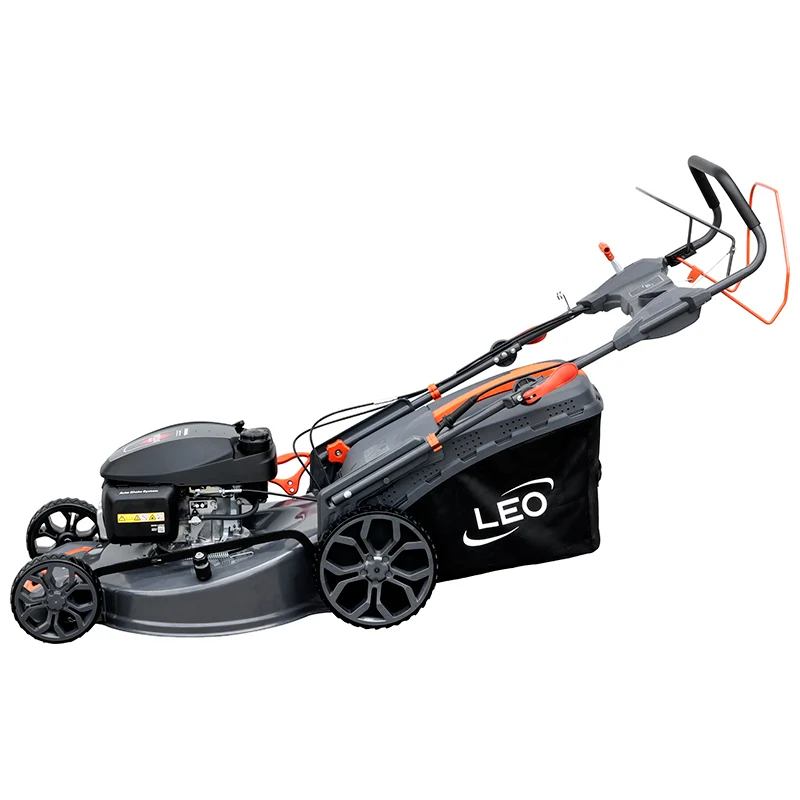 A coordinated equipment workflow can reduce avoidable setup and cleanup time.
Use maintenance data to decide repair, replacement, or backup
Create a simple record for every major unit: hours used, scheduled service, unplanned repairs, parts lead time, and days unavailable. This turns complaints such as “that mower has repeated downtime” into an equipment selection decision with evidence. A commonly used trade guideline is to review replacement when a single repair approaches half the cost of a comparable replacement; treat that as a prompt to investigate, not as a universal rule.
Look for patterns. A machine that needs small repairs during the busiest weeks may cost more than its invoices show because it disrupts route density. In contrast, planned blade service, filter changes, tire inspections, and cleaning can be scheduled before failures affect customers. Protecting predictable uptime is often the most practical form of cost reduction.
Backups deserve the same analysis. A spare unit is justified when one failure would strand a crew or force expensive rental and overtime. It is less useful when it sits unused while several smaller operational problems remain unresolved. Review utilization monthly and move underused landscaping equipment to the routes where it can remove a proven constraint.
Improve transport and setup, not just cutting speed
A crew’s day includes more than grass cutting. Trailer loading, tie-downs, fuel storage, tool retrieval, and site setup all affect mowing efficiency. Organize trailers so the first tools needed are accessible, secure machines consistently, and place frequently used hand tools where an operator does not need to climb over equipment. Small reductions in setup time repeated across many stops can be meaningful.
Route planning matters as well. Group properties by equipment need when practical, and avoid carrying specialized machines all day for one distant stop. The right landscaping equipment plan considers payload, loading sequence, gate width, local noise rules, and the distance between jobs. These details help a crew arrive ready rather than improvising at every address.
A practical equipment selection checklist
- Define the task, site constraints, and expected weekly hours.
- Estimate labor, fuel or charging, service, downtime, and transport costs for the current method.
- Test candidate landscaping equipment on representative properties when possible.
- Compare time per completed property, including cleanup and rework.
- Confirm dealer support, parts availability, warranty terms, and maintenance access in your service area.
- Set a review date after 30, 60, or 90 days to verify that promised savings occurred.
This checklist prevents a purchase from becoming a guess. It also creates a feedback loop: if the expected savings do not appear, the contractor can adjust training, routing, maintenance intervals, or the machine mix before the next buying cycle.
Make each purchase earn its place in the fleet
Better landscaping equipment reduces lawn maintenance costs when it removes a measurable constraint: too much labor per stop, recurring downtime, excessive fuel handling, poor cut quality, or awkward transport. Start with route data, choose contractor tools that fit the actual properties, and review performance after the purchase. That disciplined approach turns equipment selection from a capital expense into a repeatable operating improvement.
 Hot News