
 EN
What Maintenance Parts Should Be Checked on Gasoline Lawn Mowers?
A gasoline lawn mower earns its keep in heavy grass, larger gardens, and places where a cord or battery runtime is inconvenient. It also needs a small amount of deliberate care. The useful habit is not to replace parts at random: inspect the items that protect the engine, produce the cut, move fuel, and keep the operator in control. As a garden-machinery technical consultant, I would start each service with the owner’s manual because part specifications and service intervals vary by engine and model.
Before touching a gasoline lawn mower, park it on level ground, allow the engine to cool, remove the ignition key if fitted, and disconnect the spark-plug lead. Keep the lead away from the plug so the engine cannot start accidentally. Wear gloves around the blade, and do not work beneath a machine supported only by a jack.
Start with a quick pre-mow inspection
A short check before each use catches many problems early. Look for loose fasteners, cracked guards, leaking fuel or oil, damaged control cables, and grass packed around the deck. On a self-propelled gasoline lawn mower, also test that the drive control engages and releases cleanly. If a control does not return freely, stop and investigate rather than forcing it through a mowing session.
Check the oil level on a cold, level engine using the method specified in the manual. Low oil can damage an engine quickly; overfilling is not harmless either. Look at the fuel in the tank and fuel line for contamination, leakage, or a stale-fuel smell. These are inspection points, not a substitute for the manufacturer’s maintenance schedule.
Engine service parts that deserve regular attention
Air filter
The air filter is one of the most important spare parts on a gasoline lawn mower. Its job is simple: keep abrasive dust and debris out of the engine. A foam element may be washable only if the manual permits it; a paper element is commonly replaced when dirty, damaged, or oil-soaked. Do not blast a paper filter with high-pressure air, which can damage the media. A restricted filter can make starting and running worse, especially in dusty mowing conditions.
Open the cover and inspect the seal, housing, and filter itself. Dirt bypassing a damaged seal matters as much as dirt on the element. If the filter has collapsed, torn, or cannot be cleaned as instructed, fit the correct replacement rather than an approximate substitute.
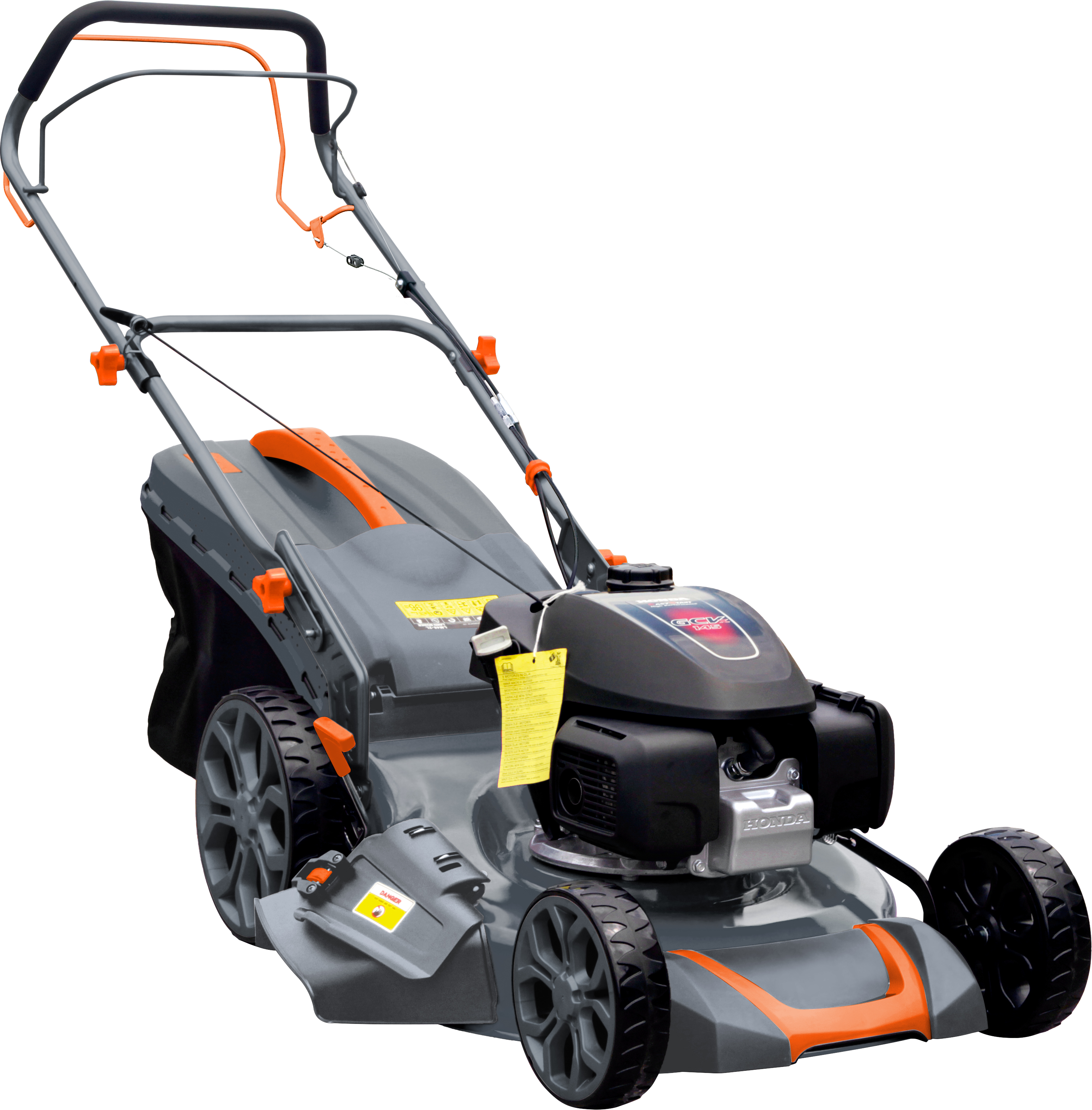
Spark plug and ignition lead
A gasoline lawn mower that is hard to start, misfires, or runs unevenly may need attention at the spark plug, although fuel and air issues can cause similar symptoms. With the plug lead disconnected, remove the plug only after brushing debris away from its base. Look for a worn electrode, cracked insulator, heavy deposits, or a wet, fuel-fouled tip. Use the exact plug type and gap listed for the engine; guessing here can create a new problem.
Inspect the ignition lead and boot for cracks, looseness, or corrosion. The plug is a sensible item to review during annual engine service, but replacement timing should follow the engine manual and the mower’s actual workload.
Engine oil, drain hardware, and oil filter where fitted
Oil is a consumable service item, yet it is often overlooked until a gasoline lawn mower sounds rough or runs hot. Check its level before mowing and change it at the interval specified for the engine. While changing oil, inspect the drain plug, washer, fill cap, and surrounding area for seepage. Some engines use an oil filter; if yours does, include it in the engine service routine. Use the oil grade and quantity specified by the manufacturer, not a one-size-fits-all recommendation.
Fuel line, fuel filter, tank cap, and carburettor area
Fuel-system spare parts age even when the mower is parked. Examine rubber fuel lines for stiffness, cracks, rubbing marks, and damp spots. Check the fuel filter if the engine has one, and make sure the tank cap vent is not blocked. If fuel has been stored for a long period, deal with it according to the manual before diagnosing the carburettor. Stale fuel is a common cause of starting complaints, but dismantling the carburettor should not be the first response to every rough-running gasoline lawn mower.
Inspect the cutting system and deck
Blade, blade bolt, and adapter
The blade affects both appearance and lawn health. Disconnect the spark plug lead, tip the mower only in the direction the manual allows, then examine the blade for dull edges, deep nicks, cracks, bends, or missing material. A dull blade tears grass rather than slicing it. Sharpen or replace it according to its condition, and replace a cracked or bent blade rather than trying to repair it.
Also inspect the blade bolt, washer, and blade adapter. A blade that has struck a hard object can damage more than the cutting edge. Tighten hardware to the manufacturer’s specified torque; overtightening or undertightening is not a reliable mower repair method.
Deck, discharge guard, and grass catcher
Remove compacted grass from the underside of the deck after the mower is safe to handle. Buildup can affect airflow, mulching, and bagging performance. Check the discharge guard, chute, mulch plug, and grass catcher for cracks, missing fasteners, or worn fabric. Safety guards should move and return as designed. If you see rust-through or a damaged deck, have it assessed before continuing to use the gasoline lawn mower.
Do not overlook drive and control components
For a self-propelled gasoline lawn mower, inspect the drive belt, cable, pulleys, and wheel traction surfaces. A frayed belt, slipping drive, or cable that will not release deserves attention before it becomes a larger mower repair. Check wheel bearings or bushings for excessive wobble and confirm that height-adjustment levers lock securely. Inspect the recoil starter rope and handle too; a fraying rope is cheap to address before it fails away from the workshop.
Build a practical maintenance schedule
A workable maintenance schedule has three levels. Before each mow, inspect oil level, fuel leaks, guards, controls, and obvious blade damage. During the season, keep the deck clean and inspect the air filter, blade condition, cables, and drive components more closely. Before storage, review engine oil, spark plug, air filter, fuel-system instructions, and all safety components. If a manual gives a specific hour interval, use that interval over any general checklist.
The number many owners focus on is engine size. In day-to-day use, though, clean air, correct oil, sound fuel, and a sharp blade often tell you more about whether the machine will start easily and cut cleanly. A well-kept gasoline lawn mower does not eliminate wear, but it makes the next service predictable rather than urgent.
When to stop and seek mower repair
Stop using the mower if you find a cracked blade, damaged guard, fuel leak, loose blade hardware, severe vibration, smoke that does not clear, or an engine that will not stop with its normal control. Those conditions call for proper mower repair, not another mowing pass. For routine work, record the date, engine hours if available, parts used, and any symptoms. That small record makes the next engine service simpler and helps you order the right spare parts.
Frequently asked questions
What are the first parts to check on a gasoline lawn mower?
Start with engine oil, the air filter, spark plug lead, fuel lines, blade, blade hardware, guards, and controls. Then compare your findings with the manufacturer’s maintenance schedule.
Which spare parts are most useful to keep on hand?
Keep only model-correct spare parts, typically an air filter, spark plug, blade or blade hardware where appropriate, and consumables listed in the manual. Confirm the part number before ordering.
How often does a gasoline lawn mower need engine service?
Usage, dust, grass conditions, and engine design all matter. Follow the service intervals in your manual, while inspecting safety and wear items before each use.

 Hot News