
 EN
Key Quality Standards to Check Before Purchasing Lawn Mowers from Manufacturers.
Buying a lawn mower from a manufacturer is not the same as choosing a single machine from a retail shelf. An importer, distributor, or private-label buyer is approving a production system that will affect every unit, warranty claim, and customer review that follows. Price and an attractive sample matter, but they do not show whether the next production batch will be consistent.
For an OEM mower programme, the practical question is: what evidence shows that a factory can repeatedly make the agreed specification? Use the checks below before placing a first order or expanding an existing lawn mower range.
1. Does the supplier control the specification before production begins?
A reliable lawn mower purchase starts with a controlled specification, not a catalogue description. Ask for the model configuration in writing: power source, cutting width, deck material, blade type, drive arrangement, cutting-height system, collection or mulching configuration, packaging, labels, manuals, and market-specific electrical or engine requirements. It should name the approved sample, sometimes called a “golden sample,” that inspectors use as their reference.
It is easy to treat this as paperwork, yet it prevents a common problem in supplier evaluation: the sample looks right while later units use a substituted component or a slightly different assembly. A change-control process should state who can approve substitutions, how revisions are numbered, and how the factory informs the buyer before a change reaches production.
For a private-label lawn mower, clarify which elements are genuinely configurable and which are fixed by the platform. A logo, carton, and colour change may be straightforward; a different battery interface, blade, guard, or motor can affect validation work and lead time. Treat every requested change as a documented engineering and quality decision, not an informal promise.
2. What incoming-material checks protect the finished mower?
Quality is often decided before final assembly. Ask how the manufacturer verifies incoming motors, batteries, switches, cables, wheels, blades, decks, fasteners, and packaging. The useful answer is not simply “we inspect materials.” Request the inspection standard, sampling method, acceptance criteria, supplier traceability, and records for a recent batch.
For example, a blade may look acceptable on a sample, yet its hardness, finish, balance, or supplied fasteners can vary. Likewise, a cordless lawn mower can be affected by battery-pack documentation, connector consistency, and the match between the battery, charger, and control system. Your quality control plan should identify critical-to-function parts and require evidence that nonconforming parts are isolated rather than quietly used.
The distinction matters: inspection finds defects, while process control is meant to reduce the chance of producing them. Ask the factory how it qualifies component suppliers, what happens when an incoming lot fails, and whether corrective actions are recorded and checked for effectiveness.
3. Can the factory demonstrate in-process control and traceability?
A finished-unit inspection alone cannot prove that an OEM mower was assembled consistently. During a factory review, follow the production route from parts storage through assembly, testing, packing, and finished-goods release. Look for work instructions at stations, trained operators, defined torque or fitment checks where relevant, and a clear route for rejected units.
Traceability is particularly valuable when an issue appears after shipment. The manufacturer should be able to connect a finished lawn mower to a production date or batch and, where appropriate, to key component lots. Ask to see how serial numbers, batch labels, inspection sheets, and rework records are linked. If a distributor reports an early pattern of failures, this information makes containment and root-cause work possible.
A tidy production line is not proof on its own. Ask to see completed records from ordinary production days, including a nonconformance record and the associated corrective action. That is usually more revealing than a presentation prepared for a visitor.
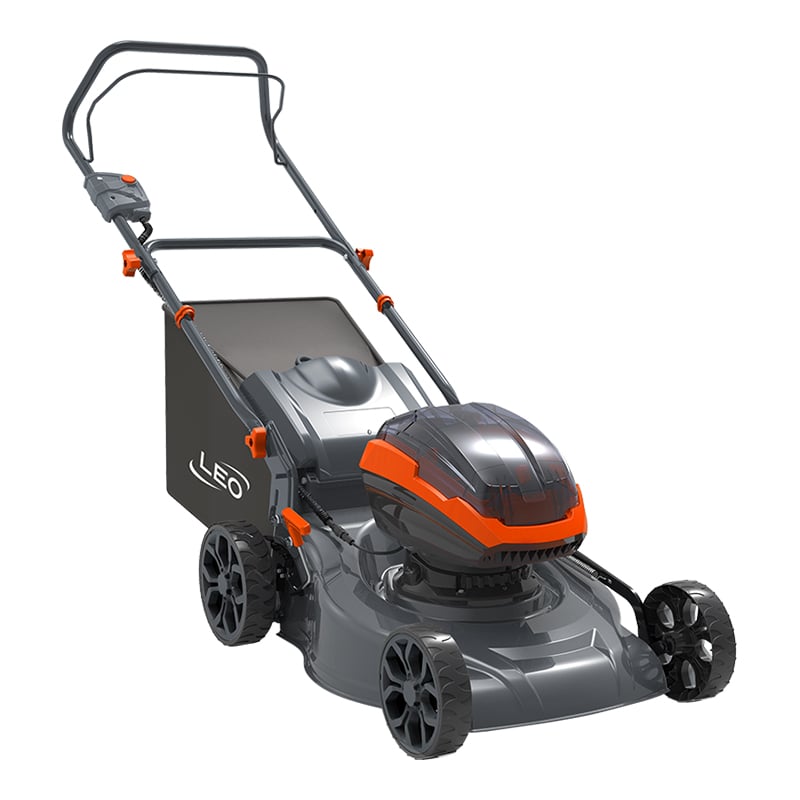
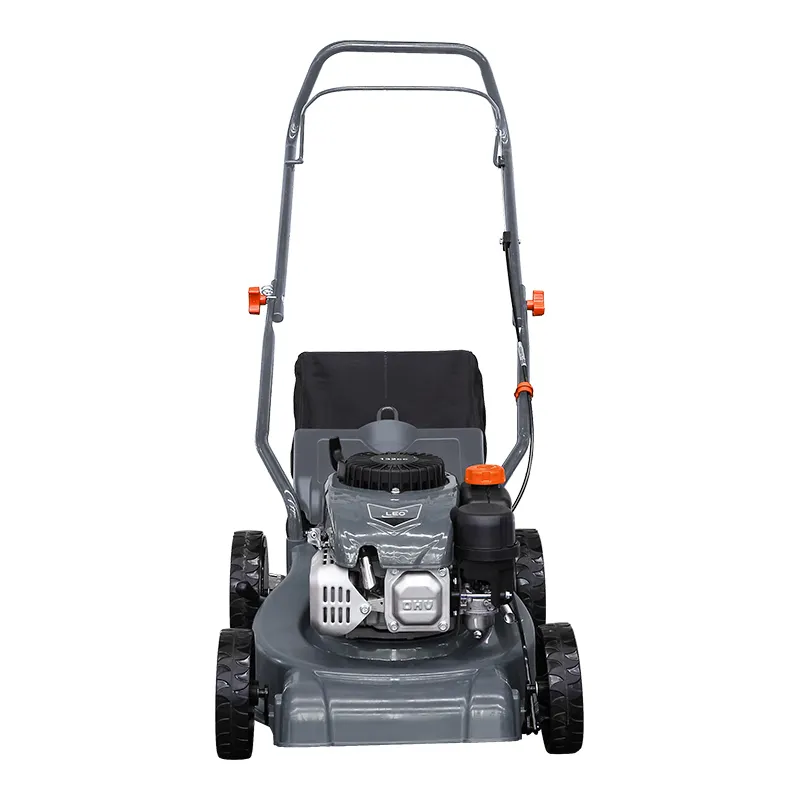 Factory records and defined inspection points make lawn mower quality easier for buyers to verify.
4. Are performance and safety tests matched to the intended market?
A lawn mower should be assessed against the use case and destination market, not only against a generic factory test. Confirm which checks are performed on finished units, who performs them, how equipment is calibrated, and what results are retained. Depending on the model, discussions may include starting and stopping, blade-brake or safety functions, cutting-height adjustment, drive operation, electrical checks, noise, vibration, guarding, and packaging robustness.
For EU-bound outdoor equipment, buyers should request the applicable, model-specific conformity documents and have qualified compliance advisers verify them. Guidance for Directive 2000/14/EC describes requirements around CE marking, a declared sound-power-level indication, and an accompanying declaration of conformity for equipment within its scope. Documentation should match the actual product configuration and target market; it is not a box to tick after the order is placed.
When evaluating a lawn mower manufacturer, ask whether the test method, report, and marking apply to the exact platform you are buying. If a model has been modified for your brand, do not assume a report for a similar product automatically transfers.
5. Is final inspection designed around your commercial risk?
Pre-shipment inspection is the last practical gate before a container leaves the factory. Agree the inspection scope before production starts: sample size, cosmetic criteria, functional checks, carton and label verification, accessory count, documentation, and the pass/fail rule. A good plan also defines what happens if the lot fails, including rework, re-inspection, reporting, and shipment timing.
Ask for a sample final-inspection report. It should record the order, model, quantity, date, inspected quantity, defects by category, test observations, photos where useful, disposition, and responsible sign-off. Independent inspection can add confidence for a first order when the buyer’s criteria are already precise.
This is often where factory production discipline becomes visible. Consistent packing, correct manuals, legible labels, protected components, and complete accessories are all quality outcomes. A mower that works well but arrives with the wrong market label or incomplete safety information still creates cost and risk for the importer.
6. How does the manufacturer handle defects after delivery?
Before approving a supplier, raise the difficult scenarios: a repeated starting issue, a damaged batch of decks, missing parts, or a safety-related complaint. A credible response includes a documented complaint route, response ownership, root-cause analysis, corrective-action timing, spare-parts support, and a way to verify that the action worked in later production.
Ask for examples of the process rather than confidential customer details. You want to know whether the team can distinguish an isolated handling issue from a batch pattern, trace the affected units, and communicate a practical containment plan. Long-term supplier evaluation should track inspection outcomes, defect trends, on-time delivery, corrective-action closure, and parts responsiveness—not just unit price.
A practical buyer checklist before placing the order
- Approve a revision-controlled lawn mower specification and reference sample.
- Define critical components, allowed substitutions, and incoming-inspection evidence.
- Review work instructions, in-process checks, rejected-product control, and batch traceability.
- Verify market-specific safety, noise, and conformity documentation for the exact model.
- Agree a written final quality control plan and obtain a sample inspection report.
- Confirm complaint handling, corrective actions, spare-parts support, and communication responsibilities.
Choose evidence, not assurances
A suitable lawn mower manufacturer is not necessarily the supplier with the longest feature list or the lowest quotation. It is the one that can show how the specification is protected, how defects are prevented and contained, and how each production batch can be verified. Start with a structured factory review, convert the findings into purchase-order requirements, and keep the same evidence trail for every repeat order. That approach gives an OEM mower programme a stronger foundation than a sample alone.
 Hot News