
 EN
What Quality Standards Should Buyers Check Before Purchasing Lawn Mowers?
For an importer, distributor, or private-label buyer, a lawn mower is not simply a catalogue item. It is a safety-critical piece of garden machinery that must arrive consistently built, correctly documented, and practical to support after sale. A low sample price can conceal a costly problem if the production machine, spare-parts plan, or inspection record is weak. The useful question is not “Does this lawn mower look acceptable?” but “What evidence shows this lawn mower will perform consistently across the order?”
This buyer-focused checklist separates visible product checks from supplier-system checks. It can be used when comparing a mower supplier, reviewing a sample, or preparing a pre-shipment quality inspection. The same approach works for petrol, corded, and cordless models, although the applicable safety and performance checks will differ.
Start With the Intended Use, Not a Generic Specification Sheet
First define the job the lawn mower must do. Garden size, grass density, slope, climate, expected cutting frequency, and operator type all change the right specification. A compact electric lawn mower may suit a small maintained garden, while a larger self-propelled or ride-on machine calls for a different chassis, drive, braking, and service assessment. Retail search results commonly organize choices by power source, drive system, and lawn size; procurement should use those categories as the start of an evidence review, not as the end of it.
Ask the mower supplier to identify the model’s intended user, stated limits, recommended terrain, cutting-width range, cutting-height positions, collection or mulching configuration, and maintenance interval. Then check that the operating manual, labels, packaging, and sample all tell the same story. A mismatch between a listing and the supplied lawn mower is an early warning of weak change control in OEM production.
Verify Applicable Safety and Conformity Evidence
A buyer should not treat a logo on a lawn mower or carton as proof of conformity. Ask which market the model is being supplied to, which rules apply, who holds the technical documentation, and which exact model and configuration the evidence covers. For example, IEC 62841-4-3:2020 addresses safety requirements for pedestrian-controlled walk-behind cylinder and rotary lawnmowers with metallic cutting means. That does not mean every lawn mower automatically falls under the same assessment path; the supplier should explain the applicable standard for the product and destination market.
For EU-bound garden machinery, check the declaration, marking, traceability information, instructions, warnings, and supporting technical file through the appropriate compliance process. EU guidance on CE marking emphasizes applicable product rules and supporting technical documentation. Buyers should have qualified compliance advisers confirm current legal obligations, especially where product features, country requirements, or regulations change.
- Match the model number, power source, cutting system, and revision level across reports, declarations, labels, and the physical lawn mower.
- Check that safety guards, blade-stop or shutoff functions, cable routing, interlocks, and warning labels are present and operate as documented.
- For cordless models, review battery and charger identification, instructions, transport documentation where relevant, and compatibility controls.
- Keep document versions in the purchase file so that a later engineering change does not quietly invalidate earlier evidence.
Inspect Build Quality Where Failures Actually Occur
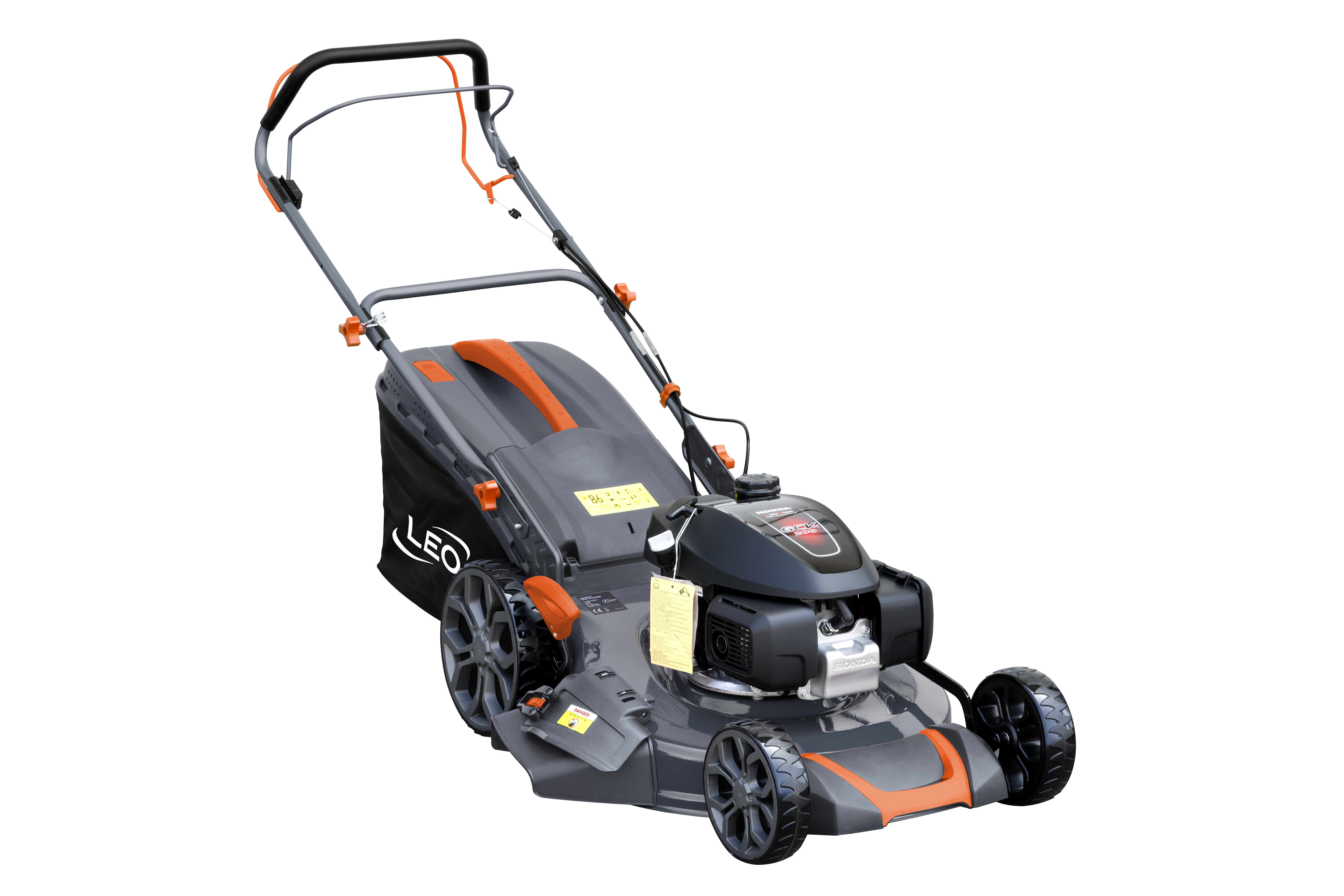
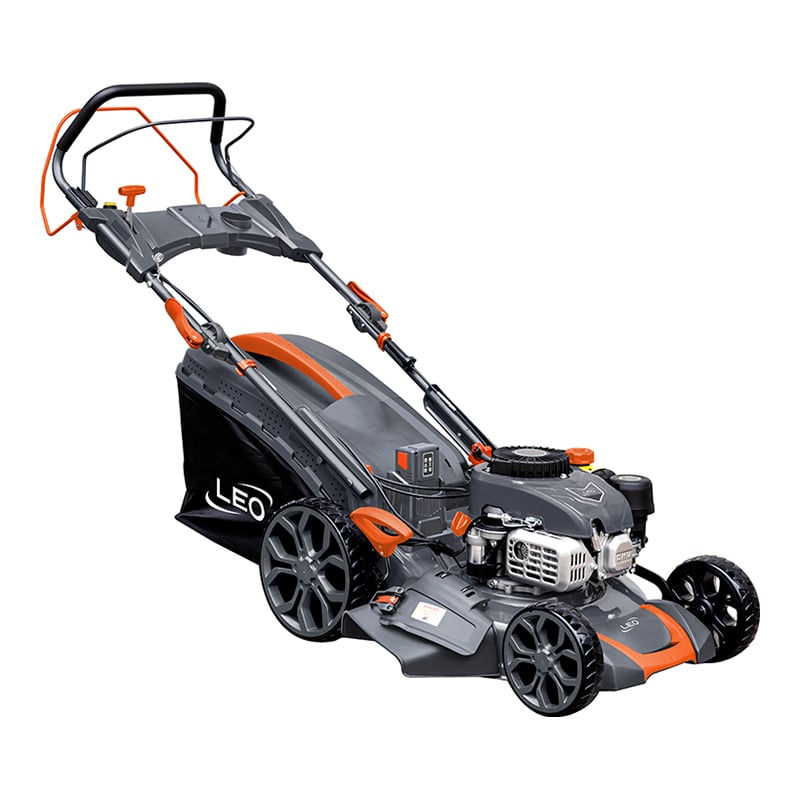
During a sample review or quality inspection, focus on interfaces and repeatable functions rather than paint gloss alone. Examine deck rigidity, weld or fastener consistency where applicable, wheel retention, handle joints, cable protection, height-adjustment engagement, grass-box fit, and blade fastening. Operate the lawn mower through its normal controls several times. Listen for abnormal vibration, rubbing, loose movement, or inconsistent drive engagement.
On petrol units, a practical lawn mower check includes cold-start behavior, throttle response where fitted, fuel-line routing, leakage checks, air-filter access, and clear maintenance instructions. On electric units, inspect cord strain relief, switch action, enclosure fit, and cable protection. On cordless units, check battery latching, contact protection, charger fit, and whether the battery-system claim is clear to the end user. These observations do not replace formal testing, but they make quality inspection more likely to catch a batch-level problem before shipment.
Audit the Factory Process Behind the Sample
A sample can be hand-finished; a production order must be controlled. Ask a mower supplier to walk through incoming-component checks, in-process controls, functional testing, final inspection, nonconformance handling, and lot traceability. The buyer should understand what is tested on every lawn mower, what is sampled, what records are retained, and who can approve a deviation.
Useful evidence includes an inspection plan, critical-to-quality checklist, test records, packaging verification, and a pre-shipment quality inspection report. Ask whether serial numbers or batch codes can link a returned lawn mower to its production lot. This is especially important for OEM production, where a custom label, alternate battery, revised handle, or new carton can create variation that is not obvious in a base-model report.
| Quality area | What to ask for | Why it matters |
|---|---|---|
| Components | Incoming inspection criteria for motors, engines, batteries, blades, wheels, and controls | Critical parts drive safety and repeatability. |
| Assembly | Torque, fit, routing, and functional-control records | Prevents loose or inconsistent lawn mower assemblies. |
| Final test | Model-specific functional test and appearance standards | Confirms each unit meets the agreed release criteria. |
| Traceability | Lot coding and corrective-action records | Makes a field issue manageable rather than anonymous. |
Check Serviceability, Spare Parts, and Packaging
Quality continues after the lawn mower leaves the factory. Confirm which wear parts and service parts are available, how they are identified, how long they are expected to remain available, and how a distributor orders them. Blades, cables, wheels, grass boxes, batteries, chargers, filters, and switches should have clear part references where relevant. A mower supplier that can explain parts support is often easier to work with when a seasonal issue appears.
Packaging deserves its own inspection. Verify carton markings, model identity, barcode requirements, accessory count, moisture protection, transit protection, and drop-test or handling expectations appropriate to the shipping route. The delivered lawn mower must match the approved sample and documentation after container transport, not merely when it leaves the production line.
Make the Purchase Order Measurable
Turn the review into written acceptance criteria. Attach the approved lawn mower specification, drawings or photos where necessary, document list, inspection sampling method, allowed defect levels, labeling requirements, packaging standard, and remedy process to the order. State how OEM production changes will be approved and what happens if a production lawn mower differs from the approved sample.
Before selecting a supplier, ask for a factory-audit discussion and a clear quality inspection plan. Zhejiang Leo Garden Machinery Co., Ltd. describes its business as involved in R&D, manufacturing, and sales of garden machinery; buyers should still request model-specific documentation, inspection records, and after-sales details for the exact lawn mower being considered. Evidence, not a broad company description, should determine the decision.
Final Buyer Checklist
- Define the lawn mower’s user, terrain, power source, and intended market.
- Match every safety and conformity document to the exact product configuration.
- Function-test the sample and inspect high-risk assemblies.
- Review the factory’s incoming, in-process, final, and pre-shipment quality inspection controls.
- Confirm traceability, spare-parts support, packaging, and warranty responsibilities.
- Put measurable acceptance criteria and engineering-change controls into the purchase order.
A dependable lawn mower purchase comes from combining product evaluation with process evidence. When buyers ask precise questions before ordering, they reduce avoidable returns, protect their reputation, and give the mower supplier a clearer standard to meet.

 Hot News